Let's cut to the chase. Most first-time visitors to Japan hit Tokyo, Kyoto, Osaka. If they're feeling adventurous, maybe Hokkaido or Hiroshima. Kochi Prefecture, on Shikoku's southern coast, rarely makes the initial list. And that's their loss. This place is different. It's raw, it's proud, and it feels like a Japan you thought might not exist anymore – a place where samurai spirit, fierce independence, and incredible natural beauty crash into the Pacific Ocean. I've spent weeks there over multiple trips, and I still feel like I've only scratched the surface.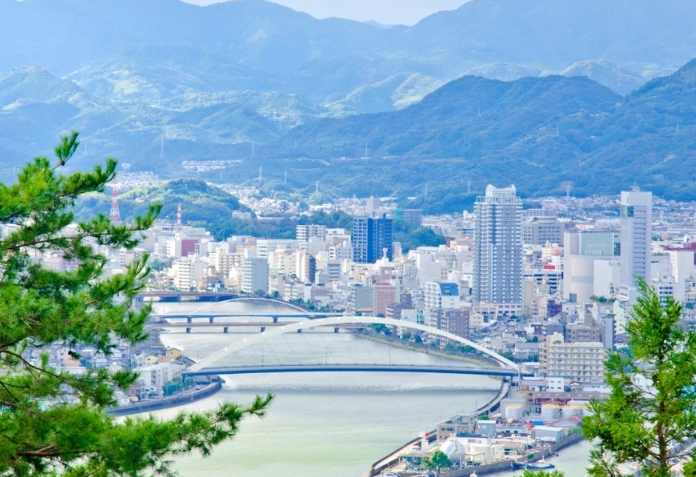
This isn't a list of every single temple. It's a practical, opinionated guide to the soul of Kochi. We'll talk about the castle that defied history, the fish you eat like a Viking, the beaches that feel secret, and the one market day you absolutely cannot miss. I'll also tell you where most itineraries go wrong and how to avoid the crowds that are (slowly) starting to discover this gem.
Your Quick Jump to Kochi's Best Bits
How to Get to Kochi Prefecture (The Smart Way)
Getting there is part of the adventure. The main gateway is Kochi Ryoma Airport (KCZ). You can fly direct from Tokyo Haneda (about 1.5 hours) or via connecting flights. But here's my preferred method, and it saves money if you're touring Japan widely: the train.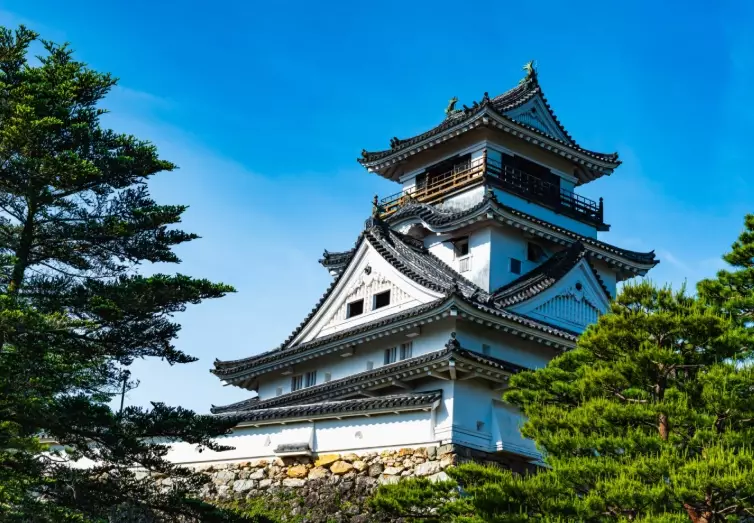
Take the Shinkansen to Okayama, then transfer to the JR Shiokaze Limited Express train. This 2.5-hour ride along the Seto Inland Sea coast is stunning. The total trip from Osaka is about 3.5 hours, from Tokyo around 5.5 hours with transfers.
Once in Kochi City, the tram system (aka "Tosa Denkidai") is charming and covers the main spots. For everything else, like getting to Katsurahama Beach, buses are your friend. Renting a car unlocks the true potential of Kochi Prefecture – the remote capes, the hidden valleys of the Shimanto River – but it's not essential for a city-focused first visit.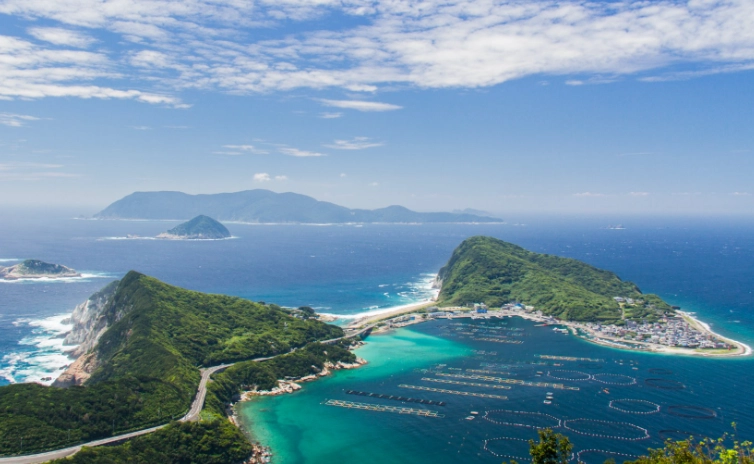
What to See in Kochi: Beyond the Castle
Everyone talks about Kochi Castle. They should. But if you only see the castle, you're doing it wrong. Here’s the layered approach.
Kochi Castle: The Real Deal
Address: 1-2-1 Marunouchi, Kochi City, 780-0850
Hours: 9:00 AM - 5:00 PM (Last entry 4:30 PM)
Admission: 420 yen for the castle keep, 890 yen for a combo ticket including the nearby Literary Museum.
Getting There: A 25-minute walk from Kochi Station, or a 10-minute tram ride to "Kochijo-mae" stop.
This is one of only twelve original castles in Japan. That means it's not a ferro-concrete reconstruction. You're walking on 400-year-old floorboards, climbing the original, incredibly steep stairs (wear good shoes!), and seeing the defensive slits for dropping stones on attackers. The view from the top floor over the city and out to the mountains is worth the climb. The mistake? Rushing it. Spend time in the inner grounds, see the palace ruins, and imagine the lords of the Yamauchi clan who ruled from here.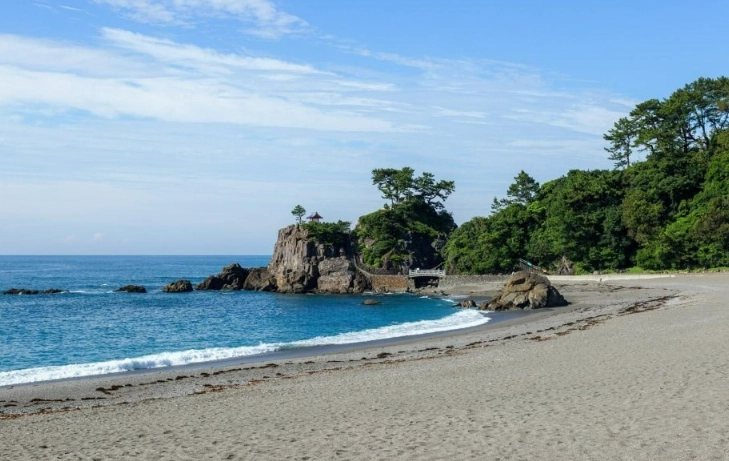
Hirome Market: The Living Room of Kochi
This isn't a tourist trap; it's where locals go to eat, drink, and socialize. It's a huge covered hall crammed with dozens of food stalls. You grab a beer or local sake, order small plates from different vendors, and sit at long communal tables. The energy on a Friday night is electric.
Must-try here: Katsuo no Tataki (seared bonito) from a stall that grills it fresh over straw. The contrast of the charred outside and raw inside is the taste of Kochi.
Hours: Varies by stall, but generally 8:00 AM - 11:00 PM (some stalls close earlier). It's open daily.
Katsurahama Beach & The Sakamoto Ryoma Memorial Museum
Katsurahama is a scenic, crescent-shaped beach with pine trees and fierce waves (swimming is prohibited). It's pretty, but the real reason to come is for Sakamoto Ryoma. This visionary samurai, born in Kochi, was instrumental in overthrowing the shogunate and modernizing Japan. He's a rock star here.
The Sakamoto Ryoma Memorial Museum (600 yen, 8:30 AM - 5:00 PM) is fantastic. It uses modern exhibits to tell his thrilling, short life story. Even if you know nothing about him, you'll leave fascinated. The bus from Kochi Station takes about 30 minutes.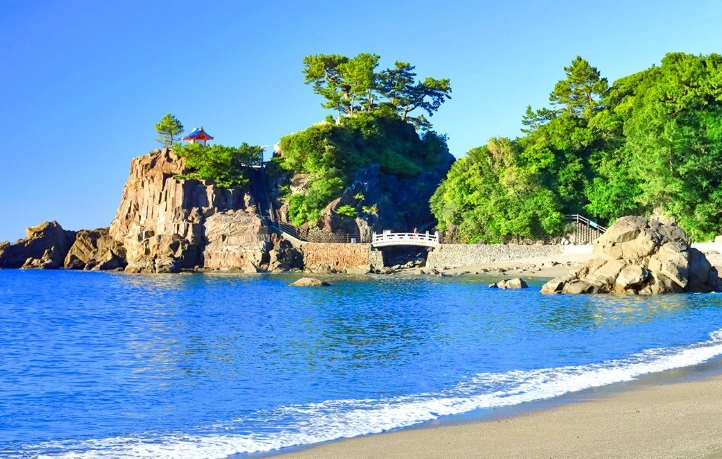
The Sunday Market: A 300-Year-Old Tradition
If you're in Kochi City on a Sunday, clear your morning. Along Otesuji Street, for over a kilometer, about 400 stalls set up from 5:00 AM to 5:00 PM. You'll find local vegetables, antiques, knives, snacks, and crafts. It's chaotic and wonderful. Go early for the best atmosphere. This is the kind of authentic experience you travel for.
The Kochi Food Adventure: More Than Just Fish
Kochi's cuisine is bold, simple, and reliant on incredible local ingredients. Yes, the bonito (katsuo) is legendary, but there's more.
Katsuo no Tataki: Already mentioned, but it's the icon. Seared over straw, served with garlic, ginger, spring onion, and a ponzu or soy-based sauce. The best place? Many will say Hirome Market for the vibe, but for a sit-down restaurant, try Katsuo no Tataki Dokoro Shimizu near the castle. A set meal runs 2,500-4,000 yen.
Seared Sardines (Iwashi no Tataki): A less famous but equally delicious cousin. Often cheaper and just as flavorful.
Sawachi Ryori: This is the party platter. A massive, shared plate piled high with sashimi, tempura, sushi, and local specialties. It's for groups and a feast for the eyes and stomach. Order it at traditional restaurants like Yosakoi.
Local Sake & Shochu: Kochi's clear water makes great sake. Look for brands like Tosa and Tosatsuru. The local shochu (distilled spirit) is often made from sweet potato (imo-jochu) and packs a punch.
Where to Stay: From Ryokan to City Hotels
Your base depends on your style. Kochi City is the most convenient. For a deep cultural dive, a ryokan in a coastal town is unforgettable.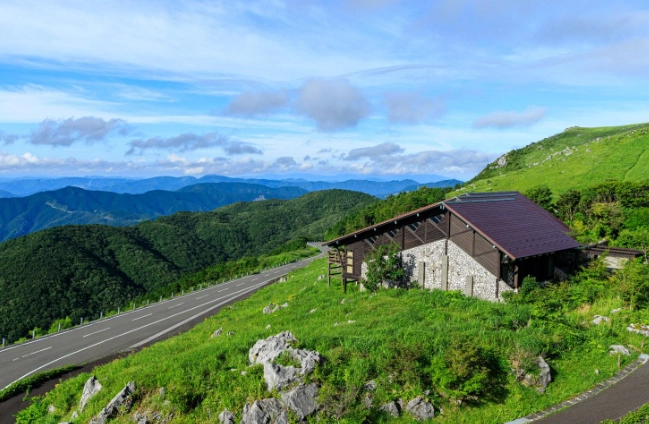
| Name / Type | Address / Area | Key Features & Vibe | Approx. Price (per night) |
|---|---|---|---|
| Hotel Nikko Kochi (Business Hotel) | 2-1-30 Honmachi, Kochi City | Directly above JR Kochi Station. Ultra-convenient, modern, reliable. Perfect for train travelers. | 8,000 - 12,000 JPY |
| Richmond Hotel Kochi (Mid-range) | 1-8-10 Obiyamachi, Kochi City | Great location near the castle and Otesuji St. Clean, contemporary rooms, good service. | 9,000 - 15,000 JPY |
| Tosa no Ie (Guesthouse) | 2-5-17 Kitahonmachi, Kochi City | Budget-friendly, social atmosphere. Offers bike rentals and local tips from friendly owners. | 3,500 - 5,000 JPY (dorm) |
| Ryokan by the Sea (e.g., in Susaki or Shimanto) | Various coastal towns | The full experience: kaiseki dinner, futon, onsen, stunning ocean views. Requires planning. | 15,000 - 30,000+ JPY (with meals) |
I stayed at the Richmond on my last trip. The location meant I could stumble back from Hirome Market easily and be at the castle gates in 10 minutes the next morning. For a first visit, that convenience is hard to beat.
Building Your Kochi Itinerary: 3-Day & 5-Day Plans
Here’s how to structure your time. These are frameworks – mix and match based on your energy.
The 3-Day Kochi City Immersion
Day 1 (Arrival & Evening Vibes): Arrive, check in. Head straight to Hirome Market for dinner. Soak in the atmosphere. Walk along the river if you have energy.
Day 2 (History & Culture): Morning at Kochi Castle. Afternoon at the Sakamoto Ryoma Memorial Museum and a walk on Katsurahama Beach. Evening exploring Obiyamachi shopping arcade.
Day 3 (Local Life & Departure): If it's Sunday, dive into the Sunday Market. If not, visit the Godaisan Park and Makino Botanical Garden. Grab a final bowl of udon (Tosa's wheat is famous) before you leave.
The 5-Day Kochi Explorer
Follow the 3-day plan for Days 1-3.
Day 4 (River Adventure): Rent a car or take a long bus ride to the Shimanto River, Japan's last major free-flowing river. Go canoeing, see the iconic chinka-bashi (submersible bridges), and enjoy the deep countryside.
Day 5 (Cape & Coast): Head east to Cape Muroto. Visit the dramatic cliffs, the Muroto Geopark, and the unique temple, Murotsu Jinja, built into a seaside cave. This is the wild, spiritual side of Kochi.
Your Kochi Questions, Answered
Is Kochi worth visiting for just one day?
It's a tight squeeze, but possible if you're passing through on a Shikoku tour. You'd have to prioritize: arrive early, go straight to Kochi Castle (opens at 9), have a quick lunch at Hirome Market, then spend the afternoon at Katsurahama and the Ryoma Museum. You'll get a taste, but you'll miss the rhythm of the place. Two full days is the minimum I'd recommend to feel it.
What's the biggest mistake tourists make in Kochi?
Only staying in Kochi City and not venturing out. The city is the vibrant heart, but the soul of the prefecture is in places like the Shimanto River valley or the dramatic coastline of Muroto. Even a day trip makes a huge difference. The second mistake is not checking if the Sunday Market aligns with their visit – it's a scheduling priority.
When is the absolute best time to visit Kochi Prefecture?
Late spring (April-May) and autumn (October-November). The weather is mild and perfect for exploring. Summer (June-August) is hot, humid, and fantastic for festivals like the famous Yosakoi Festival in August, but it's crowded and sweaty. Winter is mild on the coast but quiet; some rural attractions have reduced hours.
I'm not a big fish eater. Will I struggle with food in Kochi?
Not at all. While seafood is a star, Tosa beef is a high-quality, marbled wagyu that's often overlooked. There's also incredible local chicken (Tosa-jidori), mountain vegetables (sansai), and one of my favorites: itekoni, a hearty stew with radish, tofu, and pork or chicken. The udon and soba noodles here are also top-tier.
Do I need to speak Japanese to get around Kochi?
You'll manage, but more English signage is in the city center than in the countryside. In Kochi City, major attractions, train stations, and hotels have some English support. In restaurants, picture menus or plastic food models are common. Learning a few basic phrases ("kore kudasai" - this please, "arigatou gozaimasu" - thank you) goes a very long way and is appreciated. In rural areas, a translation app and a lot of pointing will be your tools. The people are incredibly kind and will try to help.
Kochi isn't the easiest place to reach, and it doesn't always conform to the polished, hyper-efficient image of modern Japan. That's precisely its magic. It's resilient, flavorful, and breathtakingly beautiful. It rewards the curious traveler who's willing to look beyond the golden triangle. So, pack your sense of adventure, an appetite, and maybe a phrasebook. Kochi is waiting.
Comments