Planning a two-week trip to Japan can feel overwhelming. You want to see the neon-lit streets of Tokyo, the ancient temples of Kyoto, the foodie paradise of Osaka, and maybe catch a glimpse of Mount Fuji. But how do you fit it all in without spending half your trip on trains? After multiple visits and helping dozens of friends plan their trips, I've refined this 14-day Japan itinerary that starts and ends in Tokyo. It's the golden route for first-timers, balancing iconic sights with local experiences and realistic travel times. Forget the rushed tours—this plan lets you actually experience Japan.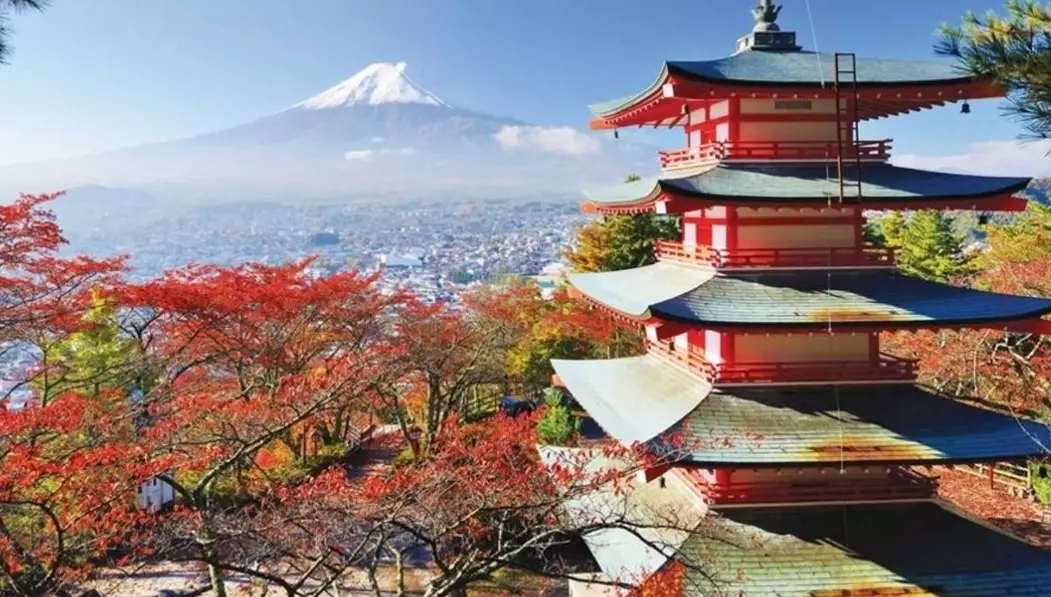
Your 14-Day Japan Adventure at a Glance
Planning Your Japan Trip: The Essentials
Before we dive into the daily schedule, let's sort the basics. A little prep goes a long way here.
First, the Japan Rail Pass (JR Pass). For this specific 14-day Tokyo-Kyoto-Osaka loop, a 7-day regional pass might be a better financial fit than the nationwide 14-day pass. You'll use it from Day 7 to Day 13. Do the math: a one-way Shinkansen ticket from Tokyo to Kyoto is around ¥13,000. The 7-day pass is about ¥30,000. If you're also doing return trips to Nara and Himeji from Osaka, it pays off. Use the official Japan Rail Pass website to check current prices and purchase the exchange order before you travel.
Accommodation: Book early, especially for Kyoto. Hotels in central locations near major stations (like Shinjuku in Tokyo, Gion/Kawaramachi in Kyoto, Namba in Osaka) save you hours in commute. I prefer hotels over Airbnbs in Japan for reliability and service.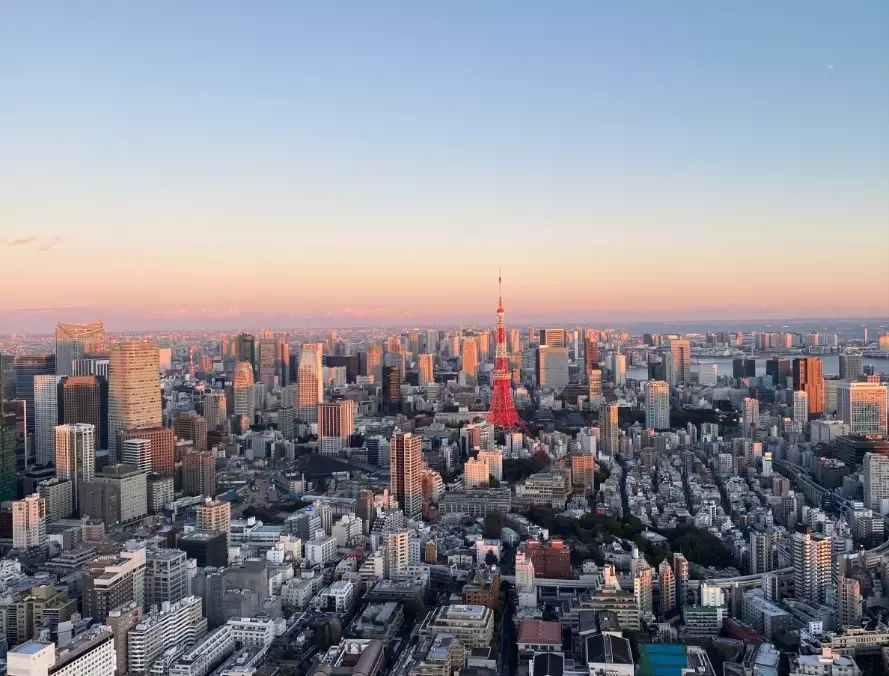
Your Day-by-Day Japan Itinerary Breakdown
Here's the detailed plan. I've included specific addresses, opening hours, and transport notes so you can just follow along.
Days 1-4: Tokyo - The Electric Metropolis
You'll land at Narita (NRT) or Haneda (HND). Take the Narita Express (N'EX) or Keikyu Line to your hotel. Fight the jet lag by staying awake until a reasonable local bedtime.
Day 1: Shinjuku & Shibuya Immersion. Start in Shinjuku. Visit the Tokyo Metropolitan Government Building (1-2-1 Nishishinjuku, free, open 9:30 AM - 11:00 PM) for a free panoramic view. Wander through the chaotic yet wonderful Omoide Yokocho alleyways. In the afternoon, head to Shibuya. Experience the Shibuya Crossing. For dinner, try Uobei Shibuya Dogenzaka (2-29-11 Dogenzaka, conveyor belt sushi, budget ¥1,000-2,000 per person). It's fast, cheap, and fun.
Day 2: Asakusa & Akihabara. Morning at Senso-ji Temple (2-3-1 Asakusa, free, grounds always open, temple 6:00 AM - 5:00 PM). Grab a melon-pan from a street vendor. Afternoon in Akihabara, the electronics and anime district. Don't just window-shop; go into a multi-story arcade like SEGA GiGO. It's sensory overload in the best way.
Day 3: Harajuku & Omotesando. Walk from Harajuku Station down Takeshita Street (prepare for crowds). For a more refined experience, stroll down Omotesando, Tokyo's Champs-Élysées. Visit the Meiji Jingu Shrine (1-1 Yoyogikamizonocho, free, sunrise to sunset) for a serene forest walk in the middle of the city.
Day 4: Tsukiji & TeamLab. Skip the old inner market tuna auction (it's moved to Toyosu). Go to the Tsukiji Outer Market for an incredible street food breakfast (try tamagoyaki and fresh oysters). Book tickets in advance for teamLab Planets TOKYO in Toyosu (6-1-16 Toyosu, ¥3,800, 9:00 AM - 10:00 PM). It's an unforgettable digital art immersion. Evening in upscale Ginza or Roppongi.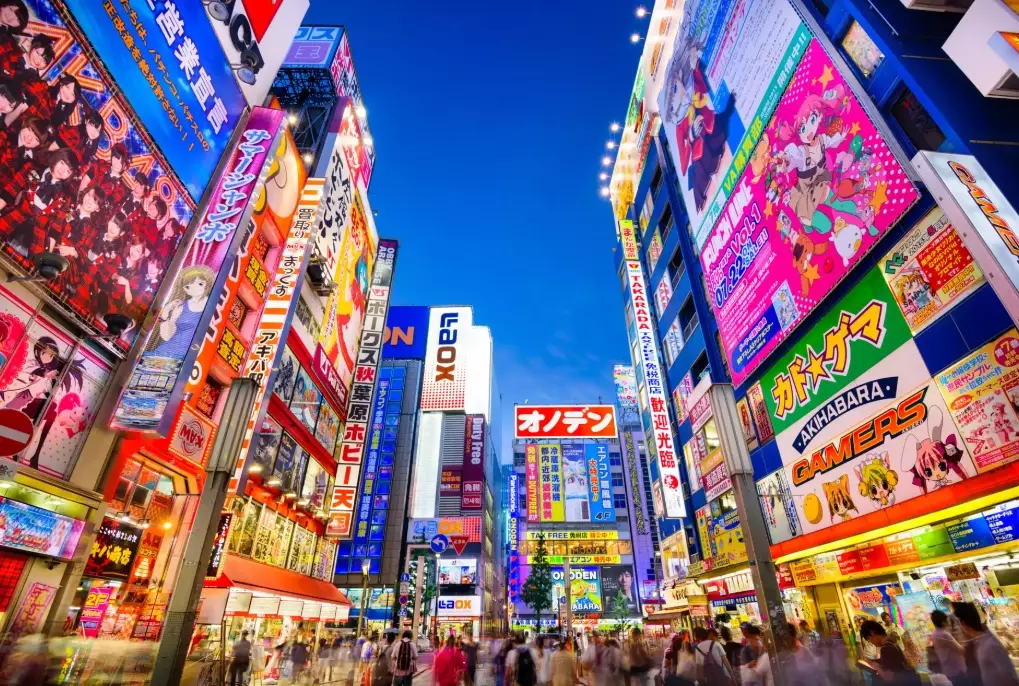
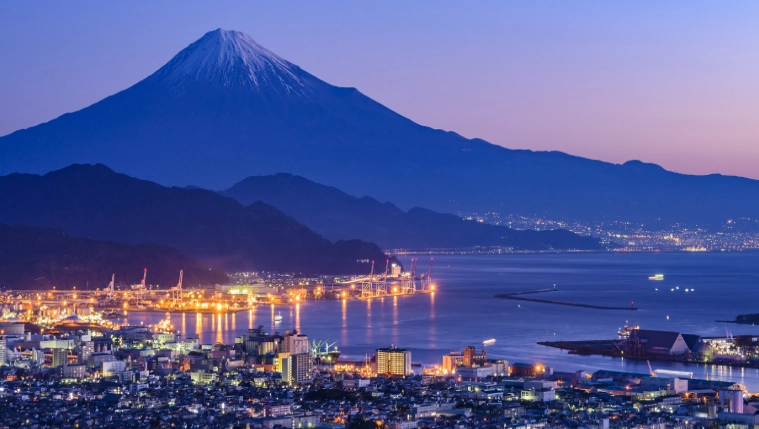
Days 5-6: Hakone / Fuji Five Lakes - Mountain Majesty
Activate your JR Pass (if using) and take the Odakyu Romancecar or JR train to Hakone. The goal here is relaxation and (hopefully) a view of Mount Fuji.
Day 5: The Hakone Loop. Buy the Hakone Free Pass for local transport. The classic loop: Hakone-Yumoto -> Lake Ashi pirate ship -> Hakone Ropeway -> Owakudani (try the black eggs) -> back. Soak in an onsen at your ryokan (traditional inn) in the evening. A great mid-range ryokan is Yama no Chaya (419-7 Miyanoshita). Expect ¥30,000-¥40,000 per person with dinner and breakfast.
Day 6: To Kyoto. Enjoy a leisurely morning. Take the direct Shinkansen from Odawara Station to Kyoto (about 2 hours). Check into your Kyoto hotel. Spend the evening exploring the lantern-lit streets of Pontocho Alley.
Days 7-10: Kyoto - The Heart of Tradition
Kyoto requires strategy. Temples open early. The key is to be at the most popular ones right at opening time.
Day 7: Arashiyama & Kinkaku-ji. Be at the Arashiyama Bamboo Grove by 7:30 AM to avoid the tour groups. Afterwards, visit Tenryu-ji Temple (68 Susukinobabacho, ¥500, 8:30 AM - 5:30 PM). In the afternoon, see the stunning Kinkaku-ji (the Golden Pavilion, 1 Kinkakujicho, ¥400, 9:00 AM - 5:00 PM).
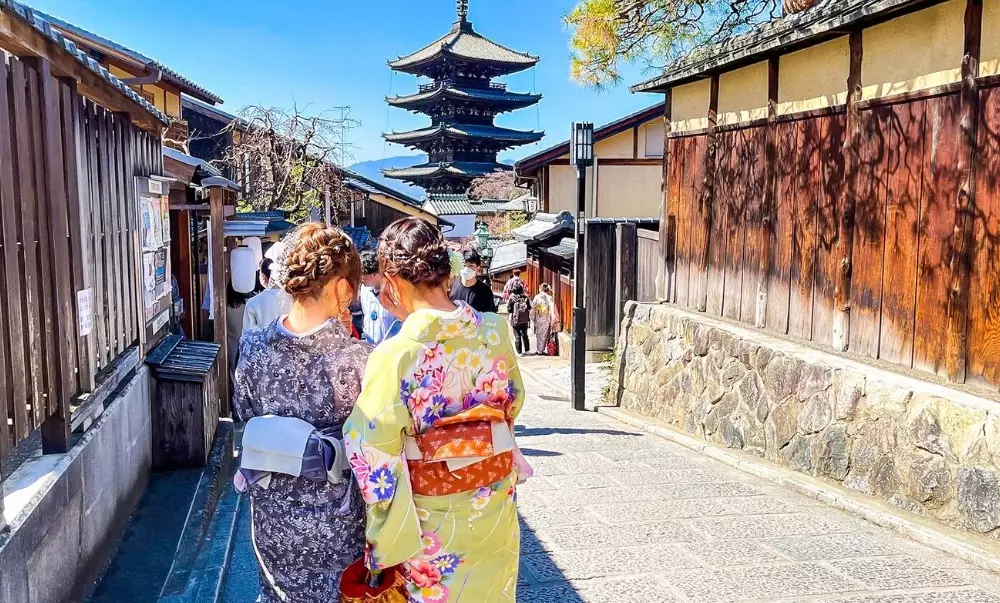
Day 8: Higashiyama District. Start at Kiyomizu-dera (1-294 Kiyomizu, ¥400, 6:00 AM - 6:00 PM). Walk down the historic Sannen-zaka and Ninen-zaka slopes. Continue to Yasaka Shrine and end in Gion. For lunch, try Okonomiyaki Katsu (Kyoto-style okonomiyaki, 101 Nakanocho, budget ¥1,500).
Day 9: Fushimi Inari & Downtown. Another early start for Fushimi Inari Shrine (68 Fukakusa Yabunouchicho, free, always open). Hike partway up the mountain of torii gates. Most people crowd the base; you'll have the path to yourself just 15 minutes up. Afternoon exploring Nishiki Market ("Kyoto's Kitchen") and the downtown shopping area.
Day 10: Day Trip to Nara. A short 45-minute train ride from Kyoto. Feed the (sometimes pushy) deer in Nara Park. The main event is Todai-ji Temple (406-1 Zoshicho, ¥600, 7:30 AM - 5:30 PM), housing a colossal bronze Buddha. Return to Kyoto for your last night there.
Days 11-13: Osaka - The Kitchen of Japan
Move to Osaka (30 min by train from Kyoto). Osaka is about food, fun, and a more laid-back vibe.
Day 11: Dotonbori & Shinsekai. Check into your Osaka hotel, preferably near Namba. Dive into Dotonbori in the evening. Try takoyaki from Kukuru or ramen at Ichiran (chain, but reliably good). Walk through the retro Shinsekai district.
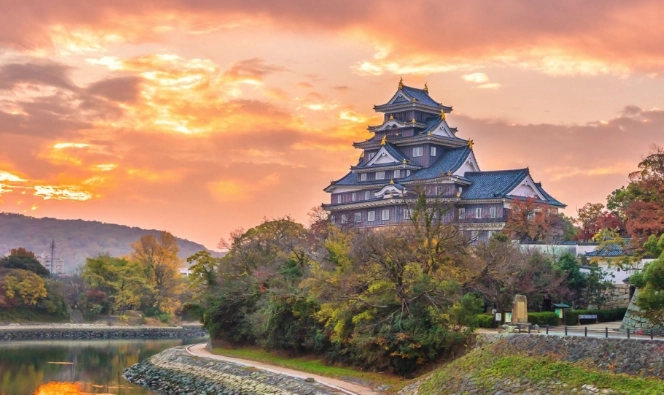
Day 12: Osaka Castle & Umeda. Visit Osaka Castle (1-1 Osakajo, ¥600, 9:00 AM - 5:00 PM). The museum inside is modern and informative. Head to Umeda for shopping and the floating garden observatory at the Umeda Sky Building.
Day 13: Universal Studios Japan or Himeji Day Trip. Choose your adventure. For pop culture, Universal Studios Japan (especially Super Nintendo World) needs advance tickets. For history, take a day trip to Himeji Castle (68 Honmachi, ¥1,000, 9:00 AM - 5:00 PM), Japan's most magnificent original castle (1-hour Shinkansen from Osaka).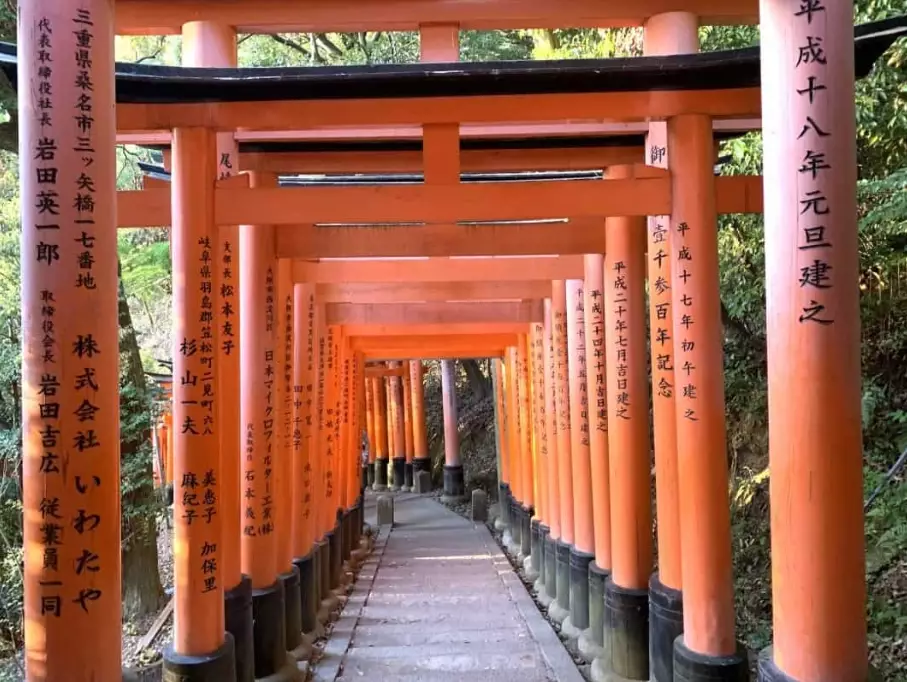
Day 14: Return to Tokyo & Departure
Take the morning Shinkansen from Osaka back to Tokyo (about 2.5 hours). Store your luggage in a coin locker at Tokyo Station. Do some last-minute souvenir shopping in the labyrinthine Tokyo Station Ichibangai or the nearby Ginza district. Head to Narita or Haneda airport with plenty of time for your evening flight.
Getting Around Japan: Transport Made Simple
Japan's train system is legendary but can intimidate newcomers. Here's the simple breakdown:
- IC Cards (Suica/Pasmo): Get one immediately upon arrival. Tap in and out for all subways, buses, and local trains in cities. You can also use them at convenience stores and vending machines.
- Shinkansen (Bullet Train): Reserved seats are best. With a JR Pass, you can book seats for free at the Midori-no-Madoguchi (ticket office) in any major station.
- Google Maps: It works flawlessly for train schedules, platform numbers, and walking directions in Japan. It's your single most important tool.
Japan Trip Budget and Insider Tips
Let's talk money. For a comfortable mid-range trip (like the one outlined), excluding international flights, budget roughly ¥12,000-¥18,000 per person per day. This covers decent hotels, train travel, temple entries, and eating well.
| City | Hotel Recommendation | Area | Price/Night (approx.) |
|---|---|---|---|
| Tokyo | Hotel Gracery Shinjuku | Shinjuku (near Godzilla!) | ¥15,000 - ¥20,000 |
| Hakone | Yama no Chaya | Miyanoshita | ¥30,000 - ¥40,000 (with meals) |
| Kyoto | Hotel The Celestine Kyoto Gion | Gion | ¥20,000 - ¥25,000 |
| Osaka | Hotel Nikko Osaka | Namba (connected to station) | ¥18,000 - ¥22,000 |
My biggest tip? Don't try to do everything. This itinerary is packed but realistic. If you're tired, skip a minor temple and just wander. Some of my best memories are from getting lost in a random Kyoto neighborhood or chatting with a shop owner in a quiet Osaka backstreet.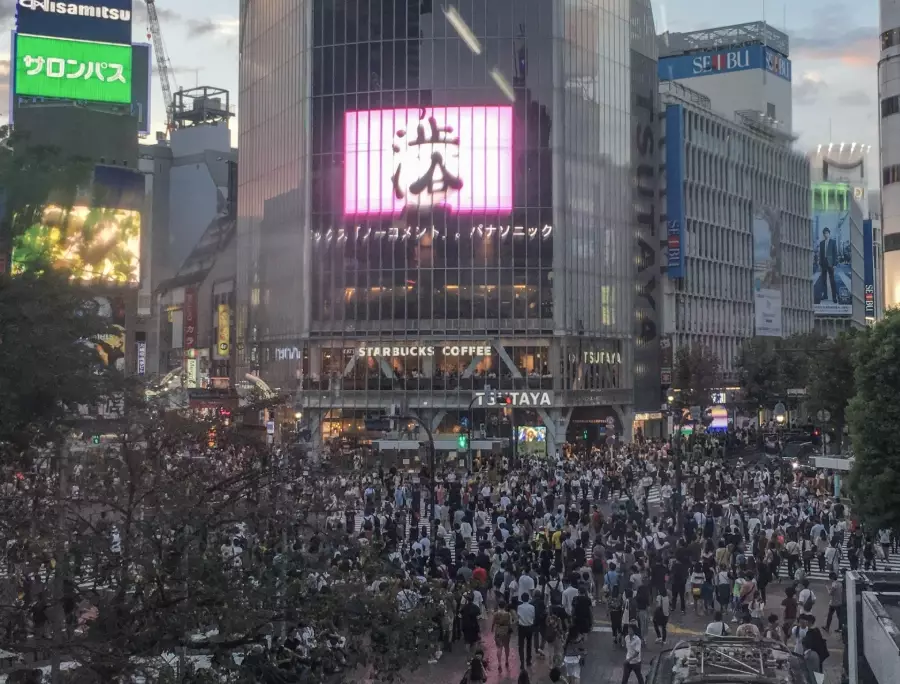
Japan Travel FAQs: Your Questions Answered
Is 14 days in Japan enough for Tokyo, Kyoto, and Osaka?
Absolutely, it's the ideal duration for a first trip covering this classic "Golden Route." It allows for 4-5 days in Tokyo, 4-5 days in Kyoto (including a day trip to Nara), 3 days in Osaka, and a couple of days for Hakone/Fuji. You get a substantial feel for each place without being overly rushed. Trying to add Hiroshima or Hokkaido would make it a stressful marathon.
What's the best way to avoid massive crowds at popular spots like Fushimi Inari or the Bamboo Grove?
Go at the opposite time everyone else does. For Fushimi Inari, most tour buses arrive between 10 AM and 2 PM. Be there at 7:30 AM or after 5 PM. For the Arashiyama Bamboo Grove, same rule: 7:30 AM. The light is beautiful, and you'll have the path mostly to yourself. Another trick for temples: many close around 5 PM. Going an hour before closing often means fewer people.
 I'm worried about the language barrier. Will I get by with just English?
You'll be fine. In major cities and tourist areas, signs are in English, and many restaurant menus have pictures or English translations. Train announcements are multilingual. Learn a few basic phrases like "arigatou gozaimasu" (thank you) and "sumimasen" (excuse me/sorry). People appreciate the effort. Google Translate's camera function is magic for translating signs and menus instantly.
Should I buy the Japan Rail Pass before my trip or just pay for trains as I go?
For this specific 14-day Tokyo-Kyoto-Osaka itinerary, calculate carefully. The nationwide 14-day JR Pass is expensive (around ¥47,000). Since your longest Shinkansen journeys are Tokyo->Hakone->Kyoto and Osaka->Tokyo, a 7-day pass activated on the day you leave Tokyo for Hakone often makes more sense. Use a JR Pass calculator online with your exact planned trips. If the numbers are close, the convenience of the pass is worth the slight premium.
What's a common mistake first-time visitors make with their Japan itinerary?
Over-scheduling. They block every hour with a temple or museum, leaving no room for spontaneity, jet lag, or just getting pleasantly lost. Japan's charm is often in the details: a serene garden you stumble upon, a tiny standing ramen bar, a department store food basement (depachika). Leave at least one afternoon or evening in each city completely unplanned. Trust me, you'll thank yourself later.
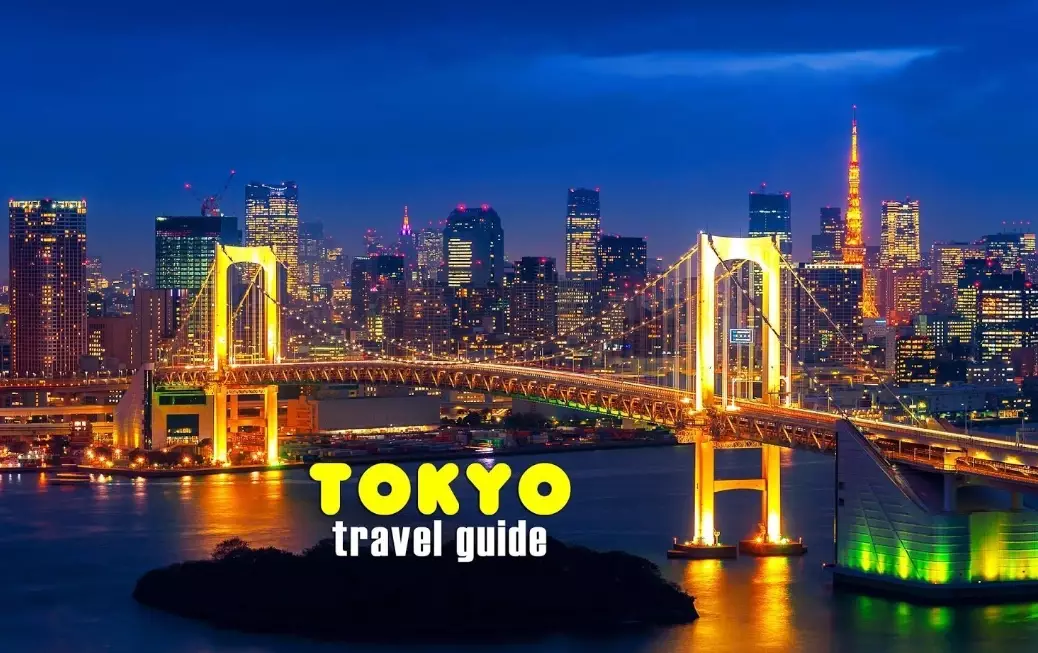 This 14-day Japan itinerary from Tokyo is a blueprint based on real travel experience. It hits the iconic sights while leaving room for you to discover your own favorite ramen shop or hidden temple garden. Japan is a country that rewards careful planning but also random exploration. Use this guide to structure your trip, then let the magic of the country fill in the spaces in between. Have an incredible journey.

Comments