Your Coastal Navigation Guide
So you're thinking about hitting the beaches in Japan? Great choice. But let me guess, you typed something like "Japan beaches best time to visit" into Google and got a bunch of generic answers that just say "summer." Yeah, that's not very helpful, is it? Japan is a long, skinny country stretching from subtropical islands in the south to near-Siberian climates in the north. Telling someone the best time to visit Japan beaches is like asking for the best time to visit beaches in the whole of Europe—it completely depends on where you go and what you want to do.
I've made the mistake of going to Okinawa in January, dreaming of winter sun, only to find it windy and a bit too chilly for my idea of beach lounging. I've also been to Kamakura in mid-August, where the sand was so hot it felt like walking on coals and the water was packed tighter than a Tokyo subway. There's a better way to plan this.
This guide is here to cut through the noise. We're going to break it down by region, by month, and by activity. Want to know when the water is warmest for swimming in Shirahama? When the crowds thin out in Enoshima? Or when you can surf big waves in Chiba? We've got you covered. Think of this as your personal cheat sheet for planning the ultimate Japanese beach trip, whether you're after a party vibe, secluded coves, or just a peaceful sunset stroll.
Why "Summer" is a Vague (and Often Wrong) Answer
Everyone defaults to summer. June to August. It seems logical. But Japan's summer, especially on the main islands of Honshu, Shikoku, and Kyushu, comes with two major caveats: the Rainy Season (Tsuyu) and blistering, humid heat.
The rainy season typically runs from early June to mid-July for most of the country south of Hokkaido. This isn't just occasional showers. We're talking about grey, drizzly, persistently wet days that can last for weeks. Not exactly ideal beach weather. The humidity that follows in July and August is intense. Think 35°C (95°F) with 80%+ humidity. It's great for a quick dip, but lying on the beach can feel exhausting.
And then there are the crowds. Obon festival in mid-August is one of Japan's biggest travel periods. Domestic tourists flock to coastal areas, driving up prices and packing out beaches. If you don't mind the heat and the people, the water is certainly warm. But if you're looking for a tranquil escape, this might be your worst bet.
So, if not just summer, then when? The answer is beautifully complex and requires us to look at the map.
A Regional Breakdown: From Tropical Okinawa to Rugged Hokkaido
This is the heart of figuring out the best time to visit Japan beaches. You have to pick your coast first. The country's geography creates wildly different climates.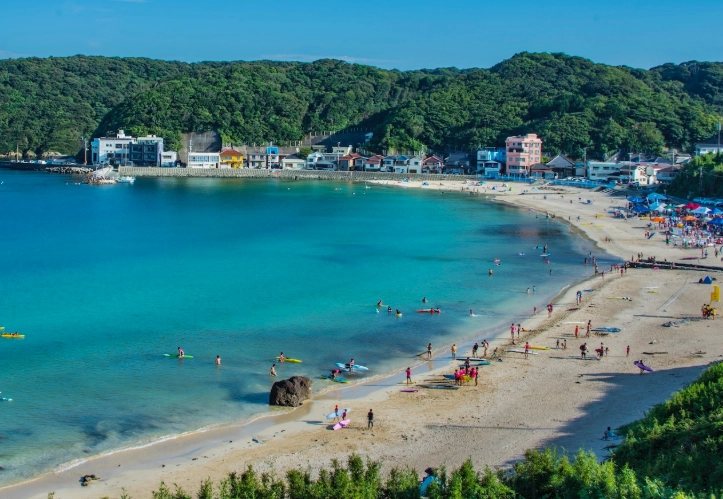
Okinawa & the Southwest Islands (Subtropical Paradise)
This is Japan's tropical zone. White sand, turquoise water, and coral reefs. The season here is long, but it has its own nuances.
Prime Time: Late March through June, and October through November. These shoulder seasons are absolute gold. You avoid the peak summer heat, the rainy season (which is earlier and different here), and the typhoon risk. The air temperature is in the pleasant mid-20s°C (70s°F), the water is warm enough for swimming (low to mid-20s°C), and the sunshine is plentiful. I visited Ishigaki in early November once, and it was perfect—warm days, comfortably cool evenings, and barely any rain.
Summer (July-September): Hot, humid, and smack in the middle of typhoon season. The sea is bath-like, but the risk of your plans being disrupted by a storm is real. It's also peak domestic vacation time. Beaches like Manza Beach can get busy.
Winter (December-February): Don't write it off completely! While swimming might be brisk for most (water temps dip to around 20°C/68°F), the air is often sunny and warm compared to mainland Japan (around 18-20°C/64-68°F). It's fantastic for beachcombing, hiking coastal trails, and enjoying the islands without crowds. Just pack a wetsuit if you want to snorkel.
For Okinawa, the search for the "best time to visit Japan beaches" often leads to these calm shoulder months.
Kyushu, Shikoku & the Pacific Coast of Honshu (The Mainland Favorites)
This encompasses famous spots like Shirahama in Wakayama, the Izu Peninsula, the beaches near Osaka and Kyoto (like Shirahama again, or Suma), and the coasts of Kochi and Miyazaki. This is where the classic Japanese beach holiday happens.
Prime Time: July and August for swimming, September for a balance. Let's be real, this is where the "summer" answer is most correct—but with a asterisk. The water finally warms up to comfortable levels (23-27°C/73-81°F) only by mid-to-late July. August is hot and crowded, but the sea is perfect. My personal hack? Early September. The Obon crowds have gone home, the water is at its absolute warmest (having been heated up all summer), and the air, while still warm, starts to lose that oppressive August edge. The typhoon risk is higher, though.
The Shoulder (May-June, late Sept-Oct): May can be lovely for sunbathing, but the ocean is still cold for most. June is the rainy season. Late September and October offer gorgeous weather on land, but the ocean begins to cool rapidly. Great for surfers who prefer fewer people in the water.
Winter/Spring: Not for swimming, but some beaches, like the black sand shores of Izu, are stunning and dramatic in the winter light. Completely deserted.
A Quick Reality Check: Many city beaches near Tokyo and Osaka (like Odaiba or Maishima) are man-made and can feel more like a crowded public pool than a natural getaway. They serve a purpose for a quick cool-down, but for a true beach experience, you'll want to travel a bit further out to the Izu or Boso Peninsulas, or down to Wakayama.
The Sea of Japan Coast (Snowy Winters, Sunny Summers)
This is the west coast, facing Korea. Think places like the Tottori Sand Dunes, the Echigo coast in Niigata, or the remote beaches of the Noto Peninsula. The climate here is almost the opposite of the Pacific side.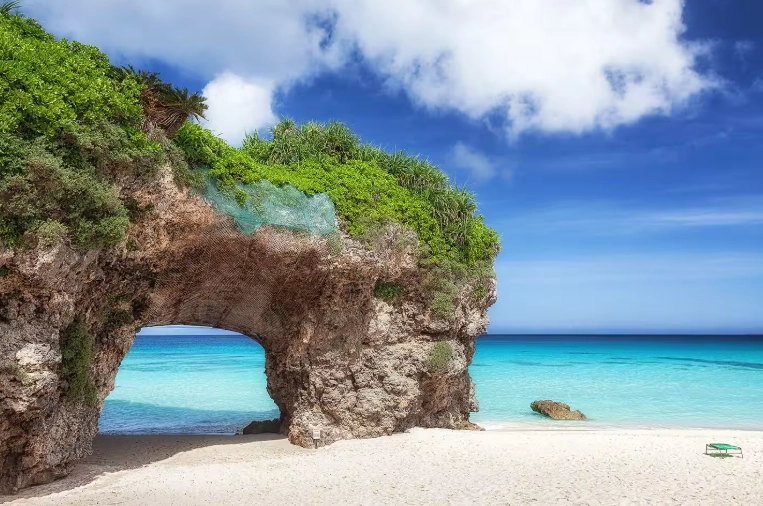
Prime Time: July and August. This coast gets hammered by snow and clouds in winter but is often blessed with clear, sunny, and slightly less humid summers than the Pacific side. The water of the Sea of Japan is generally a bit cooler than the Pacific at the same latitude, but still very swimmable in high summer. The beaches here are often less developed and crowded, offering a more rugged, natural feel.
Key Consideration: The sunshine in summer is reliable, but the water warms up a little later. It's a fantastic alternative if you want to avoid the sticky humidity of Tokyo or Osaka while still getting a beach fix.
Hokkaido (The Wild Card)
Yes, Hokkaido has beaches! Don't expect palm trees. Think dramatic cliffs, volcanic sand, and water that only the brave (or wetsuit-clad) enter. The most famous is probably the scenic coastline around Shakotan Peninsula or the calmer waters of Toyako Lake (not the sea, but a great beach vibe).
Prime Time: August, and only August. Seriously, the window is tiny. Hokkaido escapes most of Japan's rainy season and humidity, but its summers are short. July can still be cool. By late August, the air starts to get crisp. The water temperature peaks at a bracing 18-20°C (64-68°F) at best. This is not a tropical swim destination. It's for stunning coastal drives, fresh seafood at beachside shacks, and enjoying the completely uncrowded, windswept scenery. If you're in Hokkaido in summer, a beach visit is a unique experience, but manage your expectations about taking a dip.
The Month-by-Month Beach Calendar
To make planning visual, here's a quick-glance table. Remember, "Good" means generally favorable conditions for beach activities (sunbathing, swimming), not necessarily perfect.
| Month | Okinawa & South | Kyushu/Shikoku/Pacific Coast | Sea of Japan Coast | Hokkaido | Vibe & Notes |
|---|---|---|---|---|---|
| Jan-Feb | Mild, sunny, cool water. Good for escape. | Cold, windy. Not for beachgoing. | Snowy, harsh. No. | Frozen coast. Scenic but not for beaches. | Dead of winter. Only Okinawa is an option for warmth. |
| March | Warming up nicely. Water still cool. Good shoulder start. | Chilly. Cherry blossoms by late March inland. | Still cold. | Still winter. | Spring begins south. Beach time starts in Okinawa. |
| April | Very pleasant. Water warming. Great time. | Pleasant air, cold sea. Golden Week chaos at end. | Cool. | Thawing, still cold. | Golden Week (late Apr-early May) = AVOID. Nationwide travel chaos. |
| May | Excellent. Warm air, comfortable water before humidity. | Lovely sunny days. Ocean still brisk for most. | Becoming pleasant. | Spring finally arrives. Cool. | One of the best months for Okinawa. Mainland good for sunbathing. |
| June | Start of rainy season (until ~mid-June). Humid. | Rainy Season (Tsuyu). Grey, wet, not ideal. | Less rain than Pacific side. | Mild, pleasant. | Wettest month for most. Generally poor beach weather mainland. |
| July | Hot, humid, typhoon risk. Warm sea. | Rainy season ends mid-month. Beach season kicks off! | Sunny, pleasant. Good beach weather starts. | Warm, pleasant days. Cool water. | Marine Day holiday (3rd Mon) = busy beaches. Mainland season begins. |
| August | Peak heat, humidity, typhoons, crowds. | Peak heat, humidity, and OBON CROWDS. Warm sea. | Sunny, warm, less humid. Good alternative. | Best (only) time for Hokkaido beaches. Short window. | The busiest, hottest month. Plan accordingly. |
| September | Typhoon peak. Still hot early on. | Secret Prime Time. Warm water, fewer crowds post-Obon. | Still good early month. Cools faster. | Rapidly cooling. Autumn scenery. | My top pick for mainland beaches. But watch typhoon forecasts. |
| October | Typhoon risk drops. Weather becomes excellent again. | Beautiful autumn weather. Ocean cooling. | Cool. | Cold. | Another excellent month for Okinawa. Mainland for scenery, not swimming. |
| November | Very pleasant. Ideal shoulder season. | Cool, crisp. Not for swimming. | Cold. | Winter begins. | Last call for warm-ish water in Okinawa. Perfect for exploration. |
| December | Mild, sunny. Cool water. Christmas getaway. | Cold. | Snowy. | Snow and ice. | Okinawa remains a sunny winter escape option. |
Pro Tip: Always check the specific forecast for typhoons if traveling between July and October, especially for Okinawa and the southern islands. The Japan Meteorological Agency website is the most authoritative source.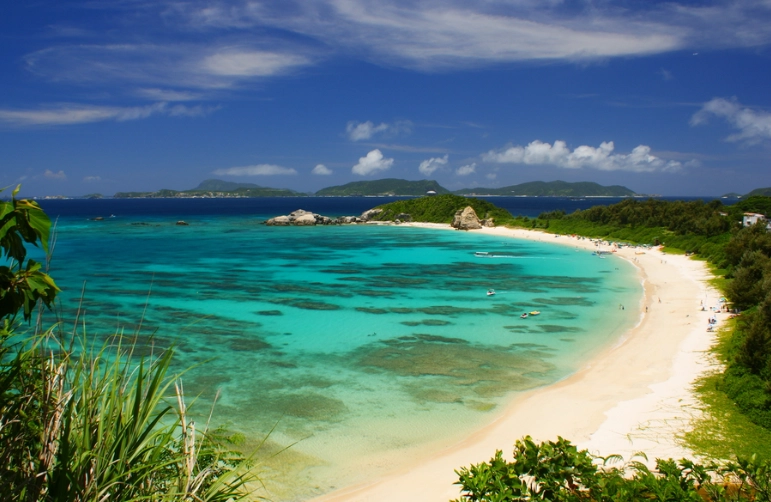
Beyond Swimming: Matching Activity to Season
Your ideal "best time to visit Japan beaches" shifts dramatically based on what you plan to do there.
For Swimmers & Snorkelers
You need warm water (above 25°C/77°F is comfortable for most). This means:
- Okinawa: May-June and October-November (water 25-28°C).
- Mainland Pacific Coast: Late July through early September (water 25-27°C).
- The Sea of Japan coast and Hokkaido are challenging for extended swimming.
For Surfers
Japan has a fantastic surf scene! Seasons vary by coast.
- Pacific Coast (Chiba, Shonan, Izu): Best waves are often in autumn/winter/spring. Typhoons in late summer/autumn can bring big swells. Summer often has smaller, cleaner waves for beginners. The water is cold in winter, so a good wetsuit is essential. The Surfing Japan community site has spot guides.
- Sea of Japan Coast: Winter sees the biggest waves, but it's seriously cold and for experts only.
For Sunbathers & Relaxers
You prioritize sunny, warm days without extreme humidity or crowds.
- Okinawa: March-May, October-November.
- Mainland: May (pre-rainy season), late September-October.
- Avoid mid-August at all costs if you hate crowds.
For Beach Hikers & Sightseers
You're there for the scenery, coastal walks, and photography.
- Any time outside of peak summer heat and rain is good. Spring (April-May) and autumn (October-November) offer the most comfortable temperatures for hiking. Winter can provide stunning, moody landscapes on coasts like Izu or Tottori, completely devoid of people.
Answering Your Burning Questions (FAQ)
Cultural Note: Tattoos can still be a sensitive issue in Japan. While increasingly accepted, especially among younger people and in tourist areas, you might be asked to cover up if you have visible tattoos at a public beach or, more likely, at the attached public bathhouse (onsen) or swimming pool facility. It's good to be aware.
Putting It All Together: My Personal Recommendations
After all this, if you're still asking for the single best time to visit Japan beaches, here's my blunt advice:
For the First-Timer wanting the classic experience: Aim for the last week of July or the first week of September. You'll get warm water on the mainland without the absolute peak Obon crowds of mid-August. Pick a beach on the Izu or Boso Peninsula.
For the Crowd-Hater & Value Seeker: Late May or late September/early October. You'll sacrifice a degree of water warmth (especially in May), but you'll have space, better prices on accommodation, and glorious weather. Focus on Okinawa in these periods for the warmest water.
For the Adventurer not focused on swimming: April or November. Explore the dramatic coastlines of the Noto Peninsula, the Izu coast, or the Shakotan Peninsula in Hokkaido. You'll have them mostly to yourself under crisp, clear skies.
Figuring out the best time to visit Japan beaches isn't about finding one magic month. It's about aligning the climate of a specific region with your personal comfort zone and holiday dreams. Whether that's snorkeling in coral reefs in October, surfing a typhoon swell in September, or simply finding a quiet patch of sand to read a book in May, Japan has a coastal season for you. You just have to know where—and when—to look.
Start with the region that calls to you, cross-reference it with the monthly table, and book your ticket. The perfect Japanese beach day is waiting.


Comments