Explore Akita: Quick Guide
Let's be honest. When most people think of Japan, their minds jump straight to the neon buzz of Tokyo, the temples of Kyoto, or maybe the street food of Osaka. I get it. Those places are amazing. But after spending a good chunk of time wandering around the country, I've found that the real magic often lies off the bullet train's main track, in places that haven't been polished solely for tourist consumption. That's where Akita comes in.
Nestled in the Tohoku region in northern Honshu, Akita Prefecture feels like a different world. It's a place of raw, dramatic nature, deep-rooted traditions that feel alive, and a pace of life that lets you actually breathe. If you're tired of fighting crowds for the perfect photo and are looking for an experience that feels genuine, you're in the right place. Figuring out the best Akita prefecture things to do is about connecting with a side of Japan that many visitors miss entirely.
What Makes Akita Special? The Vibe Check
Before we dive into the specific activities, it helps to understand Akita's character. This isn't a compact urban playground. It's a sprawling prefecture dominated by nature. You've got the Dewa Mountains running down the middle, the serene Sea of Japan coast to the west, and vast expanses of rice fields that turn brilliant gold in autumn. The climate has four distinct, powerful seasons, and each one completely transforms the landscape and the list of possible things to do.
The people here are known for being reserved but profoundly warm once you connect—a classic Tohoku trait. And the culture? It's preserved out of lived tradition, not just for show. You'll see it in the fierce dedication of the Kanto festival performers, taste it in the pristine local ingredients, and feel it in the quiet dignity of places like Kakunodate's samurai district.
So, pack your sense of adventure and maybe a good pair of walking shoes. Let's get into it.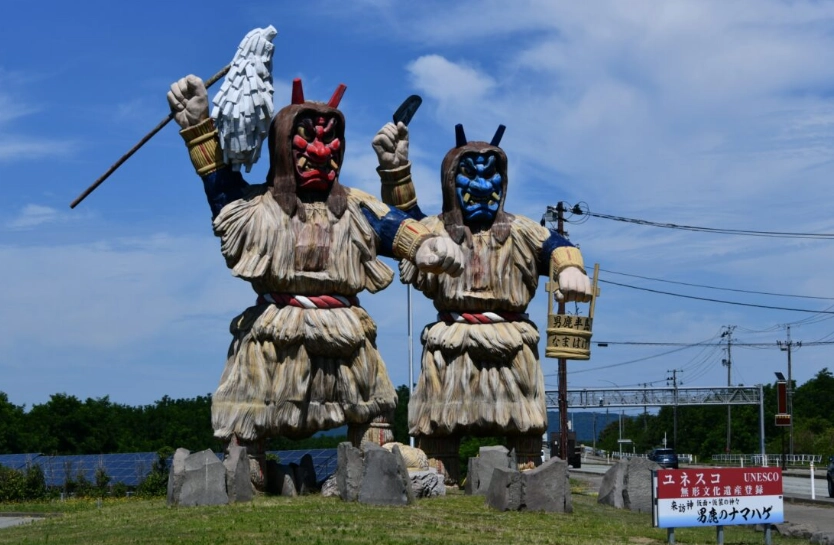
Top Tier: The Non-Negotiable Akita Experiences
These are the activities that should form the backbone of your itinerary. If you only have a few days, start here.
1. Get Mesmerized by the Kanto Festival (or Any Matsuri)
If your trip aligns with early August (specifically August 3-6), consider your plans set. The Akita Kanto Festival in Akita City is one of Tohoku's Big Three Festivals, and for good reason. It's not just a parade; it's a breathtaking display of skill, balance, and prayer. Performers called sashite balance enormous bamboo poles (kanto) laden with up to 46 paper lanterns on their foreheads, hips, or shoulders. The poles can weigh over 50 kilograms. Watching a line of them moving in unison through the dark streets, the lanterns swaying like fields of fireflies, is pure magic.
Can't make it in August? Don't sweat it. Akita is matsuri central. The Namahage Sedo Festival in Oga (mid-February) features terrifying demon-like deities (Namahage) who visit homes to scare laziness out of children—a UNESCO Intangible Cultural Heritage. The Yokote Kamakura Festival (mid-February) transforms the city into a wonderland of snow huts (kamakura) lit from within, where you can sit inside, eat sweet mochi, and drink amazake. Each festival offers a completely unique slice of local belief and community spirit.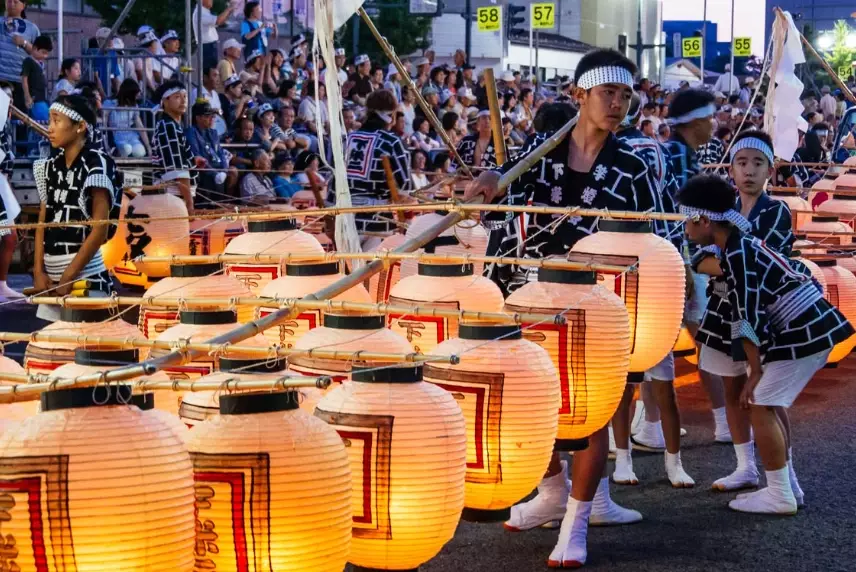
2. Soak Your Cares Away in a Legendary Hot Spring (Onsen)
Japan has countless onsens, but Akita's are special. The mineral-rich waters and often remote, atmospheric settings are hard to beat. This is a cornerstone of any relaxation-focused list of Akita prefecture things to do.
Nyuto Onsen Village, nestled in the mountains near Lake Tazawa, is the crown jewel. It's not a single resort but a collection of several historic, family-run bathhouses (ryokan), each with its own character and water source. The water is often milky-white due to sulfur and other minerals, said to be great for the skin. Staying overnight at a place like Tsurunoyu (with its iconic mixed-gender outdoor bath shrouded in steam) is a bucket-list experience. You're in the middle of a forest, completely disconnected.
Other fantastic options include Tamagawa Onsen, which boasts the highest natural flow of acidic water in Japan (powerful stuff!), and the charming coastal Tsurumai Onsen in Oga. For a truly unique experience, try the Asamushi Onsen ("Shallow-Breathe Hot Spring") at the foot of Mt. Kampu in Oga—the carbon dioxide-rich water is said to make you feel like you're breathing lightly.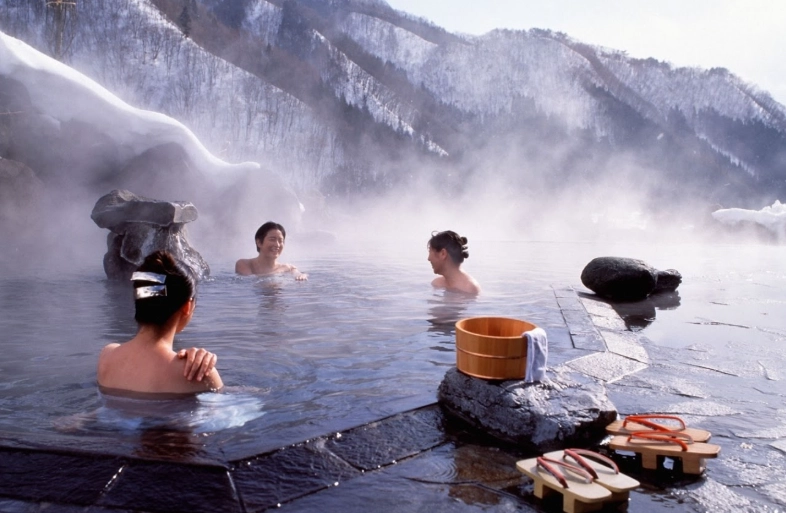
3. Meet the Icon: The Akita Inu
You know the dog. The dignified, fluffy, incredibly loyal breed immortalized by Hachiko. Akita is its birthplace, and connecting with these majestic animals is a must. The best place to do this is at the Akita Dog Preservation Society (Akita Inu Hozonkai) in Odate City. It's less of a typical tourist attraction and more of a dedicated facility for preserving the breed's standards. You can see Akita dogs up close in their kennels, and if you're lucky, you might see staff walking them or even catch one of the special viewing events.
It's a simple visit, but for dog lovers, it's profoundly cool to see these animals in their homeland. The staff are passionate, and you can learn about the breed's history, which is intertwined with Akita's own. Just remember, they are working preservation dogs, not a petting zoo, so always be respectful and follow the rules.
Seeing an Akita Inu in Akita just feels right.
Season by Season: What to Do and When
Your ideal list of Akita prefecture things to do will change dramatically with the seasons. Here’s a breakdown to help you plan.
| Season | Best For | Top Activities & Events | What to Know |
|---|---|---|---|
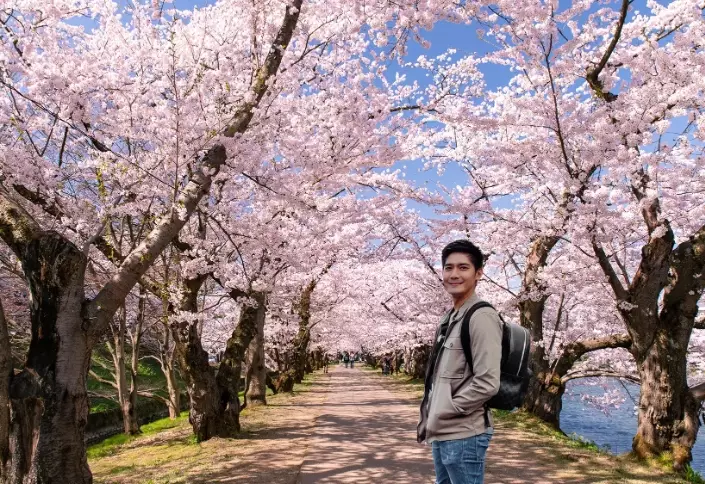
| Spring (Apr-May) | Cherry blossoms, fresh greenery, comfortable temps. | Hanami at Kakunodate's Bukeyashiki-dori (Samurai District) or Senshu Park. Hiking in Lake Tazawa/Towada area as snow melts. Visiting fruit orchards. | Late April is peak sakura. Can still be chilly, especially at night. A lovely, quiet time to visit. |
| Summer (Jun-Aug) | Festivals! Lush green landscapes, hiking, lake activities. | Akita Kanto Festival (Aug). Hiking in Shirakami-Sanchi (UNESCO site). Boating on Lake Tazawa. Oga Peninsula coastal drives. | Hot and humid. Festival accommodations book out *extremely* early. Mountains offer cooler escape. |
| Autumn (Sep-Nov) | Stunning fall foliage, harvest season, great food. | Koyo (autumn leaves) viewing at Lake Tazawa, Oga, and mountains. Rice harvest scenes. Savoring new seasonal foods like mushrooms and sanma fish. | Peak foliage is usually late Oct to early Nov. Weather is perfect—crisp and clear. My personal favorite season. |
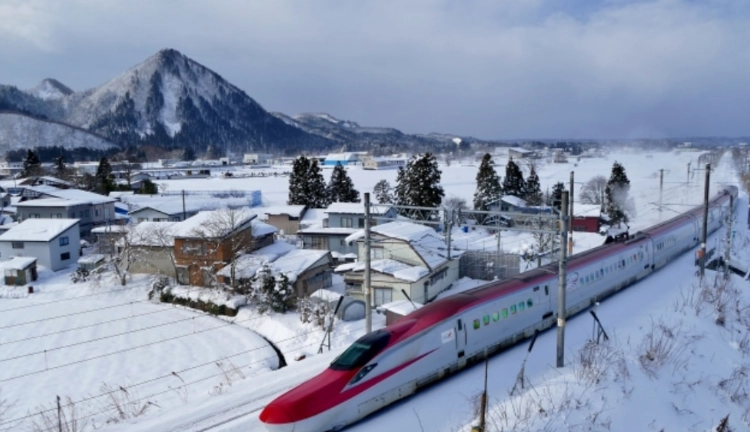
| Winter (Dec-Mar) | Snowscapes, winter festivals, onsen hopping, skiing. | Yokote Kamakura Festival (Feb). Snow monsters on Mt. Moriyoshi. Skiing at Tazawako or Ani ski areas. Cozy onsen stays with rotenburo (outdoor baths). | Heavy snow, especially inland. Rental car may require snow tires/chains. Public transport can be less frequent. Pack for serious cold. |
Beyond the Big Three: Deep Dives into Culture, Nature & Food
For History & Culture Buffs
Kakunodate: Often called the "Little Kyoto of Tohoku," but that sells it short. This former castle town is famous for its beautifully preserved Bukeyashiki-dori, a street lined with old samurai residences. The black wooden fences, imposing gates, and carefully tended gardens (spectacular in cherry blossom and autumn) transport you back centuries. The Aoyagi House and Ishiguro House are open to the public as museums, showcasing samurai life, armor, and heirlooms. It’s a peaceful, elegant place to wander.
Oga Peninsula: Beyond the Namahage, this rugged peninsula has a mysterious, almost mystical atmosphere. Visit the Gozanoishi Shrine, precariously perched on cliffs overlooking the sea, accessible by a long staircase. The Oga Shinzan Folklore Museum has excellent exhibits on Namahage culture. Driving the coastal roads here, with the sea on one side and strange rock formations on the other, is an adventure in itself.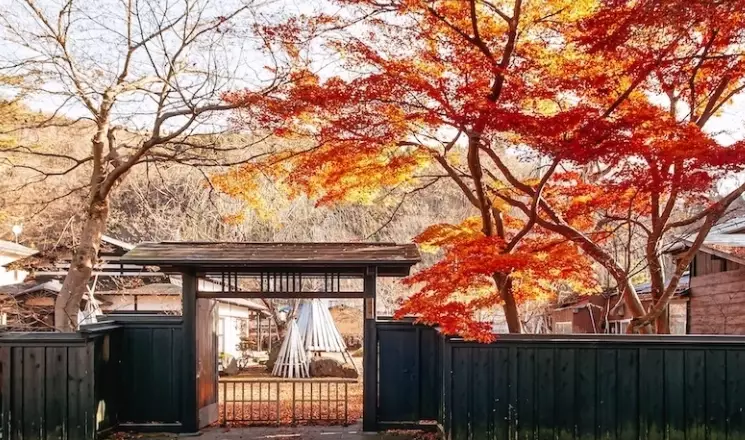
For Nature Lovers & Hikers
Lake Tazawa (Tazawako): Japan's deepest lake (423 meters). Its water is a stunning, almost unreal shade of cobalt blue, incredibly clear and cold. You can rent bicycles, take a sightseeing boat, or just stroll along the shores. The statue of Komen, the legendary maiden, is a popular photo spot. It's the centerpiece of a gorgeous area that includes the nearby Tazawako Ski Area and Nyuto Onsen.
Shirakami-Sanchi: A vast, UNESCO World Heritage listed wilderness of virgin beech forest that straddles Akita and Aomori prefectures. For accessible taste, head to the Shirakami-Sanchi Visitor Center near Fujisato or walk the well-maintained Anmon-no-Taki (Three Waterfalls) Trail. The forest is dense, green, and humming with life. Serious hikers can embark on multi-day treks into the core zone.
Mt. Chokai & the Coast: The imposing, often snow-capped Mt. Chokai dominates the southern skyline. The Hachirogata Lagoon area, once Japan's largest lake now largely reclaimed, offers unique flat landscapes for cycling. The western coastline has dramatic rock formations like the Matoi-iwa in Oga.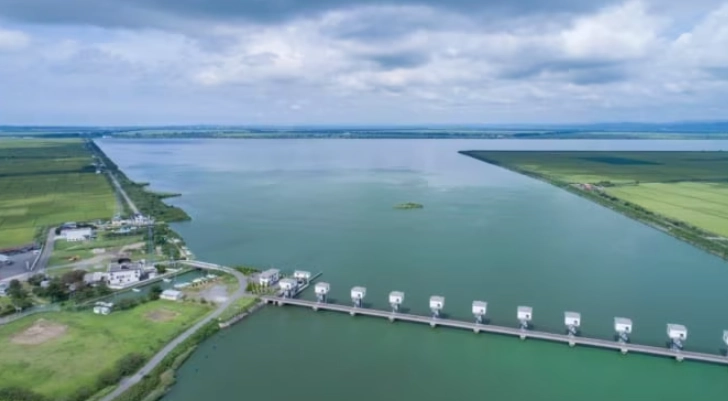
For Foodies (This is a Major Category!)
Akita's cuisine is hearty, flavorful, and built on superb local ingredients. Any search for Akita prefecture things to do must include eating.
- Kiritanpo: The undisputed local star. Pounded rice molded around cedar sticks, grilled, and then often stewed in a hearty pot (kiritanpo-nabe) with chicken, burdock root, mushrooms, and vegetables. It's the ultimate comfort food, especially in winter. You can try making your own at some restaurants like Senshu Park's Kiritanpo House.
- Inaniwa Udon: While technically from neighboring Yuzawa (which was historically part of Akita domain), this thin, smooth, and elegantly chewy handmade udon is a regional treasure. It's a world apart from thick, doughy udon. Eat it cold with a dipping sauce or in a simple hot broth.
- Hatahata (Sandfish): A winter delicacy from the Sea of Japan. It's often dried, grilled, or used to make a unique fermented fish rice dish called shottsuru. An acquired taste for some, but a deep part of the coastal food culture.
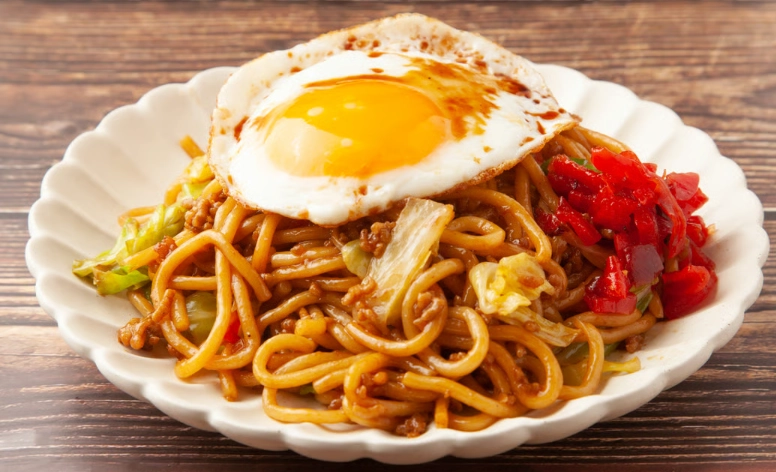
- Yokote Yakisoba: A specific style of fried noodles from Yokote City, featuring a thick, sweet-and-savory sauce, tender cabbage, and a signature pink pickled ginger. Served at the Kamakura Festival and available year-round.
- Akita Sake: The clean water and high-quality rice (like the famous Akitakomachi) make for excellent sake. Breweries like Aramasa, Akita Seishu, and Kudoki Jozu are winning national awards. Sake tasting is a fantastic activity.
Practical Info & Itinerary Ideas
Okay, you're sold on the experiences. Now, how do you make it happen?
Sample 3-Day Itinerary (Using Rental Car):
- Day 1: Arrive at Akita Station. Pick up car. Drive to Kakunodate (1.5 hrs). Explore samurai district. Have lunch (try Inaniwa udon). Drive to Lake Tazawa, stroll lakeshore. Check into a ryokan at Nyuto Onsen Village for the night. Soak in onsen, enjoy kaiseki dinner.
- Day 2: Morning soak. Drive to Oga Peninsula (1.5 hrs). Visit Gozanoishi Shrine, Oga Shinzan Museum. Have a seafood lunch. Drive to Akita City (1.5 hrs). Check into city hotel. Evening: Explore Akita City, maybe visit the Akita Museum of Art (famous for a huge painting by local artist Fujita Tsuguharu) or enjoy local sake bars.
- Day 3: Visit Senshu Park (site of Kubota Castle). See the Akita City Folklore Museum. Have kiritanpo-nabe for lunch. Depending on time, visit the Akita Dog Preservation Society in Odate (1 hr north) or do some souvenir shopping before returning car and catching Shinkansen.
Sample 5-Day Itinerary (Deeper Dive): Add a night in a coastal town like Oga or Happo. Include a day for hiking in Shirakami-Sanchi or around Mt. Chokai. Visit Yokote if in winter for the Kamakura Festival. Add a sake brewery tour.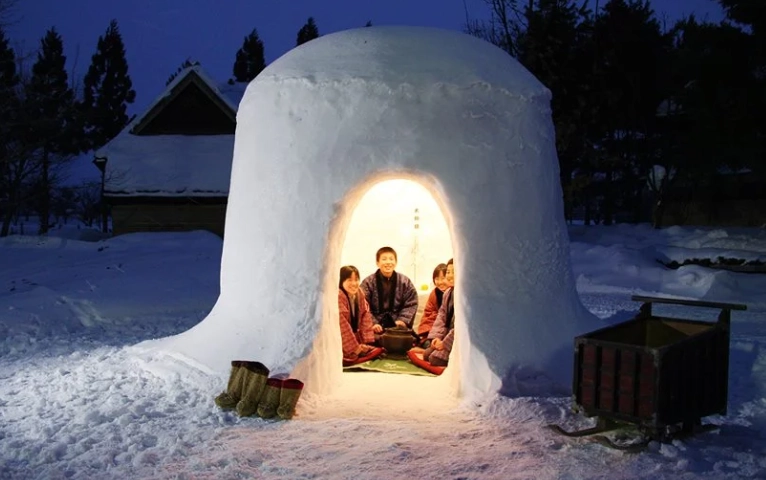
Final Thoughts & Local Resources
Planning your Akita prefecture things to do is part of the fun. Embrace the fact that you might not see everything. Pick a theme—onsen relaxation, festival energy, hiking, or food—and build around it.
For the most accurate and up-to-date information, always check official sources. The Akita Prefectural Government website has a tourism section. The Japan National Tourism Organization (JNTO) page on Akita is another excellent starting point for general info. For specific festival dates and details, always search for the festival's own official site or the city's tourism page, as dates can shift slightly year to year.
Akita doesn't shout for your attention. It waits for you to discover it. And when you do, it leaves a quiet, lasting impression that’s hard to find in more crowded destinations. So go on, venture north. You might just find your favorite part of Japan.

Comments