Quick Guide to Akita
- The Natural Wonders: Where Akita's Beauty Lies
- The Cultural and Historical Heartbeat
- The Famous Food and Drink: A Culinary Identity
- The Icons: Akita Dogs and Hot Springs
- Practical Guide: Answering Your Travel Questions
- Common Questions About Akita Prefecture
- Final Thoughts on What Akita is All About
So you're planning a trip up north in Japan, or maybe you just stumbled upon the name and got curious. Akita Prefecture. It pops up sometimes when people talk about beautiful nature, loyal dogs, or crazy festivals. But what is Akita Prefecture really known for? Is it just one thing, or a whole bunch of stuff that somehow fits together in this corner of the Tohoku region?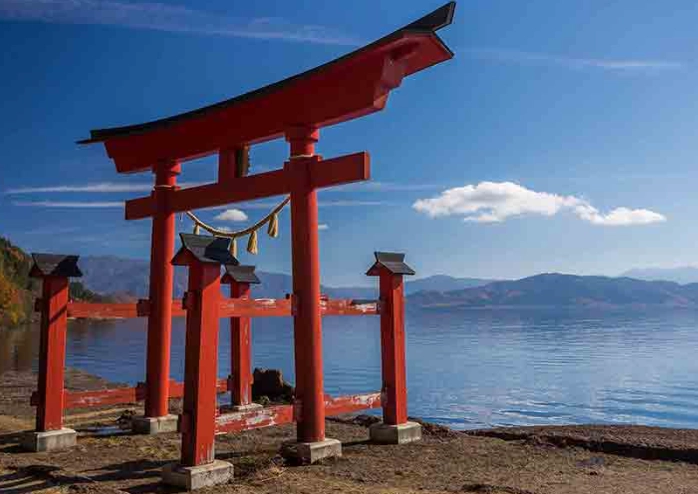
Let me tell you, it's the latter. I spent a good chunk of time there a while back, partly to escape the Tokyo bustle, and what I found wasn't just a list of tourist attractions. It was a feeling. A mix of rugged landscapes, seriously hearty food, and traditions that feel alive, not just performed. If you're looking for the polished, neon-lit Japan, you might want to turn around. But if you want depth, authenticity, and places that make you feel like you've discovered something, keep reading.
The Natural Wonders: Where Akita's Beauty Lies
First things first, Akita's scenery sets the stage for everything else. This isn't gentle, rolling-hill countryside. It's dramatic, often moody, and incredibly beautiful in a way that gets under your skin.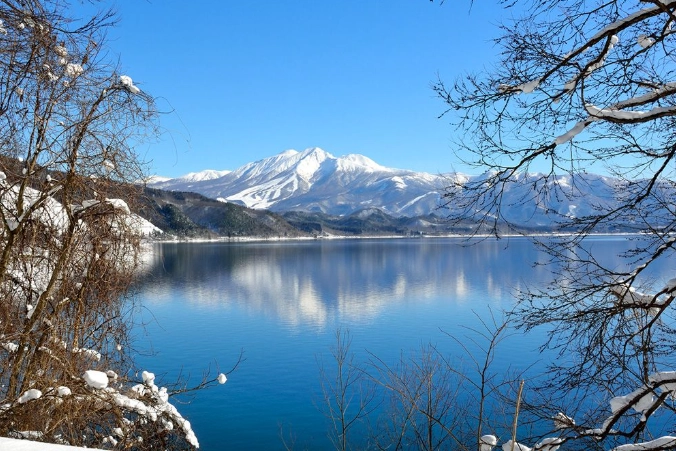
Lake Tazawa: Japan's Deepest Blue
You'll see Lake Tazawa on every poster. And for good reason. It's the deepest lake in all of Japan, and that depth gives it an almost unreal cobalt blue color. The water is so clear and so vividly blue it looks Photoshopped when you first see it. I remember standing there thinking, "Okay, this is one instance where the pictures don't lie." You can drive around it, rent a bike, or just sit by the shore near the famous golden statue of Tatsuko, a figure from a local legend about the lake's creation. The surrounding mountains, especially in autumn, make it a perfect picture. But here's a less glamorous note: the lakeside resort area can feel a bit quiet, almost sleepy, outside peak seasons. Don't go expecting a bustling waterfront.
The Oga Peninsula and the Namahage
This rugged peninsula jutting into the Sea of Japan is wild. Wind-swept, with dramatic cliffs and a kind of raw energy. But the Oga Peninsula is arguably more famous for what happens in its villages every New Year's Eve: the Namahage ritual. These are demon-like deities (men in incredible, fearsome masks and straw costumes) who visit homes to scare children into being good. It's a UNESCO Intangible Cultural Heritage event, and witnessing it is intense. It's not a show for tourists; it's a serious, community-held tradition. The Namahage Museum is a great year-round spot to learn about the history and see the intricate masks up close. The vibe on the peninsula is completely different from the inland areas—more isolated, more folklore-driven.
Dakigaeri Gorge and Hachimantai
For hikers and nature lovers, these are the spots. Dakigaeri Gorge is an easy walking path along a stunningly emerald green river, with bridges crossing over turquoise pools. It's like walking through a postcard, especially in early November when the fall colors peak. Hachimantai, on the other hand, is a vast volcanic plateau. The drive up the Hachimantai Aspite Line is spectacular, offering panoramic views that make you feel tiny. In winter, it's a snow monster (juhyo) paradise. In summer, it's lush alpine meadows. This is the kind of place that answers the question "what is Akita Prefecture known for" with a silent, majestic landscape.
The Cultural and Historical Heartbeat
Beyond the landscapes, Akita's identity is carved from its history and living traditions. It feels less "preserved in amber" and more "actively practiced."
Kakunodate: The Little Kyoto of the North
This is a big one. Kakunodate is a former samurai castle town, often called the "Little Kyoto of Tohoku." The main draw is the beautifully preserved Bukeyashiki (Samurai District), where the black-walled samurai residences line a street under a canopy of trees. Walking down it in spring, when the shidare-zakura (weeping cherry trees) are in full bloom, is genuinely magical—pink blossoms cascading over dark wood and earthen walls. The Aoyagi House is a must-visit samurai manor turned museum. It gives you a real sense of the wealth and culture of the region's warrior class. Compared to Kyoto's crowds, Kakunodate offers a more peaceful, introspective historical experience.
The Akita Kanto Festival
If you ask anyone in Japan what Akita is known for, the Kanto Festival will be in the top three answers. Held every August, it's a spectacle of balance, skill, and sheer bravery. Performers balance kanto—long bamboo poles hung with dozens of lit lanterns—on their palms, foreheads, shoulders, and hips. The sight of these glowing, swaying towers of light moving in unison through the night streets is hypnotic and tense. You're constantly waiting for one to fall (they sometimes do!). The skill involved is immense. It's a celebration of the rice harvest, a prayer for good yields, and an absolute visual feast. It's crowded, hot, and overwhelming, but completely worth it.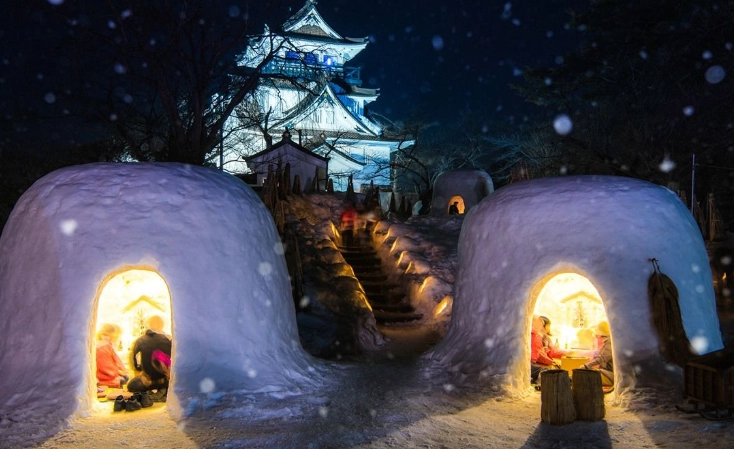
Senshu Park and Kubota Castle
In the capital city of Akita, Senshu Park is the site of the former Kubota Castle. The castle itself is a modern reconstruction (a concrete keep built in the 1960s, if we're being honest), but the park grounds are lovely, especially during cherry blossom season and autumn. It's a calm, green space in the city center. The history of the Satake clan, who ruled the area, is detailed in the nearby Akita Museum of Art. While not as grand as some original castles, it's a pleasant spot that ties the modern city to its feudal past.
The Famous Food and Drink: A Culinary Identity
Now we get to my favorite part. You cannot talk about what Akita Prefecture is known for without dedicating a massive section to its food. This is comfort food territory, designed to warm you up from the inside during those long, cold winters.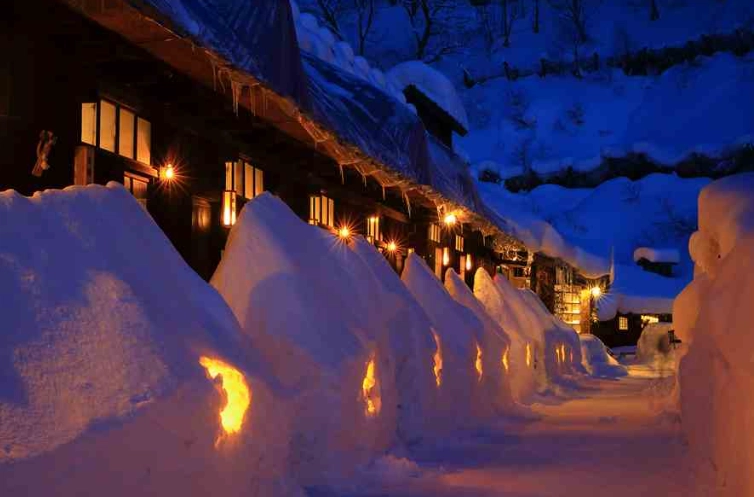
Kiritanpo Nabe: The Ultimate Winter Comfort Food
This is Akita's signature dish. Picture this: pounded rice (mochi) that's molded around cedar sticks and lightly toasted. Those rice cylinders are then broken into pieces (kiritanpo) and simmered in a hearty hot pot (nabe) with chicken, burdock root, green onions, and other vegetables in a savory soy-based or miso-based broth. The rice pieces soak up all the delicious soup and become wonderfully chewy. Eating a steaming pot of kiritanpo nabe with friends on a cold night is a core Akita experience. It's simple, filling, and profoundly satisfying.
Inaniwa Udon
While technically originating in neighboring Yamagata, Inaniwa udon is a specialty of the wider region and exceptionally good in Akita. These are thin, flat, silky-smooth wheat noodles. They're a world away from the thick, chewy udon you might know. Served cold with a dipping sauce (zaru style) or in a light hot broth, their delicate texture and refined taste are a culinary highlight. They take days of skilled labor to make by traditional methods.
Sake and Beyond
Akita is a top-tier sake brewing prefecture. The clean water, high-quality rice (like the famous Akita Komachi), and cold climate are perfect for sake production. Breweries like Hiroki and others produce award-winning sakes that are smooth, fragrant, and complex. Pairing local sake with local food is a must. Also, don't skip ibaraki (pickled vegetables)—they're a crunchy, tangy staple on every table.
| Must-Try Akita Food | What It Is | Best Place to Try |
|---|---|---|
| Kiritanpo Nabe | Hot pot with pounded rice sticks, chicken, veggies | Local izakayas or specialty restaurants in Akita City or Lake Tazawa area |
| Inaniwa Udon | Thin, silky handmade wheat noodles | Specialty udon shops (Yuzawa area is famous) |
| Hatahata (Sandfish) | Seasonal winter fish, often dried or used in shottsuru nabe | Coastal towns like Oga in winter |
| Jingisukan ("Genghis Khan") | Grilled mutton and vegetables on a dome-shaped skillet | BBQ restaurants throughout the prefecture |
| Akita Sake | Premium rice wine from local breweries | Sake breweries in Akita City, Kakunodate, or any good restaurant |
The Icons: Akita Dogs and Hot Springs
Two symbols that instantly come to mind for many people.
The Akita Dog: Loyalty Incarnate
Of course. The Akita dog, a large, powerful spitz breed, is a natural monument of Japan and the prefecture's most famous canine ambassador. Their story is intertwined with the tale of Hachiko, the loyal dog who waited for his owner at Shibuya Station for years. That loyalty is the breed's hallmark. You can learn about their history and see these magnificent dogs at places like the Akita Dog Preservation Society in Odate. Seeing them in person, you're struck by their dignified, calm presence. They're not just pets; they're a point of deep local pride.
Nyuto Onsen Village: Rustic Hot Spring Heaven
Tucked away in the mountains near Lake Tazawa, Nyuto Onsen is a collection of several rustic, traditional hot spring inns (ryokan). This is the place to experience a classic Japanese onsen retreat. The water is often milky white or sulfuric, said to have beautifying properties. Each inn has its own character, from the historic Tsurunoyu (with its iconic mixed-gender outdoor bath) to the more secluded ones. Staying here means disconnecting, soaking in multiple baths, and eating exquisite kaiseki meals. It's the perfect answer to "what is Akita Prefecture known for" if you're seeking relaxation and tradition. A word of caution: some baths are very basic and not for those seeking luxury spa facilities. The charm is in the rustic authenticity.
Practical Guide: Answering Your Travel Questions
Okay, so you're convinced Akita has a lot to offer. But how do you actually see it? Let's get practical.
How to Get to Akita Prefecture
The main gateway is Akita Airport (AXT), with flights from Tokyo, Osaka, and Sapporo. The most scenic and convenient way from Tokyo is the Akita Shinkansen (Komachi bullet train). It takes about 4 hours from Tokyo Station to Akita Station, and the ride through the mountains is beautiful. You can also use the Japan Rail Pass. Once there, renting a car is highly, highly recommended to explore freely. Public transport exists but can be infrequent, especially to remote onsen villages and peninsulas.
Best Time to Visit
This depends entirely on what you want.
- Spring (April-May): Cherry blossoms in Kakunodate (late April) are stunning. Weather is cool and pleasant.
- Summer (June-August): Lush greenery, perfect for hiking. This is festival season (Kanto in August). Can be humid.
- Autumn (September-November): Arguably the best time. The fall colors around Lake Tazawa, Dakigaeri Gorge, and Hachimantai (late Sept-Oct) are spectacular. Crisp air, great for driving.
- Winter (December-March): For snow monsters, skiing, and the ultimate cozy onsen and hot pot experience. It's cold and snowy, but incredibly atmospheric.
Suggested Itineraries
For a 3-4 day trip, focus on one area. A classic loop: Start in Akita City (Senshu Park, Kanto Museum), head to Kakunodate for samurai history, then to Lake Tazawa and spend a night at Nyuto Onsen. With more time, add the Oga Peninsula or Hachimantai.
Common Questions About Akita Prefecture
Final Thoughts on What Akita is All About
So, what is Akita Prefecture known for? It's not a single landmark or dish. It's an experience defined by contrasts. The fierce beauty of the Namahage demons and the gentle loyalty of the Akita dog. The steaming heat of a hot spring bath and the crisp cold of a mountain morning. The silent dignity of a samurai residence and the explosive energy of the Kanto festival. The simple, profound comfort of a bowl of kiritanpo nabe.
It's a place that rewards the curious traveler, the one willing to go a bit further north, to drive those winding roads, and to embrace a slower rhythm. It shows you a different side of Japan—one that's deeply connected to the seasons, to the land, and to traditions that have weathered centuries. If your idea of a great trip involves stunning nature, incredible food, and cultural encounters that feel genuine, then understanding what Akita Prefecture is known for is your first step into one of Japan's most rewarding regions.
Just remember to pack an appetite and a sense of adventure.


Comments