Quick Guide
- Why October on Fuji is a Whole Different Game
- So, Is It Actually Illegal? Can You Climb Mt Fuji in October?
- If You Absolutely Must Go: The Non-Negotiable Gear List
- Fantastic Alternatives: How to Experience Fuji in October (The Smart Way)
- Your Burning Questions Answered (FAQ)
- The Final Verdict: Should You Try to Climb Mt. Fuji in October?
So you're looking at your calendar, maybe you've got some time off in October, and you're dreaming of that iconic summit shot from Japan's most famous mountain. I get it. The classic postcard view is calling. But then you start searching and you hit that big question: can you climb Mt Fuji in October?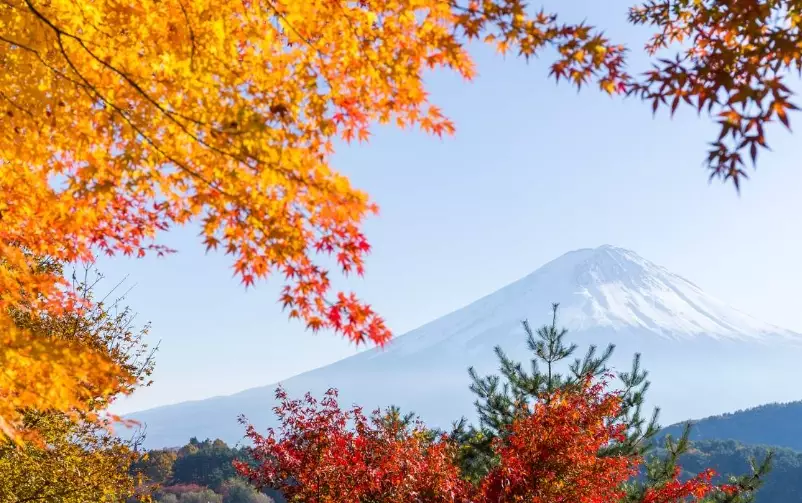
Let's cut to the chase. The short, official answer is no. The long, real-world answer is... it's complicated, risky, and frankly, not something most people should even consider. The official climbing season for Mt. Fuji is painfully short: just from early July to early September. By October, the mountain huts are shuttered, the first aid stations are closed, and the rangers have mostly packed up and gone home. The Japan Tourism Agency and the local prefectural governments are pretty clear about this – they want you to come during the designated season.
Let's be blunt right upfront: Attempting to climb Mt. Fuji in October is a fundamentally different beast than a summer hike. It's a serious mountaineering endeavor that demands respect, preparation, and an acceptance of significant risk. This isn't a stroll anymore.
I remember talking to a guy in a hostel in Kawaguchiko a few years back. He'd tried it in mid-October on a whim, thinking the clear autumn skies meant perfect conditions. He turned back at the 7th station, battered by winds so strong he could barely stand, his summer gear utterly useless against the cold. He said it was the most foolish thing he'd ever done. That story stuck with me.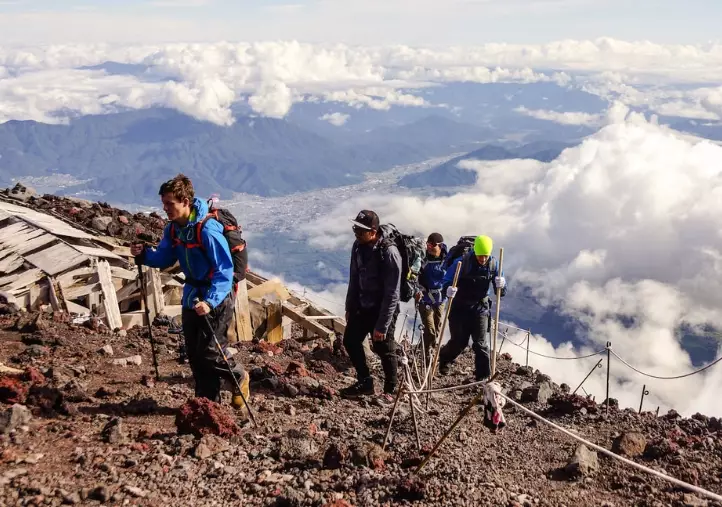
Why October on Fuji is a Whole Different Game
Okay, so the season is "closed." But what does that actually mean for you on the ground? Why is climbing Mt Fuji in October such a big deal? It boils down to a few brutal factors that transform the mountain completely.
The Weather Flip-Flop
Summer on Fuji is fickle, but autumn is downright hostile. The stable(ish) high-pressure systems of summer are gone, replaced by fast-moving weather fronts. You can get all four seasons in a single afternoon.
- Temperature Plunge: This is the big one. At the summit (3,776 meters / 12,389 feet), average temperatures can drop below -10°C (14°F) in October. With wind chill, it feels much, much colder. That's a far cry from the possible above-freezing temps you might find on a lucky summer dawn.
- Wind: Oh, the wind. It's no joke. Hurricane-force gusts are not uncommon. It's not just uncomfortable; it's dangerous. It can knock you over, blow away gear, and cause rapid, extreme wind chill.
- Snow and Ice: Early snowfall is a real possibility in October. The upper slopes, especially on the north faces, can develop patches of ice. That trail that was a rocky path in August is now a potential slip-and-slide.
You can't just rely on a general forecast for the base. Mountain weather is its own beast. Checking the detailed mountain forecast from the Japan Meteorological Agency is an absolute must, but even that can change in an hour.
The Infrastructure Shutdown
This is the practical headache. Climbing outside the season means you're on your own.
| Service | Official Season (July-Sept) | October (Off-Season) |
|---|---|---|
| Mountain Huts | Open for lodging, food, water, and shelter. | Closed and locked. No place to rest, warm up, or take refuge. |
| Toilets | Operational (fee required). | Closed and locked. You must carry out all waste. Seriously. |
| First Aid Stations | Staffed by medics. | Closed. Help is hours away. |
| Yoshida Trail Bus | Runs to the 5th Station (Subaru Line). | Service usually ends in late Sept. Access by taxi or private car becomes complex. |
| Trail Markings | Clear and maintained. | May be obscured by snow or fog. |
See what I mean? You lose your safety net. There's no "I'll just pop into this hut to get out of the storm." There is no hut. If you get in trouble, a rescue call means a long, difficult evacuation by professionals who are putting themselves at risk because you chose to be there off-season.
So, Is It Actually Illegal? Can You Climb Mt Fuji in October?
This is a common point of confusion. There is no law that physically bars you from putting one foot in front of the other on the Yoshida Trail in October. The trails are public land. However, the authorities – Yamanashi and Shizuoka prefectures – strongly advise against it and do not endorse or support off-season climbing.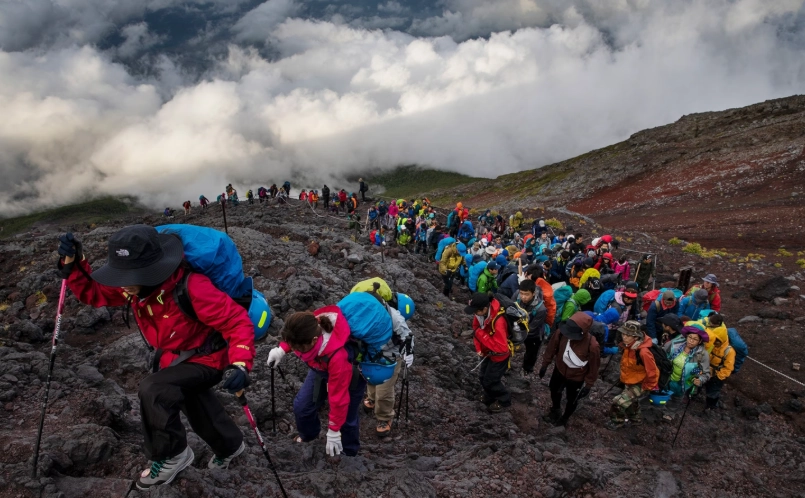
Access points might have signs stating the official season is over. The official Mt. Fuji climbing website clearly states the season dates. If you proceed, you are doing so entirely at your own risk and against official advice. Some access roads to the 5th stations may be partially closed or have restrictions after the first heavy snow.
More importantly, if you need to be rescued, you will likely be billed for the full, enormous cost of that rescue operation. We're talking tens of thousands of dollars. Is that summit selfie worth a life-changing bill?
If You Absolutely Must Go: The Non-Negotiable Gear List
Let's say you're an experienced mountaineer, you've read all this, and you're still determined to see if you can climb Mt Fuji in October. I can't stop you, but I can try to make sure you don't die. Your summer daypack won't cut it. You need winter alpine gear.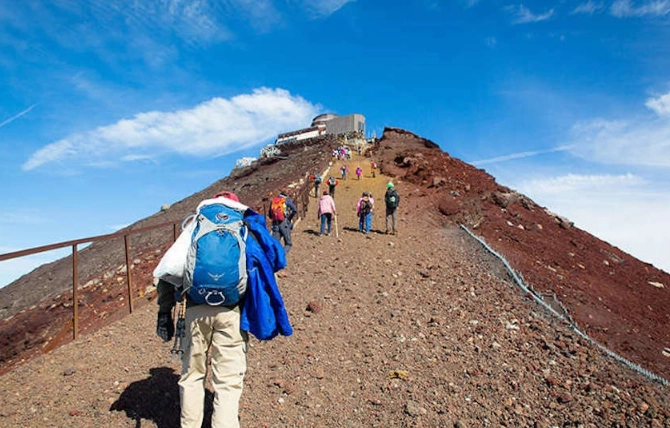
Core Concept: You must be prepared to survive a night in the open in freezing, windy conditions if you get injured or lost. Your gear is your only hut.
The Essential October Fuji Kit
- Insulated, Waterproof Mountaineering Boots: Not hiking boots. Mountaineering boots with stiff soles and proper insulation. Trail runners are suicide.
- Crampons & Ice Axe: Even if the forecast is clear, ice can form. Knowing how to use this equipment is critical. They're not just for show.
- Layered Clothing System: Merino wool or synthetic base layers, insulated mid-layer (fleece/down/synthetic puffy), and a hardshell waterproof and windproof jacket and pants. No cotton. Anywhere.
- Extreme Cold Weather Gear: Heavy insulated gloves/mittens, balaclava, thick hat, neck gaiter. Exposed skin freezes fast.
- Headlamp with Extra Batteries: Days are shorter. You'll likely be hiking in the dark.
- Navigation: Detailed map, compass, GPS device. Phone GPS can fail in cold or without signal.
- Emergency Shelter: A bivvy sack or emergency blanket. Something to get you out of the wind.
- High-Energy Food & Water: More than you think. A thermos with a hot drink is a massive morale and safety booster. Water bladders can freeze.
- Communication: Fully charged phone, portable charger, and consider a personal locator beacon (PLB) or satellite messenger. You cannot rely on cell service.
- Waste Bags: You must carry out everything. Including human waste. Pack sealable bags and kitty litter or solidifying agents.
This list isn't exhaustive, it's the bare minimum. The weight of this pack will be 15-20kg (33-44lbs) easily. Are you fit enough to climb a steep, high-altitude mountain with that on your back?
Fantastic Alternatives: How to Experience Fuji in October (The Smart Way)
Here's the good news! October is arguably one of the best times to be around Mt. Fuji. The summer crowds are gone, the air is crisp, and the autumn colors (koyo) are spectacular. You can have an incredible Fuji experience without the life-threatening climb.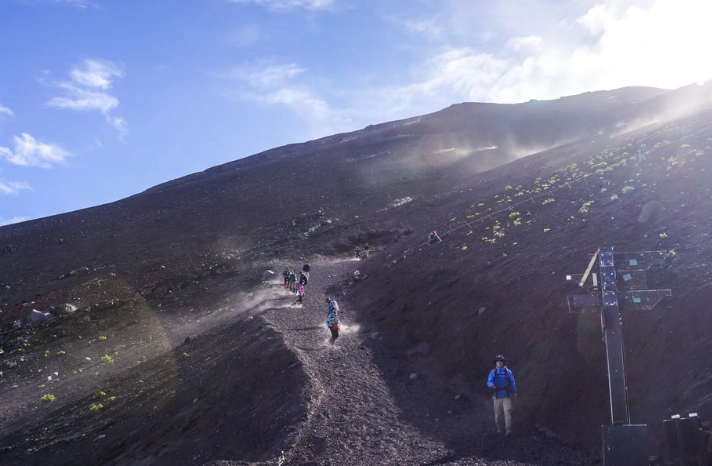
My personal recommendation? Skip the dangerous summit attempt. The views of the mountain from the surrounding lakes and towns are often more stunning and fulfilling than the view from the top, which is often just inside a cloud.
Top Ways to Enjoy Fuji in Autumn
- Hike the Subashiri or Gotemba Trails (Lower Sections): You can hike the forested lower parts of these trails from the 5th Stations. It gives you a feel for the mountain, beautiful autumn foliage, and panoramic views without committing to the deadly upper slopes. Check road access first.
- Circumnavigate the Base (Ohachi Meguri): Drive or cycle around the base of the mountain. The Japan National Tourism Organization website has great info on the Fuji Five Lakes area. Lake Kawaguchiko is especially beautiful with autumn reflections.
- Chureito Pagoda: That classic postcard shot of Fuji with a pagoda? That's from Chureito Pagoda in Fujiyoshida, and autumn colors frame it perfectly.
- Relax in an Onsen: Soak in a hot spring with a view of the mountain. After hearing about the October cold up top, this sounds way better, doesn't it?
- Visit the Fuji Visitor Centers: The Fujisan World Heritage Centre in Fujinomiya is fantastic and teaches you everything about the mountain's cultural and geological significance. Warm, educational, and zero risk of frostbite.
Your Burning Questions Answered (FAQ)
Let's tackle some of the specific questions buzzing in your head when you search "can you climb Mt Fuji in October."
What about early October vs late October?
Early October (first two weeks) is marginally less severe than late October. You might dodge the first major snows. But "less severe" still means freezing, windy, and without services. Late October is firmly in the winter condition zone. It's not a question of if it's dangerous, but how dangerous.
Has anyone successfully climbed it in October?
Yes, experienced mountaineering clubs and individuals do it. But they treat it as a winter alpine climb, with full teams, technical gear, and meticulous planning. They are not tourists; they are climbers on a specific mission. Comparing yourself to them is like comparing a go-kart driver to a Formula 1 team.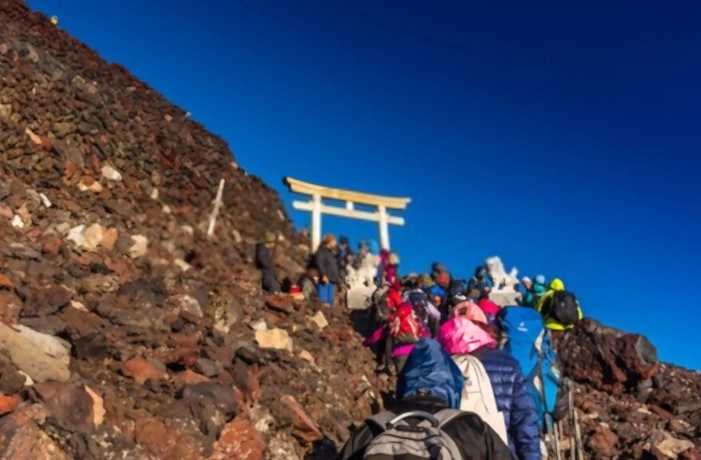
Can I climb just partway?
This is a smarter compromise. Hiking from the 5th Station to the 6th or 7th Station and back down gives you a taste, great views, and a safe retreat. But you still need proper weather-appropriate clothing and must be down well before dark. And you still have the access/transport issue to solve.
What's the biggest mistake people make?
Underestimating the cold. They bring a light jacket, gloves, and a beanie meant for a chilly autumn day in the city. On the summit in October, that's a recipe for hypothermia. The cold at altitude is a physical force that drains your energy and clouds your judgment faster than you think.
The Final Verdict: Should You Try to Climb Mt. Fuji in October?
Look, I love a good adventure. But there's a line between adventure and recklessness.
For 99% of people asking this question – the casual hiker, the fit tourist, the bucket-list seeker – the answer is a resounding NO. The risks massively outweigh the rewards. The mountain is not welcoming you in October; it's waiting, in a much more primal and dangerous state.
The goal of climbing Mt. Fuji should be a memorable, challenging, and ultimately safe achievement. Trying to climb Mt Fuji in October turns it into a potential survival scenario. Is that the memory you want?
Bottom Line: Respect the mountain, respect the official season, and respect the limits of your own experience. The question "can you climb Mt Fuji in October" has a technical answer, but the more important question is "should you?" For almost everyone, the wise and safe answer is to enjoy Fuji's majestic beauty from its stunning base, and save the summit climb for when the mountain is truly open and ready for visitors.
Plan a trip for July or August. Train for it. Book a hut. Climb it with thousands of others under the (relative) safety of the summer season. You'll get the same sense of accomplishment without betting your life on it. Or, embrace the autumn for what it offers: some of the most beautiful views of Fuji you'll ever see, with a hot drink in your hand and warm feet.
That sounds like a better story to tell, don't you think?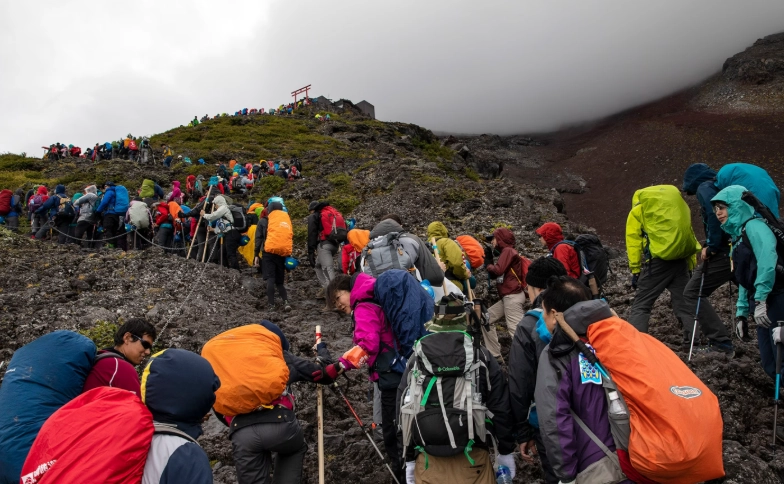
Comments