My first glimpse of Tsushima was from the ferry, a long green spine of mountains rising from the Korea Strait. I wasn't here because of a video game, though that's what put it on the map for many. I was here because seasoned travelers kept whispering about it—a Japan that most tourists miss. They were right. Tsushima isn't just an island; it's a feeling. It's the silence of a 1300-year-old shrine, the salty breeze on a deserted beach, and the weight of history you can almost touch. If your image of Japan is all neon and bullet trains, Tsushima will recalibrate it completely.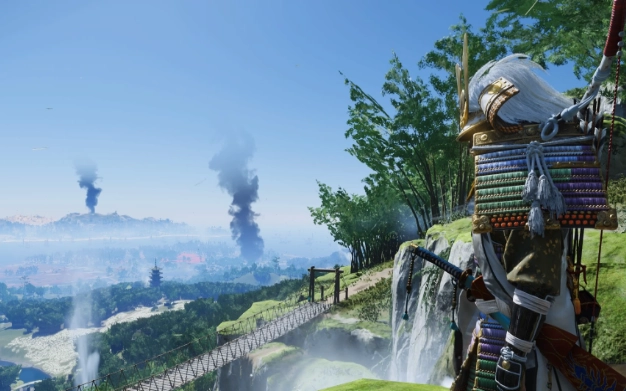
What’s Inside This Guide
Why Tsushima Should Be on Your Japan Itinerary
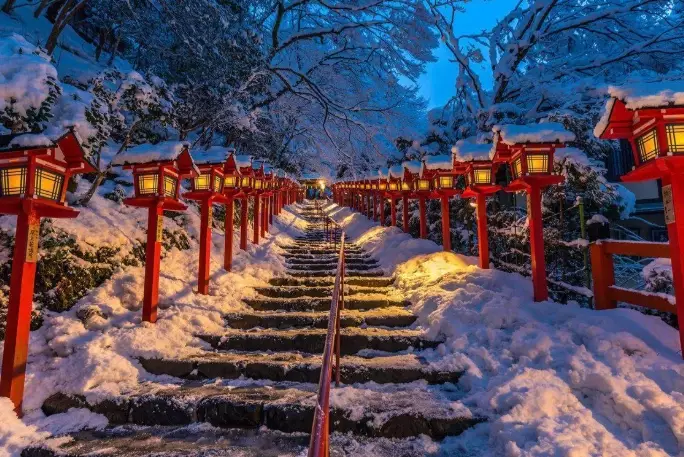
Forget the crowds at Fushimi Inari. On Tsushima, you might have an entire ancient path of stone torii gates to yourself at Watatsumi Shrine. The island's location—closer to Korea than to mainland Japan—has shaped a unique culture and a dramatic history centered on the Mongol Invasions of the 13th century. This isn't a theme park version of samurai lore; it's the actual ground where they defended the nation.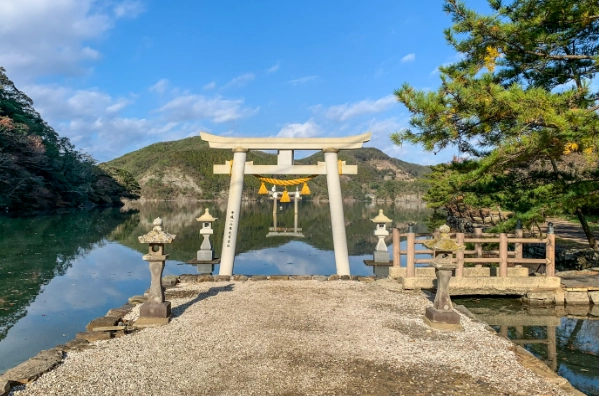
But it's not all solemn history. The natural scenery is staggering. Think jagged cliffs, emerald forests, and some of the clearest water you'll see in Japan. It's a paradise for hikers, cyclists, and kayakers. The pace of life is slow, the people are genuinely curious about visitors, and the seafood is so fresh it practically jumps onto your plate.
One common mistake first-timers make? Underestimating its size. Tsushima is over 70km long. You can't just pop over for a day trip from Fukuoka and see much. It demands a few days of your time, and in return, it gives you a slice of Japan you won't find anywhere else.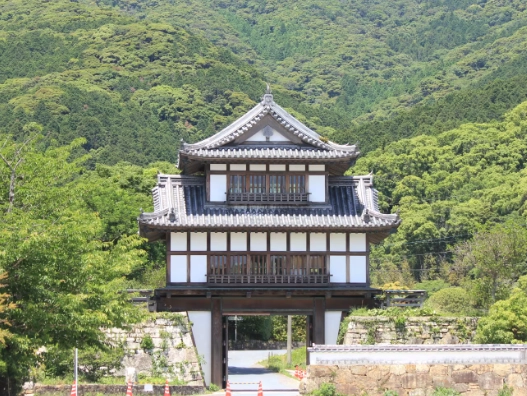
How to Get to Tsushima Island
You have two main options: fly or take a ferry. There's no bridge or tunnel.
By Air
Flights from Fukuoka (FUK) to Tsushima (TSJ) are quick—about 35 minutes. They're operated by JAC (Japan Air Commuter). It's the most time-efficient option, but flights can be limited and are susceptible to cancellation in bad weather. The airport is in the north, near Izuhara.
By Sea (The Recommended Journey)
This is the way to arrive. The ferry from Hakata Port in Fukuoka to Hitakatsu Port in central Tsushima takes about 2 hours and 20 minutes on the high-speed vessel. The views approaching the island are part of the experience. There's also a slower, larger car ferry from Karatsu. I always take the ferry. It sets the mood, and it's where you'll see locals and get that first real sense of leaving the mainland behind.
Top Attractions and Things to Do in Tsushima
Spread your time between north, central, and south. Here’s what you can't miss.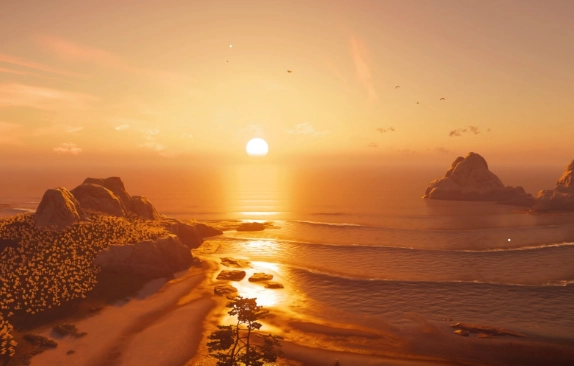
Historical & Cultural Sites
Kaneda Fortress (Kaneda Castle Ruins): This isn't a castle with a keep. It's a sprawling, 7th-century mountain fortress with stone walls snaking along the ridges. The hike up is moderate (about 40 minutes), but the panoramic views from the top are the best on the island. You can see why it was a strategic lookout. Address: Otsu, Tsushima. No admission fee, open 24/7.
Komoda Beach & the Mongol Invasion Sites: This is the hallowed ground where the Mongol fleet first landed in 1274. A simple, powerful monument stands there now. It's a wide, sandy beach that feels peaceful today, but standing there knowing the history is chilling. Nearby, the Mongol Invasion Historical Museum (Tsushima Rekishi Minzoku Shiryokan) provides essential context. Museum hours: 9:00-17:00, closed Mondays. Admission: ~300 yen.
Watatsumi Shrine: My personal favorite. A stunning shrine complex built into a seaside cliff, dedicated to a sea dragon god. The approach through a tunnel of torii gates is magical. Address: 1844 Mine, Tsushima. Free to enter.
Banshoin Temple & the So Clan Residence: The So clan ruled Tsushima for centuries. Their former samurai residence and the attached temple offer a glimpse into feudal life. The gardens are quietly beautiful. Address: 1470-1 Izuhara, Tsushima. Hours: 8:30-17:00. Combined ticket: ~500 yen.
Natural Wonders & Outdoor Activities
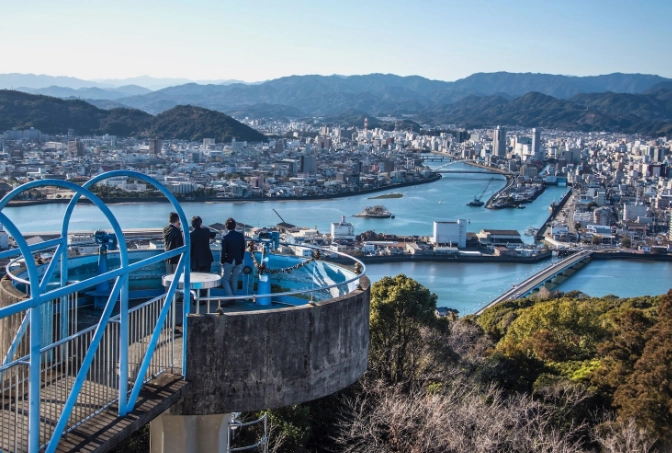
Mt. Eboshi Driving Course & Observation Deck: Don't let the name fool you—you drive most of the way up. The observation deck at the top offers a 360-degree view that will literally make you gasp. On a clear day, you can see Iki Island and, allegedly, the Korean coast. Essential stop.
Shishi Rock (Lion Rock): A iconic natural rock formation that, from the right angle, looks like a sitting lion. The coastal walk around it is easy and photogenic. There's a small parking fee (~200 yen).
Kayaking in the Aso Bay Mangrove Forest: Yes, mangroves in Japan! Paddle through the quiet, green waterways of Japan's largest mangrove forest. Several local operators offer tours, like Tsushima Discovery. It's a completely different side of the island's ecology. Tours start around 5,000 yen per person.
Hiking the Island's Many Trails: From short walks to all-day mountain treks, the options are endless. The trail from Miuda Pass to the ruins of a lookout post is relatively short and offers incredible coastal vistas.
Where to Stay in Tsushima
Accommodation is mostly small family-run hotels, minshuku (guesthouses), and a few business hotels. Luxury is scarce, but hospitality is abundant. Your choice of location dictates your experience.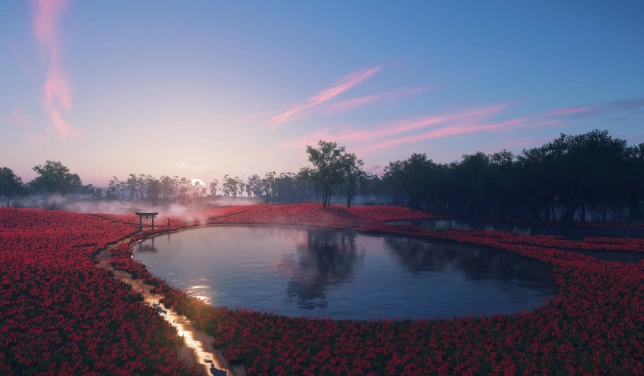
| Area | Best For | Recommendation & Address | Key Feature | Price Range (per night) |
|---|---|---|---|---|
| Izuhara (North) | First-time visitors, history, ferry access. | Hotel Nihonkan (1040-2 Izuhara). A reliable, central business hotel with western rooms. | Convenient location, car rental pickup nearby. | 8,000 - 12,000 JPY |
| Hitakatsu (Central) | Exploring central/natural sights, quieter vibe. | Tsushima Grand Hotel (267-1 Hitakatsu). One of the larger hotels, some rooms with ocean views. | Great onsen (hot spring) baths, good food. | 10,000 - 15,000 JPY |
| Mitsushima (South) | Getting away from it all, nature immersion. | Minshuku or Ryokan (e.g., family-run guesthouses). Ask at the tourist office. | Authentic local experience, home-cooked meals. | 6,000 - 10,000 JPY (with meals) |
I stayed in a minshuku in the south once. The owner didn't speak English, I didn't speak much Japanese, but we communicated through gestures and the amazing dinner she prepared—fresh sashimi, local vegetables, and Tsushima's famous rokube (a type of noodle). It was a highlight.
Practical Tips for Visiting Tsushima
Rent a car. I can't stress this enough. The bus network is skeletal. A car is your ticket to freedom. Book it with your ferry ticket. Driving is easy, just be mindful of narrow roads.
Cash is still king. Many smaller restaurants, shops, and even some minshuku only take cash. Load up at an ATM in Izuhara or Hitakatsu.
Download offline maps. Cell service can be spotty in the mountains and along remote coasts. Google Maps' offline area feature is a lifesaver.
Eat the local food. Beyond rokube noodles, try ikanago no kugini (sweet simmered sand lance fish), Tsushima beef (a local brand), and any seafood you can find. The Iki Beer from nearby Iki Island is also widely available and delicious.
Pack for the weather. It can be windier and rainier than the mainland. A good windbreaker/rain layer and sturdy shoes for hiking are musts.


Comments