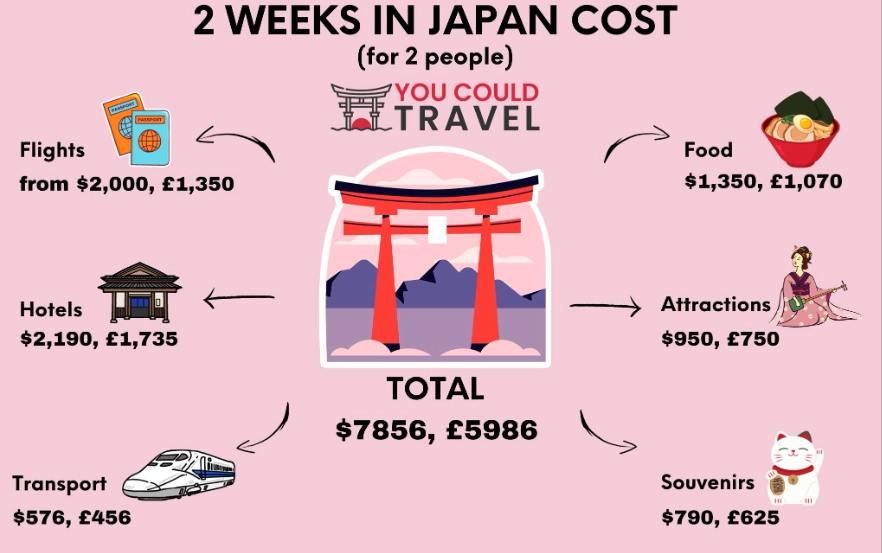
Let's cut to the chase. Is $2000 USD enough for two weeks in Japan? The short answer is: Yes, but it requires careful planning, prioritization, and a willingness to forego some luxuries. It's a tight budget that sits firmly in the "budget traveler" category. You won't be staying in ryokans every night or eating Kobe beef daily, but you can absolutely have an incredible, authentic experience. I've traveled Japan on various budgets over the years, and the $2000 mark for two weeks is a common target that's surprisingly achievable if you know where your money goes and where you can save.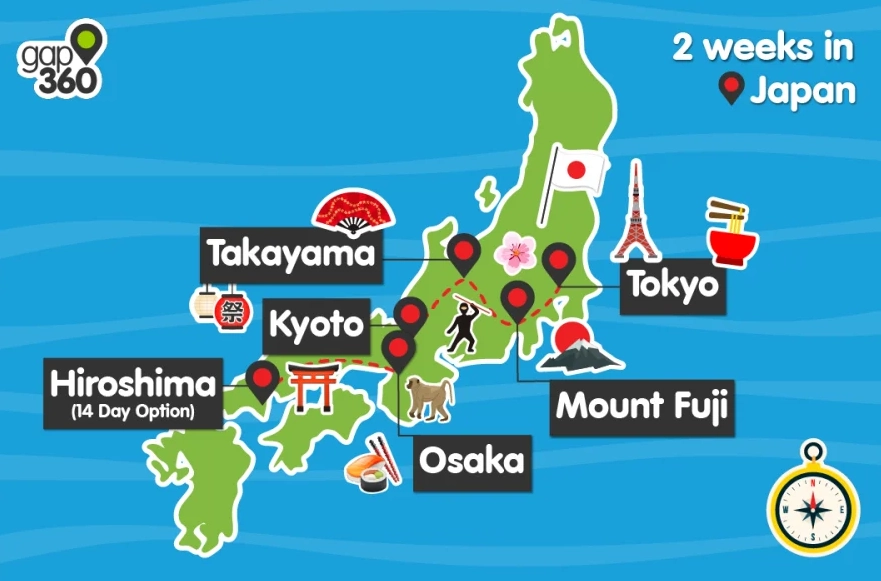
Your Quick Guide to This Article
The $2000 Budget: A Daily Breakdown
First, we need to clarify: this $2000 is for in-country expenses after your flights. Flights to Japan are a separate, often significant cost that can vary wildly. Assuming your flights are booked, $2000 for 14 days gives you a daily average of about $143 or roughly ¥21,500 (at an approximate exchange rate of 150 JPY to 1 USD).
Here’s how a realistic, balanced allocation for a budget-conscious traveler might look across major categories:
| Category | Total (14 Days) | Per Day | Key Notes |
|---|---|---|---|
| Accommodation | $560 - $700 | $40 - $50 | Hostels, budget business hotels, capsule hotels. Expect shared bathrooms in this range. |
| Transportation | $350 - $500 | $25 - $36 | Covers a 7-day JR Pass *or* regional passes + local trains/buses. Your biggest variable. |
| Food & Drinks | $420 - $560 | $30 - $40 | Mix of convenience store meals, affordable ramen/udon, and occasional sit-down restaurants. |
| Activities & Souvenirs | $280 - $350 | $20 - $25 | Temple/shrine entries (¥300-¥1000), museums, a few unique experiences. |
| Contingency & Misc | $70 - $140 | $5 - $10 | SIM card/pocket wifi, locker rentals, unexpected snacks, a drink at an izakaya. |
See how it adds up? The lower end of each range puts you right around $1680, leaving a small buffer. The higher end pushes you to $2250. Your style will determine where you land.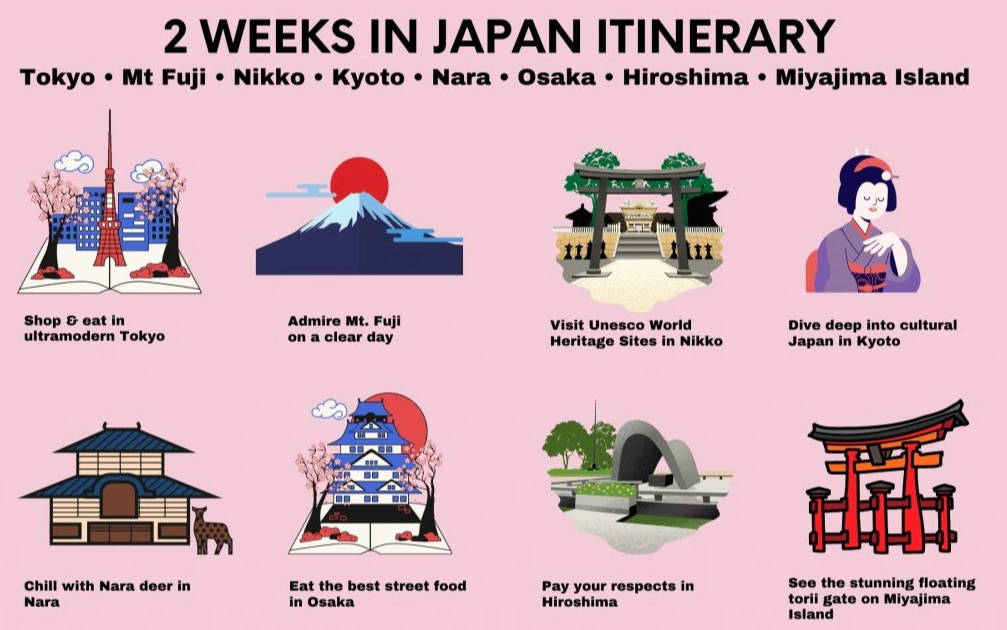
Where Your Money Actually Goes: A Deep Dive
Let's get specific. What do these numbers look like on the ground?
Accommodation: The $40-$50 Night
Forget western-style hotels. Your allies are:
Capsule Hotels: Like Nine Hours Shinjuku (approx. ¥4,500/night). Clean, efficient, but storage is limited. Fine for a night or two, claustrophobic for a week.
Business Hotels: Chains like Toyoko Inn or APA Hotel. Small, functional rooms, often with free breakfast. You can find them for ¥7,000-¥9,000 if booked months in advance, especially outside city centers.
Hostels: The best value for solo travelers. A bed in a highly-rated hostel like Piece Hostel Sanjo in Kyoto can be around ¥3,500. You get a social atmosphere, kitchen access, and often free events.
Booking tip: Use Booking.com for free cancellation options, but also check direct hotel websites for member discounts.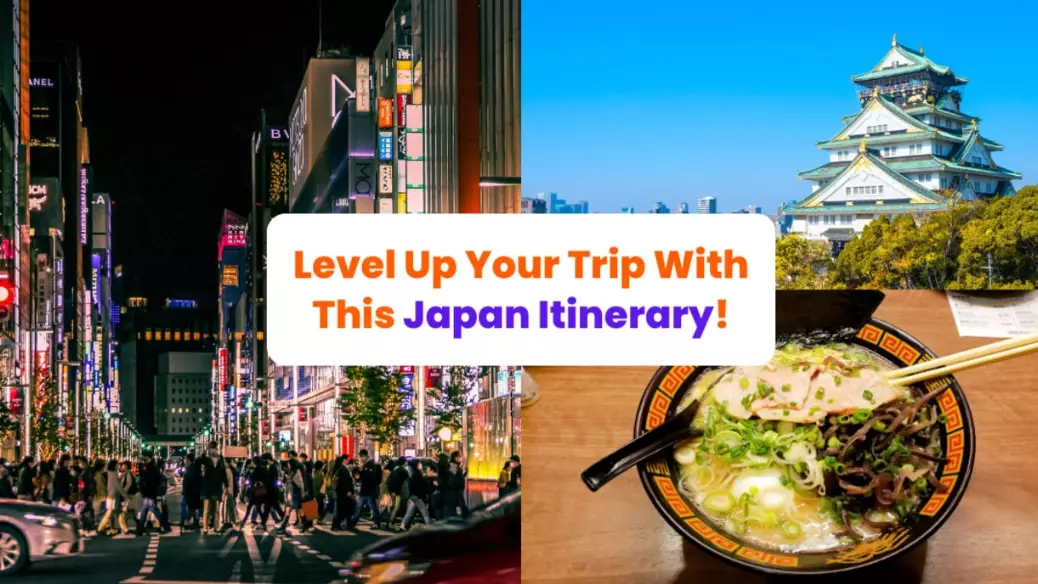
Transportation: The Maze of Passes
This is your make-or-break category. A one-way Shinkansen ticket from Tokyo to Kyoto costs about ¥13,500. A 7-day JR Pass is roughly ¥50,000. If your round-trip is just Tokyo-Kyoto, the pass loses value. Consider regional passes like the Kansai-Hiroshima Area Pass if you're staying west.
Within cities, get a rechargeable IC card (Suica, Pasmo). For Tokyo, a 72-hour Tokyo Metro subway pass (¥1,500) is gold. In Kyoto, a daily bus pass (¥700) pays off if you take more than two rides.
Food: You Can Eat Well for Less
Japanese convenience stores (7-Eleven, Lawson, FamilyMart) are a budget traveler's dream. A filling breakfast of onigiri, salad, and coffee costs under ¥500. For lunch, seek out standing sushi bars (tachigui) or ramen shops. A famous bowl at Ichiran is around ¥1,000.
Dinner can be at a local izakaya (pub) like Torikizoku where many items are ¥330 each. Or, grab a high-quality bento from a department store basement (depachika) before 7 PM when they get discounted. Splurge one night on a good teppanyaki or sushi lunch set instead of dinner—same quality, half the price.
I still remember a fantastic okonomiyaki meal at Fukutaro in Osaka (1-17-18 Ebisuhigashi, Naniwa-ku) for about ¥1,200. It was crowded, loud, and perfect.
Activities: Focus on Free & Low-Cost
Many of Japan's best experiences are cheap or free. Temples like Senso-ji (Tokyo) or Fushimi Inari (Kyoto) are free, with optional donations. Walking through neighborhoods like Gion, Harajuku, or Dotonbori costs nothing. Public parks (Ueno, Shinjuku Gyoen) have minimal entry fees.
Prioritize one or two paid experiences. Maybe the teamLab Planets digital art museum in Tokyo (¥3,800) or the Ghibli Museum (¥1,000). Skip the expensive observation decks; the free Tokyo Metropolitan Government Building views are just as good.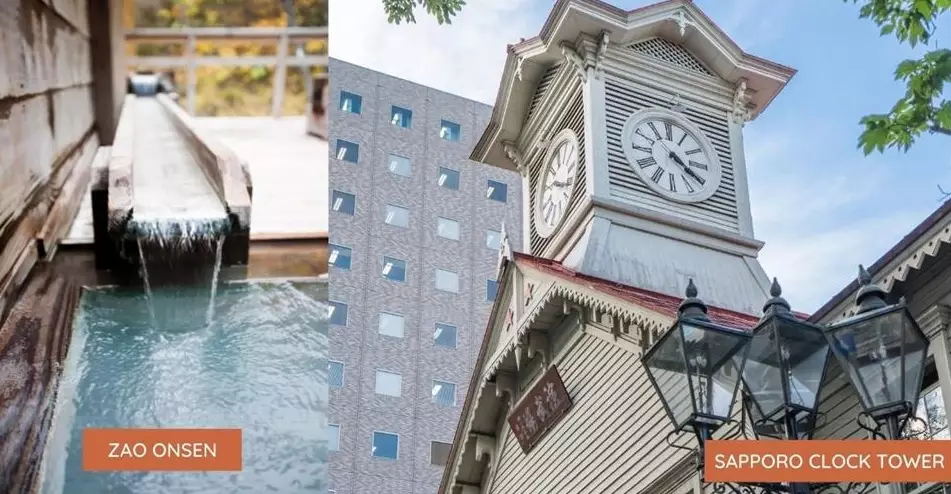
How to Stretch Your Budget Further
If $2000 feels tight, these tactics create breathing room.
Travel in a shoulder season (late March-April excluding cherry blossom peak, September-October). Flights and accommodation are cheaper than summer or year-end.
Book accommodation early. Prices only go up. Hostel dorms are the cheapest, but a private room in a guesthouse can be split if traveling with a partner, drastically reducing per-person cost.
Use overnight buses for long distances. A bus from Tokyo to Osaka can be as low as ¥5,000, saving you a night's accommodation and a day's transport cost. It's not the most comfortable, but it's efficient.
Embrace convenience store and supermarket food. It's not a compromise; it's a cultural experience. Their ready-made meals are fresh and delicious.
Carry a water bottle. Tap water is safe to drink everywhere, and vending machine drinks (¥120-¥150) add up.
Limit alcohol. Drinking at an izakaya is fun, but a single beer can cost ¥600-¥800. A can from a supermarket is under ¥300.
What If You Want to Spend More?
Maybe $2000 is your baseline, but you have some flexibility. Where should extra money go?
First, upgrade your accommodation. A mid-range hotel room with a private bathroom (¥12,000-¥18,000/night) changes the trip's comfort level dramatically. Second, invest in food experiences. A kaiseki (multi-course) dinner or premium sushi omakase (from ¥10,000) is unforgettable. Third, unlock convenience: take the faster Shinkansen (Nozomi) without worrying about pass restrictions, or take a taxi when you're exhausted with bags.
The biggest luxury in Japan is often time. With more money, you can see more places faster or indulge in slower, more immersive activities like a pottery class in Kyoto.
Your Japan Budget Questions Answered
 So, is $2000 enough? It's a budget that demands attention and trade-offs. You'll be counting yen, choosing between a museum ticket and a nicer dinner, and probably walking more than you expected. But you'll also discover that Japan's magic isn't locked behind high prices. It's in the quiet side streets, the steaming bowl of ramen from a 10-seat shop, and the stunning views that cost nothing at all. With the plan outlined here, $2000 isn't just enough—it's the ticket to a focused, authentic, and deeply rewarding adventure.
Start by nailing down your flight dates, then immediately book your accommodation. Every day you wait, your options shrink and prices creep up. The rest, as they say, is just details you can now manage with confidence.


Comments