So you've decided to travel to Japan from the USA. Smart move. It's a trip that completely recalibrates your senses, from the organized chaos of Tokyo's Shibuya Crossing to the profound silence of a Kyoto temple garden. But between the dream and the departure gate lies a mountain of logistics that can feel overwhelming, especially coming from the other side of the Pacific. I've made this trip over a dozen times, both for work and pleasure, and I've seen every mistake in the book—including a few of my own. This guide isn't just a list of places to see; it's the tactical playbook I wish I had on my first flight over.
What’s Inside This Guide
Your Non-Negotiable Pre-Departure Checklist
Skip one of these, and you're asking for a headache. Let's start with the paperwork.
Passport & Visa: For US passport holders, you don't need a visa for tourist stays under 90 days. The real catch is your passport's expiration date. Japan requires it to be valid for the entire duration of your stay. I'd recommend having at least six months of validity left from your return date, just to be safe for any connecting flights or unexpected changes.
Travel Insurance: Don't even think about skipping this. A simple visit to a clinic in Japan for a bad cold can cost hundreds of dollars out-of-pocket. A comprehensive travel insurance policy from a provider like World Nomads or Allianz covers medical emergencies, trip cancellations (think typhoons), and even lost luggage. It's the single best purchase for peace of mind.
Money: Japan is still largely a cash society, especially outside major cities and for smaller shops, temples, and restaurants. While credit cards (Visa/Mastercard) are widely accepted in hotels and department stores, you'll need yen. My method: notify my bank of travel plans, withdraw a decent amount of yen from an ATM at the airport upon arrival (7-Eleven ATMs are notoriously foreigner-friendly), and use a no-foreign-transaction-fee card for bigger purchases.
Connectivity: You have two good options. Pick up a pocket WiFi device at the airport (companies like Ninja WiFi or Japan Wireless) if you're traveling in a group. It's reliable and can connect multiple devices. For solo travelers, a prepaid data SIM card or eSIM is simpler. Major carriers like Docomo and SoftBank sell them at the airport. Setting up an eSIM before you fly is the most seamless option now.
Getting There & Around: Flights and Japan's Transport Maze
Finding Flights from the USA to Japan
You're looking at a 10-14 hour flight depending on your departure city. Major gateways are Tokyo's Narita (NRT) and Haneda (HND), and Osaka's Kansai (KIX). Haneda is closer to central Tokyo and generally preferred.
Use flight aggregators like Skyscanner or Google Flights. Set up price alerts. The sweet spot for booking is typically 3-4 months out for the best prices on direct flights. Consider a stopover if you want to save significantly; airlines like ANA and JAL often have competitive prices for excellent service.
My personal hack? If you're flying into Tokyo but also planning to visit Kyoto/Osaka, look into an open-jaw ticket: fly into Tokyo (HND/NRT) and out of Osaka (KIX). It saves you the backtracking trip to Tokyo at the end.
Navigating Japan's Legendary Rail System
This is where most first-timers panic. Don't. The system is incredibly efficient, clean, and punctual.
First, get a Suica or Pasmo card at any major train station. These rechargeable IC cards work on almost all trains, subways, and buses in major cities, and you can even use them at convenience stores and vending machines. Tap in, tap out. It eliminates the stress of buying individual tickets.
Now, the Japan Rail Pass (JR Pass). This is a big decision. As of my last trip, the price has increased substantially. It only makes financial sense if you're doing a lot of long-distance Shinkansen (bullet train) travel in a short period. For a classic Tokyo-Kyoto-Osaka-Hiroshima loop within 7 days, it can still break even. For a Tokyo-Kyoto-Osaka trip, it's often cheaper to buy individual Shinkansen tickets or look into regional passes like the JR Kansai-Hiroshima Pass. Always do the math using the official JR Pass Calculator before buying.
Where to Stay: Picking Your Base in Tokyo, Kyoto, and Osaka
Location is everything. You want to be close to a major train or subway station. Here’s a breakdown of my top picks across different budgets. Prices are approximate per night for a double room.
| City / Area | Hotel Recommendation | Why It Works | Price Range |
|---|---|---|---|
| Tokyo (Shibuya/Shinjuku) | Hotel Century Southern Tower (Shinjuku) Address: 2-2-1 Yoyogi, Shibuya-ku Or Shibuya Excel Hotel Tokyu (directly above Shibuya Station) |
Both are directly connected to major train hubs. The Southern Tower has massive rooms by Tokyo standards and stunning views. The Excel Hotel puts you right in the heart of the Shibuya scramble. | $180 - $300 |
| Tokyo (Mid-Range) | Mitsui Garden Hotel Jingugaien Address: 1-6-3 Sendagaya, Shibuya-ku |
A peaceful oasis near Shinjuku Gyoen park. Modern, clean, with a great public bath. A 10-minute walk to Shinjuku station. | $120 - $200 |
| Kyoto (Central) | Hotel Resol Kyoto Kawaramachi Sanjo Address: 471-1 Kameiyacho, Nakagyo-ku |
Perfect location on the Kamogawa river, walkable to Gion, Nishiki Market, and Pontocho. Modern rooms with traditional touches. | $140 - $250 |
| Kyoto (Ryokan Experience) | Ryokan Shimizu Address: 644-2 Uemoto-cho, Shimogyo-ku |
An affordable, family-run ryokan. You sleep on futons, wear a yukata, and get a traditional Japanese breakfast. It’s authentic without the $500/night price tag. | $80 - $150 (with meals) |
| Osaka (Namba) | Hotel Nikko Osaka Address: 1-3-3 Nishi-Shinsaibashi, Chuo-ku |
Connected directly to Shinsaibashi subway station. You're steps from Dotonbori's food scene and shopping. Efficient and comfortable. | $130 - $220 |
A Realistic 10-Day Japan Itinerary for First-Timers
This is the classic "Golden Route." It's popular for a reason—it hits the highlights without being too rushed. I've added specific logistics so you can visualize the day.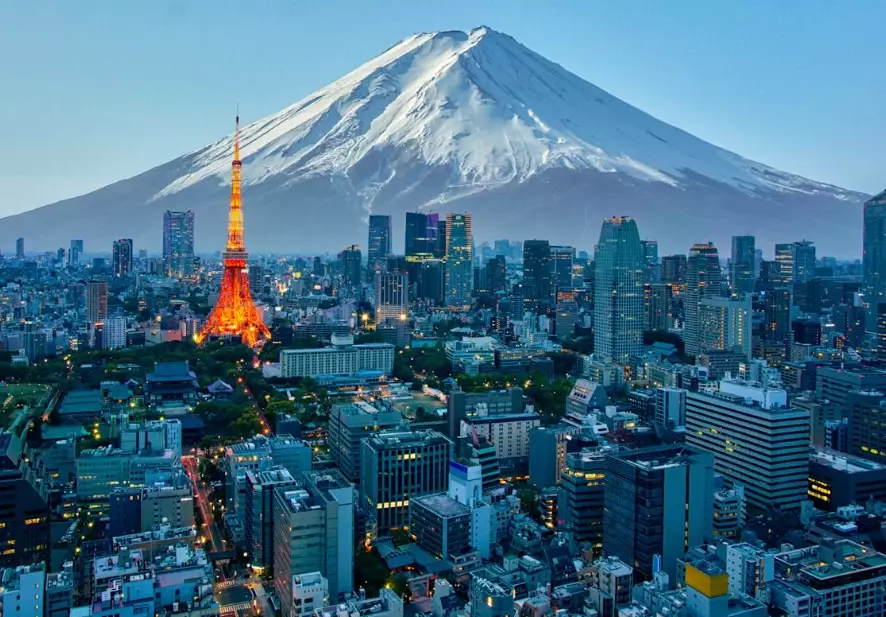
Days 1-4: Tokyo - The Neon Metropolis
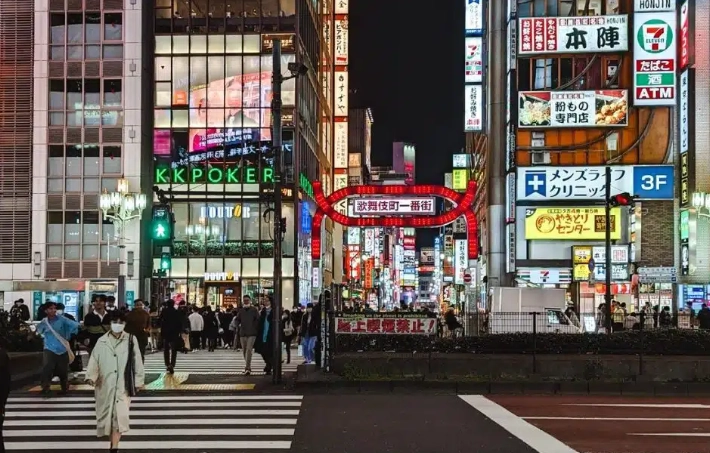
Day 1: Arrival & Shinjuku. Land at Haneda. Take the airport limousine bus or Keikyu Line to your hotel. Fight the jet lag with an evening in Shinjuku. See the free observation deck at the Tokyo Metropolitan Government Building (open until 11 PM). Wander through the sensory overload of Omoide Yokocho ("Piss Alley") for yakitori.
Day 2: Shibuya & Harajuku. Morning at Meiji Jingu shrine (free entry), a serene forest in the city. Walk to Takeshita Street in Harajuku for crazy crepes and youth culture. Afternoon at Shibuya Crossing. For a great (and free) view, go to the Starbucks in the Tsutaya building. Dinner: Try a standing sushi bar like Uobei Shibuya for fast, cheap, and good conveyor belt sushi.
Day 3: Asakusa & Tokyo Skytree. Start at Senso-ji Temple (Tokyo's oldest). Nakamise-dori street leads to it—go early to avoid crowds. Afternoon: Head to Tokyo Skytree. Book tickets online to skip lines. The view is undeniable, but it's pricey (around ¥3,100 for the main deck). A cheaper alternative is the Tokyo City View observatory in Roppongi Hills.
Day 4: Day Trip to Kamakura or Hakone. Escape the city. Kamakura (about 1 hour by train) is easy: see the Great Buddha (Daibutsu, ¥300 entry), walk Komachi-dori street. Hakone is for the classic Mt. Fuji view (if weather permits). Use the Hakone Free Pass for the loop of cable cars, pirate ships, and hot springs.
Days 5-7: Kyoto - The Heart of Tradition
Day 5: Travel to Kyoto & Gion. Take the Shinkansen from Tokyo Station to Kyoto Station (about 2h 15m, ¥13,320 with a non-reserved seat). Check in, then head to Gion in the early evening. You might spot a geisha (but be respectful, no chasing for photos). Dinner in Pontocho Alley.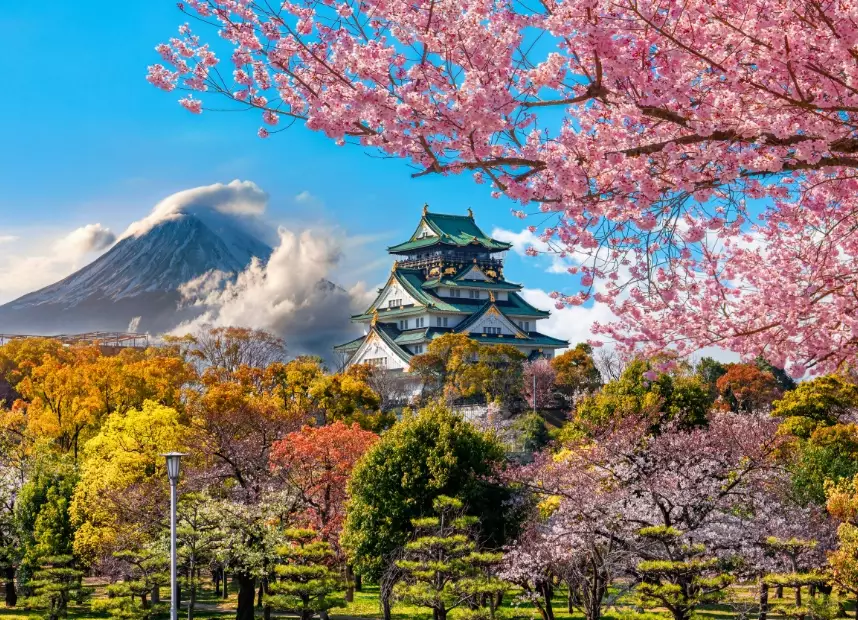
Day 6: Arashiyama & Kinkaku-ji. Go early to the Arashiyama Bamboo Grove (free, open 24/7) to beat the tour groups. Visit the nearby Tenryu-ji temple (¥500). Afternoon: Take a bus to Kinkaku-ji, the Golden Pavilion (¥400). It's stunning, but always packed—it's a see-it, snap-it, move-on kind of spot.
Day 7: Fushimi Inari & Downtown. Another early start for Fushimi Inari Shrine (free). The famous torii gate paths start right behind the main hall. You don't need to hike the whole mountain; even 30 minutes in is magical. Afternoon: Explore Nishiki Market ("Kyoto's Kitchen") and the shopping streets of Teramachi and Shinkyogoku.
Days 8-10: Osaka & Departure
Day 8: Travel to Osaka & Dotonbori. A quick 30-minute train ride from Kyoto to Osaka. Drop your bags. Dive into Dotonbori. This is Japan's street food epicenter. Must-tries: takoyaki from Aizuya, okonomiyaki from Mizuno (expect a line), and the iconic Glico Running Man sign.
Day 9: Osaka Castle & Umeda. Visit Osaka Castle (¥600 for the museum inside). The park grounds are lovely. Later, head to the Umeda district. See the city from the Umeda Sky Building's Floating Garden Observatory (¥1,500). It's a unique, open-air experience.
Day 10: Departure from KIX. Last-minute souvenir shopping at the airport. Kansai Airport (KIX) has excellent shops selling everything from Kit Kats to high-end knives.
Money, Manners, and Not-So-Obvious Tips
Tipping is not done. Leaving cash on the table can confuse and even offend. Excellent service is standard and included. A simple, sincere "arigato gozaimasu" (thank you) is perfect.
Onsen (Hot Spring) Etiquette: You must wash thoroughly at the shower stations before entering the shared bath. No swimsuits allowed. Tattoos can be problematic at public onsens; look for "tattoo-friendly" places or book a private onsen room.
Trash Cans are Rare. You'll notice a distinct lack of public trash bins. Carry a small plastic bag in your daypack for wrappers. Dispose of trash at your hotel or at convenience stores (which usually have bins for customers).
Jet Lag Strategy: On the flight over, try to sleep on Japan's nighttime schedule. As soon as you land, get into the sun. Force yourself to stay awake until a normal local bedtime. That first day is brutal, but it sets your clock right.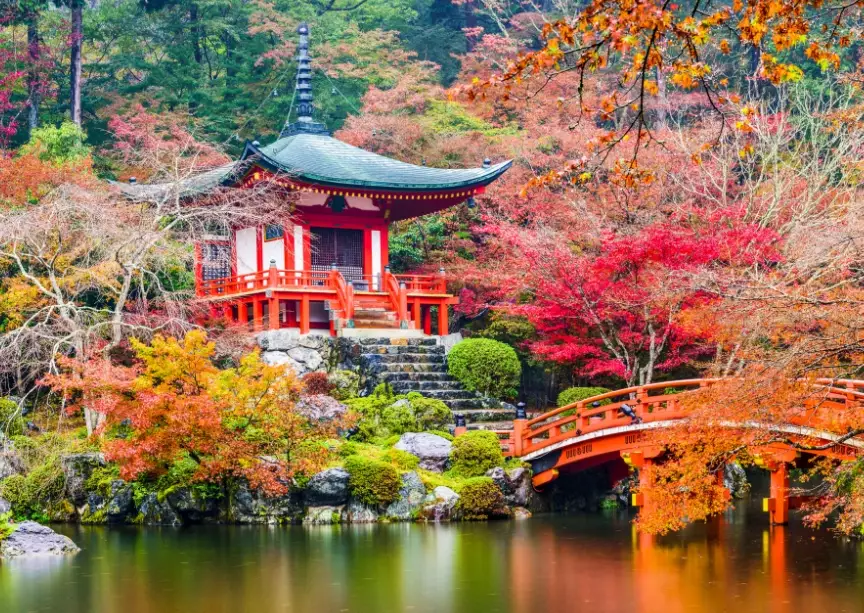
Your Japan Travel Questions, Answered
What's the best time of year to travel from the USA to Japan?
Late March to early April for cherry blossoms, and late October to November for autumn colors. These are the most beautiful but also the most crowded and expensive times. My personal favorite is late September/early October or May (after Golden Week). The weather is pleasant, and crowds are thinner.
How much should I budget for a 10-day trip to Japan from the USA?
Excluding international flights, a comfortable mid-range trip costs about $150-$250 per person per day. This covers a decent hotel, local transport, meals at a mix of casual and nice restaurants, and attraction entries. Budget travelers can squeeze it to $100/day with hostels and convenience store meals, while luxury can easily exceed $400/day.
Is it difficult to get around Japan if I only speak English?
Not at all in major cities. Train signs and maps are in English and Japanese. In restaurants, many have picture menus or plastic food displays. Younger Japanese often study English and are willing to help, even if shy. Learn a few basic phrases—"sumimasen" (excuse me), "arigato gozaimasu" (thank you)—it goes a long way.
I'm traveling solo from the US. Is Japan safe?
Japan is consistently ranked one of the safest countries in the world. Walking alone at night, even in big cities, feels remarkably safe. The main concern for solo travelers is the potential for loneliness in a culture where dining alone is common but not always socially interactive. Counter this by staying in hostels with common areas or booking a food tour.
What's one food I absolutely have to try that isn't sushi or ramen?
Go for okonomiyaki. It's a savory pancake loaded with cabbage, meat or seafood, and topped with sauce, mayo, and bonito flakes. In Osaka, they mix the ingredients together; in Hiroshima, they layer them. Find a local counter, watch it being made on the teppan grill in front of you, and dig in. It's hearty, delicious, and a true Japanese comfort food experience.



Comments