Let's get this out of the way first: most people treat Fukuoka as a transit hub. They fly in, maybe spend a night, then bolt for Hiroshima or Osaka. That's a mistake. After a decade of exploring Japan's less-trodden paths, I've found Fukuoka prefecture offers a blend of urban energy, deep history, and outrageous food that's hard to match. It's a city that feels lived-in, not just toured.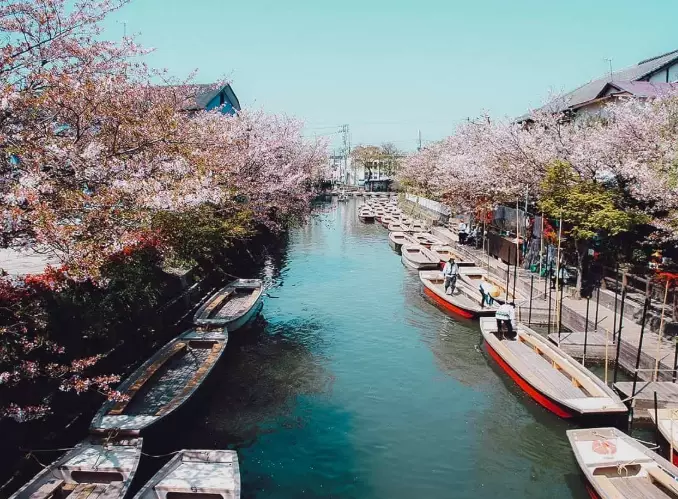
The core of Fukuoka is really two cities in one: the merchant district of Hakata and the modern downtown of Tenjin. This duality gives it a unique rhythm. You can pray at a 1,300-year-old shrine in the morning and be slurping world-class ramen from a street stall by lunch. The pace is relaxed, the people are famously friendly, and the subway system is so simple a jet-lagged traveler could navigate it.
Your Fukuoka Journey Starts Here
Must-Visit Attractions in Fukuoka
Don't make the classic tourist error of trying to tick every single shrine off a list. Focus on the ones with real atmosphere and a story.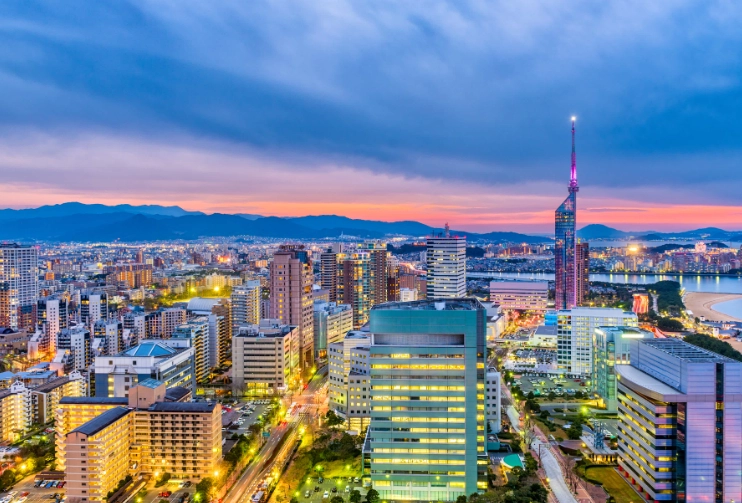
Dazaifu Tenmangu Shrine
This is the big one. Dedicated to the god of academics, it's perpetually swarmed with students praying for exam success. The approach is half the fun—a path lined with shops selling umegae mochi (grilled rice cakes with sweet bean paste). Go early, before the tour buses arrive from the cruise port.
Details: Open from 6:00 AM (varies seasonally), closing around sunset. Admission to the grounds is free; the treasure museum costs 500 yen. Address: 4-7-1 Saifu, Dazaifu, Fukuoka 818-0117. Take the Nishitetsu train from Tenjin Station to Dazaifu Station (about 30-40 minutes).
Hakata Old Town & Tocho-ji Temple
Skip the generic "canal city" malls for an afternoon. Wander the Hakata Machiya folk museum area to see traditional merchant houses. Then, head to Tocho-ji Temple. Everyone takes a photo of the giant wooden Buddha, but the real draw for me is the pitch-black tunnel underneath it you walk through, symbolizing a path to enlightenment. It's a visceral, memorable two-minute experience.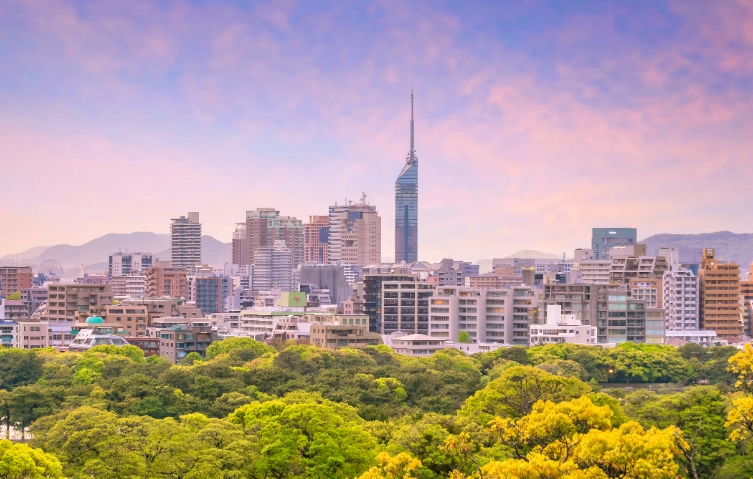
Ohori Park & Fukuoka Castle Ruins
Need a breather? Ohori Park is a massive, serene Japanese garden built around a former castle moat. It's where locals jog, walk their dogs, and paint. Adjacent are the ruins of Fukuoka Castle. There's not much castle left, but the stone foundations on the hill offer the best free panoramic view of the city. Come for sunset.
Fukuoka Tower? Sure, it's fine. The view is great. But it feels like any other city observation deck. If your time is limited, the castle ruins give you a view with more context.
How to Experience Fukuoka's Famous Food Culture
This is why you're here. Fukuoka is the birthplace of tonkotsu ramen (Hakata ramen) and the yatai (street food stall) culture is legendary.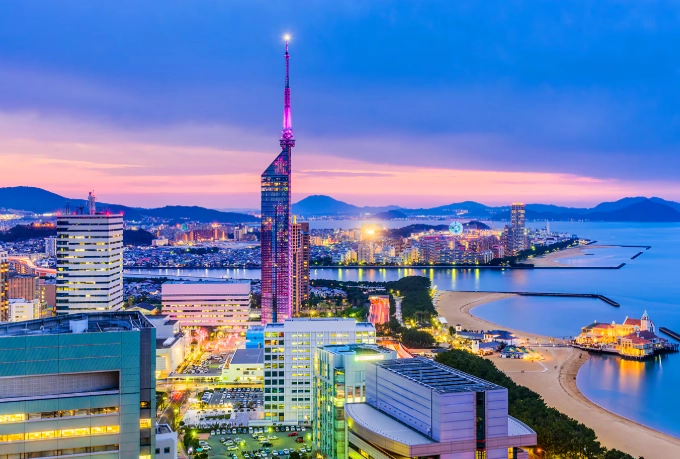
The Ramen Pilgrimage
You can't go wrong, but you can go generic. Avoid the chain outlets in the station unless you're desperate. For the classic, rich, pork-bone broth, head to the source.
| Shop Name | Area | What Makes It Special | Approx. Price |
|---|---|---|---|
| Ichiran (Head Store) | Hakata | The original solo-dining booth concept. Broth is consistently excellent, not just a tourist trap. | 890-1,200 yen |
| Ippudo (Tenjin) | Tenjin | Creamier, more refined broth. Often has a line, but it moves fast. Their gyoza are top-tier. | 850-1,100 yen |
| Ramen Stadium (Canal City) | Hakata | 8 different famous shops from across Japan under one roof. Good for comparisons if you're short on time. | 800-1,200 yen per bowl |
Conquering the Yatai Stalls
The yatai along the Naka River in Nakasu are iconic. They're also packed with tourists and can feel a bit performative. My advice? Go to one for the experience, then explore other clusters.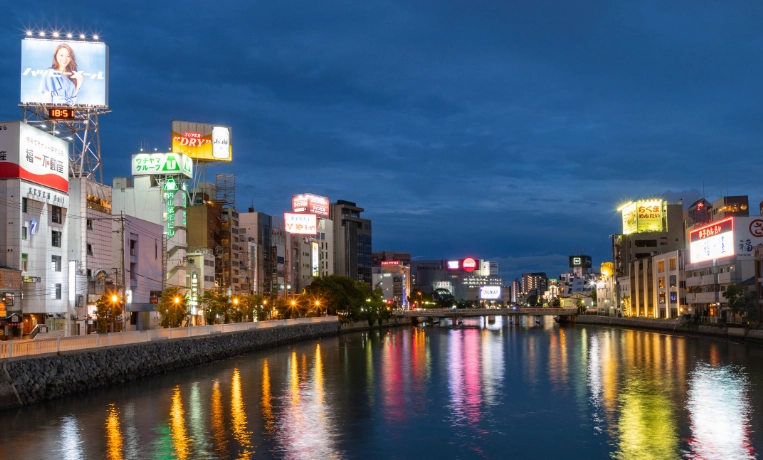
The Nagahama district yatai are the real deal—often just a few stools, specializing in ramen for the local workers. Or, walk the backstreets of Tenjin. You'll find tiny stalls serving oden (hot pot) or yakitori. The rule: if it's full of locals chatting with the owner, you're in the right place. Don't be shy; just point at what looks good. A typical meal with a drink runs 1,500-2,500 yen.
Pro Tip: Most yatai open around 6-7 PM. Arrive at 6:15 to get a seat without the long wait. Cash only, always.
Beyond Ramen: Mentaiko & More
Fukuoka claims mentaiko (spicy cod roe) as its own. Try it on pasta, in onigiri, or straight up at a specialist shop like Fukuyoshi in the Tenjin markets. For a unique local dish, seek out motsunabe (offal hotpot). It sounds challenging, but it's a savory, communal meal perfect for a group dinner. Motsunabe Yamaya in Nakasu is a reliable choice.
Planning Your Fukuoka Itinerary: A 3-Day Sample
Here's a realistic, paced plan that mixes highlights with local flavor.
Day 1: Hakata's Heart. Morning at Kushida Shrine and the Hakata Machiya. Lunch at a Hakata ramen shop (maybe Ichiran's head store). Afternoon exploring Canal City (for shopping) or the Fukuoka Asian Art Museum. Evening: Yatai hopping in Nagahama or along the river.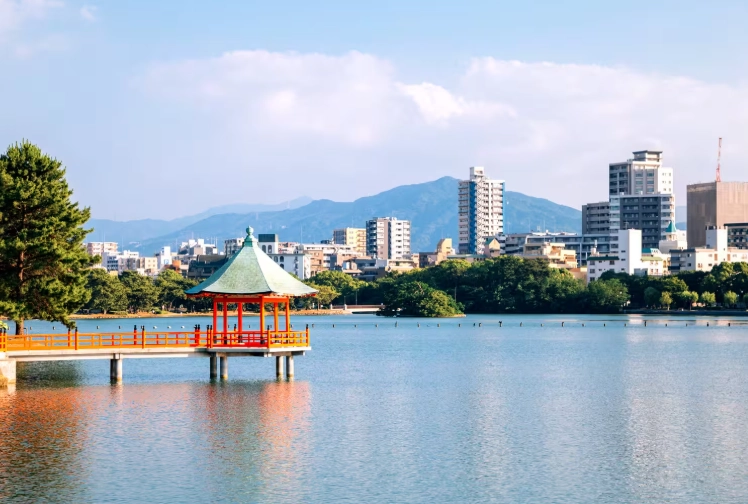
Day 2: History & City Views. Train to Dazaifu Tenmangu (arrive by 9 AM). Explore the shrine and the adjacent Kyushu National Museum. Return to the city for a late lunch. Spend the late afternoon at Ohori Park, walking up to the Fukuoka Castle ruins for the view. Dinner in Tenjin—try a mentaiko-focused restaurant or a teppanyaki place for local beef.
Day 3: Choose Your Adventure.
Option A (Coastal): Train to Itoshima Peninsula. Rent a bike, visit the futuristic Sakurai Futamigaura Wedding Chapel (and the famous "husband and wife" rocks), have fresh seafood lunch at a shack by the water.
Option B (Traditional): Train to Yanagawa (about 50 min) for a relaxing, narrated boat ride through the old canal city. Eat the local specialty, unagi no seiro-mushi (steamed eel).
Option C (Urban): Hit the department store basements (depachika) in Tenjin for gourmet souvenirs, visit the Fukuoka City Museum, then relax at a rooftop bar.
Where to Stay in Fukuoka: Area Breakdown
Location is everything. Fukuoka's subway has just three lines, so staying near a station on the red (Kuko) or blue (Hakozaki) line is key.
- Hakata Station Area: Best for convenience. You're on top of the main train station (for Shinkansen and airport access) and subway. Tons of food options, but the area can feel a bit sterile at night. Great for short stays or if you're doing day trips. (Hotels: The Blossom Hakata Premier, Hotel Nikko Fukuoka).
- Tenjin: The beating heart. Best for shopping, nightlife, and dining. You're central to everything. More energy, more choices. The subway connects you to Hakata Station in 5 minutes. (Hotels: Hotel Okura Fukuoka, Dormy Inn Premium Hakata Gion).
- Nakasu/Kawabata: The historic entertainment district between Hakata and Tenjin. Right in the middle of the yatai action and close to the river. Can be noisy but incredibly vibrant. (Hotels: Richmond Hotel Fukuoka Tenjin, Plaza Hotel Premier).
I usually recommend Tenjin for first-timers. You step outside and you're in the middle of it all.
Practical Tips for Your Fukuoka Trip
A few things I've learned the hard way.
Getting Around: The subway is your friend. Get a one-day pass (620 yen) if you'll make more than three trips. For the airport, the subway is the cheapest and fastest (5 minutes to Hakata Station, 350 yen). Taxis are plentiful but pricey.
Money: While credit cards are accepted in department stores and hotels, yatai, small ramen shops, and local markets are cash-only. Always have a few thousand yen on you.
When to Go: Spring (March-May) and Autumn (October-November) are ideal. Summer (July-September) is brutally hot and humid. The highlight is Hakata Gion Yamakasa in early July, a wild, ancient festival with teams carrying massive floats through the streets at dawn. Book accommodation a year in advance if you plan to see it.
A Common Mistake: Visitors spend all their time in the city center. The Fukuoka City Tourist Information website (a great official resource) can give you ideas for day trips—the nearby hot spring towns, the pottery village of Arita, or the sand dunes of Saga are all within 90 minutes.
Fukuoka Travel Questions Answered
Fukuoka's charm isn't in a checklist of sights. It's in the steam rising from a ramen bowl at midnight, the quiet of a mossy shrine garden steps from a bustling street, and the ease of getting around without feeling crushed. Give it more than a layover. You'll leave planning your next trip back before you've even boarded the plane home.


Comments