Journey Highlights
- Untangling the Three Ranges: North, Central, and South
- Getting There and Getting Around (The Realistic View)
- Where to Stay: From Mountain Huts to Onsen Ryokans
- Hiking and Trails: Finding Your Path
- When to Go: Seasons in the Alps
- Beyond Hiking: Culture, Food, and Detours
- Budgeting for Your Trip (The Real Numbers)
Let's be honest. When you think of Japan, you probably picture neon-lit Tokyo streets, ancient temples in Kyoto, or maybe steaming bowls of ramen. The Japanese Alps? That often comes as a surprise. I know it did for me, years ago, when a friend showed me photos that looked like they were from Switzerland, not the land of sushi and samurai.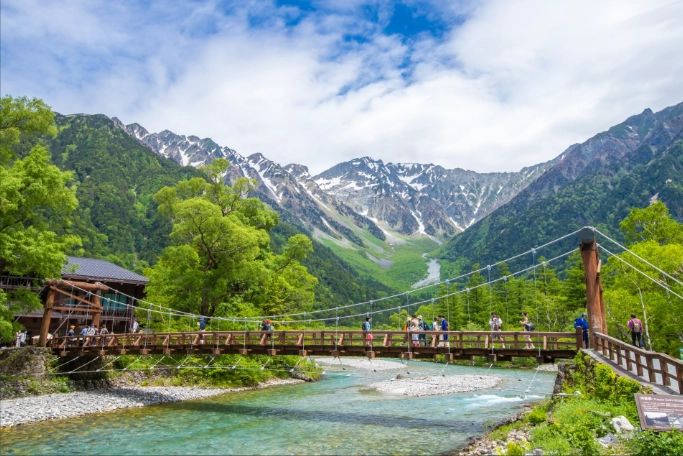
But there they are, a massive spine of mountains splitting central Honshu, offering some of the most spectacular and accessible alpine scenery in all of Asia. My first trip there was a bit of a mess—I packed wrong, underestimated the transport, and ended up in a tiny ryokan that was way over my budget. I learned the hard way so you don't have to.
This guide is everything I wish I'd known before planning my Japanese Alps travel. We're not just talking about a quick day hike. We're diving into the whole experience: the jaw-dropping valleys, the rustic onsen villages, the logistics that can make or break your trip, and the quiet moments that stick with you long after you've left.
Untangling the Three Ranges: North, Central, and South
First things first. "Japanese Alps" is a bit of a catch-all term. A British missionary named Walter Weston popularized it in the late 1800s, and it stuck. Geographically, it's divided into three main ranges, each with its own personality. Getting this straight in your head is the first step to planning your Japanese Alps travel itinerary.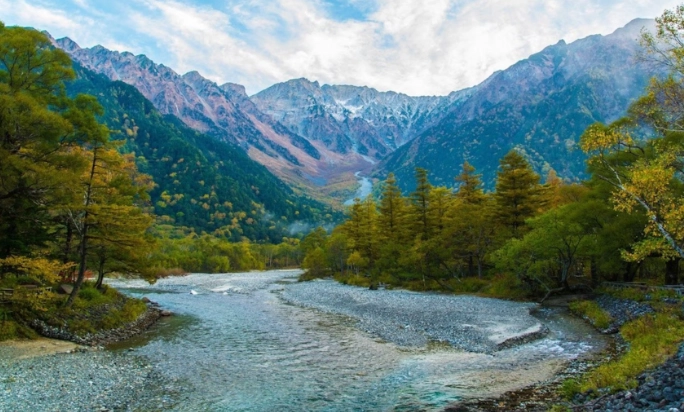
The Hida Mountains (Northern Alps)
This is the poster child. When you see those iconic photos of Kamikōchi Valley with the sharp peaks of the Hotaka range reflected in the Azusa River, that's the Hida Mountains. This is the most popular area for a reason—it's stunningly beautiful and has the best infrastructure for visitors. Think of this as the gateway range. It's where most first-timers, including myself, start their Japanese Alps adventure.
Key spots here include Kamikōchi (a vehicle-restricted highland valley), the historic castle town of Matsumoto (your likely base), and the remote hot spring village of Shirahone Onsen. The hiking here ranges from easy boardwalk strolls in Kamikōchi to serious multi-day treks along the ridgelines.
The Kiso Mountains (Central Alps)
Often overlooked, and that's part of their charm. The Kiso range is lower and more heavily forested, famous for its beautiful cypress wood (Kiso Hinoki). The main attraction here is Mount Ontake, Japan's second-highest volcano and a sacred pilgrimage site. The vibe here is more spiritual and secluded. The old post towns of the Nakasendō trail, like Tsumago and Magome, sit at the foot of these mountains, offering a perfect blend of history and nature.
The Akaishi Mountains (Southern Alps)
The wild ones. This is the most remote and rugged range, with some of the least-developed trails. It's for the more experienced hiker who wants solitude. The crown jewel is Mount Kita, the second-highest peak in Japan. Access is trickier, facilities are fewer, and the weather can be more volatile. I haven't done a multi-day trek here yet—it's still on my list—but friends who have describe it as the most rewarding and challenging hiking in Japan.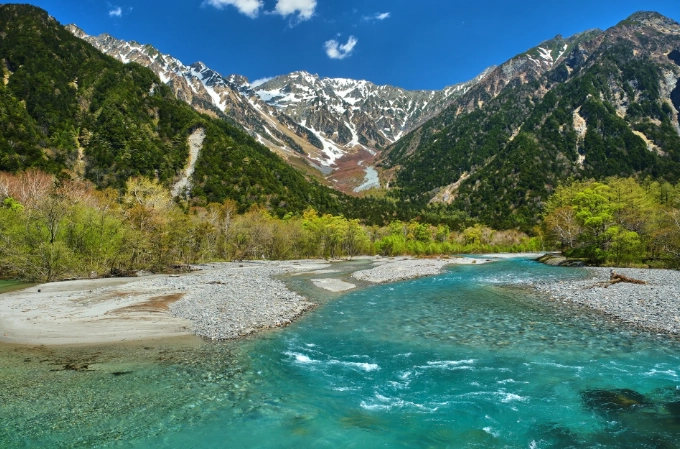
| Range (Japanese Name) | Best For | Signature Experience | Access Town | Vibe |
|---|---|---|---|---|
| Hida Mountains (Hida-sanmyaku) | First-timers, photographers, classic alpine views | Walking the Kamikōchi valley with views of Yakedake volcano | Matsumoto | Bustling, well-organized, iconic |
| Kiso Mountains (Kiso-sanmyaku) | History buffs, forest bathing, spiritual hikes | Hiking between the preserved post towns of the Nakasendō | Nagiso / Nakatsugawa | Quiet, historical, serene |
| Akaishi Mountains (Akaishi-sanmyaku) | Experienced backpackers, solitude seekers | Summiting Mount Kita (Kitadake) for ultimate bragging rights | Kofu / Minami-Alps City | Remote, rugged, challenging |
Choosing your range is the biggest decision you'll make. Don't try to cram all three into one trip unless you have weeks.
Getting There and Getting Around (The Realistic View)
This is where many blogs gloss over the details, and it's crucial. The mountains aren't next to a Shinkansen station. You need a strategy.
Your main gateways are cities like Tokyo and Nagoya. From Tokyo, you'll take the JR Azusa or Super Azusa limited express train to Matsumoto (about 2.5-3 hours). From Nagoya, you can access the Kiso Valley more directly. I always book my seat reservations for these trains a few days in advance, especially during peak seasons (Golden Week in May, Obon in August, autumn foliage). Standing for three hours after a long flight is no fun.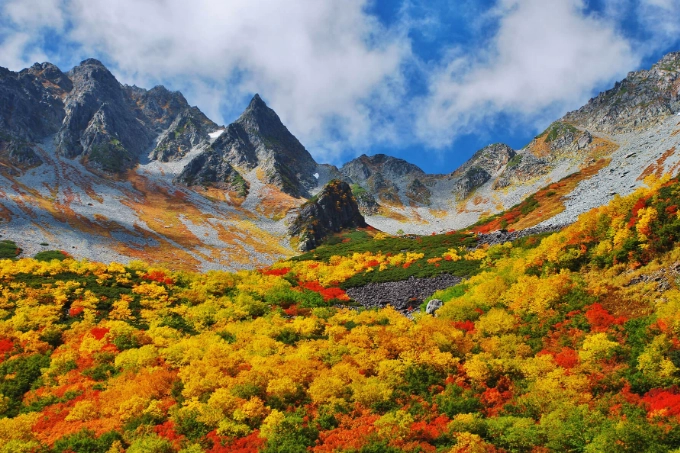
Once you're in a base town like Matsumoto, you'll rely on buses or local trains to get into the mountains. The bus from Matsumoto Station to Kamikōchi is smooth and scenic (about 1 hour 20 minutes). But here's a personal gripe: the bus schedules aren't always frequent, and the last bus back can be surprisingly early (like 5 PM). Miss it, and you're looking at a very expensive taxi or a stranded night. Always, always check the latest timetables on the operator's website the day before. I use Alpico Kōtsū's access page for Kamikōchi info.
For the more remote trailheads, you might need to use a combination of local trains and infrequent rural buses. Patience is key. Renting a car gives you incredible freedom, but mountain roads can be narrow and intimidating if you're not used to them. Parking in popular places like Kamikōchi is also expensive and limited.
Where to Stay: From Mountain Huts to Onsen Ryokans
Your accommodation defines your Japanese Alps travel experience. You have a spectrum of options.
In the cities and towns at the base of the mountains (Matsumoto, Takayama, Omachi), you'll find standard business hotels and the occasional Airbnb. They're practical and affordable.
The real magic, though, happens when you stay in the mountains. This means either a mountain hut ( yamagoya) or a hot spring inn (onsen ryokan) in a village like Hirayu or Shirahone.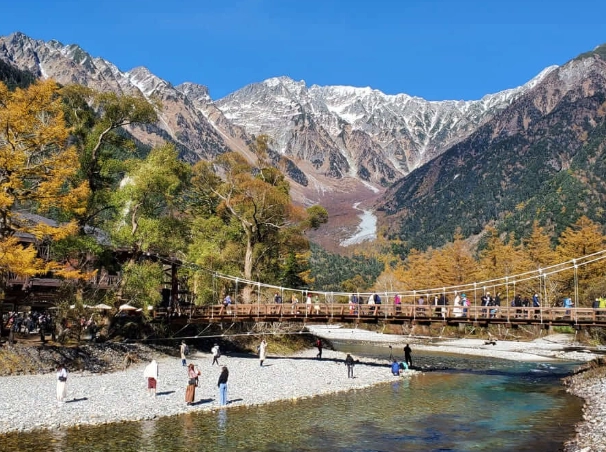
Mountain Huts: A Unique Experience
If you're on a multi-day hike, you'll likely stay in these. Don't expect luxury. You're paying for a roof, a hot meal (often surprisingly good curry rice!), a futon in a shared dormitory, and priceless camaraderie. They are basic, often have no running water for showers (just to wash your face), and the toilets might be pit toilets. But sipping tea on the deck as the sun sets over a sea of clouds is unforgettable. Bookings are essential in peak season and usually require a phone call in Japanese—many now have online forms or work through booking sites.
Onsen Ryokans: The Ultimate Reward
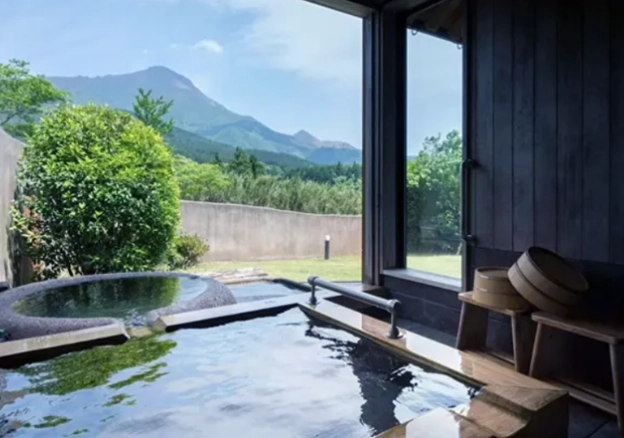
After a day of hiking, nothing beats a traditional ryokan with a hot spring bath. Towns like Hirayu Onsen, Shin-Hotaka Onsen, and Shirahone Onsen are built around this concept. You'll pay more, but it's an experience. A typical stay includes a kaiseki (multi-course) dinner and breakfast, a yukata robe to wear, and access to the baths. Shirahone is famous for its "milky" sulfurous waters that are said to heal muscles. Be warned: these places book up months in advance for autumn foliage season.
Hiking and Trails: Finding Your Path
You don't have to be a seasoned mountaineer to enjoy the Japanese Alps. The beauty is the variety.
For Beginners & Families: Kamikōchi is your best friend. It's a flat, paved valley walk along the Azusa River. The walk from the bus terminal to the iconic Kappa Bridge and then to the Myojin Pond area is about 2-3 hours round trip, with minimal elevation gain. It's a nature walk on steroids, with incredible views the whole way. Just be ready for crowds on a nice Saturday in October.
For Day Hikers: From Kamikōchi, you can take a cable car and chairlift up to the start of the hike to Mount Nishihotaka-dake. It's a strenuous but manageable day hike with phenomenal ridge views. Another fantastic day hike is the Senjōjiki Cirque and Mount Hōken near Komagane, accessible by ropeway.
For Multi-Day Trekkers: This is the real deal. The most famous route is the Kamikōchi – Mount Yari – Mount Hotaka – Kamikōchi loop, which takes 3-4 days. It involves chain ladders, exposed ridges (the famous Daikiretto), and requires proper fitness and gear. Another epic trek is the traverse of the Akaishi range. For these, you must be self-sufficient, check weather obsessively, and understand mountain safety. The JNTO's hiking safety page is a mandatory read.
What should you pack? Beyond the usual hiking gear (good boots, rain layers, map), here are Japan-specific items:
- Cash: Huts and most mountain cafes do not take credit cards.
- Trash Bag: You are expected to carry all your trash out. There are almost no public trash cans on trails.
- Small Towel: For drying off at hut water sources or public onsens.
- Slip-on Shoes/Sandals: For wearing inside huts and ryokans.
- Seal Stamp Book (Goshuinchō): If you visit mountain shrines or summits, you can get a beautiful calligraphic stamp as a souvenir.
When to Go: Seasons in the Alps
Each season paints the mountains differently, and your Japanese Alps travel plans will hinge on this.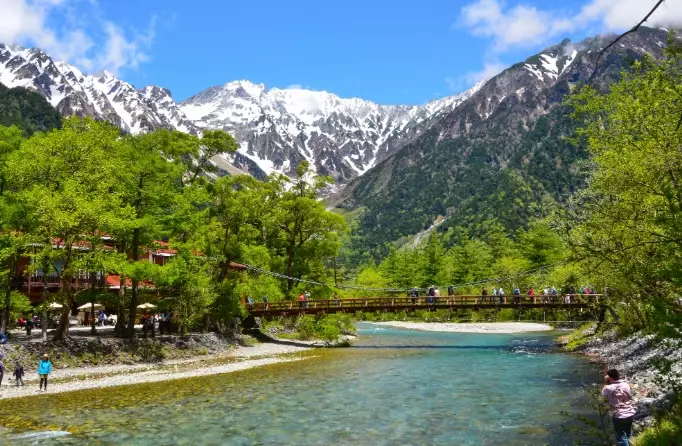
Spring (Late April – June): The snow melts at lower elevations. May is lovely in Kamikōchi, but the high peaks are still snow-covered, requiring crampons and ice axes for climbing. Late June sees stunning alpine flowers bloom.
Summer (July – Mid-September): The official hiking season. All trails and huts are open. The weather is generally stable (though afternoon thunderstorms are common), and the mountains are lush and green. This is also the busiest time. August can be surprisingly hot and humid in the valleys.
Autumn (Late September – Early November): My personal favorite. The crowds thin out after early October, the air is crisp, and the fall colors are insane. The kōyō (autumn leaves) start at the peaks in late September and sweep down to the valleys by early November. It's the most popular season for photography and onsen stays. Book everything far, far in advance.
Winter (December – April): A completely different world. Most hiking trails are closed due to heavy snow. However, this is the time for ski resorts like Hakuba (host of the 1998 Winter Olympics) and Nozawa Onsen. It's a world-class ski destination with fantastic powder snow and, you guessed it, onsens to soak in after a day on the slopes.
Beyond Hiking: Culture, Food, and Detours
Japanese Alps travel isn't a 24/7 endurance test. Weaving in cultural stops makes the trip richer.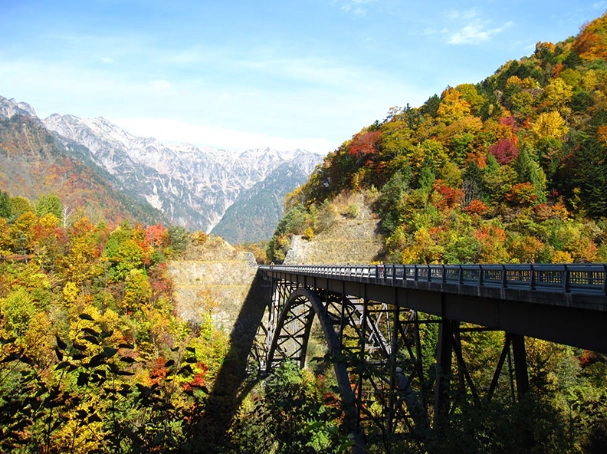
Matsumoto Castle: One of Japan's most beautiful original castles, nicknamed "Crow Castle" for its black walls. It's a perfect stop before or after your mountain time. The official Matsumoto Castle website has great historical info.
Takayama Old Town: If you're in the northern Alps, a visit to Takayama's beautifully preserved merchant district is a must. Try the famous Hida beef sushi from a street stall.
The Food: Mountain food is hearty and delicious. You'll find:
- Hōba Miso: Miso paste grilled on a magnolia leaf, often with mushrooms.
- Soba: The region is famous for buckwheat noodles. Try them cold (zaru soba) with a dipping sauce.
- Oyaki: Steamed or grilled dumplings stuffed with vegetables or sweet bean paste.
- Local Sake: The clean mountain water makes for excellent sake. Breweries in Matsumoto and Takayama offer tours and tastings.
Budgeting for Your Trip (The Real Numbers)
Let's talk money bluntly. Japan isn't a cheap destination, and the Alps, being a specialized tourist region, can be pricey. Here’s a rough daily breakdown for a mid-range traveler, not counting flights to Japan:
- Accommodation (Mountain Hut or Budget Ryokan): 9,000 - 15,000 JPY
- Food (Hut meals/Bento/Local restaurants): 4,000 - 7,000 JPY
- Transport (Local buses, trains, cable cars): 3,000 - 6,000 JPY
- Incidentals (Onsen entry, souvenirs, snacks): 1,000 - 3,000 JPY
Total per day: Approx. 17,000 - 31,000 JPY (about $110 - $200 USD). You can do it cheaper by camping (where allowed) and cooking your own food, or spend much more on luxury ryokans.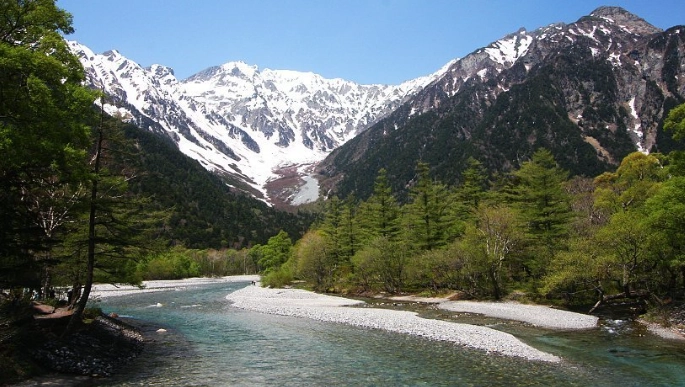
Your Japanese Alps Travel Questions, Answered
So, is Japanese Alps travel for you?
If you love nature, don't mind a bit of logistical planning, and want to see a side of Japan that feels a world away from its high-tech image, then absolutely. It's an adventure that engages all your senses—the smell of wet earth and sulfurous springs, the taste of cold soba, the ache of well-used muscles, the sound of absolute silence on a mountain pass.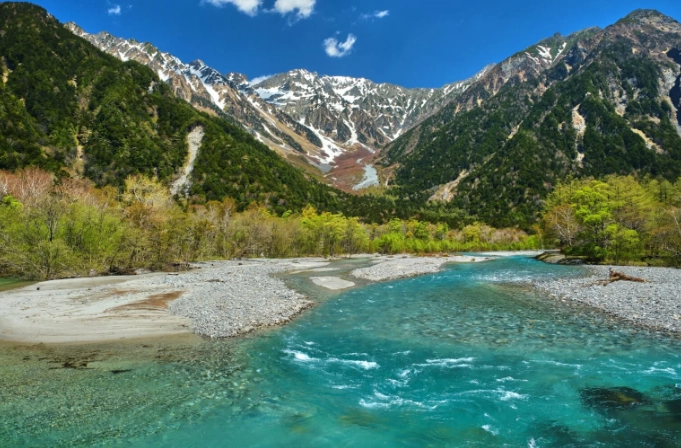
Start with Kamikōchi. Fall in love with the views. Then maybe next time, you'll venture deeper into the Kiso forest or challenge the peaks of the Akaishi. The mountains have a way of calling you back. Mine sure did.
Just remember to pack your sense of adventure, and maybe an extra pair of dry socks.

Comments