So you're planning to live in Japan and want to understand the cost of living in Japan. Let's start with the cost of living in Japan.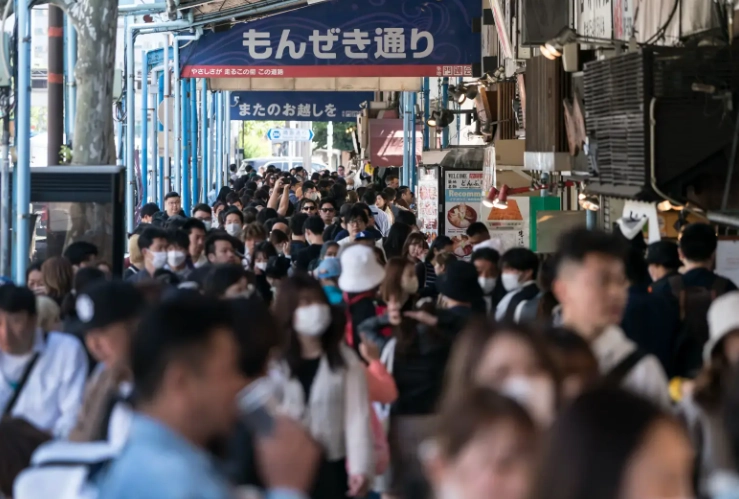
Living in Japan: What You Need to Know About Life Cost in Japan
Living in Japan, you'll need to know the basics of living in Japan, you'll need to know the cost of living in Japan.
Living in Japan: What You Need to Know About Life Cost in Japan
Living in Japan, you'll need to know the cost of living in Japan.
Living in Japan: What You Need to Know About Life Cost in Japan
Living in Japan, you'll need to know the cost of living in Japan.
Here’s the thing: everyone talks about Japan being expensive, but after five years in Tokyo and Osaka, I’ve seen people blow their budget on things that don’t matter. Let’s cut through the noise. Life cost in Japan isn’t just about high rent; it’s about smart choices. In this guide, I’ll walk you through real numbers, common pitfalls, and ways to stretch your yen.
Jump to What Matters
Understanding the Basics of Life Cost in Japan
First off, Japan’s cost of living varies wildly by location. Tokyo and Osaka are pricier, but cities like Fukuoka or Sendai offer relief. According to data from the Japanese Ministry of Internal Affairs and Communications, urban areas see costs 20-30% higher than rural ones. But it’s not just geography—your lifestyle matters more. If you’re eating out every day or buying imported goods, your wallet will feel it.
I remember my first month in Shinjuku. I spent ¥15,000 on coffee alone because I kept hitting Starbucks. A local friend pointed me to kissaten (traditional cafes) where coffee costs ¥300. Lesson learned: adapt fast.
Key Factors Influencing Your Expenses
Three things shape your life cost in Japan: accommodation, food, and transport. Accommodation is the big one, especially in Tokyo where space is tight. Food can be cheap if you cook, but convenience stores tempt you. Transport adds up if you commute daily; a monthly pass from Yokohama to Tokyo runs about ¥20,000.
Utilities like electricity peak in summer and winter due to AC and heating. Internet and phone plans are another chunk—expect ¥5,000-¥10,000 monthly for decent data. Health insurance, based on income, often surprises newcomers; it’s mandatory and can cost ¥10,000-¥20,000.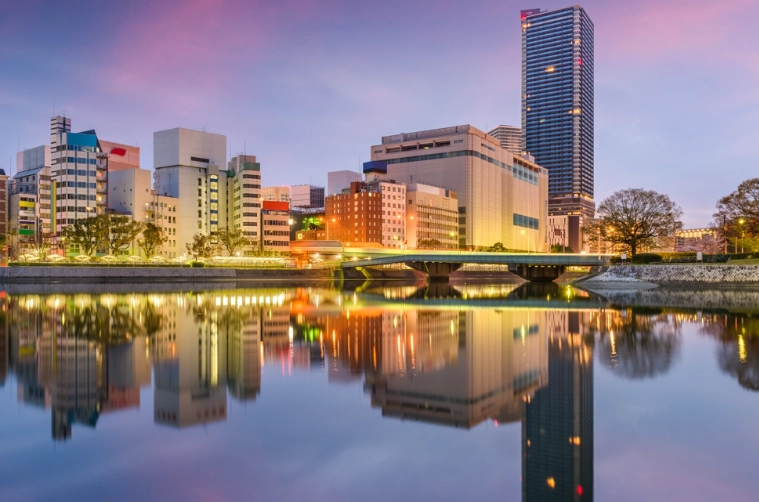
Breaking Down Monthly Expenses: A Detailed Look
Let’s get specific. Here’s a table based on average costs for a single person in Tokyo, pulled from my experience and reports like the Numbeo cost of living index. Remember, these are estimates—your mileage may vary.
| Expense Category | Low-End (¥) | Mid-Range (¥) | High-End (¥) | Notes |
|---|---|---|---|---|
| Rent (1K apartment) | 80,000 | 120,000 | 200,000+ | Central areas like Shibuya cost more; look at Nakano or Adachi for deals. |
| Food & Dining | 40,000 | 60,000 | 100,000+ | Cooking saves money; konbini meals are ¥500 each. |
| Transportation | 8,000 | 15,000 | 30,000 | Monthly commuter passes vary by distance; cycling cuts costs. |
| Utilities (electricity, water, gas) | 10,000 | 15,000 | 25,000 | Summer and winter spikes due to heating/cooling. |
| Internet & Phone | 7,000 | 10,000 | 20,000 | MVNOs like IIJmio offer cheap data plans. |
| Miscellaneous (entertainment, etc.) | 20,000 | 40,000 | 70,000 | Includes movies, drinks, and unexpected buys. |
So, a moderate monthly budget in Tokyo might be ¥250,000-¥350,000. In Osaka, knock off 15-20%. Outside major cities, it can drop to ¥150,000.
Accommodation Costs in Major Cities
Rent is the killer. In Tokyo, a 1K (one room + kitchen) apartment in a decent area averages ¥120,000. But upfront costs hurt: key money (reikin), deposit, and agency fees can total 4-6 months’ rent. That’s ¥480,000 on a ¥120,000 place! Many expats skip this by using services like UR Housing, which waive key money.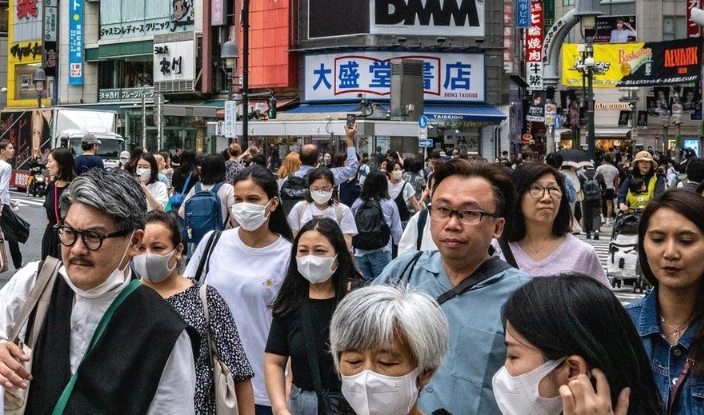
I lived in a 20-square-meter place in Koenji for ¥95,000. It was old but near the station. Friends in newer buildings paid ¥140,000. If you’re on a tight budget, consider share houses—they start at ¥50,000 including utilities.
Food and Dining: From Convenience Stores to Fine Dining
Food costs depend heavily on habits. Groceries at supermarkets like Aeon or Ito Yokado can be ¥30,000 monthly if you buy local. Imported items? Double that. A loaf of bread is ¥200; milk, ¥150. Eating out: ramen shops charge ¥800-¥1,200, while izakaya dinners run ¥2,000-¥4,000 per person.
My trick: shop at gyomu super (discount stores) for bulk items. A bag of rice costs ¥2,000 and lasts a month. For protein, chicken is cheap—¥300 for 200g. Avoid convenience stores for daily shopping; they’re convenient but pricier.
Transportation: Getting Around Efficiently
Japan’s trains are efficient but not always cheap. A one-way ticket in Tokyo starts at ¥140. Monthly passes (teiki) save money if you commute regularly. From Saitama to Tokyo, it’s about ¥15,000 monthly. Buses and subways add up.
Cycling is huge. I bought a used bike for ¥10,000 and saved ¥8,000 monthly on transport. Just watch for parking rules—fines exist. For longer trips, highway buses or discount airlines like Peach are cheaper than shinkansen.
How to Save Money While Living in Japan: Insider Tips
Everyone wants to save, but few know where to start. Here’s what I learned the hard way.
Shopping Smart for Groceries
Supermarkets discount items in the evening. Hit Seiyu after 7 PM for half-price bento boxes. Farmers’ markets (like those in temples) offer fresh produce cheap. Don’t overlook 100-yen shops like Daiso for household goods—they’re lifesavers.
A common mistake: buying imported snacks. Stick to local brands; you’ll save 30-50%. Also, use point cards—places like Aeon give points that add up to discounts.
Using Public Transport Like a Local
Get a commuter pass; it’s often cheaper than daily tickets. Walk or cycle for short trips. For trains, avoid peak hours to save on stress, not money, but consider discount tickets like the Tokyo Metro pass for tourists. If you’re moving around, a rail pass might help, but residents need to look for local deals.
Case Study: A Month in Tokyo on a Moderate Budget
Let’s say you earn ¥300,000 monthly. Here’s a breakdown:
- Rent: ¥100,000
- Food: ¥60,000 (cooking most meals, eating out twice a week)
- Transport: ¥15,000
- Utilities: ¥15,000
- Phone/Internet: ¥10,000
- Entertainment: ¥30,000
- Savings: ¥70,000
It’s tight but doable. Cut entertainment to ¥20,000 and save more. Or, find a cheaper place outside the city center.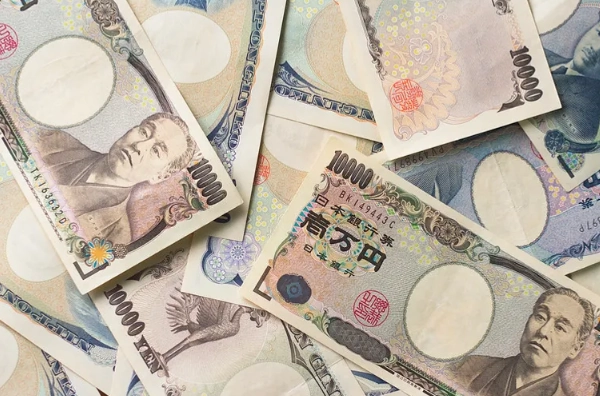
Common Misconceptions About Life Cost in Japan
Many think Japan is unaffordable, but hidden costs bite harder. For example, recycling fees for appliances can be ¥5,000-¥10,000. Health insurance premiums rise with income, so budget accordingly. Also, seasonal gifts (like summer omiyage) add unexpected expenses—I spent ¥5,000 last August just on snacks for coworkers.
Another myth: everything is high-quality. Not true. Cheap apartments might have mold or poor insulation, raising heating costs. Do your research before signing a lease.
FAQ: Your Burning Questions Answered
Living in Japan doesn’t have to break the bank. Plan ahead, adapt quickly, and enjoy the experience. If you’ve got more questions, drop a comment—I’ll try to help based on my time here.



Comments