Beppu isn't just another hot spring town. It's a place where the earth feels alive, hissing and bubbling at every corner. Most guides will just tell you to do the "Hell Tour" and leave. That's like visiting Paris and only seeing the Eiffel Tower from the parking lot. You miss the depth. After multiple trips, I've found the rhythm of this place—the quiet moments in a hidden rotemburo, the perfect post-onsen meal, the way to navigate the crowds. This isn't a list; it's a blueprint for experiencing Beppu properly.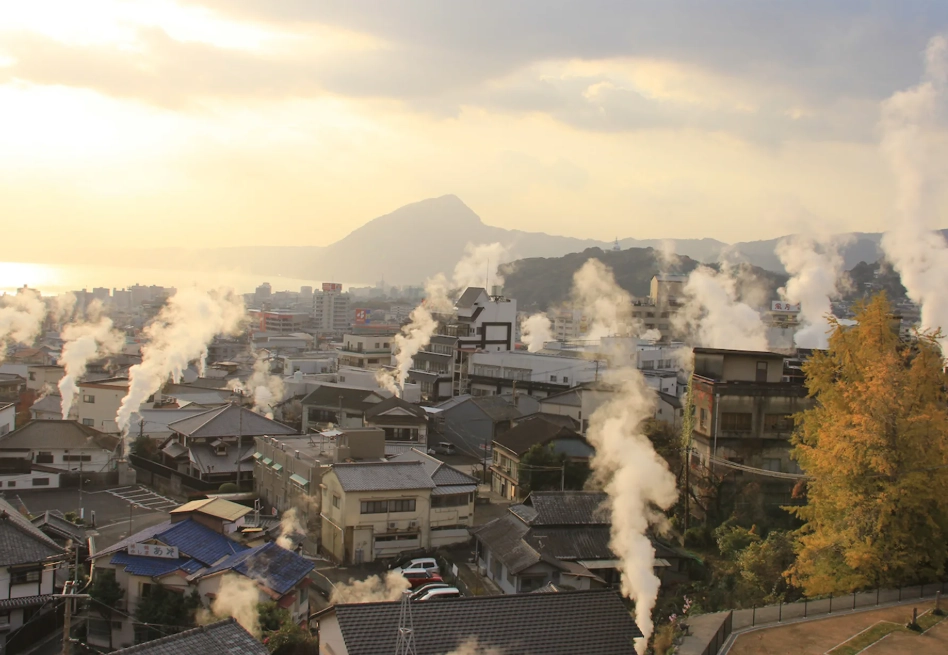
Your Beppu Trip Roadmap
The Unmissable Beppu Jigoku (Hell) Tour
Let's get this straight: the "Hells" (Jigoku) are for looking, not bathing. They're spectacular, sometimes garish, geothermal displays. The classic circuit involves seven main hells, split between the Kannawa and Shoninike areas. A combo ticket for all seven costs around 2,200 yen, saving you money. But is that all there is to Beppu? Not even close.
| Hell Name | Location | Ticket (Yen) | Key Feature | Hours (Typical) |
|---|---|---|---|---|
| Umi Jigoku (Sea Hell) | Shoninike Area | 550 (or combo) | Vivid cobalt blue boiling pond, serene secondary garden. | 8:00 - 17:00 |
| Oniishibozu Jigoku (Monk's Head Hell) | Kannawa Area | 550 (or combo) | Gray mud pools that bubble like a monk's shaved head. | 8:00 - 17:00 |
| Chi no Ike Jigoku (Blood Pond Hell) | Kannawa Area | 550 (or combo) | Striking red-hot pond from iron oxide. | 8:00 - 17:00 |
| Tatsumaki Jigoku (Tornado Hell) | Kannawa Area | 550 (or combo) | Geyser that erupts every 30-40 mins. | 8:00 - 17:00 |
My take? Umi Jigoku is the crown jewel. It feels more like a botanical garden with a hellish centerpiece. The others in Kannawa can feel a bit like a geothermal theme park—fun, but crowded. Go early. I mean, be there at 8:15 AM early. By 10:30, the tour buses unload and the magic fades.
Pro Tip: Don't just do the "Big Seven." The Hyotan Onsen complex, often missed, has a fantastic collection of unique baths (including a cave bath) right in the Kannawa area. It's a perfect pivot from viewing hells to experiencing the water.
How to Get Around the Hells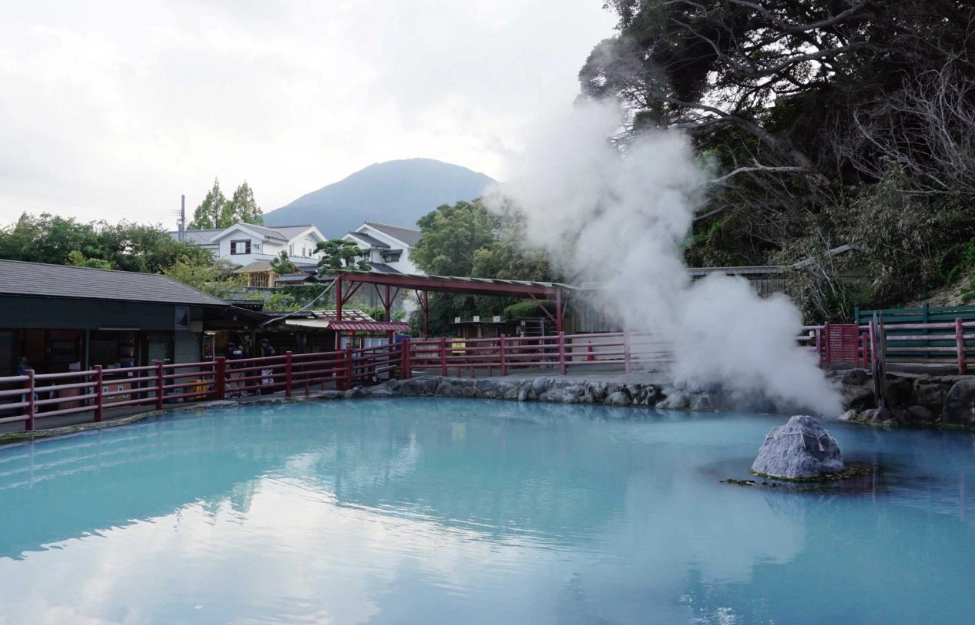
The Kannawa hells are walkable from each other (5-10 mins between). To get from Kannawa to the Shoninike area (Umi Jigoku), take the local bus (line 2, 5, 41, or 43) from "Kannawa" stop to "Umi Jigoku-mae" stop. Takes about 15 mins, costs around 230 yen. A taxi between zones costs about 1,500 yen—worth it for a group of three or four to save time.
Beyond the Hells: Beppu's Diverse Onsen Experiences
This is where Beppu shines. The hells are the poster child, but the bathing culture is the soul.
Takegawara Onsen (Address: 16-23 Motomachi, Beppu) is the historic public bath. For 150 yen, you step into a classic, slightly austere wooden hall. The sand bath here is iconic—you get buried in naturally heated sand. It's a strange, wonderful, and deeply relaxing weight. Costs 1,500 yen with yukata rental. Open 8:30-21:00.
But here's a local secret many miss: the Kamegawa Onsen area, a short walk from Takegawara. It's less polished, more local. Try Shoninhama, a free, rustic foot bath on the beach. Sit, soak your feet, and watch the sunset over Beppu Bay. It's pure, uncommercialized Beppu.
For a truly unique experience, head to Myoban Onsen area for the Yunohana Gama (gypsum huts). You see traditional thatched huts where mineral crystals are harvested from the steam. It's like stepping back in time. There are small, affordable public baths here too, like Myoban Onsen Yumoto.
Where to Stay in Beppu: Ryokans and Hotels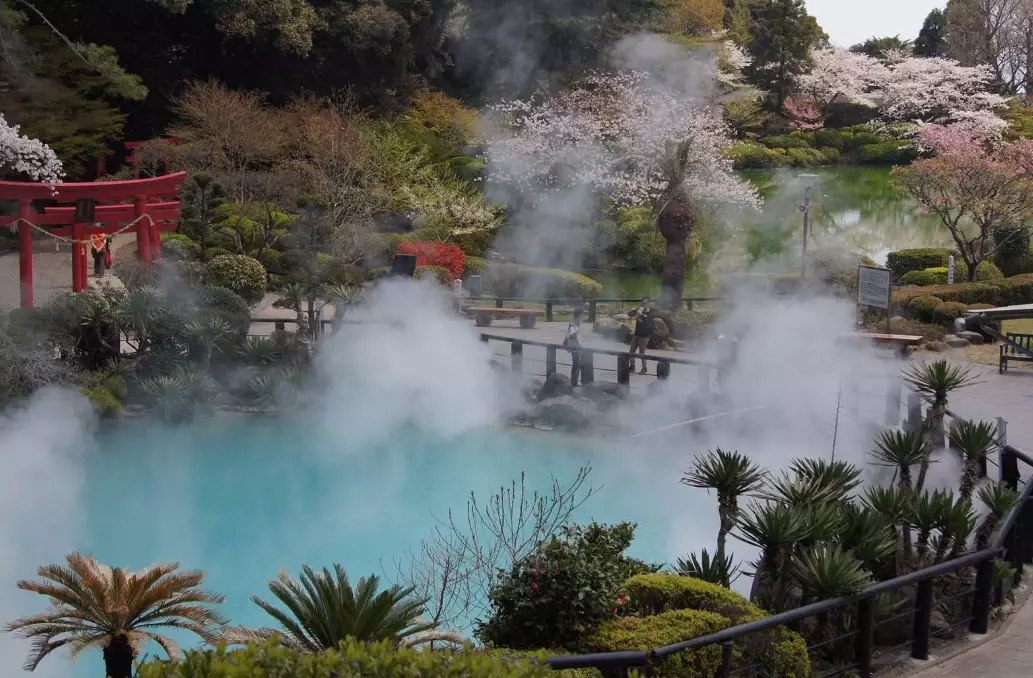
Staying in a ryokan is half the Beppu experience. You want one with a kakenagashi (free-flowing) spring source. Here are three distinct choices:
- Suginoi Palace (Address: 1 Kankaiji, Beppu). This is the resort option. Massive complex with multiple themed baths (including a rooftop one with a view), pools, and several restaurants. It's not intimate, but it's incredibly convenient and fun. Rooms from 25,000 yen/person with meals. Perfect for families or those who want everything on-site.
- Yamada Bessou (Address: 1-17-17 Kitahama, Beppu). A mid-range gem. A small, family-run ryokan with impeccable service and delicious kaiseki meals. Their indoor and outdoor baths are serene and clean. Around 18,000-25,000 yen per person with dinner and breakfast. Location is quiet but a short taxi from the station.
- Guesthouse Akari (Address: 2-1-7 Kitahama, Beppu). The budget-friendly, social option. A clean, modern guesthouse with both dorm and private rooms. They have a small but lovely indoor bath for guests. No meals, but there's a kitchen. Around 3,500-7,000 yen per night. You meet other travelers here.
I made the mistake once of booking a cheap business hotel near the station. It was fine, but I felt like I was in any Japanese city. In Beppu, the ryokan is the attraction.
Eating in Beppu: From Street Food to Fine Dining
Forget fancy restaurants for a minute. Beppu's food magic is in Jigoku Mushi (hell-steaming). You buy a basket of raw vegetables, eggs, seafood, or even pudding, and steam it yourself using the natural geothermal vents. The Kannawa area is full of these stalls. Try Jigoku Mushi Kobo right near the hells. A veggie basket costs about 500 yen. It's fresh, healthy, and an experience.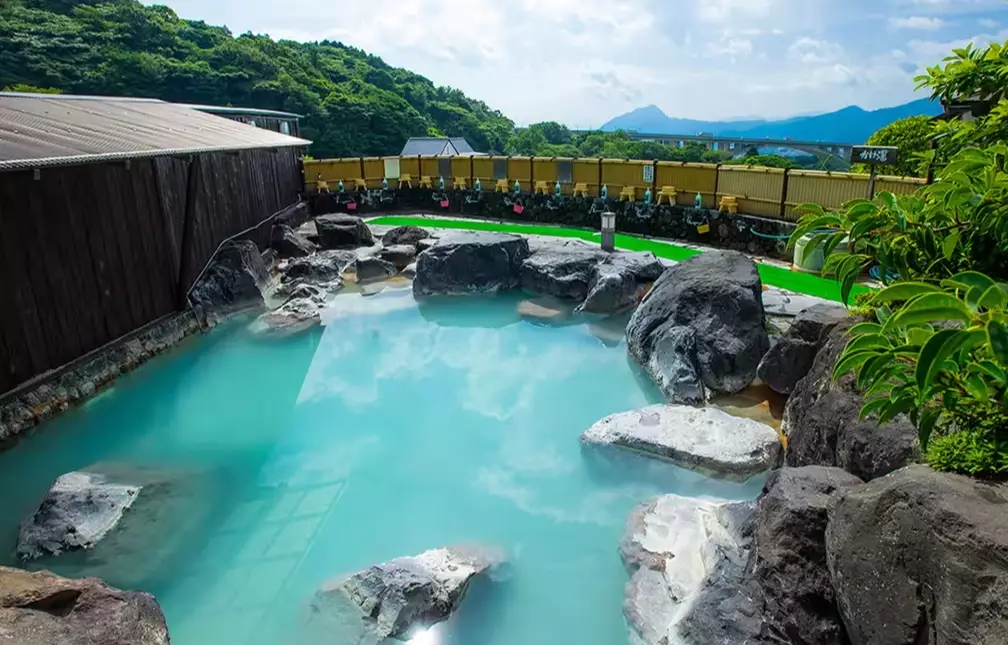
For dinner, you need to try Toriten—Beppu's version of tempura chicken. It's juicy, lightly battered, and utterly addictive.
- Toriten Main Shop (Address: 14-13 Ekimae-cho, Beppu). Right near the station. Bustling, reliable, and the benchmark. A set meal runs 1,200-1,800 yen. Open 11:00-21:00.
- Yamada Shoten (Address: 3-1-11 Kitahama, Beppu). A more local, izakaya-style place. Their toriten is fantastic, and the overall vibe is warm and authentic. Dishes 500-1,500 yen.
Need a post-onsen treat? Milky House near Beppu Park serves the best soft-serve ice cream made with local milk. The onsen-tamago (eggs boiled in hot spring water) flavor is a quirky must-try.
How to Plan Your Beppu Itinerary
Here’s how to structure your time based on what you have.
The 1-Day Blitz (The Highlight Reel)
Morning: Hit the Kannawa Hells (Chi no Ike, Oniishibozu, Tatsumaki) right at opening. Afternoon: Bus to Umi Jigoku. Late Afternoon: Takegawara Onsen sand bath and quick soak. Evening: Toriten dinner near the station. It's packed, but you'll see the big sights.
The Perfect 2-Day Immersion
Day 1: Full Hell Tour at a leisurely pace, including Umi Jigoku. Lunch via Jigoku Mushi in Kannawa. Afternoon at Hyotan Onsen for a proper bath. Check into your ryokan, enjoy the kaiseki dinner and your private bath.
Day 2: Morning visit to Myoban Onsen's Yunohana Gama and a soak in a local bath there. Afternoon at Takegawara or explore the Kamegawa foot baths. Maybe a cooking class or just wander Kitahama's streets.
The 3-Day Deep Dive
Follow the 2-day plan. On Day 3, take a short train ride to nearby Yufuin (about 45 mins) for a completely different, artsy onsen town vibe, or hike up Mt. Tsurumi via cable car for breathtaking views of Beppu's steam-covered landscape. This gives you context.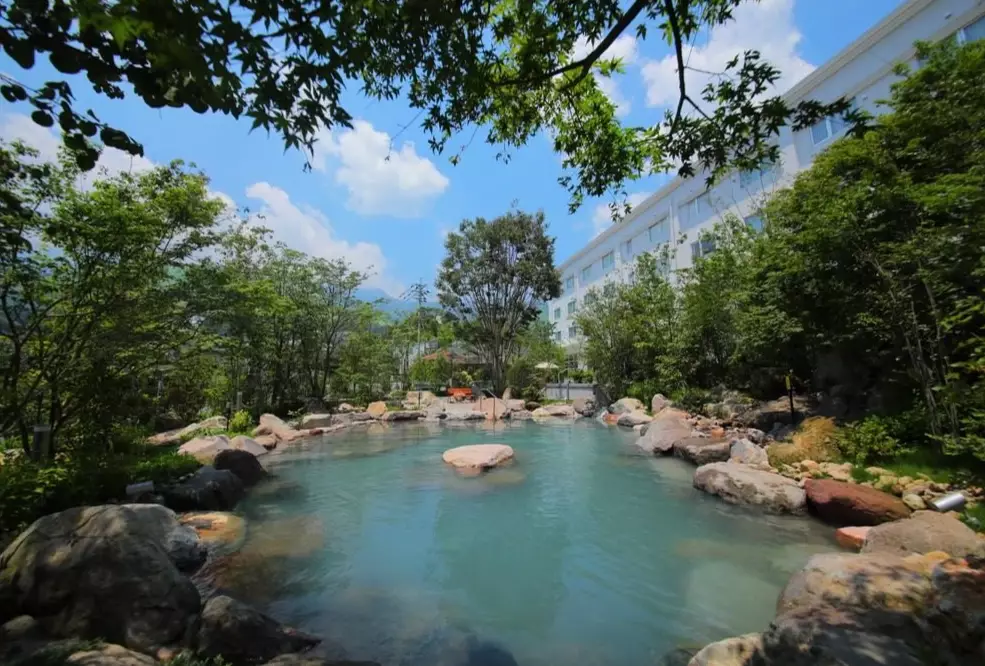
Getting to Beppu and Getting Around
By Train: From Fukuoka (Hakata Station), take the Sonic limited express train (about 2 hours). From Osaka/Kyoto, take the Shinkansen to Kokura, then transfer to the Sonic (about 3.5 hours total). Beppu Station is central.
By Bus: Overnight buses from Tokyo, Osaka, or Kyoto are budget options (8-12 hours).
By Air: Oita Airport (OIT) is the closest. A direct airport limousine bus takes about 50 minutes to Beppu Station.
Getting Around Beppu: The city bus network, operated by Kamenoi Bus, covers all major sights. A 1-day pass (approx. 900 yen) is excellent value if you're hopping between Kannawa, Myoban, and the station area. Taxis are plentiful and reasonable for short trips between zones. Walking is great in the central Kamegawa/Kitahama area.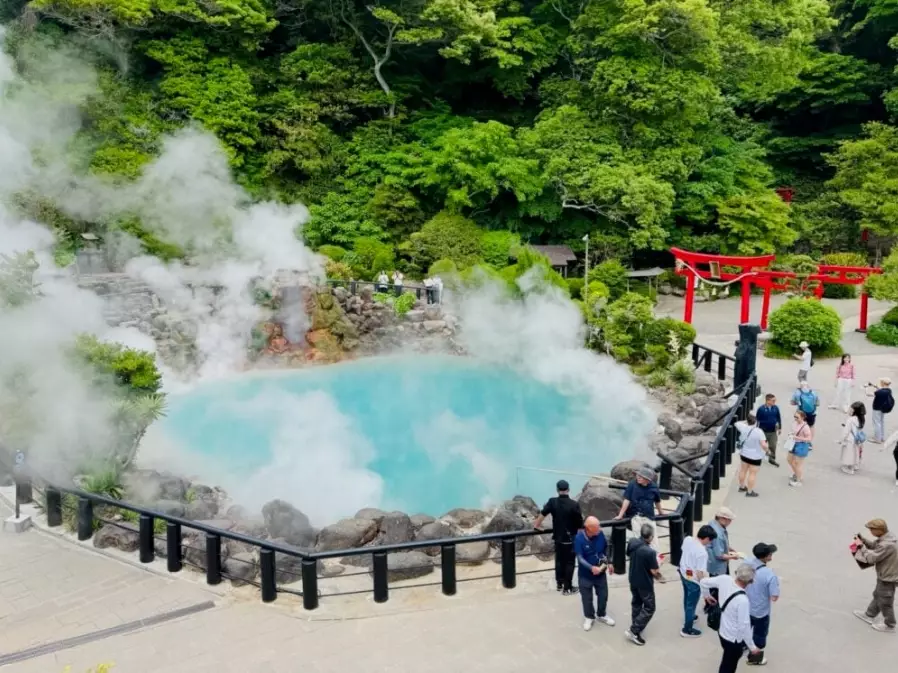
Beppu Travel Tips and Common Mistakes to Avoid
- Bath Etiquette: Wash thoroughly at the shower stations before entering the bath. No soap in the bath. Tie long hair up. Small towels are for modesty and wiping sweat, not for dipping in the water.
- Tattoo Policy: This is a real hurdle. Large public baths and most ryokan shared baths prohibit visible tattoos. Your best workaround is booking a ryokan with a private bath attached to your room (kashikiri) or using the sand/mud baths where you're covered. Always check directly with the facility.
- The Crowd Calendar: Avoid Japanese national holidays (Golden Week in early May, Obon in mid-August) if you hate crowds. Weekdays are always better than weekends.
- What to Pack: A small towel for onsens (you can buy them everywhere too). Comfortable slip-on shoes. Cash—many small onsens, food stalls, and buses don't take cards.
The biggest mistake I see? People treating Beppu as a checklist. See hells, check. Take a bath, check. They miss the slow steam rising from a back alley, the chat with a ryokan owner, the quiet hour in a rotemburo as the sun goes down. Don't rush it. Let the town's pace, dictated by the slow boil of the earth, slow you down too.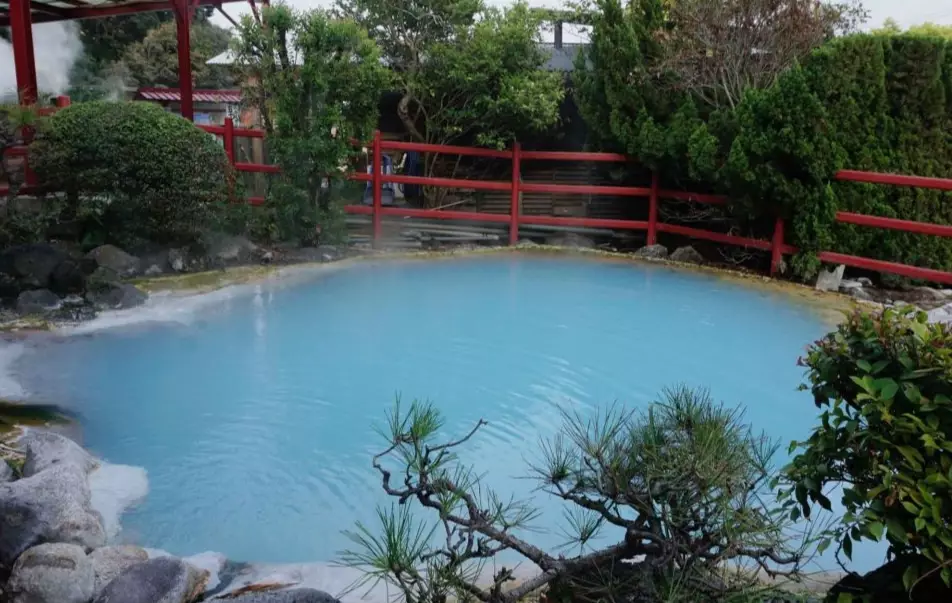

Comments