Quick Beach Guide
- What Makes Okinawa's Beaches So Special?
- The Main Island Beaches: Convenience and Variety
- The Outer Islands: Where the Dream Beaches Really Are
- Beyond Just Swimming: What to Do on Okinawa's Beaches
- Planning Your Visit: When to Go and Practical Tips
- Answering Your Questions (The Stuff You're Actually Searching For)
- A Quick Comparison Table: Main Island vs. Outer Islands
- Final Thoughts: Crafting Your Okinawa Beach Itinerary
Let's be honest, when you think of Japan, your mind probably jumps to neon-lit Tokyo streets, ancient temples in Kyoto, or maybe steaming bowls of ramen. But what about those incredible stretches of white sand and water so blue it looks photoshopped? That's Okinawa for you. It's a whole different side of Japan, one that feels more like a slice of Southeast Asia dropped right into the East China Sea. And the beaches? They're the main event.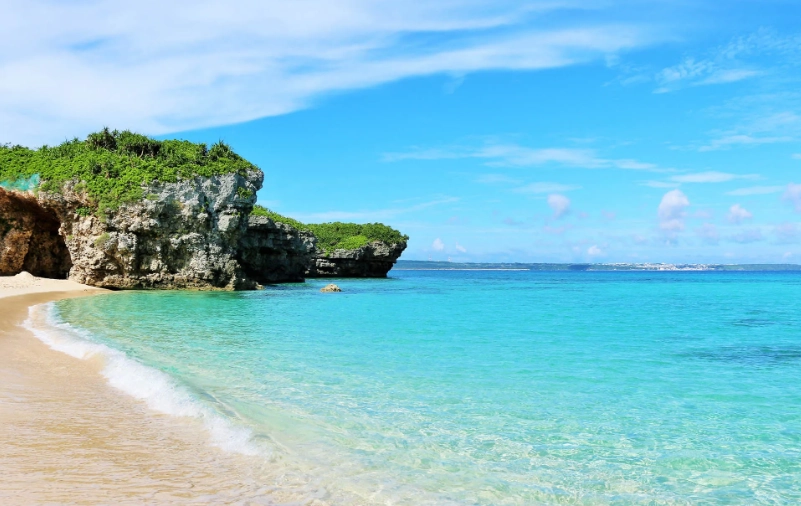
I remember my first time landing in Naha, the capital. Stepping out of the airport, the air was thick and warm, smelling of salt and flowers—nothing like the crisp, orderly air of mainland Japanese cities. I was there for the Japan beaches Okinawa are famous for, and let me tell you, the hype is real. But it's also a bit more complicated than just picking a spot on the map. Some are perfect for families with toddlers, others are a snorkeler's dream, and a few require a bit of an adventure to reach. That's why I'm putting this guide together—to save you the guesswork I went through.
So, you're planning a trip and searching for info on Okinawa's best beaches. Maybe you're wondering which one has the softest sand, or where you can swim with sea turtles without joining a crowded tour. Perhaps you're trying to figure out if it's worth hopping on a ferry to a remote island. We'll cover all of that and more.
What Makes Okinawa's Beaches So Special?
It's not just about the sand and sea (though those are spectacular). It's the whole package. The water is this absurd shade of turquoise they call "Kerama Blue," named after the Kerama Islands just off the main island's coast. The clarity is insane—you can often see straight down 20 or 30 meters. And then there's the coral. Okinawa sits in the middle of a huge coral reef system, which means the marine life is off the charts. We're talking clownfish darting in anemones, graceful manta rays, and if you're lucky, sea turtles going about their day.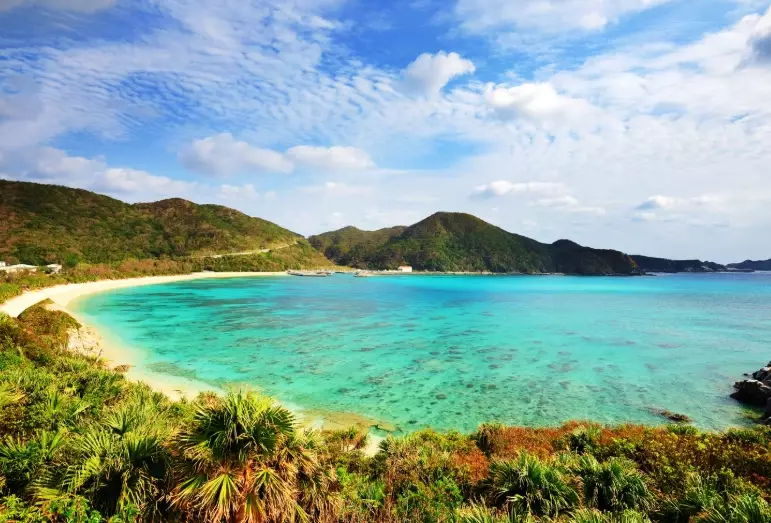
The culture is different too. The Ryukyu Kingdom history gives it a unique flavor you won't find in Tokyo or Osaka. You might hear traditional sanshin music, eat bitter gōyā (bitter melon) stir-fry, and see shisa lion-dog statues guarding buildings. This blend of unique culture and world-class nature is what makes a beach day here more than just sunbathing.
The Main Island Beaches: Convenience and Variety
If you're short on time or don't want to deal with ferries, the main island of Okinawa has plenty to offer. The beaches here range from popular resort-style strips to quieter local coves.
Manza Beach & the American Village Area
Up on the west coast, near the big resort hotels of the Manza area, you'll find some easily accessible sandy spots. These beaches are manicured, have facilities (showers, rentals), and are great for a stress-free day. The water is calm and perfect for a casual swim. But here's my personal take: they can feel a bit... generic. You're sharing the space with hotel guests, and it lacks that wild, untouched vibe. That said, if you're staying at one of those resorts or have kids who just want to build a sandcastle safely, they do the job perfectly. The sunsets over the East China Sea from this coast are consistently breathtaking.
Sunset Beach (Chatan)
This is a personal favorite for an easy evening. It's a small, free public beach right next to the American Village in Chatan. It's not the most stunning beach for swimming all day, but the view is fantastic, and as the name suggests, it's a prime sunset-watching location. Grab a drink from one of the nearby cafes, sit on the wall, and watch the sky turn orange and pink. It's a lovely, low-effort way to experience an Okinawa beach vibe.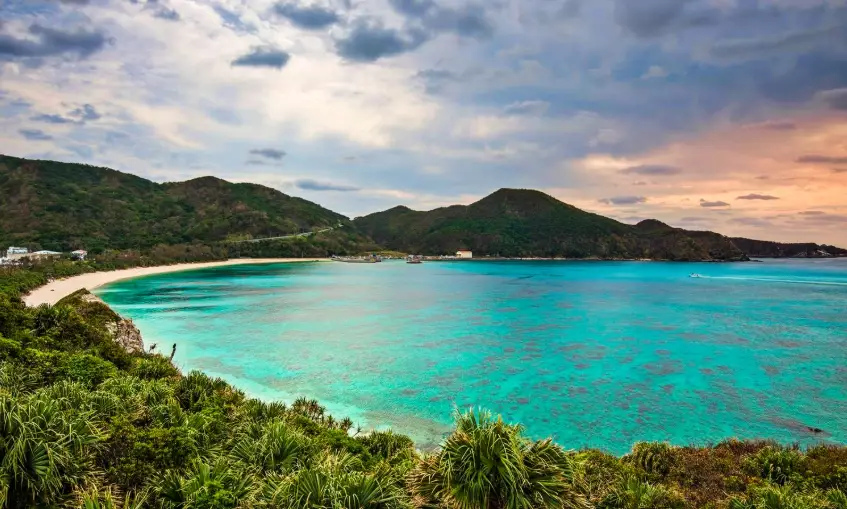
Southeast Coast Gems: Mibaru and Hyakuna
Head to the southeastern side of the main island for a different feel. Beaches like Mibaru and Hyakuna are less developed. Mibaru is interesting—parts of it have a unique "star sand" made from tiny star-shaped fossils. It's a quieter area, popular with locals on weekends. The swimming is good, and it feels more natural than the resort strips.
The Outer Islands: Where the Dream Beaches Really Are
Okay, let's get to the good stuff. If you have the time and flexibility, venturing to one of Okinawa's outer islands is 100% worth it. The water gets clearer, the crowds thinner, and the scenery even more dramatic.
The Kerama Islands: A Hop from Naha
Just a 30-to-50-minute high-speed ferry ride from Naha's Tomari Port, the Kerama Islands are the most accessible escape. Tokashiki Island is the most popular.
Tokashiku Beach and Aharen Beach on Tokashiki are the stars. Tokashiku is the larger one, with a long arc of white sand and that famous Kerama Blue water. You can rent snorkel gear right on the beach. I've floated here for hours, watching parrotfish crunch on coral. Aharen is smaller but has a charming village behind it with places to eat. The Keramas are a national park, so the marine life is protected and abundant. It's the perfect day trip if you're based on the main island but want a taste of island paradise.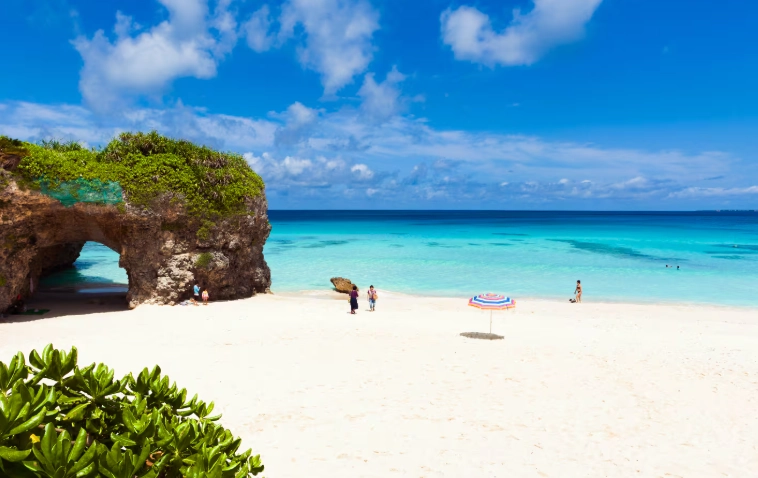
Miyakojima: The Beach Lover's Mecca
Miyakojima deserves its own section. A 45-minute flight from Naha (or a long ferry), this island is flat, surrounded by brilliant blue water, and home to what many consider the best beaches in all of Japan. We're talking powdery, white sand that squeaks under your feet.
Yonaha Maehama Beach is the poster child—a 7km stretch of flawless sand. It's stunning, no doubt. But it can get busy. My personal preference leans towards Sunayama Beach. It's smaller, requires a short walk through a sandy path and a natural arch rock formation, but feels more secluded and magical. Shigira Beach is another beauty, often calmer and great for families.
But the real magic of Miyako happens at low tide. Vast sandbars appear, connecting little islets to the main island. You can literally walk out into the middle of the ocean. It's an unforgettable experience.
Ishigaki and the Yaeyama Islands: The Deep South
Fly even further southwest and you hit Ishigaki, the gateway to the Yaeyama Islands. This is Okinawa's frontier—lush, green, and incredibly diverse. The beaches here are rugged and beautiful.
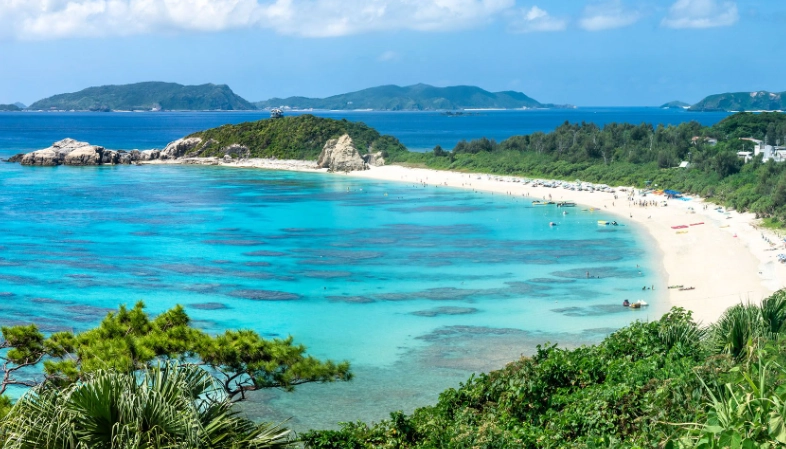
Kabira Bay is the iconic view. With its emerald green water and strange mushroom-like islets, it's probably the most photographed spot in the Yaeyamas. Here's the catch: you can't swim at Kabira Bay due to strong currents and pearl farming operations. It's for admiring from the lookout or a glass-bottom boat. Don't let that disappoint you, though.
For swimming, head to Yonehara Beach or Sunset Beach. Yonehara is a fantastic snorkeling spot right off the beach—the coral garden is easily accessible. From Ishigaki, you can take short boat trips to even more remote islands like Taketomi (with its traditional village and star-sand beach) or Iriomote, which is 90% jungle and has wild, untouched coasts.
Beyond Just Swimming: What to Do on Okinawa's Beaches
Sure, you can lounge. But why just lounge when you can explore?
- Snorkeling: This is non-negotiable. Bring your own mask and snorkel if you're picky, but rentals are available everywhere. The reefs are right off the shore at many beaches. Look for clownfish, blue starfish, and eagle rays. The Okinawa Tourist Information site often lists good snorkel spots.
- Diving: Okinawa is a world-class diving destination. The Kerama Islands offer incredible visibility and whale watching in winter (January-April). Miyako has stunning underwater arches and caves. Ishigaki is famous for manta ray cleaning stations, especially around Kabira Bay from summer to autumn.
- Kayaking & Stand-Up Paddleboarding (SUP): Gliding over the calm, clear water in a kayak or on a SUP board is a serene way to explore. Many beaches offer rentals, and you can often paddle to tiny uninhabited islets.
- Beachcombing: Look for the famous "star sand" (hoshizuna) on beaches like Kaijihama on Taketomi Island. It's not actually sand, but the skeletons of tiny, star-shaped protozoa.
- Just… Relax: Buy a local Orion beer or a bottle of awamori (Okinawan spirit), find a quiet spot, and do absolutely nothing. The sound of the waves here is therapy.
Planning Your Visit: When to Go and Practical Tips
This isn't a year-round beach destination like Thailand. Timing matters.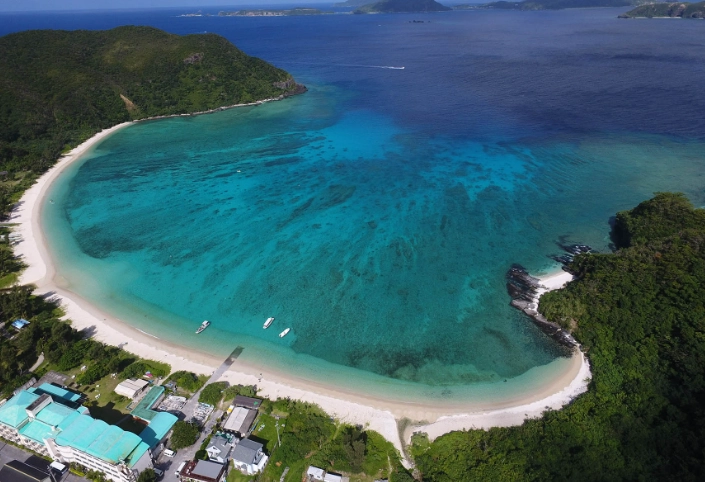
Best Time to Visit
The prime beach season is late May through October. July and August are the hottest and most popular (and most humid), coinciding with Japanese school holidays. Be prepared for crowds and higher prices. My sweet spot is late May/early June or September/October. The water is warm, the weather is generally great, and it's less crowded. Avoid the rainy season (early May to June), though showers are often brief. Winter (Nov-Mar) can be cool and windy—fine for sightseeing, but not ideal for swimming.
How to Get Around
On the main island: rent a car. For the outer islands, flights are quick but can be pricey. Ferries are cheaper and part of the adventure, but schedules can be affected by weather. Always check ferry company websites in advance.
What to Bring & Beach Etiquette
Sun protection is no joke. The Okinawan sun is intense. Reef-safe sunscreen is highly encouraged to protect the fragile coral. Also, bring water shoes—some beaches have coral fragments in the sand, and they protect your feet. Most public beaches have showers and toilets, but remote ones may not. A key point of Japanese beach etiquette: take all your trash with you. Trash cans are often scarce. Be respectful and leave no trace.
Answering Your Questions (The Stuff You're Actually Searching For)
A Quick Comparison Table: Main Island vs. Outer Islands
| Aspect | Main Island Beaches | Outer Island Beaches (e.g., Kerama, Miyako) |
|---|---|---|
| Accessibility | Very Easy (car, sometimes bus) | Requires ferry or flight |
| Crowds | Can be high, especially near resorts | Generally much lower (except famous spots) |
| Water Clarity & Marine Life | Good to Very Good | Excellent to Unbelievable |
| Facilities (showers, rentals) | Common and well-maintained | Available at main beaches, sparse elsewhere |
| "Untouched" Vibe | Less common | Very common, easy to find solitude |
| Best For | Convenience, families, first-time visitors, combining beach with other sightseeing | Serious beach lovers, snorkelers/divers, those seeking postcard-perfect scenery |
Final Thoughts: Crafting Your Okinawa Beach Itinerary
So, how do you put this all together? If you have a week and it's your first time, I'd suggest splitting your trip. Spend 3-4 nights on the main island. Use one day to explore the beaches on the west coast (Manza, Sunset Beach) and visit the Churaumi Aquarium up north. Then, take a day trip via ferry to the Kerama Islands (Tokashiki is perfect) for that hit of incredible blue water. It gives you the best of both worlds.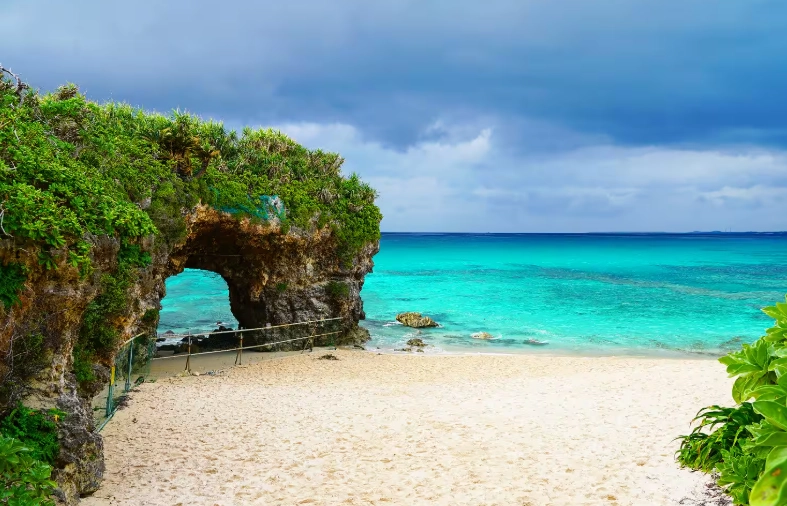
If you have more time and beaches are your top priority, fly straight to Miyakojima or Ishigaki for 4-5 nights. You'll be rewarded with some of the most stunning coastlines in all of Asia. Rent a car, explore at your own pace, and find your own favorite spot.
Look, searching for Japan beaches Okinawa brings up a lot of pretty pictures. And they're all true. But the real experience is in the feel of the warm sand, the shock of that first dip into the unbelievably blue water, and the quiet awe of floating above a living coral reef. It's a side of Japan that surprises and delights everyone who visits. Just remember the reef-safe sunscreen, okay?
One last thing. The official Okinawa Prefectural Government website and the Japan National Tourism Organization (JNTO) site are fantastic, reliable resources for checking the latest travel info, ferry schedules, and event cancellations. Always good to have those bookmarked.
Happy beach hunting.
Comments