Explore the Highlights
Let's get this out of the way first. When you search for "pink sand Japan beaches," you might be picturing vast, cotton-candy shores stretching as far as the eye can see, like something straight out of a fairy tale. I know I did before my first trip. The reality, I found, is both more subtle and in many ways, more fascinating. Japan's pink sand beaches are a rare and delicate phenomenon, not a widespread feature. They exist, absolutely, but they're specific, seasonal in their vibrancy, and often tied to the health of a much larger ecosystem just offshore. This isn't the Bahamas' Harbour Island. This is Japan's version—intimate, ecological, and deeply connected to the life of the coral reef.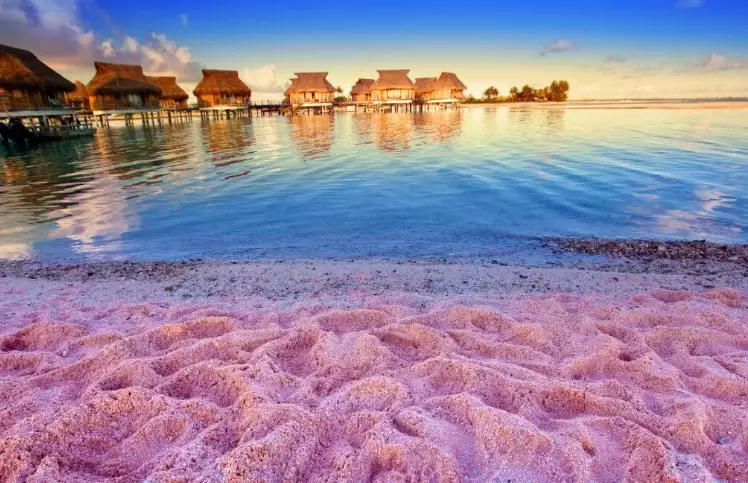
My own quest to find these elusive shores took me to Okinawa. I remember squinting at the sand, trying to decide if it was just my imagination or a trick of the late afternoon light. Was that a pink hue, or just beige sand warmed by the sun? Then I bent down, scooped up a handful, and looked closely. Tiny, fragmented pieces of coral and shells, some with a definite rosy blush, mixed with darker minerals and white grains. The overall effect from a distance wasn't a bold, uniform pink, but a soft, peachy-beige sparkle that became undeniably pinkish when the wet sand caught the light just right. That's the key to understanding pink sand beaches in Japan. It's often a blend, a whisper of color rather than a shout.
The Pink Sand Truth: Most photos you see online are heavily edited. The real color is usually a delicate, mixed hue that depends heavily on weather, time of day, tide, and the specific composition of the beach. Managing expectations is step one for a truly enjoyable visit.
Where Exactly Can You Find Pink Sand in Japan?
This is the million-yen question, right? The search for "pink sand Japan beaches" typically leads to one primary region: Okinawa and the surrounding islands. The reason is geological and biological. The pink color primarily comes from foraminifera, microscopic marine organisms with reddish-pink shells, and from the erosion of red coral and certain types of shells. Okinawa's thriving coral reef ecosystems are the perfect incubator for these ingredients.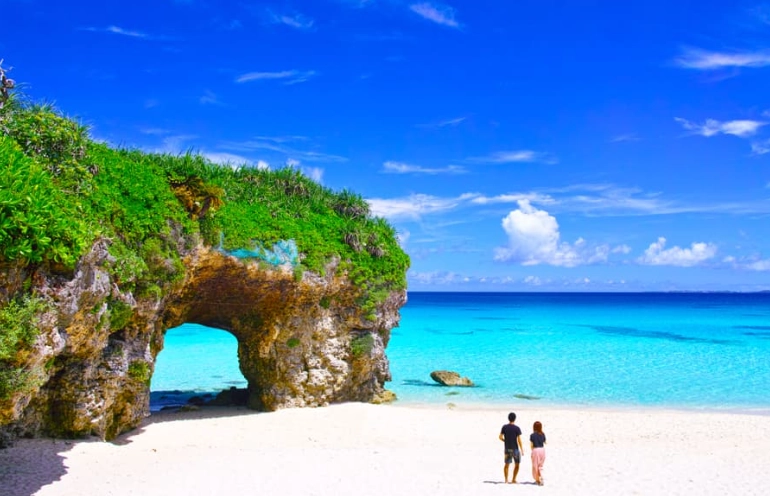
While you might stumble upon faint pinkish tones on several beaches, two main areas are consistently noted for having more distinctly pink-hued sand.
Hatenohama (Hateno Beach), Kumejima Island
This is arguably the most famous spot. Hatenohama isn't so much a single beach as a stunning, 7-kilometer-long sandbar located off the coast of Kumejima. You need to take a boat or join a tour to get there. The sand here is famously fine and white, but its claim to pink fame comes from the abundant mixture of tiny, broken coral fragments, many of which have a pink or reddish tint. After a storm or during certain tidal conditions, the pink elements can become more concentrated. It's a remote, breathtaking place where the pink is interwoven with dazzling white, creating that overall ethereal glow. The isolation means the color feels purer, less disturbed.
Getting There Tip: You cannot drive to Hatenohama. Access is via tourist boats from Kumejima's main port. Tours often include snorkeling, so you can see the living coral that creates the pink sand firsthand. Check the Okinawa Tourist Board website for reputable tour operators and seasonal schedules.
Beaches of the Kerama Islands
The Kerama Islands, a national park known for absurdly clear "Kerama Blue" water, are another hotspot. Beaches on islands like Tokashiki and Zamami are known for their pristine, powdery sand that often has a noticeable pink or peach undertone. Aharen Beach on Tokashiki is a prime example. The sand is so fine it squeaks underfoot, and its color is a beautiful blend that looks pinkest in the wet sand at the water's edge. The contrast with the unbelievably blue water is what makes it truly magical. It's less about a stark pink beach and more about the incredible color palette of the entire scene.
You might also hear about Yurigahama Beach, a mysterious sandbar near Yoron Island that appears only at low tide. Its sand is said to be star-shaped and can have a slight hue, but its appearance is highly tide-dependent.
Important Reality Check: Don't expect a solid, vibrant pink carpet. Think "white or beige sand generously sprinkled with pink glitter." The intensity varies day by day. A cloudy day after high winds might show more pink debris washed up. A calm, sunny day might make the beach look more uniformly white. That's part of the adventure.
What Actually Makes the Sand Pink?
It's not dye or magic. The science is pretty cool. The pink color in these Japanese beaches primarily comes from two sources:
- Foraminifera (Forams): These are single-celled planktonic organisms. A particular species, Homotrema rubrum, has a bright red shell made of calcium carbonate. When these tiny creatures die, their shells wash ashore and get crushed into sand-sized particles, mixing with the other sand components.
- Coral and Shell Fragments: Okinawa's waters are rich with coral reefs. Red, pink, and orange corals, as well as certain types of mollusk shells, erode over time due to wave action and parrotfish (who actually eat coral and excrete it as sand!). This constant grinding creates sand, and if the source material was colored, the sand gets a tint.
The final color of any beach is a recipe. Take white carbonate sand from other corals and shells, add black volcanic minerals (common in some Japanese islands), mix in the pink/red foraminifera and coral bits, and you get Japan's unique shade of pink sand. It's a natural mosaic. The NOAA Coral Reef Information System has fantastic resources on how coral reefs literally build beaches, which helps explain the whole process from reef to pink shore.
Your Practical Guide to Visiting Japan's Pink Sand Beaches
Okay, so you're convinced and want to go. Here’s the down-to-earth, practical info you need to plan, which a lot of fluffy travel blogs skip.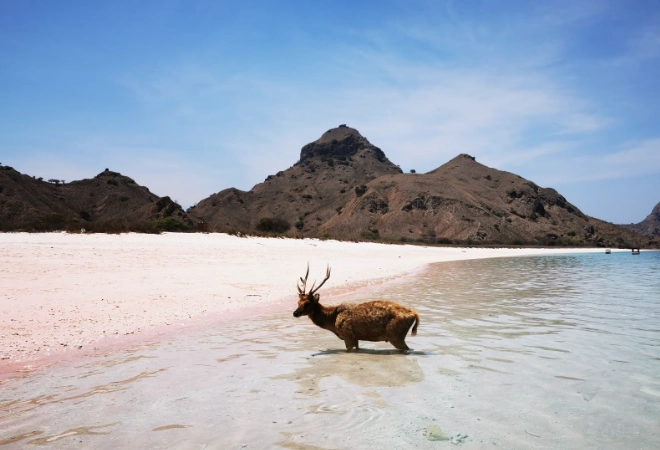
Best Time to Go
This is crucial. The pink hue is often most visible under specific conditions.
- Season: Late spring (May-June) and early autumn (September-October) are ideal. The weather is stable, the water is warm, and the sun angle is good. Summer (July-August) is typhoon season in Okinawa. Storms can churn up the water, reducing clarity, and can also wash a lot of new debris (including colorful coral bits) onto the shore, which might temporarily increase pink visibility but also makes travel risky.
- Time of Day: Go in the morning or late afternoon. The low-angle sunlight highlights the color variations in the sand much better than the harsh midday sun, which tends to wash everything out in bright white light.
- Tide: Check a tide chart. Often, the wet sand at the water's edge just after the tide starts to recede shows the most color. The contrast between dry and wet sand can really make the pink particles pop.
How to Get There & Where to Stay
Reaching these beaches requires a bit of a journey. They are not next to Tokyo or Osaka.
- Fly to Naha, Okinawa: This is your gateway.
- To Kumejima (for Hatenohama): Take a short connecting flight from Naha to Kumejima Airport (about 30-40 minutes). Then, you'll need to take a taxi or bus to the port to catch a Hatenohama tour boat. Consider staying on Kumejima for a night or two. It's a slow, beautiful island.
- To the Kerama Islands: High-speed ferries run from Naha's Tomari Port to Tokashiki and Zamami islands. The ride takes about 35-70 minutes depending on the island and boat type. Ferry schedules can be affected by weather, so always check the day before. The Tokashiki Village official website is a reliable source for ferry info and island guides.
Accommodation ranges from simple guesthouses (minshuku) to a few resorts. Book well in advance, especially for the smaller Kerama islands, as options are limited.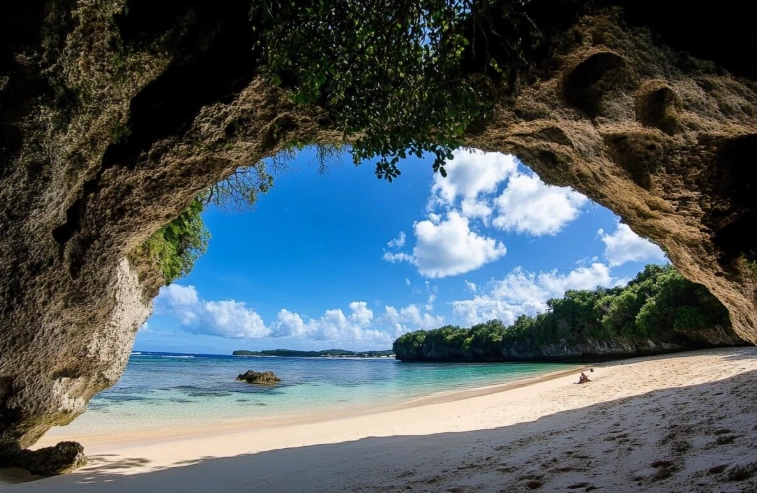
What to Pack & Know On-Site
| Item/Category | Why It's Essential | Personal Note/Suggestion |
|---|---|---|
| Reef-Safe Sunscreen | Chemical sunscreens contain oxybenzone/octinoxate, which are proven to kill coral reefs—the very source of the pink sand. Many places in Okinawa are now strict about this. | I learned this the hard way. Bring a mineral-based (zinc oxide/titanium dioxide) sunscreen from home, as specific brands might be harder to find locally. |
| Water Shoes | The sand is often a mix of fine powder and small, sharp coral fragments. Walking on dry sand is fine, but entering the water or walking on wet sand near the reef can be tough on bare feet. | Don't cheap out on these. A good pair makes exploring the water's edge and snorkeling so much easier and safer. |
| Snorkel Gear | The real show is often offshore. Seeing the living, colorful coral reefs that create the sand is the best part of the experience. | You can rent on most islands, but if you're particular about fit/hygiene, bringing your own mask and snorkel is a good idea. |
| Cash (Japanese Yen) | Remote islands, small tour operators, local cafes, and guesthouses often do not accept credit cards. | Withdraw enough in Naha before you head to the outer islands. ATMs are scarce out there. |
| Patience & Realistic Eyes | This isn't a Disney attraction. The color is natural and subtle. Appreciate the entire ecosystem, not just the sand color. | Spend time. Sit. Let your eyes adjust. Look closely at the sand in your hand. The beauty is in the details. |
Common Questions About Pink Sand Japan Beaches (Answered Honestly)
Let's tackle some of the specific questions buzzing in your head right now.
The Bigger Picture: Conservation and Why It Matters
This is the part that really stuck with me after my visit. The existence of these delicate pink sand beaches in Japan is a direct indicator of the health of the coral reefs. No healthy reef, no pink sand. It's that simple. Coral reefs worldwide are under massive threat from climate change (ocean warming and acidification), pollution, and physical damage.
In Okinawa, you might see areas of bleached or dead coral. It's heartbreaking. When I visited a beach that was famed for its pink tint a decade ago, a local guide told me the color has become less pronounced over the years. He blamed it on a combination of coral bleaching events and increased runoff from development. The pink was fading.
So, when you visit, you're not just a tourist on a unique beach. You're a witness to a fragile ecosystem. Your choices matter: using reef-safe sunscreen, not touching or standing on the coral, taking all your trash with you, and supporting local businesses that prioritize the environment. The goal is to ensure that the search for "pink sand Japan beaches" yields real, vibrant results for generations to come, not just stories of what used to be there.
The pink sand is beautiful, sure. But it's also a message in a bottle from the sea, telling us about the life just beneath the waves. Finding a pink sand beach in Japan is about connecting with that entire story—the vibrant blue water, the hidden world of the reef, the slow grind of geology and biology, and our own role in protecting it all. It's a quieter, more thoughtful kind of adventure than just a photo op, and that's what makes it truly special.



Comments