Quick Guide
- First Things First: Getting a Feel for Yamagata
- When to Go: Your Seasonal Guide to Yamagata Activities
- The Absolute Must-Do Things in Yamagata Japan
- Building Your Yamagata Itinerary: Sample Plans
- Practical Stuff: Getting Around, Staying, & Budgeting
- Your Yamagata Japan Things to Do Questions, Answered
- Final Thoughts: Why Yamagata Sticks With You
Let's be honest, when most people plan a trip to Japan, their minds jump straight to Tokyo's neon buzz, Kyoto's timeless temples, or Hokkaido's powder snow. Yamagata? It might not even register on the radar. That's a huge mistake, and honestly, it's their loss. Tucked away in the Tohoku region, Yamagata Prefecture is one of Japan's best-kept secrets – a place where you can trade crowds for serenity, generic souvenirs for authentic experiences, and fast-paced itineraries for moments that actually stick with you.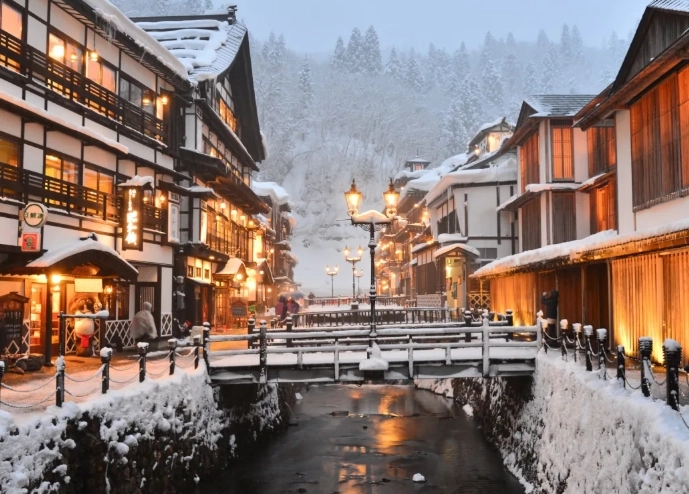
I remember my first time driving through Yamagata. One moment you're in a perfectly pleasant city, and the next, you're surrounded by mountains so lush and dramatic they feel like something out of a fantasy novel. Then there's the food. Oh, the food. We'll get to that. The point is, figuring out the best things to do in Yamagata Japan isn't about checking boxes off a list. It's about diving into a region that feels refreshingly real and undiscovered by the mass tourism playbook.
So, what exactly is there to do in Yamagata? Think soaring mountain temples you have to climb a thousand steps to reach, otherworldly frozen monsters on a volcano's edge, historic onsen towns that look like film sets, and some of the most soul-satisfying, simple cuisine in all of Japan. This guide is here to cut through the noise and give you the real, practical, and utterly memorable list of Yamagata Japan things to do that you'll actually want to experience.
First Things First: Getting a Feel for Yamagata
Yamagata isn't a single city you "do" in a day. It's a sprawling prefecture with distinct personalities. You've got the coastal area around Sakata, the historic castle town of Yamagata City, the mountainous interior around the Zao range, and the Ginzan Onsen valley that feels frozen in time. Your adventure depends on where you focus. Most first-timers cluster their activities around the central/southern areas – Yamagata City, Zao, and Ginzan – which is a smart move for a shorter trip. If you have more time, venturing north to Dewa Sanzan or the coast adds incredible depth.
The rhythm here is different. Trains exist, but they're not as frequent as the Tokyo-Osaka corridor. To truly unlock the best things to do in Yamagata Japan, renting a car is a game-changer. It gives you the freedom to chase sunsets at mountain lookouts, stop at that random, incredible fruit stand on the side of the road (Yamagata is a fruit kingdom!), and visit onsen that are miles from the nearest station. Public transport can work, especially using the bus networks to major spots, but it requires more planning.
A quick personal take: I tried doing Yamagata by train and bus on my first visit. I saw the big sights, but I spent so much time checking schedules and waiting that I missed the spontaneous magic. The second time, with a car, was a completely different – and vastly superior – experience. Just something to ponder.
When to Go: Your Seasonal Guide to Yamagata Activities
The things to do in Yamagata Japan transform dramatically with the seasons. There's no single "best" time, just the best time for what you want.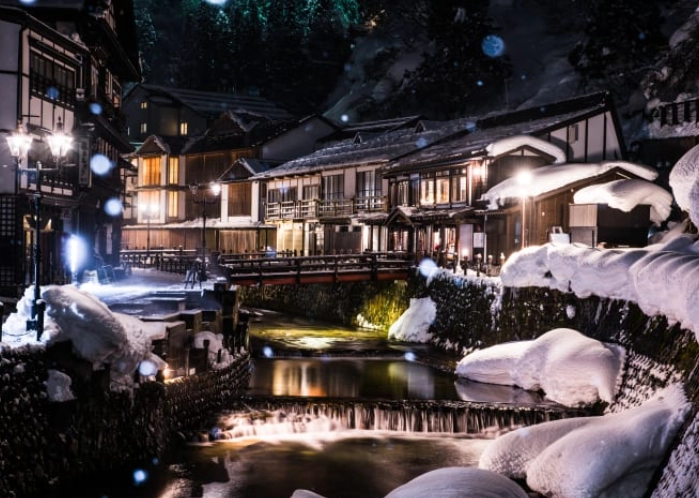
Spring (April - June)
Cherry blossoms arrive later here, usually mid-April, making it a perfect escape if you missed them further south. The mountains shed their snow, revealing hiking trails. It's crisp, fresh, and less crowded. A fantastic time for temple visits and early hikes.
Summer (July - August)
Lush and green, but can be hot and humid in the cities. This is prime festival season! The Yamagata Hanagasa Festival in August is a massive, energetic parade of dancers and flower-hats – it's chaotic and wonderful. The mountains offer cooler retreats. This is also when you can make the pilgrimage to Dewa Sanzan's Mount Haguro.
Autumn (September - November)
My personal favorite. The fall foliage is spectacular, especially around the Zao Echo Line and the gorges. The weather is perfect for hiking and exploring. The crowds are manageable, and the light is beautiful for photography. The rice harvest is in, and the food scene is at its peak.
Winter (December - March)
This is when Yamagata puts on its most famous show. Zao's "Juhyo" or Snow Monsters – trees completely encased in wind-blown snow and ice – are a must-see. The ski resorts are excellent. Ginzan Onsen, with its gas-lit streets and snow-covered wooden inns, looks straight out of a fairy tale. It's cold, but it's magical. Pack seriously warm clothes.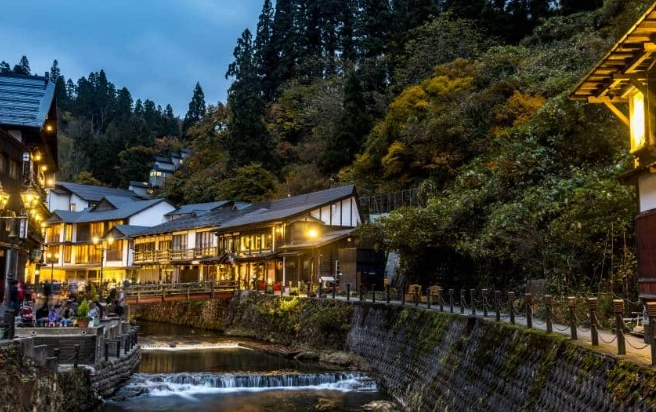
Pro Tip: Shoulder seasons (late spring/early autumn) often give you the best balance of good weather, fewer people, and access to most activities. Winter is unbeatable for its unique sights, but requires preparation.
The Absolute Must-Do Things in Yamagata Japan
Alright, let's get into the core of it. If you're building your itinerary, these are the experiences that define a trip to Yamagata.
For Nature & Scenery Lovers
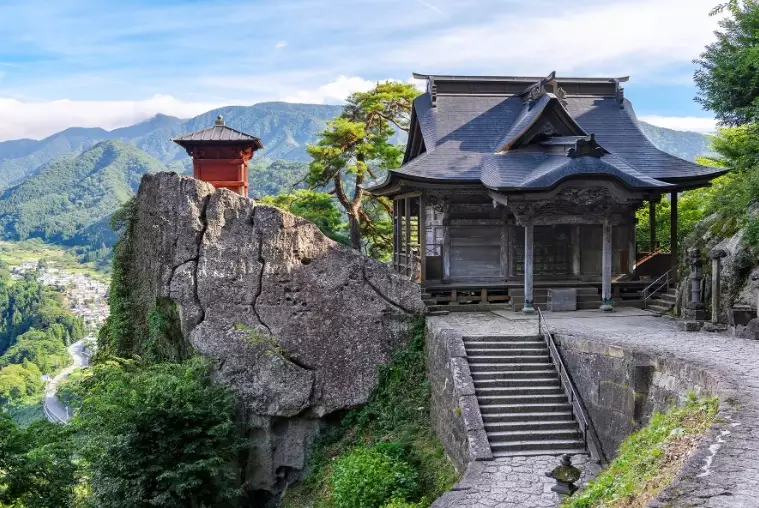
Conquer the 1,015 Steps to Yamadera (Risshakuji Temple): This is probably the single most iconic image of Yamagata. A Buddhist temple complex built precariously onto a sheer mountainside. The climb up the stone steps through a dense cedar forest is meditative and a bit of a workout. The reward? Breathtaking views from the Godaido hall over the valley below. Go early to avoid the day-trip crowds and soak in the atmosphere. It's a spiritual and physical experience rolled into one.
Stand Among the Snow Monsters of Zao: Even if you don't ski, the Zao Ropeway trip up to the summit area in winter is non-negotiable. The "Juhyo" are surreal. These aren't cute snowmen; they're towering, twisted, white figures that feel alien and majestic. You can walk among them on designated paths. At night, they're illuminated, creating an even more ethereal scene. Check the official Zao Tourism Association website for ropeway operation status and monster conditions.
Drive or Hike the Zao Echo Line: In the warmer months, this scenic mountain road that cuts across the Zao range is spectacular. There are lookout points (like the famous "Okama" crater lake, a vibrant emerald green) and trailheads everywhere. You can rent a car, take a bus tour, or for the fit, it's a famous cycling route.
For History & Culture Seekers
Step Back in Time at Ginzan Onsen: Yes, it's famous. Yes, it can be crowded. But walking down the street of this silver mine-turned-onsen town at dusk, when the gas lamps flicker on against the three-story wooden ryokans, is genuinely special. The river runs right through the center. Most buildings are now historic hotels, so staying a night (if you can book and afford it) is the ultimate experience. Day-trippers can still enjoy the atmosphere and even dip their feet in public foot baths.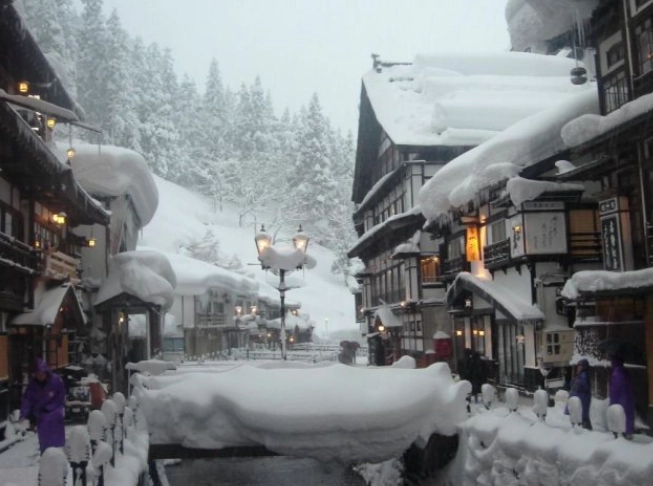
Make the Pilgrimage to Dewa Sanzan (The Three Sacred Mountains): This is for the deeply culturally curious. Mount Haguro, Mount Gassan, and Mount Yudono form one of Japan's most important spiritual centers for Shugendo, a mountain asceticism religion. The most accessible is Mount Haguro, with its famous 2,446 stone steps leading through an ancient cedar forest to a five-story pagoda and the summit shrine. It's a profound, peaceful hike. The Dewa Sanzan Shrine Office website has essential info on opening seasons, as Gassan and Yudono are only accessible in summer due to snow.
Explore the Samurai District of Kaminoyama: A quieter alternative to more famous castle towns. Kaminoyama has a well-preserved samurai residence district and a charming castle park. It's less about grand reconstruction and more about a quiet, authentic stroll through history. Their local onsen is also lovely.
For Foodies (This is a Major Category Here)
Yamagata's food is its secret weapon. It's hearty, seasonal, and deeply satisfying.
- Yonezawa Beef: Often ranked alongside Kobe and Matsusaka in national wagyu competitions. It's marbled, rich, and melts in your mouth. You can find it in high-end steakhouses or, more affordably, in donburi (rice bowl) form at lunch. A splurge worth making.
- Cherries and Fruit: Yamagata is Japan's top producer of cherries. Visiting a fruit orchard for picking (in season, usually June) is a joy. Their La France pears and grapes are also exquisite.
- Imoni: This is the soul food. A hearty, autumnal taro root and meat stew cooked in a giant pot outdoors, traditionally enjoyed along riverbanks. If you're visiting in autumn, joining a local imoni-kai (party) is a must-do cultural experience.
- Soba: The cold, mountainous climate is perfect for growing buckwheat. The soba noodles here have a distinctive, nutty flavor. Try them fresh, either cold (zaru soba) or in a hot broth.
Seriously, plan your meals. A huge part of your list of things to do in Yamagata Japan should involve eating.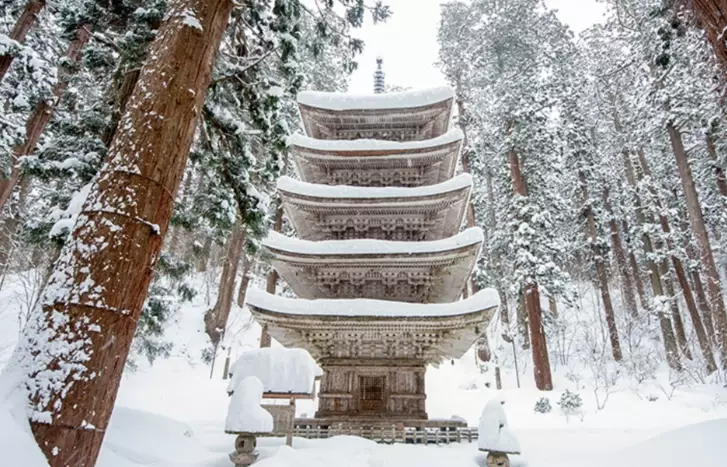
| Activity Type | Top Recommendation | Best Time to Go | Effort Level | Insider Tip |
|---|---|---|---|---|
| Iconic Landmark | Yamadera (Risshakuji Temple) | Spring, Autumn (early AM) | Moderate (lots of stairs) | Wear good shoes. The view from the top is the goal, but the climb through the forest is half the experience. |
| Unique Natural Wonder | Zao Snow Monsters (Juhyo) | Mid-January to Late February | Easy (ropeway access) | Check the live webcam on the Zao site before you go. Fog can completely obscure them. Dress for Arctic conditions. |
| Cultural Immersion | Ginzan Onsen | Winter (for snow), Weekdays | Easy (walking) | If you can't stay overnight, visit in the late afternoon to see the lamps on, but before the last buses leave. |
| Food Experience | Yonezawa Beef Meal | Any time | Easy (sitting & eating) | Look for lunch sets (teishoku) at reputable places for a more affordable way to try top-grade beef. |
| Active Adventure | Hiking Mount Haguro | Late Spring to Autumn | Moderate (long stone path) | Start at the base, but know there's a bus that goes halfway up if the full 2,446 steps are daunting. |
Building Your Yamagata Itinerary: Sample Plans
How you structure your search for things to do in Yamagata Japan depends on your time.
The 2-Day Weekend Blitz (Winter Focus)
Day 1: Arrive in Yamagata City. Head straight to Yamadera (it's a short train ride). Spend the morning climbing and exploring. Have a late lunch of local soba. In the afternoon, rent a car (if you haven't) and drive to Zao Onsen town. Check into your hotel/ryokan. Take the ropeway up to see the Snow Monsters in the late afternoon/evening illumination. Soak in your hotel's onsen.
Day 2: Morning ski session or another ropeway trip to Zao. After checking out, drive to Ginzan Onsen (about 1 hour). Spend a few hours walking the magical street, have lunch, maybe a foot bath. Drive back to Yamagata City for your departure. Packed, but hits the winter highlights.
The 4-5 Day Deep Dive
This allows a more relaxed pace and exploration beyond the core.
Days 1 & 2: Similar to the blitz, but spend two nights in Zao. This lets you properly enjoy the onsen town, maybe try skiing or snowboarding, and have multiple chances for good Snow Monster visibility.
Day 3: Drive from Zao to the Shonai plain area. Visit the historic sake breweries in Sakata or the stunning sand dunes at the coast. Stay in Tsuruoka or Sakata.
Day 4: Dedicate this to Dewa Sanzan. Hike Mount Haguro. If it's summer (July-Sept), you can attempt the trek to Mount Gassan. The atmosphere here is worlds away from Zao's tourist vibe.
Day 5: Loop back towards Yamagata City, stopping at Kaminoyama Castle or a fruit farm (seasonal), before your departure.
I did a 5-day version of this in autumn. The contrast between the spiritual silence of Dewa Sanzan and the epic scenery of Zao was what made the trip truly memorable. It felt like two different trips in one.
Practical Stuff: Getting Around, Staying, & Budgeting
Transportation: The Big Question
- Car Rental: I'll say it again: highly recommended. Gives you maximum flexibility for all the best things to do in Yamagata Japan, especially for reaching Ginzan Onsen, Dewa Sanzan, and scenic drives. Rent from Yamagata Station or the airport. An ETC card for tolls is useful. Winter requires rental cars with snow tires (usually standard in season).
- Trains: The Shinkansen (bullet train) connects Tokyo to Yamagata City in about 2.5 hours. Fantastic access. Local lines (like the Senzan Line to Yamadera) are reliable but less frequent.
- Buses: Essential for some routes. There are direct highway buses from Tokyo. Local buses connect Yamagata City to Zao Onsen and Ginzan Onsen. Schedules can be sparse, so plan meticulously. The Yamagata Kotsu bus company website is key for route planning.
Where to Stay
Yamagata City: Convenient for transport, good dining options, but less atmospheric.
Zao Onsen: The classic mountain resort experience. Stay in a traditional ryokan with included meals and onsen access. Perfect for winter sports and Snow Monster viewing.
Ginzan Onsen: The ultimate splurge for atmosphere. Book months in advance, especially for weekends and winter. It's expensive but unforgettable.
Tsuruoka/Sakata: Best for exploring the northern/Dewa Sanzan side of the prefecture.
Budget Notes
Yamagata can be very reasonable compared to Tokyo/Kyoto. Mid-range ryokan with two meals can be great value. Eating at local izakaya and soba shops is affordable. The big expenses are car rental (plus tolls and gas) and any luxury ryokan stays (like Ginzan). Skiing and ropeway passes are standard mountain resort prices.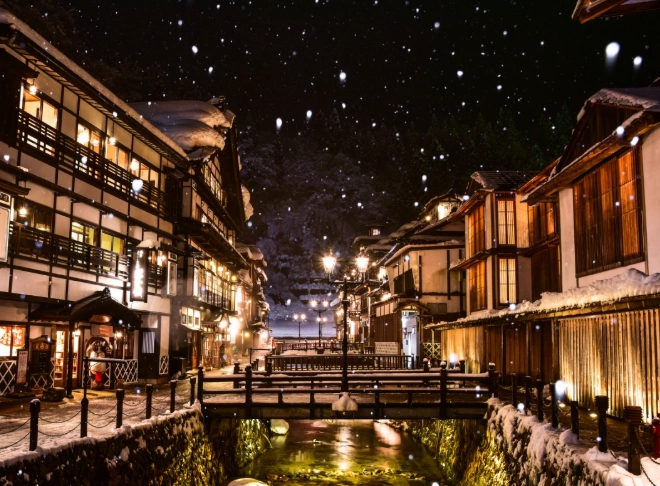
Your Yamagata Japan Things to Do Questions, Answered
I get a lot of the same questions from friends planning trips. Here are the real answers.
That depends. If you want hyper-efficiency, English signage everywhere, and iconic global landmarks, maybe stick to the golden route. If you value authenticity, stunning nature without the crowds, deep cultural experiences, and feeling like you've discovered something special, then yes, it's 100% worth it. It's not better or worse, it's different and deeply rewarding.
You can get a powerful taste in 2 full days (see the blitz itinerary). To feel like you've truly experienced the region's diversity, 4-5 days is ideal. It allows for a slower pace and exploring two different areas (e.g., Zao/Ginzan and Dewa Sanzan).
You can, but your options shrink and your schedule becomes rigid. You'll rely on infrequent buses to reach Ginzan Onsen and Zao. Yamadera is easy by train. Tours are an option for day trips. For maximum freedom and access to the full list of things to do in Yamagata Japan, a car is the strongest recommendation.
Trying to do too much in one day. The geography is mountainous. Driving from Yamadera to Ginzan to Zao in one day is a stressful, rushed mess. Pick a base and explore deeply from there. Also, underestimating the cold in winter. The Zao summit is seriously, dangerously cold. Pack accordingly.
It is a tourist destination, yes. The main street can get crowded with day visitors during the day, especially on weekends and holidays. But the magic is real. The architecture and setting are unique. To avoid the worst of it, visit on a weekday, or better yet, stay overnight. After the last buses leave, the town becomes quiet and incredibly atmospheric.
Final Thoughts: Why Yamagata Sticks With You
Looking for things to do in Yamagata Japan isn't just about filling an itinerary. It's about committing to a different kind of Japanese journey. You won't find a sprawling metropolis or a thousand identical souvenir shops here. What you will find is a place that feels grounded, real, and deeply connected to its mountains, its seasons, and its traditions.
The memories that come back to me aren't just the postcard views (though those are stunning). It's the feeling of warmth after a long hike, sinking into a steaming outdoor onsen as snow falls. It's the simple, profound flavor of a bowl of cold soba with mountain water. It's the eerie silence walking among the frozen Snow Monsters. It's the accomplishment of reaching the top of Yamadera, completely out of breath, and having that view all to yourself for a quiet moment.
Yamagata doesn't shout for your attention. It whispers. And if you're willing to listen, it offers an experience that's become increasingly rare in travel – a genuine sense of discovery. So pack your sense of adventure (and maybe some good hiking boots), and go see what you find.
Comments