Explore This Guide
Let's be honest, planning a trip to Japan can feel overwhelming. There's just too much. Do you chase the neon lights of Tokyo, soak in history in Kyoto, or head north to the mountains? I've been there, staring at a map, feeling like I'm going to miss something incredible no matter what I choose.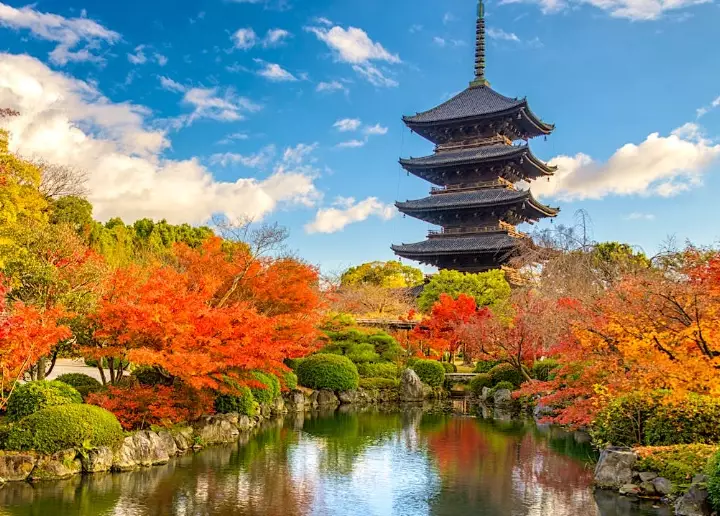
After multiple trips and a lot of trial and error (including a few rainy-day disappointments), I've put together what I genuinely believe is the definitive list. This isn't just a regurgitation of famous names; it's a curated guide to the top 10 places to see in Japan, balancing iconic sights with personal favorites and practical advice on how to actually enjoy them.
We'll go beyond the postcard. I'll tell you what's worth the hype, what might be overrated (a little), and the simple things you should know before you go. Think of this as a chat with a friend who's been there, done that, and wants to help you have the best trip possible.
How This Top 10 Japan List Works
I'm not ranking these in a strict "best to worst" order. That's impossible. How do you compare a serene temple with a buzzing metropolis? Instead, think of this as a collection of essential Japanese experiences. Some are cities, some are natural wonders, but each offers something unique you can't find anywhere else on the planet.
To help you plan, I've broken down each spot with the vibe, the can't-miss highlights, and a realistic look at the downsides. Because yes, even the most amazing places have crowds or can be tricky to navigate.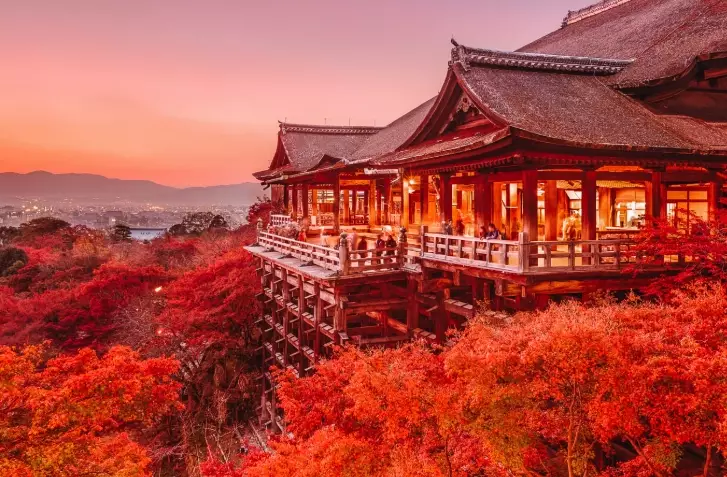
| Place | Core Experience | Best For | Ideal Visit Length |
|---|---|---|---|
| Tokyo | Hyper-modern culture & endless energy | Foodies, pop culture fans, urban explorers | 4-5 days minimum |
| Kyoto | Traditional Japan, temples & geisha culture | History buffs, photographers, serenity seekers | 3-4 days |
| Osaka | Unpretentious street food & nightlife | Food lovers, fun-seekers, budget travelers | 2-3 days |
| Hiroshima & Miyajima | Profound history & stunning natural beauty | History learners, nature lovers | Full day (each) |
| Nara | Ancient history & friendly deer | Families, temple enthusiasts, day-trippers |
See? Already getting a clearer picture. Let's dive into the first of our top 10 places to see in Japan.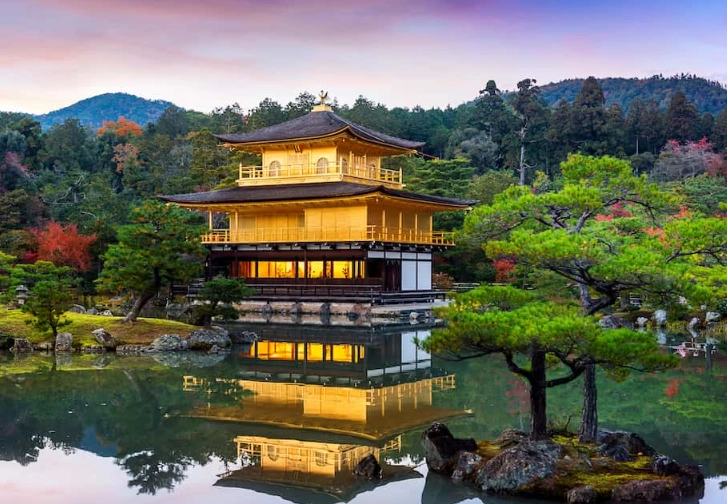
The Unmissable Top 10 Places to See in Japan
1. Tokyo: The Neon-Pumped Heartbeat
You can't talk about the top 10 places to see in Japan without starting with Tokyo. It's a universe in a city. One minute you're in a serene garden, the next you're under a billion LED lights in Akihabara. The scale is hard to grasp until you're there.
The mistake first-timers make is trying to "do" Tokyo. You don't. You experience different neighborhoods.
Must-Do: Shibuya Crossing Tsukiji Outer Market TeamLab BorderlessShibuya is for the iconic scramble crossing and youth fashion. Shinjuku is a maze of skyscrapers, tiny bars in Golden Gai, and the surprisingly peaceful Shinjuku Gyoen garden. Asakusa lets you touch old Tokyo at Senso-ji Temple. And Harajuku... well, it's changed. Takeshita Street is now a packed, often overwhelming tourist funnel. I find the backstreets and Omotesando (the chic tree-lined avenue) far more interesting.
Food is a top reason Tokyo is on this list. From life-changing sushi at the outer market to a perfect bowl of ramen in a tiny 8-seat shop, you will eat well. Don't be intimidated by menus. Pointing is a universal language here.
2. Kyoto: The Soul of Traditional Japan
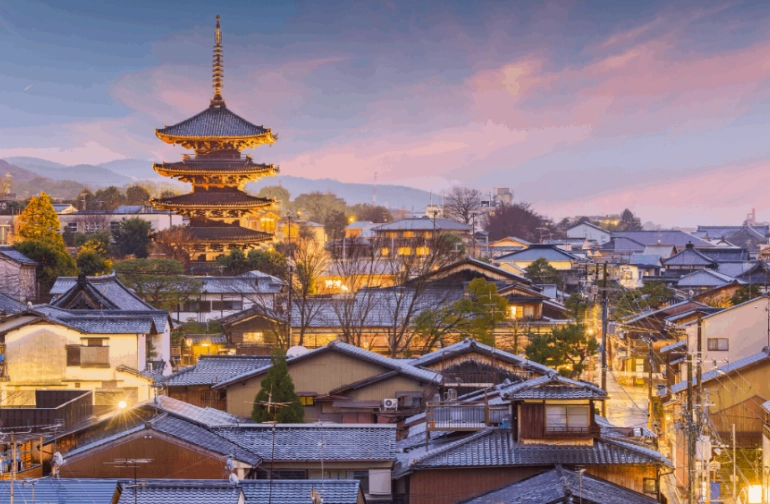
If Tokyo is Japan's fast-forward, Kyoto is its pause button. This is the cultural heart, home to over 1,600 temples, serene Zen gardens, and the fading, beautiful world of the geisha. It's arguably the most important of the top 10 places to see in Japan for understanding the country's history and aesthetics.
But let's be real: it's crowded. Places like Fushimi Inari Shrine (the thousand red gates) and Kinkaku-ji (the Golden Pavilion) are swamped by midday. My advice? Go early. I mean, sunrise early. Having Fushimi Inari to yourself as the light filters through the gates is a magical experience no tour bus can provide.
Gion, the geisha district, is beautiful at dusk with its wooden machiya houses. Please be respectful. Chasing geiko or maiko (the local terms) for photos is intrusive. Observe quietly from a distance.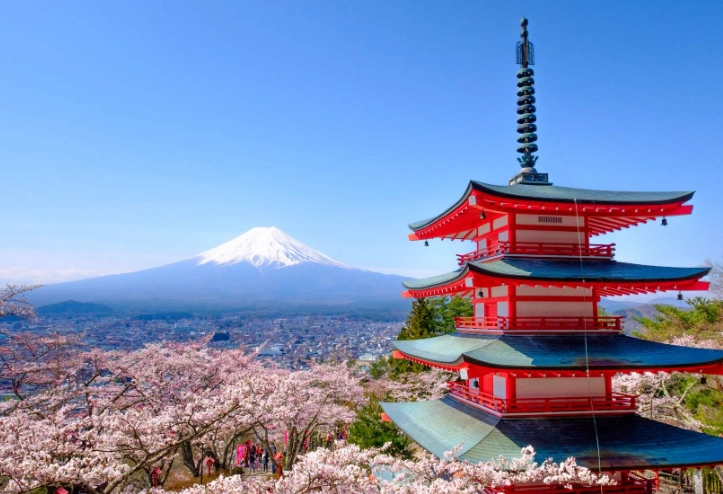
Arashiyama, on Kyoto's western edge, offers the famous bamboo grove (go very early) and the lovely Tenryu-ji temple. I actually prefer the quiet paths along the Katsura River behind the main tourist strip.
3. Osaka: Japan's Kitchen
Osaka is Tokyo's down-to-earth, fun-loving cousin. The people are famously direct and funny, the pace is a tad slower, and the food... oh, the food. They call it "Japan's Kitchen" for a reason. If you're a foodie, this might be your #1 of the top 10 places to see in Japan.
Dotonbori is the main event at night—a sensory overload of giant neon signs (the running Glico man!), the smell of takoyaki (octopus balls) and okonomiyaki (savory pancake) in the air, and a contagious energy. It's chaotic, loud, and utterly wonderful.
But Osaka isn't just street food. Osaka Castle is a museum inside a reconstruction, but the park grounds are lovely. The Kaiyukan Aquarium is one of the world's best. And for a quirky, local experience, head to Shinsekai, a retro-futuristic neighborhood with its own slightly faded charm and great kushikatsu (deep-fried skewers).
4. Hiroshima & Miyajima: History and Healing
This is a profound and essential day. Hiroshima today is a vibrant, peaceful city—a testament to resilience. A visit to the Hiroshima Peace Memorial Museum is not easy, but it's important. It's a sobering, human-focused look at the events of 1945. The A-Bomb Dome, preserved as it was after the blast, stands silently in the park as a UNESCO World Heritage site and a powerful symbol.
It's heavy, which is why the second part of this duo is perfect. Just a short ferry ride away is Miyajima (Itsukushima Island). It's famous for the "floating" torii gate of Itsukushima Shrine, which appears to stand in the sea at high tide. It's one of Japan's classic three views.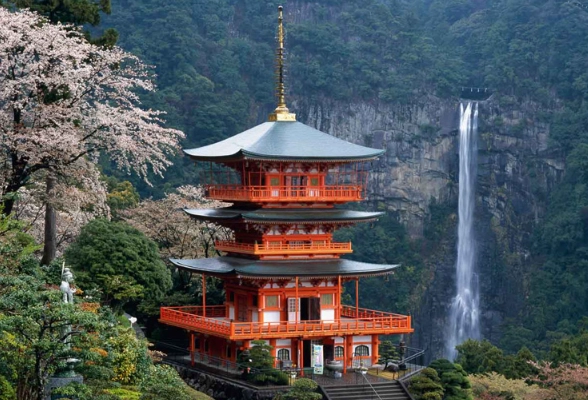
The deer here are (slightly) less pushy than Nara's. The island has great hiking trails up Mount Misen. Try the local momiji manju (maple-leaf shaped cakes). Seeing the torii gate lit up at night is a completely different, magical experience. Combining Hiroshima's historical weight with Miyajima's natural beauty makes this one of the most emotionally impactful of the top 10 places to see in Japan.
5. Nara: Where the Deer Bow
An easy day trip from Kyoto or Osaka, Nara is Japan's first permanent capital. Its main draw is twofold: some of the country's oldest and most significant temples, and hundreds of free-roaming, bowing sika deer considered sacred messengers.
Todai-ji Temple is the star. The main hall, Daibutsuden, is one of the world's largest wooden buildings. Inside sits a colossal bronze Buddha, an awe-inspiring piece of 8th-century craftsmanship. The scale is hard to comprehend until you're standing there.
The deer in Nara Park are cute, sure.
But they are also savvy.
They have learned to bow for the special deer crackers (shika senbei) you can buy. It's charming, but be warned—they can get a little assertive if they see or smell food. Hold the crackers high and bow back! It's a unique, slightly surreal experience that solidifies Nara's spot on any top 10 Japan list.
6. Hakone: Fuji Views and Onsen Relaxation
Need a break from cities? Hakone is the classic escape, part of the Fuji-Hakone-Izu National Park. The main goal here: get a glorious view of Mount Fuji while soaking in a natural hot spring (onsen).
The "Hakone Round Course" is a brilliant way to see the area. It involves a switchback train, a cable car over steaming volcanic valleys (Owakudani, where you can eat black eggs boiled in the sulfurous waters), a pirate ship cruise across Lake Ashi (with potential Fuji views), and a bus back. It's a full, fun day of varied transport.
Staying in a traditional ryokan here, with a kaiseki dinner and a yukata robe to wear, is a quintessential Japanese experience. It's a peaceful counterpoint to the urban energy of Tokyo.
7. Kanazawa: The Samurai Town
Often called "Little Kyoto," Kanazawa escaped WWII bombing, so its historic districts are beautifully preserved. But it has its own distinct character. It's less crowded, more manageable, and has a fantastic food scene centered on its fresh seafood from the Sea of Japan.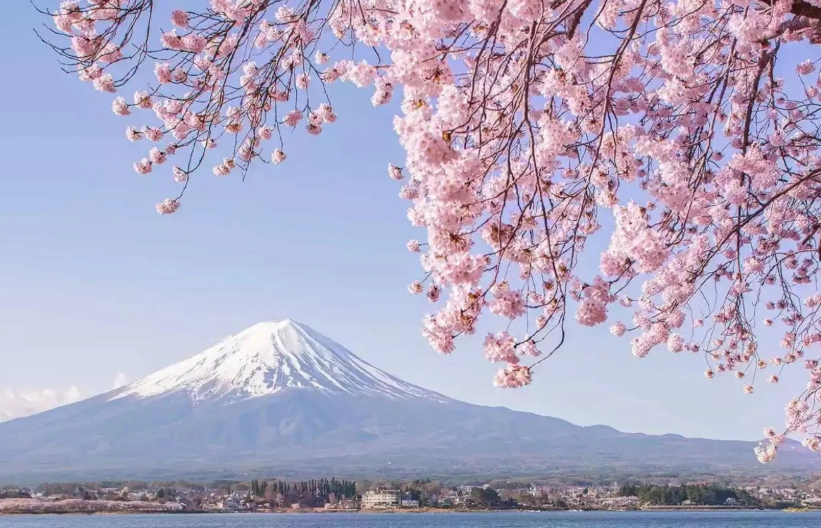
The Kenrokuen Garden is one of Japan's official "Three Great Gardens"—stunning in every season, especially with snow (yukitsuri) protecting the trees in winter. The Nagamachi Samurai District, with its earthen walls and narrow lanes, lets you imagine the life of samurai. The Higashi Chaya geisha district is like a quieter, more authentic version of Kyoto's Gion.
What makes Kanazawa special?
- Gold Leaf: The city produces 99% of Japan's gold leaf. You can eat it on ice cream!
- 21st Century Museum of Contemporary Art: A fantastic modern contrast to the history.
- Omicho Market: A bustling, covered market perfect for a fresh sushi breakfast.
It's a fantastic alternative or addition to Kyoto, especially if you want to avoid the biggest crowds while still soaking in traditional atmosphere. It's a sleeper hit among the top 10 places to see in Japan.
8. Hokkaido (Sapporo & Beyond): The Wild North
Hokkaido is a different Japan. Vast, wild, with a frontier spirit. In winter, it's a world-class snow destination (think the Sapporo Snow Festival and incredible powder skiing in Niseko). In summer, it's a paradise of flower fields (Furano), deep blue caldera lakes (Lake Toya), and dramatic, untouched nature in places like Daisetsuzan National Park.
Sapporo, the capital, is known for its beer, miso ramen (a richer, heartier style than Tokyo's), and the orderly, grid-planned streets laid out by American advisors. The historical village on its outskirts is a great open-air museum.
But the real magic of Hokkaido is outside the cities. Driving through the rolling hills of Biei, seeing brown bears in Shiretoko (a UNESCO site), or soaking in an outdoor onsen while snow falls around you. It offers a rugged, spacious contrast to the main island of Honshu and is absolutely one of the top 10 places to see in Japan for nature lovers.
9. Okinawa: The Tropical Paradise
This is Japan, but not as you imagine it. Okinawa is a chain of subtropical islands with a distinct Ryukyu culture, its own history as an independent kingdom, and stunning white-sand beaches with turquoise water. The pace is slow, the food features pork, bitter melon (goya), and purple sweet potato.
Naha, the capital on the main island, has Shuri Castle (a reconstruction of the Ryukyu royal palace) and Kokusai Dori, a bustling street for souvenirs and food. But you come here for the islands: Ishigaki for diving with manta rays, Miyakojima for some of Japan's best beaches, or the Kerama Islands for pristine snorkeling a short ferry from Naha.
It's a completely different vibe—perfect for adding a beach relaxation segment to a longer Japan trip or as a destination in its own right. The unique culture and landscape make it a non-negotiable entry on a comprehensive top 10 places to see in Japan list.
10. Takayama & the Japanese Alps: The Mountain Post Towns
Nestled in the Hida Mountains (the Japanese Alps), Takayama feels frozen in time. Its beautifully preserved old town, Sanmachi Suji, is a district of dark wooden merchant houses, sake breweries (identified by a ball of cedar leaves out front), and small museums. The morning markets along the Miyagawa River are delightful.
Takayama is also the gateway to the UNESCO World Heritage site of Shirakawa-go and Gokayama. These are villages famous for their unique gassho-zukuri farmhouses, with steep thatched roofs designed to shed heavy snow. Walking through Ogimachi in Shirakawa-go, especially in winter when the houses are lit up, feels like stepping into a fairy tale.
The area is also known for its exceptional Hida beef (a rival to Kobe beef). Try it on a skewer, in a sushi, or as a steak. The combination of historic charm, alpine scenery, and incredible food makes this region the perfect final entry in our top 10 places to see in Japan. It showcases the rural, mountainous heart of the country.
Practical Tips for Tackling This Japan Bucket List
Okay, you've seen the list. Now, how do you make it happen without going broke or insane?
The JR Pass Math: The Japan Rail Pass is a famous tourist ticket for unlimited travel on JR trains. With the recent price hike, you must do the math. If your itinerary is just Tokyo-Kyoto-Osaka-Hiroshima-Tokyo, it *might* still pay off. Use the official JR Pass calculator or a site like Japan Guide to compare point-to-point ticket costs. For more scattered trips (like including Hokkaido or Okinawa), flying with budget airlines (Peach, Jetstar Japan) might be cheaper and faster.
Accommodation: Book well in advance, especially for peak seasons (cherry blossom, autumn leaves, Golden Week). Business hotels are small but efficient. Ryokans are a cultural experience but come with rules (dinner times, no shoes, communal baths).
Cash is Still King (Sometimes): While major cities are increasingly card-friendly, many small restaurants, temples, and rural areas still operate on cash. Always carry some yen.
Quick Answers to Your Burning Japan Questions
Wrapping It Up: Your Japan Journey Starts Here
So there you have it. My personal, tried-and-tested list of the top 10 places to see in Japan. From the futuristic buzz of Tokyo to the sacred deer of Nara, the tragic history of Hiroshima to the tropical shores of Okinawa, this country offers an unbelievable range of experiences.
The key is not to treat it as a checklist. Japan rewards slow travel, curiosity, and a willingness to get a little lost down a side street. Pick the places that speak to you, dive deep, and leave the others for your next trip. Because if Japan gets under your skin the way it did for me, there will always be a next time.
Start planning, get excited, and get ready for one of the most fascinating, delicious, and memorable trips of your life. Safe travels!



Comments