Nestled on the eastern coast of Kyushu, Oita Shi (Oita City) is the often-overlooked capital of Oita Prefecture. Most travelers speeding through on the shinkansen to Fukuoka or Hiroshima have no idea what they're missing. This isn't just another Japanese city. It's a geothermal wonderland where steam vents paint the hillside, a castle town with samurai secrets, and a food scene that will challenge everything you thought you knew about Japanese cuisine. Forget Tokyo's crowds and Kyoto's temples for a moment. Oita Shi offers a raw, authentic slice of Japan where modernity and tradition simmer together like the waters in its countless onsen.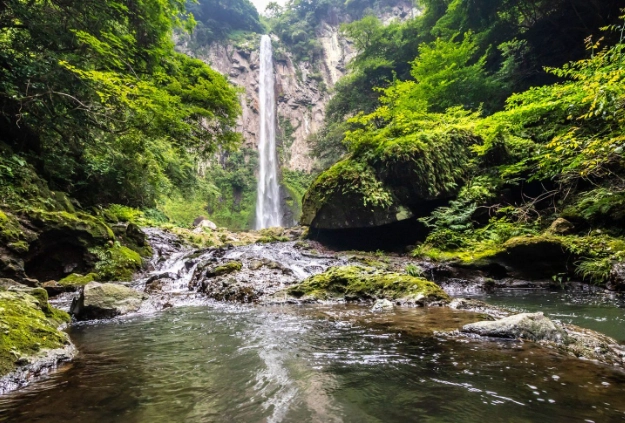
I first visited Oita Shi on a whim, escaping a rainy week in Osaka. What I found was a city that refuses to be pigeonholed. It's sophisticated yet rugged, deeply historical but forward-thinking. The locals have a quiet pride that's infectious. They'll tell you about their samurai ancestors over a glass of shochu, then recommend a startup cafe run by a former salaryman. This guide strips away the generic advice. We're going deep into the steam, history, and flavors that make Oita Shi a destination, not a stopover.
Quick Navigation
Top Attractions in Oita Shi: Beyond the Steam
Oita Shi's attractions are a testament to its volcanic personality. The land here is alive, and it makes sure you know it.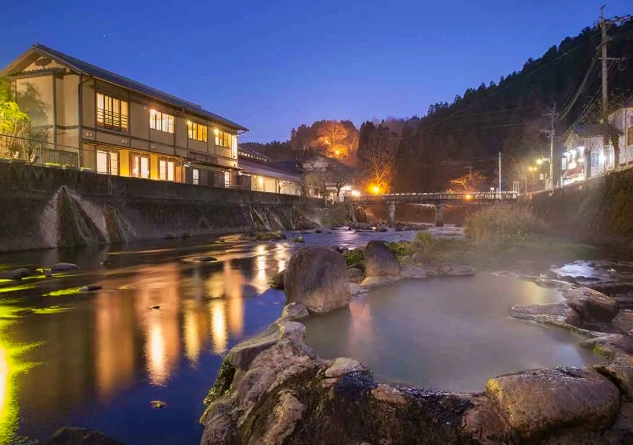
Beppu's Hells (Jigoku Meguri)
Let's get the obvious out of the way. The Beppu Hells are the city's geothermal heart. Seven spectacular hot springs, each with its own bizarre personality. Umi Jigoku (Sea Hell) is a cobalt blue cauldron. Oniishibozu Jigoku bubbles with grey mud like a monk's head. The steam is so thick you can barely see your hand.
Most visitors make a beeline for the demon show at Oniyama Jigoku. A trained macaque wrestles for crowd approval. It's surreal. A word of caution from someone who learned the hard way: the steam vents are not photo ops. The ground is unstable. Stay on the path. The heat can cause severe burns.
Address: 559-1 Kannawa, Beppu City, Oita Prefecture
Hours: 8:00 AM - 5:00 PM
Admission: Varies by hell, typically ¥400-¥500
Access: 5-minute walk from Beppu Station
Oita City Art Museum
Modernism meets traditional Japanese aesthetics. The building itself, designed by Arata Isozaki, is a stark geometric form that somehow feels at peace with the surrounding park. Inside, the collection focuses heavily on post-war Japanese art. You'll find works by Yayoi Kusama that predate her polka dots, and calligraphy pieces that look like they're moving.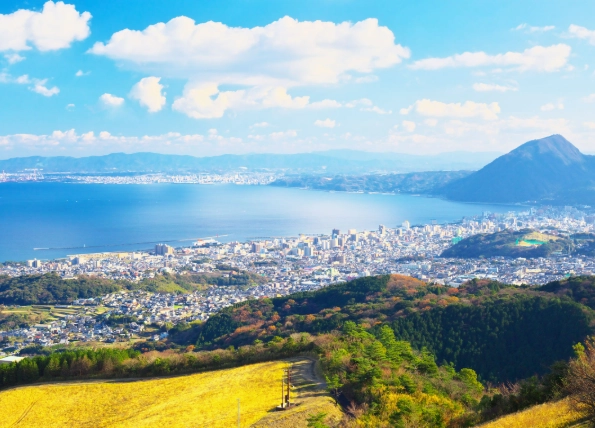
The museum's curation is smart. It doesn't overwhelm. Each piece is given space to breathe. I spent an hour just watching the light change on a single ink painting.
Address: 2-1 Kotobuki-cho, Oita City, Oita Prefecture
Hours: 10:00 AM - 6:00 PM (Closed Mondays)
Admission: ¥300 for adults
Access: 20-minute bus ride from Oita Station
Takasakiyama Monkey Park
Over a thousand Japanese macaques roam freely. This isn't a zoo. The monkeys own the mountain. You're the visitor. Watching them is a lesson in social dynamics. The alpha male struts. Infants cling to mothers. Old monkeys sit alone, staring into the distance.
Feeding is allowed at specific times. The monkeys know the schedule. They descend from the trees with a precision that's almost military. Hold out your apple. A small hand, surprisingly gentle, will take it. Their fur is thicker than you'd expect.
Address: 3090-1 Oaza Takasakiyama, Oita City
Hours: 8:30 AM - 5:00 PM
Admission: ¥520
Access: 30-minute bus ride from Oita Station
Usuki Stone Buddhas
Carved into soft volcanic rock, these Buddhas have watched over Usuki for eight centuries. Erosion has been kind to some, cruel to others. Fingers have melted into palms. Noses have flattened. Moss grows in the hollows where rainwater collects.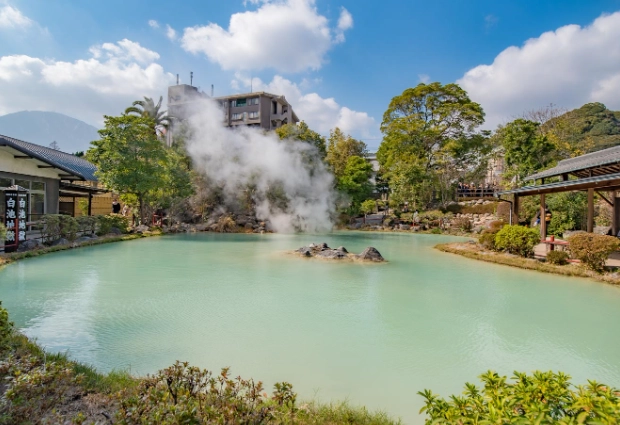
The site is larger than expected. Allow two hours. The path winds through a forest so quiet you can hear moss growing. The Buddhas seem to be listening. I'm not religious, but standing there, I felt a weight lift. Maybe it was the history. Maybe it was the silence.
Address: Usuki City, Oita Prefecture
Hours: Sunrise to sunset (open area)
Admission: Free
Access: 45-minute train ride from Oita Station to Usuki Station, then a 10-minute taxi
A Food Lover's Guide to Oita Shi
Oita's cuisine is a product of its geography. Mountains meet sea. The result is bold, unapologetic flavor.
Toriten (Oita-style Tempura)
Chicken breast, sliced thin, marinated in a sweet-savory sauce, then battered and fried. The crust shatters. The chicken inside is so tender it practically dissolves. It's served with a broth made from dried bonito and soy. Dip sparingly. The broth is strong. It's meant to complement, not drown.
Where to try: Toriten Main Store near Oita Station. It's been there since the Showa period. The owner still wears a kimono. Expect a wait.
Basashi (Horse Sashimi)
Thin slices of raw horse meat, arranged like a flower. The color is a deep red, almost purple. It's served with grated ginger and soy. The first bite is cold. Then the flavor hits. It's rich, slightly sweet, with a texture that's firm but not tough. The ginger cuts the richness.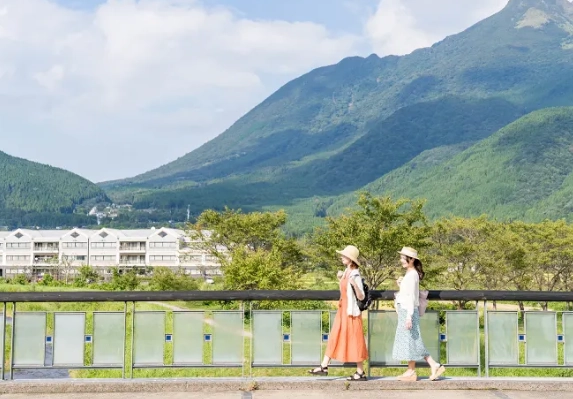
This isn't for everyone. If the idea bothers you, order something else. But if you're going to try it, do it here. Oita's horses are bred for this. The meat is lean, clean. It's considered a delicacy, a celebration of the region's history as horse country.
Dango-jiru
A miso soup so thick with dumplings it's almost a stew. The dumplings are made from wheat flour. They have a chew that's satisfying. The broth is deep, savory, with a hint of sweetness from the miso. Vegetables—usually daikon, carrot, and shiitake—float like little islands.
This is winter food. It's served in a clay pot that's too hot to touch. Steam rises in columns. You eat it slowly, blowing on each spoonful. By the end, you're warm from the inside out. It's the kind of meal that makes you want to take a nap.
Onsen Etiquette: The Unspoken Rules
Onsen culture is built on respect. Ignore the rules, and you'll be the foreigner everyone remembers for the wrong reasons.
Before Entering the Bath
Shower thoroughly. Every inch. Soap is provided. Rinse completely. No soap bubbles in the bath. Tie long hair up. Enter quietly. No splashing. No swimming. No staring. No photography. Ever.
In the Bath
Use the small towel to cover yourself when walking. Enter the water slowly. No diving. Find a spot. Sit quietly. The water is for soaking, not for washing. Keep the towel out of the water. It can go on your head. Don't wring it in the bath. When you're done, rinse off at the shower. Dry yourself before returning to the changing room.
Tattoos
This is changing, but many onsen still ban visible tattoos. If you have small ones, cover them with bandages. Large tattoos may mean you're turned away. It's not personal. It's historical. Tattoos are associated with the yakuza. Some places are relaxing the rule, especially for foreigners. Check ahead.
Where to Stay in Oita Shi
Your choice of accommodation in Oita Shi will define your trip. Here’s a breakdown of the best options for different travel styles and budgets.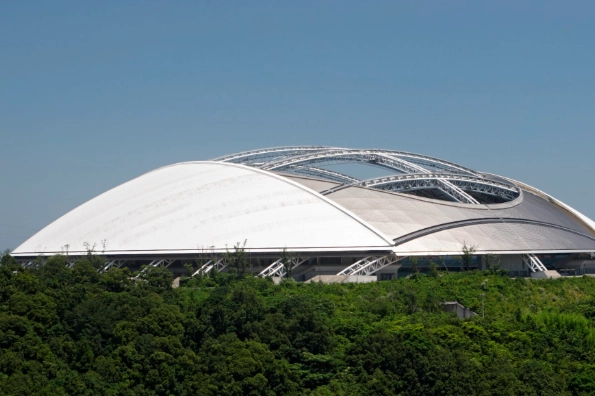
| Hotel Name | Area | Price Range (per night) | Key Features |
|---|---|---|---|
| Beppu Kannawa Onsen Hotel | Beppu Onsen District | ¥20,000 - ¥40,000 | Private sulfur onsen, kaiseki meals, traditional tatami rooms |
| Oita Terminal Hotel | Near Oita Station | ¥8,000 - ¥15,000 | Modern business hotel, free breakfast, convenient for trains |
| Yufuin Onsen Ryokan | Yufuin (30 min drive) | ¥25,000 - ¥50,000 | Secluded mountain setting, open-air baths, multi-course dinner |
| Guesthouse Oita | Central Oita | ¥3,000 - ¥6,000 | Budget-friendly, social atmosphere, bike rentals |
Staying in a 'ryokan' (traditional inn) is the quintessential Oita experience. Yes, it's more expensive. But you're not just paying for a bed. You're paying for an education in Japanese hospitality. The 'kaiseki' dinner alone is worth the price. It's a multi-course journey through the region's seasons. Each plate is a work of art you destroy in minutes. The onsen is usually private or shared with just a few other guests. The water is so soft your skin will feel different for days.
The biggest mistake first-timers make? Choosing a hotel based solely on price and proximity to the station. The station area is convenient, but it's also the least atmospheric part of town. It's all concrete and vending machines. For a true sense of place, you need to get out. Stay in Beppu, near the hells. Or better yet, make the trip to Yufuin, a nearby onsen town tucked in a mountain valley. The trade-off is a longer commute into the city, but the evenings are pure magic. The air is cooler. The stars are brighter. The only sound is the river.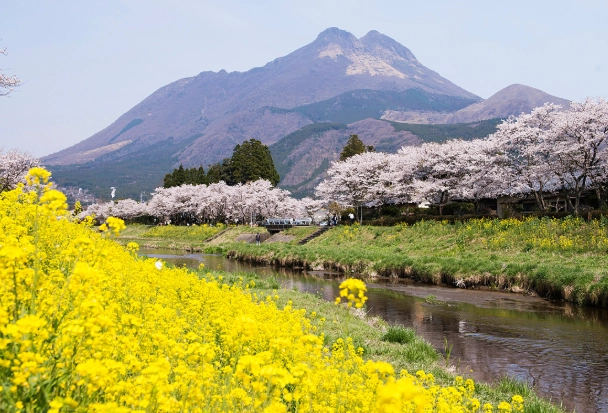
Getting Around Oita Shi
Oita Shi's public transport is reliable but not always intuitive. Here’s how to navigate like a local.
Trains
The JR Kyushu lines connect Oita Shi to Beppu, Yufuin, and Usuki. The trains are clean, punctual, and surprisingly scenic, especially the line to Yufuin that winds through cedar forests. For unlimited travel, consider the JR Kyushu Rail Pass. It pays for itself in about two long trips. Buy it before you arrive in Japan. You can't get it here.
Buses
Local buses fill the gaps the trains miss. They're essential for reaching attractions like the Monkey Park or specific onsen. The schedules are posted at every stop, usually in Japanese only. A major pain point for visitors is the lack of real-time tracking. You just have to wait. Google Maps is your best friend here. It has most bus routes loaded. Pay when you get off. Exact change is preferred, but most buses now accept IC cards like Suica.
Taxis
Taxis are plentiful and safe, but expensive for long distances. Useful for short hops from the station to your hotel with luggage, or for a late-night return from dinner. The doors open and close automatically. Don't touch them. It confuses the driver.
Rental Car
This is my non-consensus recommendation. If you're comfortable driving on the left and have an International Driving Permit, rent a car. Oita Prefecture's true beauty lies in its countryside—the winding coastal roads, the hidden temple in a valley, the small farm stand selling the sweetest mikan you've ever tasted. Public transport won't get you there. The freedom is worth the cost and the stress of navigating narrow roads. Rent from the airport or a major station. Book in advance, especially during peak seasons.
Sample 3-Day Itinerary for Oita Shi
This itinerary balances must-sees with local immersion. It's paced for enjoyment, not endurance.
Day 1: The Geothermal Introduction
Morning (9:00 AM): Arrive at Oita Airport. Pick up your rental car or take the airport limousine bus to Oita Station. Drop bags at your hotel.
Afternoon (1:00 PM): Train to Beppu. Start the Jigoku Meguri. Visit 3-4 hells. Don't rush. The demon monkey show is at Oniyama Jigoku.
Evening (6:00 PM): Dinner at a local 'izakaya' in Beppu. Try the fresh seafood and local sake. Return to Oita City.
Day 2: Culture and Monkeys
Morning (10:00 AM): Visit the Oita City Art Museum. Spend a couple of hours with the post-war collection.
Afternoon (1:30 PM): Bus to Takasakiyama Monkey Park. Spend 2-3 hours observing. Feeding time is usually around 3:00 PM.
Evening (7:00 PM): Splurge on a 'kaiseki' dinner at your ryokan or a specialized restaurant. This is a multi-hour event.
Day 3: History and Departure
Morning (9:00 AM): Drive or take the train to Usuki (about 45 minutes). Explore the Stone Buddha sites. The walk is peaceful.
Afternoon (1:00 PM): Have a late lunch in Usuki. Look for a place serving 'fugu' (blowfish) if it's in season and you're feeling adventurous.
Late Afternoon (4:00 PM): Return to Oita City. Do some last-minute souvenir shopping near the station. Pick up some 'bungo beef' jerky.
Evening: Head to the airport for your departure or extend your stay in a Yufuin ryokan.




Comments