Quick Guide to Japan Summer Travel
- Understanding the Japanese Summer Climate: It's Not All the Same
- The Cultural Heartbeat: Summer Festivals (Matsuri) and Fireworks (Hanabi)
- Summer Gastronomy: What to Eat and Drink to Stay Cool (and Happy)
- Smart Travel Strategies for the Summer Months
- What NOT to Do in Japan During Summer
- Frequently Asked Questions (FAQs)
- Final Thoughts: Embracing the Season
Let's be real, the first thing anyone mentions about Japan in summer is the heat. And they're not wrong. Stepping out of Tokyo's Shinjuku Station in August feels like walking into a giant, slightly damp towel. But here's the thing everyone who just warns you about the humidity misses: summer is when Japan truly comes alive in a way you won't see any other time. It's a season of explosive energy, deep-rooted traditions, and flavors you can only get for a few short months. If you only think of crowds and sweat, you're missing the whole point of visiting Japan during summer.
I remember my first July in Kyoto. I was miserable for about two hours, dragging my suitcase to my ryokan, convinced I'd made a terrible mistake. Then, as the sun set, I heard the distant beat of a drum. I followed the sound and stumbled into the preview of the Gion Matsuri. The air was still thick, but it was now filled with the smell of street food, the sight of magnificent floats, and this incredible, shared sense of celebration. That's the magic. It's not despite the heat, but in many ways, because of it. The intensity of the season creates an intensity of experience.
Understanding the Japanese Summer Climate: It's Not All the Same
Okay, let's get the weather talk out of the way. Saying "Japan is hot in summer" is like saying "water is wet"—accurate but not very helpful. The nuance is everything. The season generally runs from June to August, but it's a journey in itself.
June (Tsuyu - The Rainy Season): This is the prelude. Early June can still be pleasant, but then the rainy season (tsuyu or baiu) rolls in, usually from mid-June to mid-July. It's not constant torrential rain, more like a persistent, muggy drizzle that can last for days. The upside? Lush, vibrant green landscapes everywhere. The downside? Humidity shoots up, and everything feels damp. Packing a compact umbrella and quick-dry clothes is non-negotiable. The official Japan Meteorological Agency (JMA) provides detailed forecasts and historical data, which is way more reliable than generic weather apps.
July & August (The Main Event): After the rains clear, the furnace kicks on. Temperatures routinely sit between 30°C and 35°C (86°F - 95°F), but the killer is the humidity, often hovering around 70-80%. It's a pervasive, engulfing heat. Concrete cities like Tokyo and Osaka become urban heat islands, while the historic streets of Kyoto, often with less airflow, can feel even more stifling.
But here's a crucial tip most blogs don't emphasize enough: Japan's summer weather is not monolithic.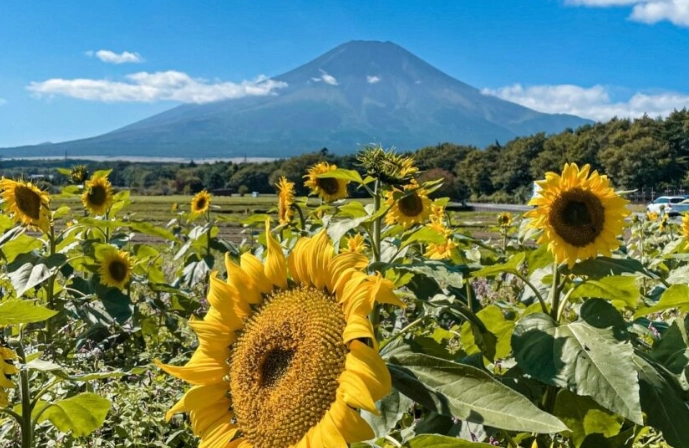
| Region | Summer Character | Key Consideration |
|---|---|---|
| Kanto (Tokyo, Yokohama) | Hot, humid, urban heat island effect. Nights offer little relief. | Air conditioning is your best friend. Plan indoor activities for midday. |
| Kansai (Kyoto, Osaka, Nara) | Intense heat, often feels heavier due to basin geography and dense historical areas. | Start sightseeing at sunrise. Temples open early—use that to your advantage. |
| Hokkaido (Sapporo, Furano) | Significantly milder and drier. Temperatures are pleasant, often in the mid-20s°C (70s°F). | The prime escape. Lavender fields bloom in July, and it's festival season without the suffocating heat. |
| Mountainous Areas (Japanese Alps, Mt. Fuji area) | Cooler temperatures, especially at higher elevations. A welcome respite. | Perfect for hiking and outdoor activities that are punishing elsewhere. Check for yamabiko (mountain echoes) forecasts. |
| Okinawa & Southern Islands | Tropical. Hot, but with ocean breezes. The rainy season ends earlier here (late June). | Beach paradise, but also peak typhoon season. Watch forecasts closely and have flexible plans. |
The Cultural Heartbeat: Summer Festivals (Matsuri) and Fireworks (Hanabi)
This is the big one. The main reason to brave the conditions. Summer in Japan is festival season. These aren't just cute street fairs; they are profound community events, often with religious origins, that transform entire cities. The energy is electric and utterly contagious.
Must-Experience Summer Festivals
Gion Matsuri (Kyoto, throughout July): The granddaddy of them all. A month-long celebration culminating in two majestic float processions (Yamaboko Junko) on July 17th and 24th. The nights before (Yoiyama) are arguably more fun for visitors—the streets are closed, filled with food stalls, and you can see the floats up close. It's crowded beyond belief, but it's a spectacle that defines Japan during summer. The City of Kyoto's official page has the precise schedule.
Tenjin Matsuri (Osaka, July 24-25): One of Japan's top three festivals. The highlight is a dazzling river procession of dozens of boats, followed by a massive fireworks display over the Okawa River. It feels like the entire city of Osaka is out celebrating.
Kanto Matsuri (Akita, August 3-6): Less known internationally but breathtaking. Performers balance 12-meter-high bamboo poles (kanto) laden with 46 lanterns on their foreheads, shoulders, or hips. The skill is mesmerizing, a beautiful dance of light against the night sky.
Nebuta Matsuri (Aomori, August 2-7): Massive, illuminated papier-mâché floats depicting fierce warriors and mythical creatures are paraded through the streets, accompanied by thousands of energetic dancers (haneto). The sheer scale and raw energy are unforgettable.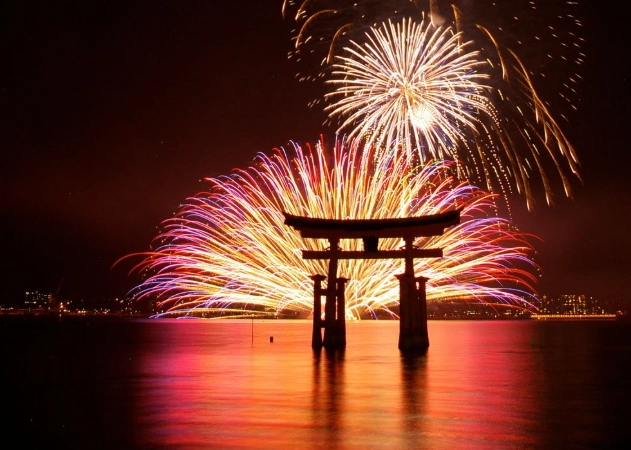
Fireworks (Hanabi Taikai)
Japanese fireworks are an art form. Summer nights are punctuated by countless displays, from small local shows to competitions firing tens of thousands of shells. The Sumida River Fireworks in Tokyo (last Saturday of July) is iconic but insanely crowded. For a (slightly) more manageable experience, try the Nagaoka Festival Grand Fireworks (early August, Niigata) or the Omagari National Fireworks Competition (late August, Akita).
Finding a good spot is a ritual. People claim spaces with blue tarps hours, even days, in advance. As a visitor, your best bet is often to book a spot on a river cruise (expensive) or find a vantage point from a less popular bridge or side street. Or, do what I did once: watch from the window of a nearby department store cafe. Air-conditioned, with a drink in hand, it was a perfect compromise.
Summer Gastronomy: What to Eat and Drink to Stay Cool (and Happy)
Japanese summer food is a masterclass in beating the heat. It's light, refreshing, and often served cold.
- Hiyashi Chuka: Chilled ramen with toppings like egg, ham, cucumber, and tomato in a tangy, vinegary sauce. The ultimate lunch on a sweltering day.
- Somen: Thin, white wheat noodles served ice-cold, often dipped in a light tsuyu sauce. Sometimes they're served flowing down a bamboo flume (nagashi somen)—you catch them with your chopsticks! It's as fun as it is delicious.
- Unagi (Eel): Traditionally eaten on the Day of the Ox in mid-summer for stamina. Grilled eel over rice (unadon) is rich, savory, and believed to fight summer fatigue.
- Kakigori: Shaved ice dessert, far beyond the snow cones you might know. The ice is finely shaved to a fluffy, snow-like texture and topped with syrups like matcha, strawberry, or sweet condensed milk. High-end versions use natural fruit purees.
- Summer Fruits: This is premium fruit season. Melons (incredibly expensive but succulent), peaches, and grapes are at their best. Try a white peach—it's a revelation.
For drinks, you'll live on mugicha (barley tea, served cold and unsweetened) and ramune, the iconic marble soda. Vending machines selling cold drinks are literal lifesavers on every corner.
Smart Travel Strategies for the Summer Months
Your itinerary for Japan during summer needs to be built differently. It's all about pacing and smart choices.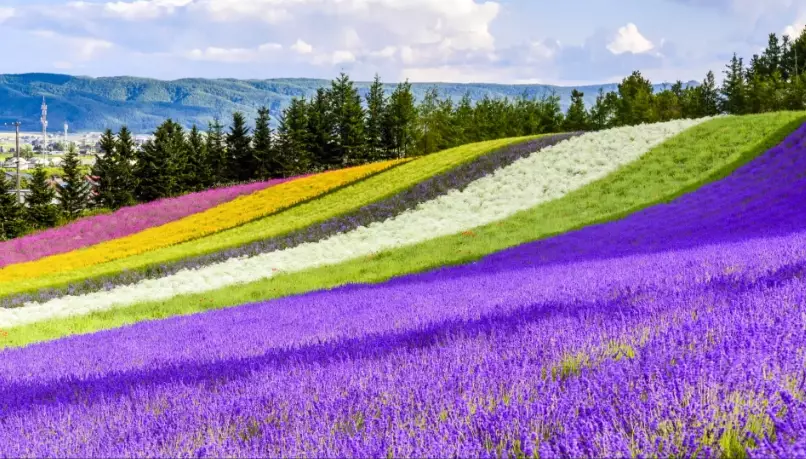
Itinerary Planning: The Rhythm of the Day
Forget the packed, go-go-go schedule. Adopt a split-day model.
- Early Morning (6 AM - 10 AM): Your golden hours. Do your major outdoor sightseeing. Temples, gardens, and famous streets are quieter, cooler, and the light is beautiful for photos.
- Midday (11 AM - 3 PM): Retreat. This is time for long, leisurely lunches, visiting air-conditioned museums (like the National Museums in Tokyo or Kyoto, or teamLab Planets), shopping in department stores, or relaxing at your accommodation.
- Late Afternoon & Evening (4 PM onwards): Re-emerge. Explore local neighborhoods, visit evening illuminations (many temples and gardens have special summer night openings), or head to a festival or fireworks display.
What to Wear and Pack
Fabric is everything. Leave the denim and polyester at home.
- Clothing: Linen, cotton, and moisture-wicking technical fabrics. Loose, light-colored clothing is best. A hat with a brim is essential.
- Footwear: Comfortable, breathable walking shoes with good support. You'll be on your feet a lot. Pack blister plasters just in case.
- Essentials Kit: A small towel (a tenugui is perfect), a handheld fan (uchiwa or electric), cooling wipes, sunscreen (high SPF, Japanese brands like Biore or Anessa are excellent), and a refillable water bottle.
Getting Around
The train system is a marvel, but subway stations can be labyrinths with long walks. Factor in extra time and more breaks. Consider the Japan Rail Pass if doing long-distance travel, but calculate if individual Shinkansen tickets might be cheaper for your specific route. For navigating festivals, use apps like Japan Travel by NAVITIME for real-time congestion info.
What NOT to Do in Japan During Summer
Learning from my own and others' mistakes can save your trip.
Don't underestimate the sun. Sunburn on top of heat fatigue is miserable. Reapply sunscreen often, especially after sweating.
Don't ignore your body. Signs of heatstroke include headache, dizziness, nausea, and cessation of sweating. If you feel unwell, stop immediately. Go into the nearest convenience store (Lawson, FamilyMart, 7-Eleven), which are gloriously air-conditioned, sit down, and drink something with electrolytes.
Don't plan intense physical activities (like hiking in low-elevation areas) in the middle of the day. Save those for Hokkaido or the Japanese Alps.
Frequently Asked Questions (FAQs)
Final Thoughts: Embracing the Season
Visiting Japan during summer asks more of you as a traveler. It demands preparation, flexibility, and a willingness to adapt your pace. You will sweat. You will seek refuge in 7-Eleven's air conditioning more than once. You might get caught in a sudden downpour.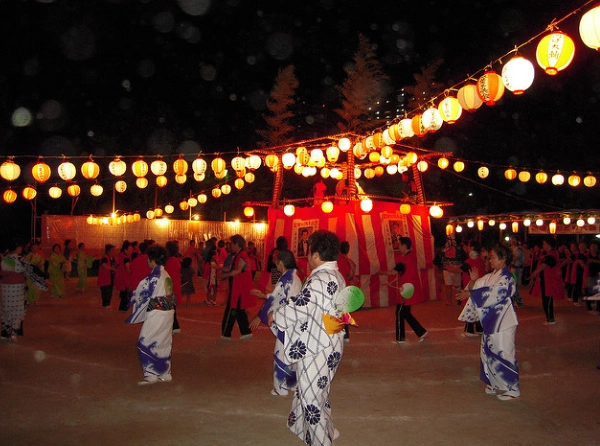
But in return, you get to see Japan in its most vibrant, communal, and celebratory state. You'll taste foods specific to the season, see traditions that have pulsed for centuries, and experience a unique camaraderie with both locals and fellow travelers all sharing in the same, slightly sweaty, utterly wonderful adventure.
It's not the easy season for a trip to Japan. But for many, myself included, it ends up being the most memorable. Just pack your patience, your sunscreen, and an open mind. The summer awaits.


Comments