Quick Guide
You know, it's one of those questions that pops up when you look at a map of that part of the world. You see that chunk of land sitting in the strait, and it just looks... closer. The short, no-nonsense answer to "Is Tsushima closer to Korea or Japan?" is yes, it is measurably and significantly closer to the Korean Peninsula. But if we just stopped there, we'd be missing all the fascinating details that make this question worth asking in the first place. The distance isn't just a number—it's shaped history, culture, and even how you'd travel there today.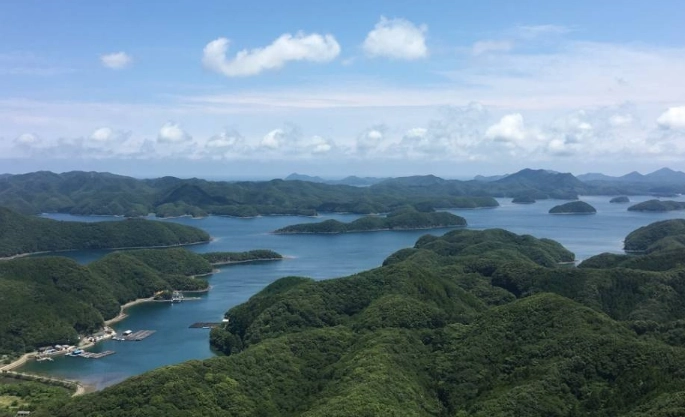
I remember first noticing Tsushima on a map years ago and being genuinely puzzled. It felt like a geographical riddle. It's administered by Japan, Nagasaki Prefecture to be specific, but my eyes told me it was practically hugging Korea. That curiosity is what led me down a rabbit hole of maps, ferry schedules, and historical texts. So let's break it down, not just with dry data, but with the context that actually matters.
The Core Answer: Tsushima Island is geographically closer to South Korea. The distance from its northern tip to the Korean city of Busan is roughly 50 kilometers (about 31 miles). In contrast, the distance from its southern end to the Japanese mainland (Fukuoka on Kyushu) is about 130 kilometers (about 81 miles). That's more than double the distance. So, when people search "Is Tsushima closer to Korea or Japan?", the map doesn't lie—it's Korea, and by a wide margin.
By the Numbers: The Raw Geographical Distances
Let's get specific, because "closer" can feel vague. Where you measure from and to matters a great deal. Tsushima isn't a single dot; it's an archipelago of over 100 islands (though two main ones). The main settlements and ports are on the larger islands, Kami-shima (Upper Island) and Shimo-shima (Lower Island).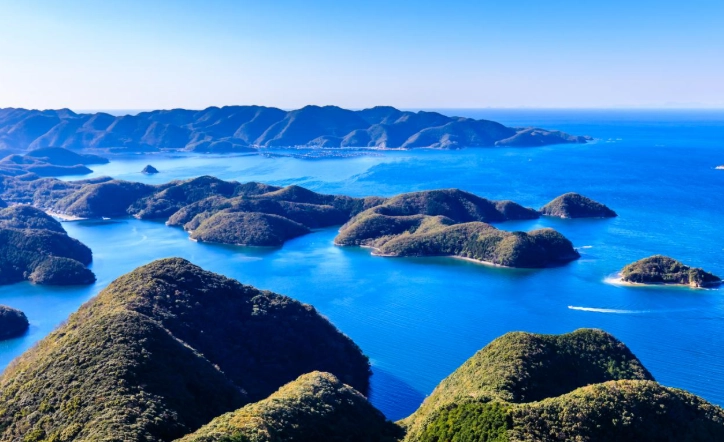
I've always found that a good table cuts through the confusion. So, here's a breakdown of the key distances that answer the question "Is Tsushima closer to Korea or Japan?" from every practical angle.
| Route (Point A to Point B) | Approximate Distance | Notes & Context |
|---|---|---|
| Northern Tsushima (Izuhara) to Busan, South Korea | ~50 km (31 miles) | The shortest sea crossing. This is the classic "closer to Korea" measurement. On a clear day, you might even get a hint of the other side. |
| Southern Tsushima (Hitakatsu) to Fukuoka, Japan (Hakata Port) | ~130 km (81 miles) | The standard ferry route to the Japanese mainland. The journey takes significantly longer. |
| Central Tsushima (Asō Bay) to Busan, South Korea | ~70 km (43 miles) | Another common ferry departure point for Korea. |
| Northern Tsushima to Tsushima, Nagasaki (mainland Japan) | ~150 km (93 miles) | To its own prefectural capital on the mainland—quite a trek! |
| Tokyo to Tsushima (for comparison) | ~1,200 km (746 miles) | Puts the island's remoteness from Japan's political center into perspective. |
Looking at those numbers, the pattern is unmistakable. The proximity to Korea isn't a slight edge; it's a defining geographical fact. This proximity has been the island's reality for millennia, influencing everything from ancient trade winds to modern-day tourism.
It's almost funny when you think about it.
The island's location made it a historical crossroads, but also a frontline. Its closeness to Korea meant it was often the first place in Japan to receive continental culture, technology, and sometimes, conflict. You can't separate the island's story from this simple geographical truth.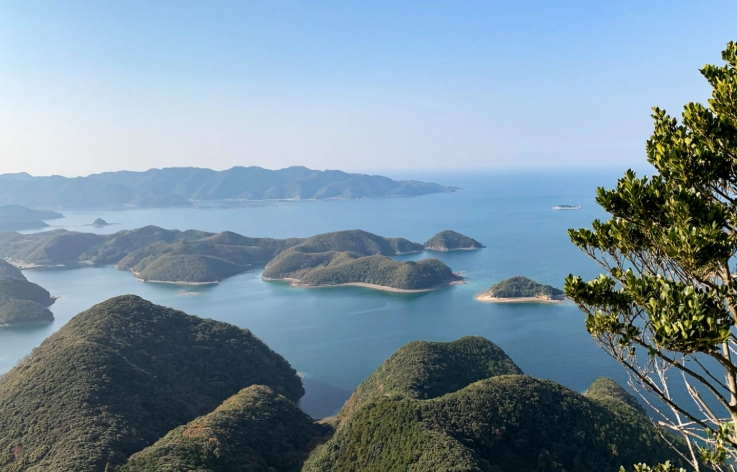
But Wait, If It's Closer to Korea, Why Is It Part of Japan?
This is where things get interesting, and where a pure distance measurement stops telling the whole story. You might be thinking, "If Tsushima is closer to Korea, why isn't it Korean territory?" It's a perfectly logical question, and the answer is a long tapestry of history, politics, and international law.
Historical Context is Key: Tsushima has been under continuous Japanese administrative control since ancient times, with clear historical records from at least the 8th century. Its strategic location made it a vital part of the Japanese archipelago's defense and trade systems for over a thousand years. Modern international borders, solidified in treaties like the 1905 Japan-Korea Annexation Treaty and later reaffirmed in the 1965 Treaty on Basic Relations between Japan and South Korea, recognize Tsushima as Japanese territory. The island's proximity to Korea was a factor in its history, but not in the modern determination of sovereignty.
The San Francisco Peace Treaty of 1951, which formally ended WWII for Japan, also confirmed Japan's sovereignty over Tsushima. South Korea, for its part, does not claim Tsushima. While there have been occasional, fleeting historical debates or nationalist sentiments from small groups, there is no official territorial dispute between the two governments over the island. This is a crucial point—the question "Is Tsushima closer to Korea or Japan?" is geographical, not political. Its political allegiance is settled law.
I find that people often mix up geographical proximity with political claims. It's like asking why Alaska is part of the US and not Canada, since parts of it are closer to Canadian soil. History and treaties create borders that don't always follow the neatest geographical lines.
The Cultural and Practical Blend
Living so close to another country leaves a mark. The culture on Tsushima is uniquely blended. You'll find Shinto shrines and Japanese castles alongside places with clear Korean architectural influences from centuries of exchange. The local cuisine features Japanese staples but also incorporates flavors and techniques that crossed the narrow strait.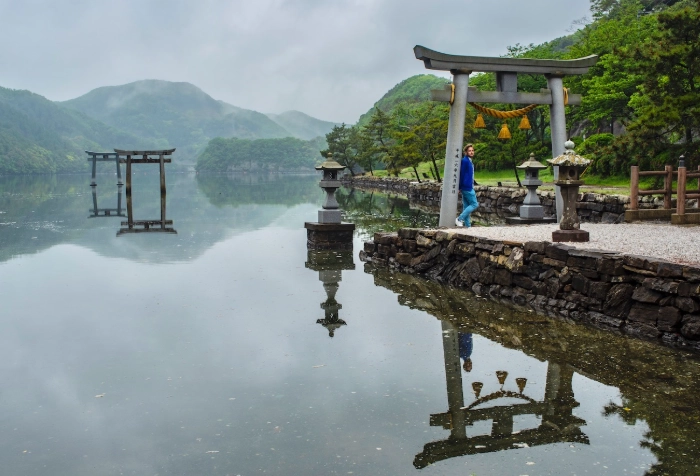
Linguistically, some older place names and local words show historical Korean influence, though modern Japanese is universally spoken. It's a place that feels like a bridge, which makes perfect sense given its location. Asking "Is Tsushima closer to Korea or Japan?" isn't just about miles; it's about understanding this cultural intersection.
What This Means for Travelers: Getting There and Around
This is where the rubber meets the road, or rather, the hull meets the water. The answer to "Is Tsushima closer to Korea or Japan?" has direct, practical implications for how you visit.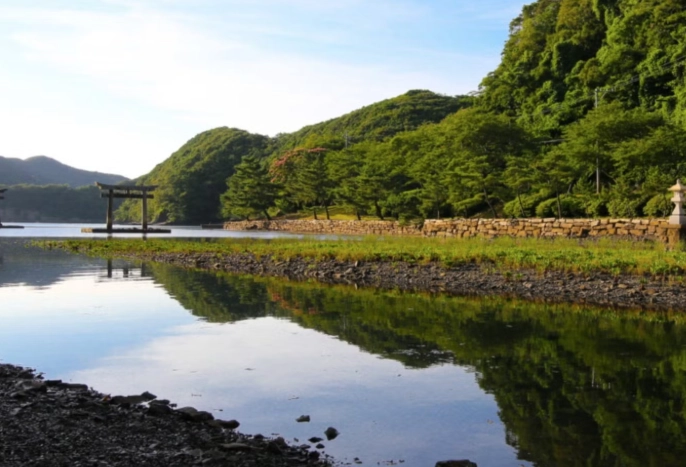
If you're planning a trip, your starting point changes everything.
Traveling from Japan: Your main option is a ferry from Hakata Port in Fukuoka. The journey takes about 2 to 3.5 hours depending on the vessel (jet foil vs. regular ferry). There are also infrequent flights from Nagasaki Airport. It's a scenic but relatively long haul from the Japanese mainland.
Traveling from South Korea: This is where the proximity shines. High-speed ferries operate from Busan to Tsushima. The travel time? A mere 1 hour to 1.5 hours. It's dramatically faster and often cheaper. For Korean tourists, Tsushima is a popular short-stay destination. This ferry route is the physical proof of the answer to "Is Tsushima closer to Korea or Japan?".
My Experience: I took the ferry from Busan. It was almost surreal. You board in the heart of a massive Korean metropolis, and in little over an hour—less time than a typical cross-city commute in many places—you're arriving in a quiet, mountainous Japanese island. The shift in atmosphere, language on signs, and currency is abrupt. It really drives home the unique position Tsushima occupies.
For the independent traveler, this opens up cool itinerary possibilities. You could realistically do a day trip from Busan to Tsushima, though I'd recommend an overnight stay to do it justice. Alternatively, you could travel from mainland Japan to Tsushima, then catch the fast ferry to Korea, making the island a stepping stone between the two countries.
Important Travel Note: Always, always check the latest ferry schedules and visa requirements. Ferry services can be reduced outside peak season (summer) or due to weather. As a Japanese island, entering Tsushima from Korea requires the same entry regulations as entering mainland Japan. Ensure your passport and visa (if required) are in order. The official website of the Japan National Tourism Organization (JNTO) and ferry operator sites like JR Kyushu Jet Ferry are essential resources.
Digging Deeper: Common Questions Answered
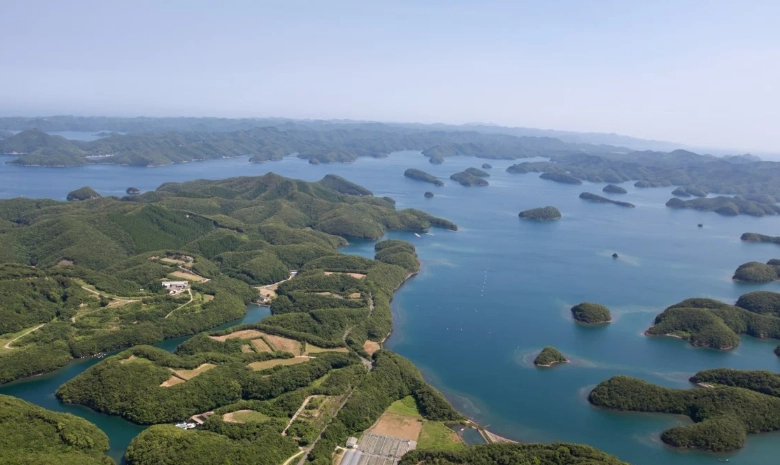
Beyond the Simple Distance: Environmental and Strategic Factors
The question "Is Tsushima closer to Korea or Japan?" also has implications beyond travel and history. It defines the island's natural environment and its modern strategic importance.
The Tsushima Current, a branch of the warm Kuroshio Current, flows north through the Tsushima Strait between the island and Korea, moderating the island's climate. This strait is a major shipping lane for vessels moving between the Sea of Japan and the East China Sea. From a military and strategic perspective, controlling Tsushima means controlling a chokepoint in this vital waterway. Its location has given it outsized importance for centuries, a theme that continues today.
Meteorologically, weather systems often reach Tsushima from the Korean peninsula first. You can sometimes get a weather forecast for Busan to have an idea of what's coming to northern Tsushima a few hours later. The Japan Meteorological Agency and the Korea Meteorological Administration both monitor this region closely, another testament to the shared environmental space.
The Final Takeaway: So, is Tsushima closer to Korea or Japan? Geographically, the answer is clear and definitive: Korea. This simple fact is the key that unlocks understanding the island's entire story—its layered history, its blended culture, its travel logistics, and its modern-day significance. It's a reminder that borders on a map are just one layer of reality. The deeper layer is the enduring influence of mountains, seas, and the raw distance between points, which in Tsushima's case, has consistently pulled it into the orbit of its nearest neighbor, while its political heart remains firmly Japanese.
Next time you see Tsushima on a map, you'll see more than just an island. You'll see a living answer to a great geographical question, a place where "closer" isn't just a measurement, but a way of life.

Comments