Quick Guide
- First Impressions: Stepping Off the Train
- The Heart of the Matter: Culture & Things to Do
- Vibe & Atmosphere: The Feeling in Your Bones
- Food Face-Off: A Feast for Every Taste
- Practicalities: Getting Around, Staying, and Paying
- The Decision Guide: Who Should Pick Which?
- The Hybrid Approach & Logistics
- Common Questions & Final Thoughts
So you're planning a trip to Japan, and you've hit the classic traveler's dilemma. Is Kyoto or Tokyo better? It's like asking if you prefer sushi or ramen – both are incredible, but they serve totally different cravings. I've spent months in both cities, gotten lost in Tokyo's endless subway lines, and sat quietly in Kyoto gardens until my legs went numb. Let me tell you, there's no single right answer, but there's definitely a right answer for you.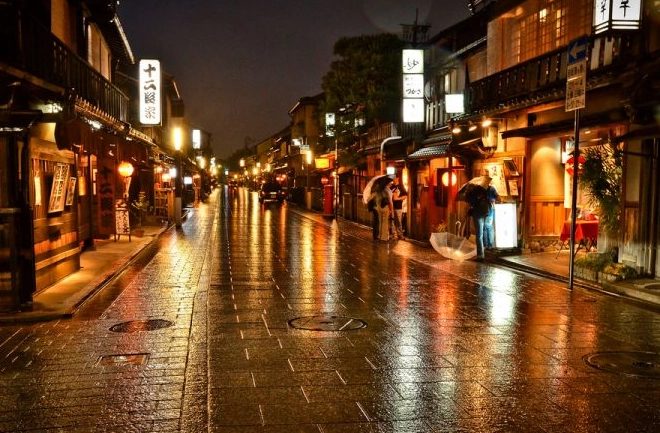
This isn't just a list of attractions. We're going to dig into the soul of each place. The feel of the streets at night, the cost of that amazing bowl of noodles, the sheer overwhelm (or peace) you'll experience. By the end, you'll know exactly which city calls your name, or maybe you'll be clever and plan time for both.
First Impressions: Stepping Off the Train
Let's start with the moment you arrive. It sets the tone for everything.
In Tokyo, you'll likely land at Narita or Haneda and then make your way to a station like Shinjuku or Tokyo Station. My first time at Shinjuku Station, I genuinely thought I'd need a survival guide. Over three million people pass through daily. The air hums with purpose, digital ads flash everywhere, and a river of people in impeccable fashion moves with shocking efficiency. It's exhilarating if you love energy, and utterly terrifying if you're jet-lagged and just want to find your hotel. You feel tiny, anonymous, and ready for anything all at once.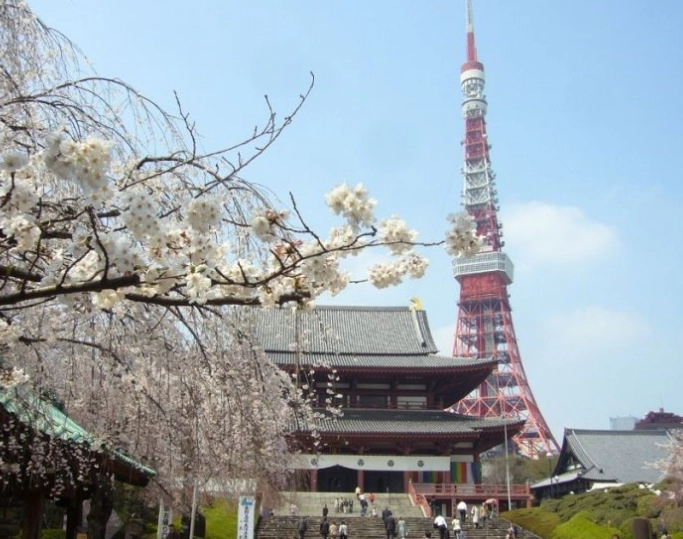
Kyoto Station is modern and grand, but step outside the main doors, and the city's pace changes. The air feels quieter, even with traffic. You might see a maiko (apprentice geisha) shuffling quickly down a side street in Gion, her wooden sandals clacking on the pavement. The first glimpse of a five-story pagoda poking above a convenience store roof is a magic trick Kyoto pulls off constantly – the ancient and modern sitting side-by-side, not fighting, but coexisting. The pressure to "keep up" melts away. You breathe deeper.
Which first impression sounds like your kind of welcome?
The Heart of the Matter: Culture & Things to Do
This is where the Kyoto vs Tokyo debate gets real. What you actually do in each city defines your trip.
Kyoto: The Living Museum
Kyoto is about depth, not breadth. You don't just "see" a temple. You enter Fushimi Inari at dawn, walking under thousands of vermilion torii gates as the morning light filters through. The higher you climb, away from the crowds, the more spiritual it feels. You visit Kinkaku-ji, the Golden Pavilion, and yes, it's stunning, but it's also a postcard view from behind a rope. The real magic is in the subtler places.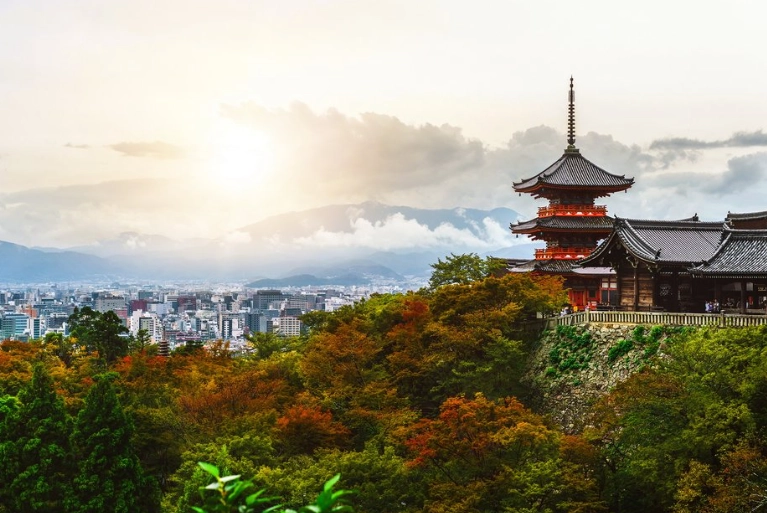
Here’s what a culture day in Kyoto looks like:
- Morning: Arashiyama Bamboo Grove. Go early. I mean 7 AM early. By 9 AM, it's a pedestrian highway. The early quiet is worth the lost sleep.
- Afternoon: Pick one district and wander. Gion for traditional architecture and the chance (just a chance!) of spotting a geisha. Higashiyama for preserved streets leading up to Kiyomizu-dera. The philosophy here is to stroll, get lost in the back alleys, peek into a tiny shop selling handmade pickles.
- Evening: Pontocho Alley. This narrow lane by the river is lined with traditional restaurants. It's atmospheric, but be warned – many places are exclusive (and expensive). A more accessible option is finding a small izakaya near your hotel.
The downside? Kyoto can feel... curated. The famous spots are often packed with tourists (domestic and international). Some temples feel more like tick-box attractions than places of contemplation. And after a few days, if you're not a temple-and-shrine fanatic, you might crave a different rhythm.
Tokyo: The Infinite Playground
Tokyo is about choice and chaos. Its culture is contemporary, pop, and subcultural. You're not observing history; you're surfing the present.
Asking is Kyoto or Tokyo better for culture? is tricky because Tokyo's culture is so different. It's in the themed cafes of Akihabara, the avant-garde fashion of Harajuku's Takeshita Street (though it's very teen-oriented now), the serene teamLab Planets digital art exhibit, and the solemnity of the Meiji Shrine nestled in a forest right next to Harajuku's chaos.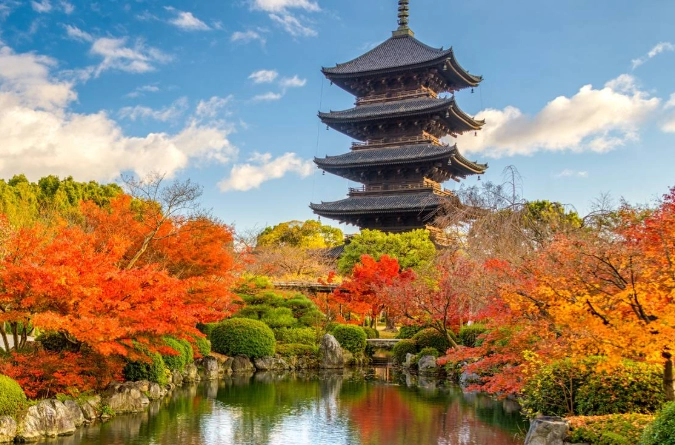
A typical Tokyo day has a totally different energy:
- Morning: Tsukiji Outer Market for the freshest sushi breakfast of your life. It's crowded, loud, and delicious.
- Afternoon: Dive into a neighborhood. Maybe Shibuya for shopping and people-watching, or Ueno for museums and park life.
- Evening: Shinjuku. Watch the neon ignite from the free Tokyo Metropolitan Government Building observatory. Then, get lost in the labyrinth of Omoide Yokocho ("Piss Alley") for yakitori and beer in tiny, smoky stalls.
Tokyo's weakness? It can be impersonal and exhausting. The sheer scale is daunting. You might spend an hour on trains just to get from one interesting area to another. It can feel like you're skimming the surface of a million things without diving deep into any one.
Vibe & Atmosphere: The Feeling in Your Bones
This might be the most important factor. Do you want to relax or be energized?
Kyoto's vibe is serene, almost scholarly. There's a formality to it. Even the nightlife is more subdued. You'll see people walking slower, talking quieter. It's a city that encourages you to look, think, and appreciate. The downside of this vibe is that it can feel a bit sedate, especially at night. Outside of the main tourist restaurant areas, things shut down relatively early.
Tokyo's vibe is electric, a constant buzz. There's an underlying rhythm of efficiency and innovation. It's fast-paced, but not in a stressful New York way; it's a smooth, organized fast. There's always something open, always a new street to turn down, a new weird vending machine to discover. The energy is contagious. But man, it can drain you. After three days of non-stop stimulation, I often found myself hiding in a quiet café just to recharge my brain.
Are you the type who gets inspired by crowds and lights, or the type who needs quiet time to process your experiences? Your answer points directly to Tokyo or Kyoto better for your sanity.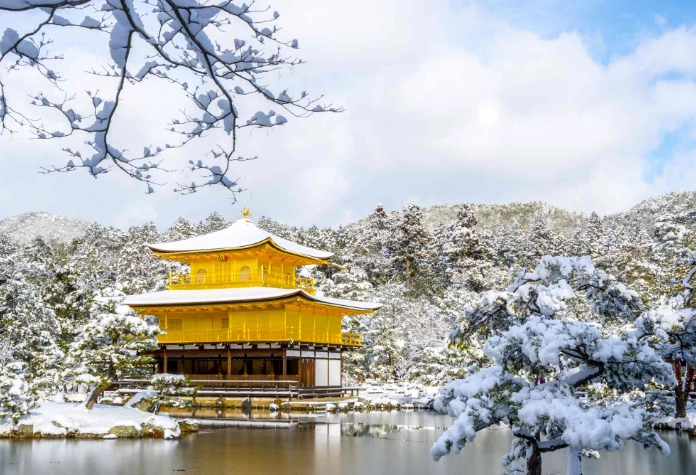
Food Face-Off: A Feast for Every Taste
Both cities are culinary heavens, but their strengths differ.
Kyoto is the home of kaiseki (multi-course haute cuisine), refined tofu dishes (try Yudofu), delicate sweets, and superb matcha. The food presentation is an art form. It's about seasonal, local ingredients prepared with centuries of tradition. You can have a meal that feels like a ceremony. But let's be honest – if you're on a budget, the daily food options can get repetitive. You'll eat a lot of udon, soba, and rice bowls. The cheap eats are less varied than in Tokyo.
Tokyo is the undisputed king of variety and accessibility. It has more Michelin stars than any other city on earth, from sublime sushi at Sukiyabashi Jiro (good luck getting in) to life-changing ramen in a back-alley shop. But its real genius is in the mid-range and cheap eats: conveyor-belt sushi, tonkatsu, curry, yakitori, depachika (department store basement food halls). You will never, ever run out of new things to try. The quality, even at a train station stand, is consistently excellent.
Practicalities: Getting Around, Staying, and Paying
Let's get down to brass tacks. How do they compare for the logistics of your trip?
Accommodation
Tokyo has more options at every price point, from capsule hotels to luxury high-rises. You can find good deals if you're willing to stay a few stops from the main hubs like Shinjuku or Shibuya. Kyoto's hotel scene is smaller and gets incredibly booked up during peak seasons (cherry blossom, autumn leaves). Prices spike, and you might be stuck far from the central sights. A ryokan (traditional inn) stay is more authentic in Kyoto, but it's a splurge.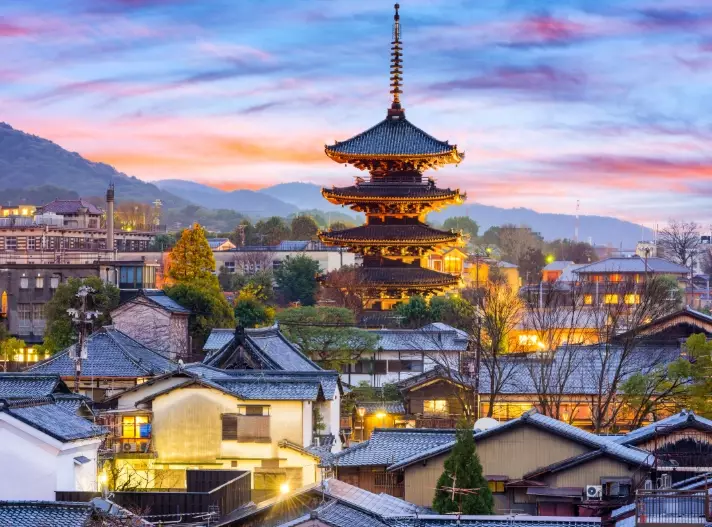
Transportation
Tokyo's subway system is vast, efficient, and initially confusing. You'll need a Suica/Pasmo card. Google Maps is your bible. While efficient, you can easily spend 60-90 minutes crossing the city.
Kyoto's bus system is the main way to reach many temples. It's simple but gets horrendously crowded during peak hours. A one-day bus pass is a good investment. The city is also more walkable and bike-friendly. Renting a bicycle is one of the best ways to see Kyoto.
Budget Breakdown
Here’s a rough comparison for a mid-range traveler per day (in USD, approximate):
| Expense | Kyoto (Mid-Range) | Tokyo (Mid-Range) |
|---|---|---|
| Accommodation | $100 - $180 | $90 - $160 |
| Food & Drink | $40 - $70 | $45 - $80 (more variety can mean more spending!) |
| Transport (Local) | $7 (Bus Pass) | $10 - $15 (Subway) |
| Attractions | $15 - $30 (Temple fees add up) | $10 - $25 (many free sights) |
| Daily Total (approx.) | $162 - $287 | $155 - $280 |
They're surprisingly close. Kyoto accommodation can be pricier during peaks, while Tokyo's food/drink budget has more temptation. For official tourism info on costs and planning, the Japan National Tourism Organization (JNTO) website is an indispensable resource for any traveler.
The Decision Guide: Who Should Pick Which?
Still wondering is Kyoto or Tokyo better for you? Let's match the city to the traveler.
Choose KYOTO if you...
- Are a first-time visitor to Japan seeking the "classic" postcard images.
- Love history, temples, gardens, and traditional arts.
- Prefer a slower pace where walking and contemplation are part of the joy.
- Have a shorter trip (2-3 days) and want a focused, immersive experience.
- Are traveling during a beautiful season (spring or autumn) for the scenery.
- Value photography and serene landscapes.
Choose TOKYO if you...
- Thrive on urban energy, neon, and a sense of constant discovery.
- Are a foodie who wants infinite variety at all budget levels.
- Love modern art, technology, pop culture, and shopping.
- Are on a longer trip and want a base with endless options.
- Travel at a fast pace and get bored easily.
- Are a repeat visitor to Japan who has seen the classic sights.
The Hybrid Approach & Logistics
Okay, you want both. Most people do. The good news is they're connected by the Tokaido Shinkansen line. The ride from Tokyo Station to Kyoto Station takes about 2 hours and 15 minutes on the fastest Nozomi train. It's not cheap (around $130 one way), but it's an experience in itself – efficient, clean, and you get to see Mt. Fuji on a clear day.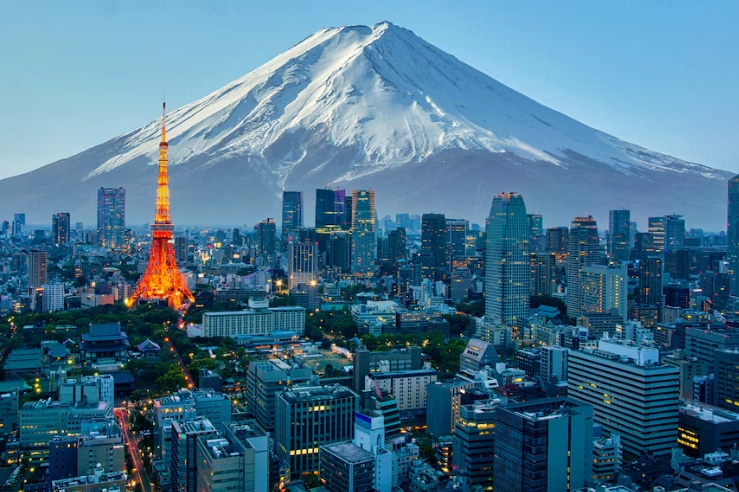
The Smart Itinerary: For a 10-day trip, I'd recommend 5-6 nights in Tokyo and 3-4 nights in Kyoto, with a day trip from Kyoto to Nara to see the friendly deer and Todai-ji Temple. Start in Tokyo to beat the jet lag with excitement, then unwind in Kyoto.
For planning your Shinkansen travel, checking schedules and station maps is crucial. The official JR East website and JR West website are the most reliable sources for train information.
Common Questions & Final Thoughts
Let's tackle some final nagging questions you might have.
So, after all this, is Kyoto or Tokyo better?
Look, Tokyo is the brain of Japan – innovative, fast, and overwhelming. Kyoto is the soul – ancient, graceful, and deep. You can't really understand modern Japan without feeling Tokyo's pulse. And you can't feel its heart without Kyoto's stillness.
My final, totally biased piece of advice? If it's your very first time, and you can only choose one, lean towards Kyoto. The iconic Japan you dream of is more concentrated there. Tokyo will always be there, ready to blow your mind on the next trip. But if your dream is of neon-lit skyscrapers, anime, and foodie paradise, then Tokyo is your undeniable answer.
Whichever you choose, you're in for an incredible experience. Just book your Kyoto hotels early!
Comments