Let's be honest. When you think of cherry blossoms in Japan, you picture a few trees by a castle or along a river. Mt. Yoshino is different. It's not a spot; it's an entire mountain covered in over 30,000 cherry trees. The first time I visited, I made the classic mistake of thinking I could "do it" in half a day. I ended up rushing, missing entire sections, and wishing I'd planned better. This guide is the one I wish I'd had—practical, detailed, and focused on helping you actually experience the place, not just tick it off a list.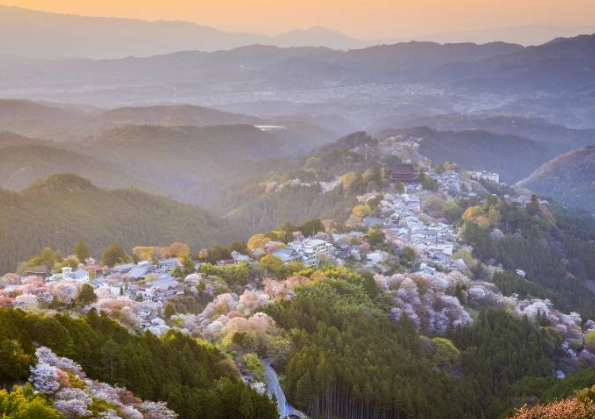
Your Mt. Yoshino Trip at a Glance
Best Cherry Blossom Spots on Mt. Yoshino (Beyond the Postcard)
The mountain is divided into four areas: Shimo-senbon (Lower), Naka-senbon (Middle), Kami-senbon (Upper), and Oku-senbon (Inner). They bloom sequentially over about two weeks, usually from early to mid-April. Everyone flocks to Naka-senbon for the iconic view of pink slopes from the Hanayagura Viewpoint. It's stunning, but it's also packed.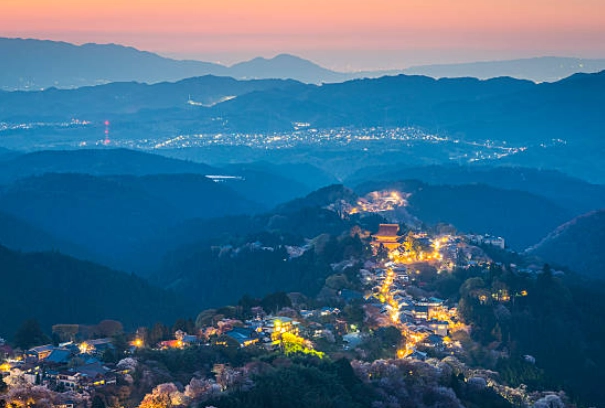
My advice? Start early or go late. The viewpoint faces east, so morning light is magical and crowds are thinner. But here's the non-consensus tip most blogs miss: the real charm is in the side paths and temple grounds.
Key Viewpoint Details:
Hanayagura Viewpoint: Free access. Accessible via a short walk from the Naka-senbon bus stop or the Yoshinoyama Ropeway. No official closing time, but lighting is minimal after sunset.
Chikurin-in Gunpoen Garden: This is a paid garden (around 400 yen) attached to a temple in Kami-senbon. It offers a completely different, curated perspective with meticulously arranged trees against a backdrop of ancient structures. It's quieter and feels more intimate.
The Overlooked Gems
While the main strip along Naka-senbon has the shops and buzz, venture five minutes down any side alley. The path behind Kinpu Shrine in Shimo-senbon is often deserted, with gnarly old trees creating tunnels of flowers. In Oku-senbon, near the Nyoirin-ji Temple, the trees feel wilder, and you might have a whole hillside to yourself. This is where you get the feeling of being inside the blossom cloud, not just looking at it.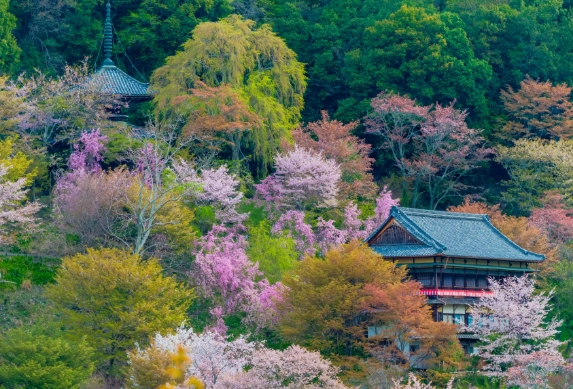
Hiking Mt. Yoshino: Trails for Every Level
Riding the bus is convenient, but walking lets you discover the mountain's rhythm. The paved road connecting the areas is a steady uphill walk. From Shimo-senbon to Kami-senbon, it's about a 2-3 hour walk one-way if you take your time and explore temples.
For a more authentic hike, seek out the old pilgrimage stone paths that crisscross the main road. One of the best starts near the Yoshino Visitor Center (check their free maps) and cuts through quiet forest between temples. The surface is uneven stone, so good shoes are non-negotiable. I learned that the hard way.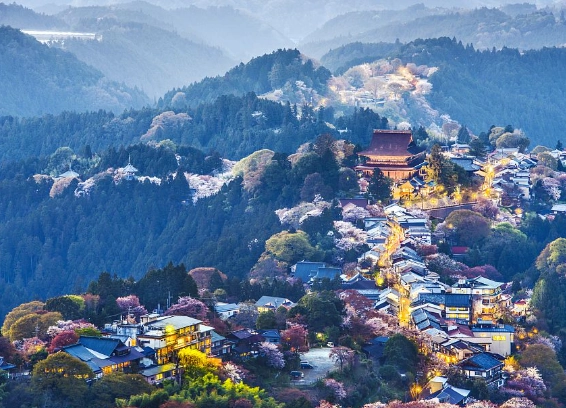
Serious hikers can connect Mt. Yoshino to other peaks in the Yoshino-Kumano National Park. The trail to Mt. Sanjo is rigorous but rewards you with panoramic views back over the blossom-covered slopes. This is a full-day commitment and requires proper preparation, not the casual stroll most visitors expect.
How to Get to Mt. Yoshino: Transportation Options
The gateway is Yoshino Station on the Kintetsu Railway. From Osaka (Namba or Abenobashi), take the Kintetsu Limited Express to Yoshino-guchi, then transfer to the local Yoshino Line. Total trip: about 90 minutes. From Kyoto, it's faster to go via Nara (Kintetsu Nara Station).
Once at Yoshino Station, you have two main options to get up the mountain:
- Ropeway: A 3-minute ride to the heart of Shimo-senbon. Costs about 450 yen one-way. It's scenic but involves a short walk from the station.
- Bus: Buses depart directly from outside Yoshino Station and go all the way to the upper areas (Oku-senbon). A day pass is invaluable if you plan to hop between areas. Cost is around 1000 yen.
During peak bloom, queues for both can be long. If you're able, consider walking up from the station via the old town path—it's a 30-40 minute climb but avoids the crowds and passes some lovely, less-visited shrines.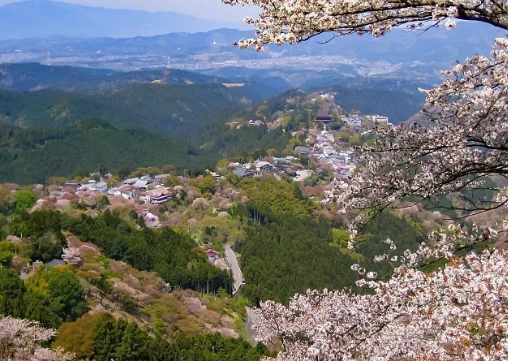
Where to Stay on Mt. Yoshino: Ryokan vs. Guesthouse
Staying overnight is a game-changer. The day-trippers leave by 4 PM, and the evening atmosphere is serene. You have two primary choices.
| Type | Best For | What to Expect | Price Range (per person) | Example & Location |
|---|---|---|---|---|
| Traditional Ryokan | Authentic experience, kaiseki meals, onsen | Multi-course dinner & breakfast, futon on tatami, impeccable service. Some have rooms with private blossom views. | 20,000 - 40,000+ JPY | Yoshino Hotel Seiko (Naka-senbon). Classic, great location, some rooms with balconies facing the valley. |
| Minshuku/Guesthouse | Budget travelers, social atmosphere | Simple Western or Japanese-style rooms, often shared bathrooms. May include home-cooked dinner or just breakfast. | 8,000 - 15,000 JPY | Lodge Yoshinoyama (Shimo-senbon). Friendly, family-run, great source of local hiking tips. |
Booking Tip: Reserve months in advance for the cherry blossom season. I called in February once and everything was gone. Many places only accept direct phone reservations or use Japanese booking sites. Using a service like Japan Travel or a knowledgeable travel agent can help navigate this.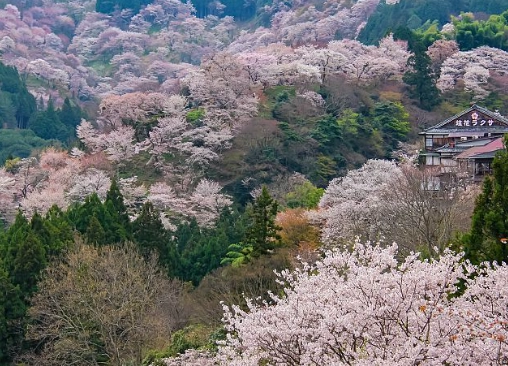
A Realistic 2-Day Mt. Yoshino Itinerary
This plan balances sightseeing with actual enjoyment, building in time for queues and spontaneous exploration.
Day 1: Arrive at Yoshino Station by late morning. Take the bus directly to Oku-senbon. Explore the quieter temples like Nyoirin-ji. Work your way back down on foot via the stone paths to Kami-senbon. Visit Chikurin-in Garden. Check into your accommodation in Naka or Shimo-senbon. As dusk falls, join the locals for yozakura (night cherry viewing). The trees are lit up around the main areas, creating an ethereal glow. Have dinner at your ryokan or try a local restaurant for Yoshino's specialty, kaki no ha zushi (persimmon leaf sushi).
Day 2: Wake up early. Before the first buses arrive, walk to the Hanayagura Viewpoint for sunrise or early morning light—you'll likely have it to yourself. Enjoy a leisurely breakfast. Spend the late morning exploring Shimo-senbon, visiting Kinpu Shrine and browsing the shops for local crafts and maple products. Have a simple lunch. Depending on your energy, take one of the side hikes or simply relax at a café before heading back to Yoshino Station for your onward journey.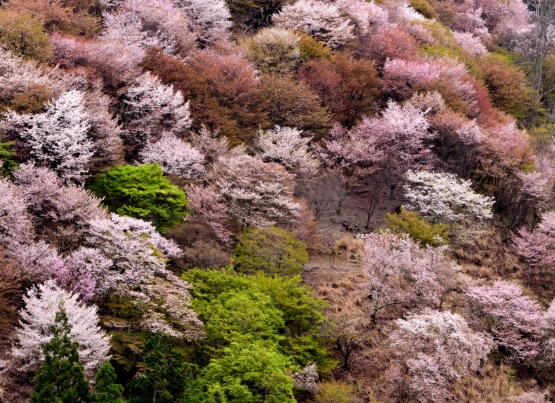
Your Mt. Yoshino Questions Answered
What's the biggest mistake first-time visitors make when planning their Mt. Yoshino trip?
Underestimating the scale and terrain. They plan for a two-hour visit, not realizing the mountain has four distinct areas spread over a significant elevation gain. They wear fashionable but impractical shoes. And they don't book accommodation, assuming they can see everything in a day trip from Osaka. This leads to a rushed, surface-level experience. Treat it like visiting a national park, not a single attraction.
The Japan cherry blossom forecast says "peak" on a certain date. Is that the best day to go to Mt. Yoshino?
Not necessarily. "Peak" usually refers to the most popular, central area (Naka-senbon). Because of the elevation change, the bloom moves up the mountain over 1-2 weeks. If you go on the forecasted "peak" day for the region, Naka-senbon will be spectacular but also at maximum crowd capacity. Shimo-senbon might be slightly past peak, and Kami/Oku-senbon might still be developing. For a better balance of blooms and slightly fewer people, consider going a day or two before the forecasted peak for the area.
I have mobility issues. Is Mt. Yoshino still accessible for cherry blossom viewing?
Yes, with careful planning. The buses are the key. You can take a bus from Yoshino Station all the way to the final stop at Oku-senbon and then work your way down. The main street in Naka-senbon is paved and relatively level for stretches. The Hanayagura Viewpoint is accessible via a paved path from the bus stop. Avoid the stone pilgrimage paths and steep side alleys. Focus on the areas around the bus stops and the viewpoints accessible from them. The Yoshino Visitor Center has good information on accessible routes.
Are there good food options beyond the tourist restaurants on the main strip?
Definitely. The tourist restaurants serve decent kaki no ha zushi, but for a more local feel, look for smaller places on the side streets or in Shimo-senbon. Some family-run soba (buckwheat noodle) shops are excellent. Also, many ryokans and minshuku offer dinner to non-guests if you reserve in advance—this is often the best meal you'll have on the mountain. For a quick, delicious bite, try the sakura mochi from a vendor; Yoshino's version, wrapped in a pickled cherry leaf, is distinct and less cloyingly sweet than the standard kind.
What should I do if it rains during my visit?
Don't despair. Rainy-day sakura has its own melancholy beauty, and it scatters the crowds. Put on a good raincoat and waterproof shoes. The colors of the wet bark and moss against the pale pink blossoms are incredibly photogenic. Focus on temple interiors—places like Yoshimizu Shrine (a UNESCO site) have fascinating historical exhibits. Spend more time in the covered shopping arcade areas, or cozy up in a café. The mist rolling over the mountain can be just as memorable as a sunny view.
Mt. Yoshino isn't just a checklist item. It's a place that asks you to slow down, to walk, to look beyond the obvious viewpoint. It can be crowded, the logistics require thought, and the weather is fickle. But when you find that quiet path, or see the morning light hit a slope of thousand-year-old trees, you get it. You understand why poets and pilgrims have been drawn here for centuries. Plan well, pack good shoes, and let the mountain reveal itself to you.


Comments