Explore This Journey
- Nature That Will Actually Take Your Breath Away (Not Just Say It Does)
- Culture and History That's More Than Just Temples
- The Food Scene: It's Not Just About Tokyo Sushi
- Practicalities: How to Tackle Tochigi and When to Go
- Common Questions About Visiting Tochigi
- The Final Verdict: So, Is Tochigi Worth Visiting?
So you're planning a trip to Japan, and Tokyo, Kyoto, and Osaka are on the list. Maybe you've heard whispers about Nikko, that famous UNESCO site up north. But then you see the whole area is called Tochigi Prefecture, and the question pops into your head: is Tochigi worth visiting beyond just a day trip to Nikko?
I had the same thought. I figured Nikko was the main event, and the rest was just... countryside. Let me tell you, I was completely wrong. After spending a good chunk of time there, driving around, getting lost on backroads, and eating way too many gyoza, my perspective flipped. This isn't just a Nikko review. We're going to talk about the whole package.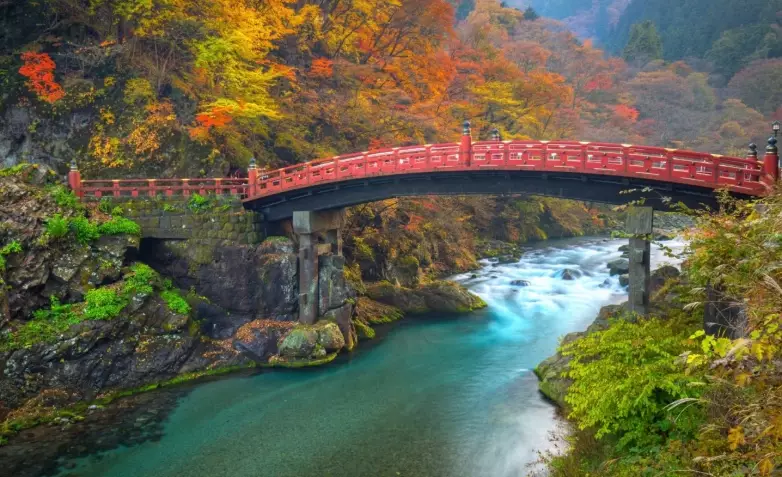
The short answer? Absolutely, Tochigi is worth visiting, but maybe not for everyone. If you're a city-only person who needs skyscrapers and non-stop action, you might get antsy. But if you crave nature, history that feels tangible, hot springs that aren't overrun, and food that's proudly local, then you've hit the jackpot. The real question isn't "is Tochigi worth visiting?" but "how much of Tochigi can I fit into my trip?"
Nature That Will Actually Take Your Breath Away (Not Just Say It Does)
Forget the manicured gardens for a second. Tochigi's nature is raw, powerful, and on a different scale. It's the backbone of the entire experience.
Nikko National Park: The Crown Jewel (And Rightly So)
Yes, it's famous, but for a reason. Toshogu Shrine is breathtakingly ornate, a riot of gold and carvings dedicated to Tokugawa Ieyasu. But the park stretches far beyond the shrine complex.
Walking across the vast, marshy expanse of Senjogahara Marshland, with the sound of the wind and birds, felt a world away from the crowded shrine approach. It's a landscape that changes dramatically with the seasons—vibrant green in summer, fiery red in autumn, and a silent white in winter.
Kegon Falls, nearly 100 meters tall, is a permanent roar of water plunging into a deep basin. You can take an elevator down to the base and feel the spray on your face. It's a classic stop, but it never feels old. Then there's Lake Chuzenji, a serene alpine lake formed by a volcanic eruption. You can drive around it, hike nearby trails, or just sit by the shore. The area around the lake is quieter than the main temple area, offering a more relaxed pace.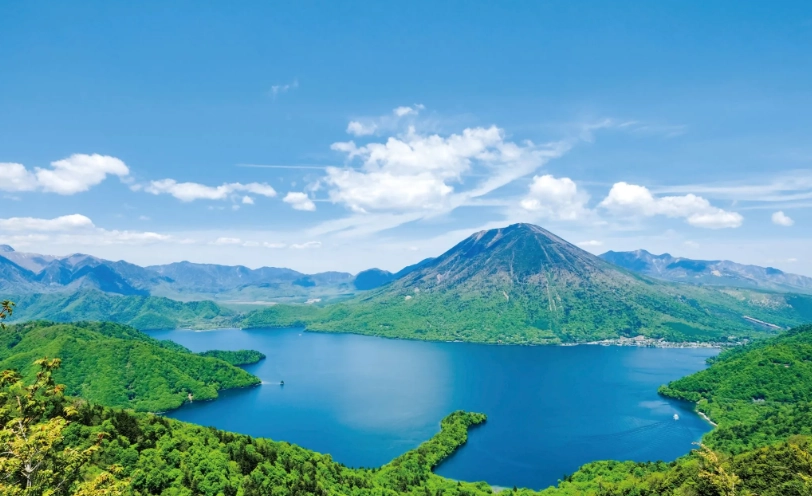
The Hidden Gems Beyond the Guidebook
This is where answering "is Tochigi worth visiting" gets really fun. If you have a car, or even just the patience for local buses, you unlock a different Tochigi.
- Nasu Highlands: This is a volcanic plateau that feels like a Japanese version of the Alps. It's a huge resort area for locals, with hiking trails, onsens, and even a royal villa. The views from places like Mt. Nasu-dake are panoramic. It's less about ancient temples and more about fresh air, dairy farms (try the ice cream!), and outdoor activity.
- Oze National Park (shared with neighboring prefectures): A bit more of a trek, but for serious hikers and nature lovers, it's a pilgrimage. The Ozegahara Marshland is one of the largest highland marshes in Japan, famous for its skunk cabbages in spring and golden grasses in autumn. It's remote and requires proper planning, but the sense of wilderness is unmatched.
- Ashikaga Flower Park: Okay, not exactly "wild" nature, but if you're there between April and May, the Great Wisteria trellis is a scene from a fantasy novel. Hundreds of purple, white, and pink wisteria blossoms hanging like curtains. It's stunning, but again, check the calendar—it's no secret.
So, is Tochigi worth visiting for nature? Without a doubt. It offers a perfect mix of world-class, famous sights and accessible, quieter natural escapes.
Culture and History That's More Than Just Temples
Tochigi's history is layered. It was an important post-town on the Nikko Kaido road during the Edo period, and you can still feel that atmosphere in places.
Nikko's Spiritual Grandeur
We touched on Toshogu, but it's worth diving deeper. The craftsmanship is insane. Every surface is decorated—the sleeping cat (nemuri-neko), the three wise monkeys, the intricate carvings of flowers and animals. It's a stark contrast to the typically minimalist aesthetic of many Japanese shrines. Rinno-ji Temple and Futarasan Shrine nearby offer a more solemn, traditional counterpoint. Getting the Nikko Pass from Tobu Railway is a smart move for getting around these sites efficiently.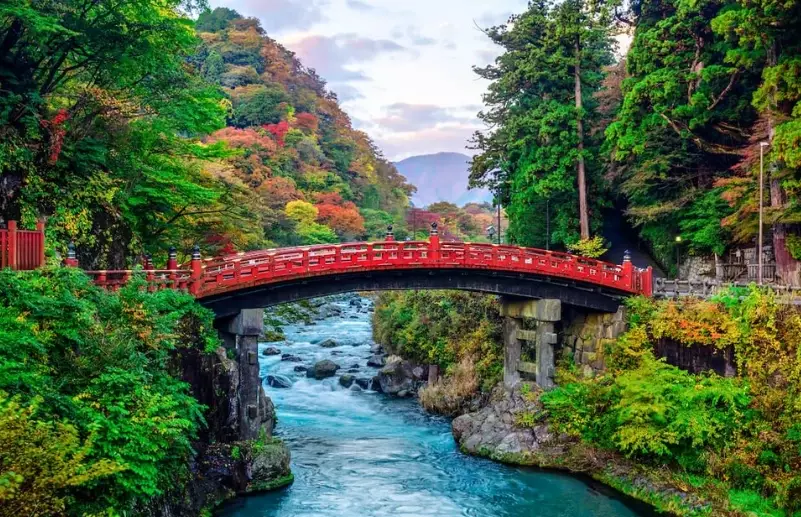
Edo-Period Time Capsules
Head south from Nikko, and you hit places that feel frozen in time.
- Tochigi City (the old town): Don't confuse it with Utsunomiya (the capital). Tochigi City has a beautifully preserved canal district called Kurumaya Kaido. Old merchant houses (kura) line the streets, many converted into cafes, shops, and museums. It's peaceful, photogenic, and you can easily spend half a day wandering without the tourist crowds.
- Sano: Known for its temple, Sano Yakuyoke Daishi, and its outlet malls (a weird but practical combo). The temple is large and has a unique, lively atmosphere.
- Ashikaga: Beyond the flower park, Ashikaga has a rich history as the seat of the Ashikaga shogunate. Bannaji Temple is a National Treasure, a former samurai residence converted into a temple. It's austere and powerful, a different vibe from Nikko's opulence.
My Personal Culture Highlight: The Lack of Rush
What struck me most wasn't any single temple, but the pace. In these smaller towns, you can actually engage. I spent 20 minutes chatting (with gestures and basic Japanese) with a shopkeeper in Tochigi City about the history of his building. In Kyoto, that's almost impossible. The cultural experience here feels more personal and less transactional.
The Food Scene: It's Not Just About Tokyo Sushi
This alone can make someone ask, "is Tochigi worth visiting?" The answer is a resounding yes if you're a foodie.
Utsunomiya: The Gyoza Kingdom
Utsunomiya is famous for gyoza (pan-fried dumplings), and they take it very seriously. We're talking dozens of dedicated gyoza shops, each with their own secret recipe for the filling, wrapper thickness, and frying technique. You're supposed to go on a "gyoza crawl." I tried three places in one night. The classic style is juicy pork and vegetable, served crispy-side-up with a thin, vinegar-soy-chili oil dip. It's a must-do, even if you're just passing through the station.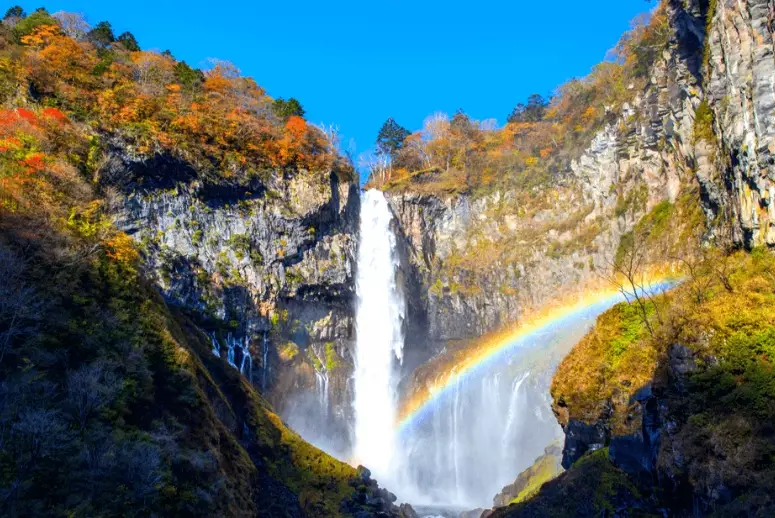
Local Specialties You Need to Try
| Food | What It Is | Best Place to Try |
|---|---|---|
| Tochigi Wagyu Beef | High-quality marbled beef from local cattle. Rich, tender, and often cheaper than famous brands like Kobe. | Yakiniku (BBQ) restaurants in Utsunomiya or Nasu. |
| Shimotsukare | A local peasant dish. Sounds weird: soybeans, daikon radish, carrots, and sake lees cooked into a savory, slightly sweet stew. It's an acquired taste but deeply traditional. | Local izakayas or during festivals. |
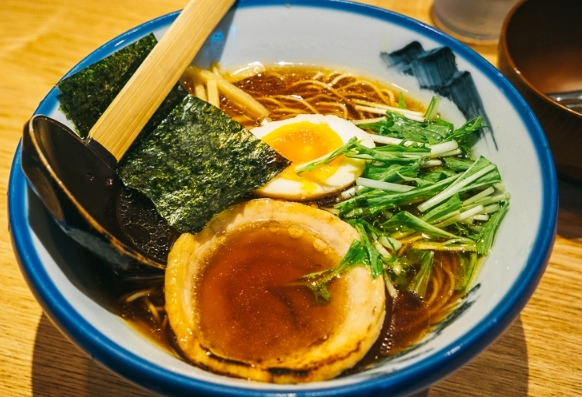
| Sano Ramen | A soy-sauce based ramen with a light, clear broth and thin, straight noodles. Refreshing and not too heavy. | Ramen shops in Sano city. |
| Tochigi Fruits (Strawberries, Grapes) | The prefecture is a huge fruit producer. Winter/spring strawberry picking is a popular activity. They're sweet, juicy, and often all-you-can-eat. | Fruit farms around Nasushiobara or Otawara. |
| Nikko Yuba | The skin that forms on simmering soy milk. A specialty of Nikko's Buddhist cuisine, served in various forms—raw, dried, in soups. Delicate and high in protein. | Shukubo (temple lodgings) or tofu restaurants in Nikko. |
The beauty of Tochigi's food is its heartiness. It's food for people who work the land or traveled long distances. It's satisfying and tells a story of the region.
Practicalities: How to Tackle Tochigi and When to Go
Alright, so you're leaning towards yes, Tochigi is worth visiting. How do you actually do it?
Getting There and Around
From Tokyo, it's straightforward.
To Nikko: The Tobu Railway from Asakusa or the JR lines from Shinjuku/Ueno are your main options. The limited express trains (Tobu's "SPACIA" or JR's "Nikko") take about 2 hours. The Tobu Nikko Pass is excellent value if you're doing a Nikko-focused trip from Tokyo.
To Utsunomiya: The Tohoku Shinkansen (bullet train) from Tokyo Station or Ueno gets you there in under 50 minutes. It's a perfect base if you want to explore wider Tochigi.
Around Tochigi: This is the tricky part. Nikko's main sights are connected by bus (the World Heritage Bus loop). For anywhere else—Tochigi City, Nasu, Ashikaga—public buses exist but are infrequent. Renting a car is by far the best way to explore the prefecture deeply. The roads are good, traffic is light outside cities, and you have ultimate freedom. If you can't drive, plan your itinerary carefully around train lines (JR Utsunomiya Line, Ryomo Line) and accept that some places will be day-trips from a central base.
The Best Time to Visit Tochigi
Every season paints the prefecture a different color.
- Autumn (Late Oct - Early Nov): The peak season for a reason. Nikko's foliage is legendary. The mountains are on fire with reds, oranges, and yellows. It's also the most crowded and expensive time.
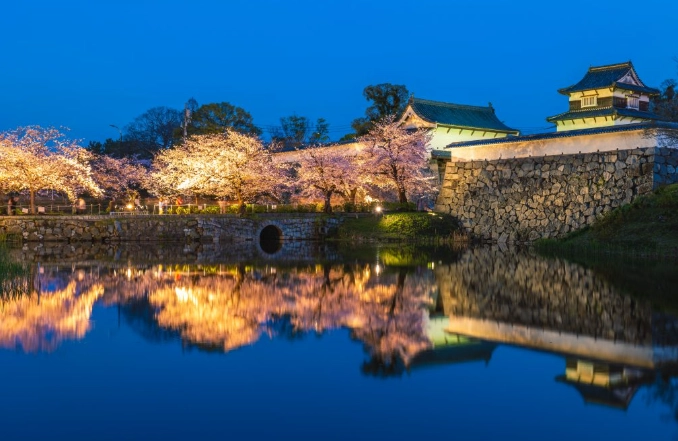
- Spring (April - May): Cherry blossoms in early April (great in places like Utsunomiya's Futaarayama Jinja), followed by wisteria and fresh greenery. Pleasant weather.
- Summer (June - Aug): Lush and green, but also hot and humid. Nasu Highlands is a popular escape from the heat. A good time for hiking in higher elevations.
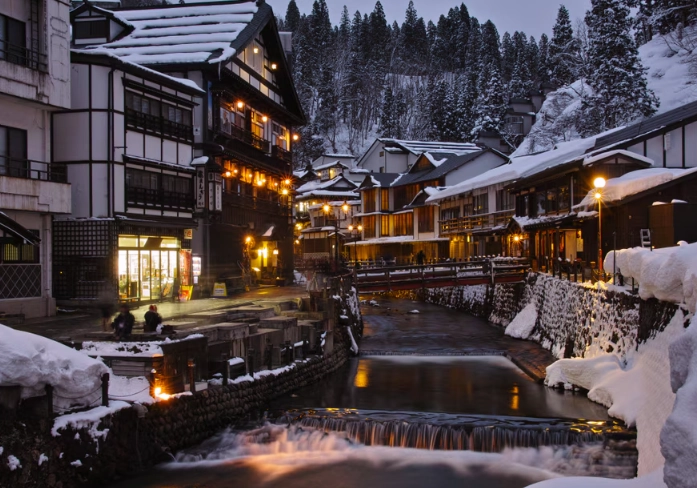
- Winter (Dec - Feb): Cold and snowy, especially in Nikko and Nasu. Nikko's snow-covered temples are magical and much quieter. Skiing is available in Nasu. Many outdoor attractions may have limited access.
My personal favorite? Late October for the colors, or early June for the green without the extreme humidity.
Common Questions About Visiting Tochigi
Is Tochigi worth visiting for just a day trip from Tokyo?
For Nikko alone, a day trip is possible but rushed. You'll see Toshogu, maybe Kegon Falls, and have to head back. You'll miss the atmosphere. If a day is all you have, yes, it's still worth it to see the shrine. But for the full experience—the marshlands, Lake Chuzenji, a relaxed soak in an onsen—an overnight stay is highly recommended.
Is Tochigi worth visiting if I don't like hiking?
Absolutely. While there's great hiking, you don't need to be a hiker to enjoy it. Scenic drives, cable cars (like in Nasu), easy walks around lakes and marshland boardwalks, temple-hopping, and food tours are all fantastic non-hiking activities.
How many days should I spend in Tochigi?
For a decent taste: 2 days for Nikko and Lake Chuzenji area. Add 1-2 more days if you want to use Utsunomiya as a base to explore Tochigi City, Ashikaga, or Sano. A full week would let you relax in Nasu and really get off the beaten path.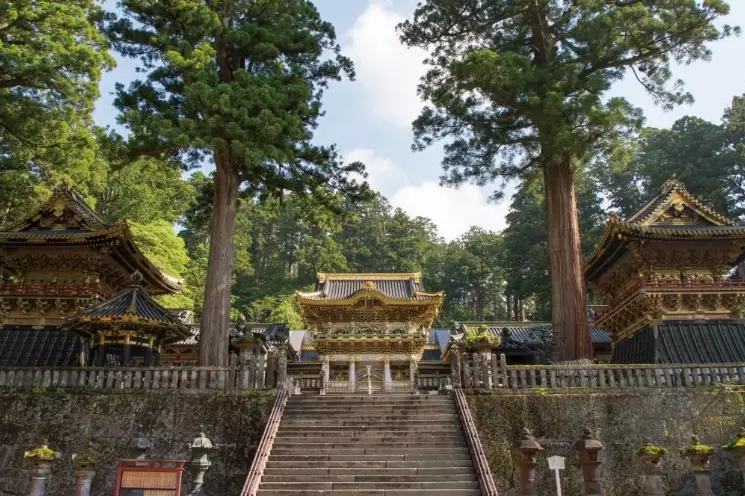
Is it expensive?
Compared to Tokyo, accommodation and food can be slightly cheaper, especially outside Nikko. The main expense is transport. Shinkansen tickets add up, and renting a car has its own costs. However, you get great value—the nature and history here are world-class without the world-class price tag of some other destinations.
Is Tochigi family-friendly?
Very. Nasu Highlands has farms, zoos, and gentle hikes. Nikko has the exciting shrines and big waterfalls that kids love. Fruit picking is a hit. The pace is relaxed, which is easier on families than navigating huge cities.
The Final Verdict: So, Is Tochigi Worth Visiting?
Let's wrap this up.
If your ideal Japan trip is 100% urban energy, neon lights, and mega-cities, then Tochigi might feel like a detour. But for probably 80% of travelers, especially those on a second or third trip to Japan, Tochigi is absolutely worth visiting.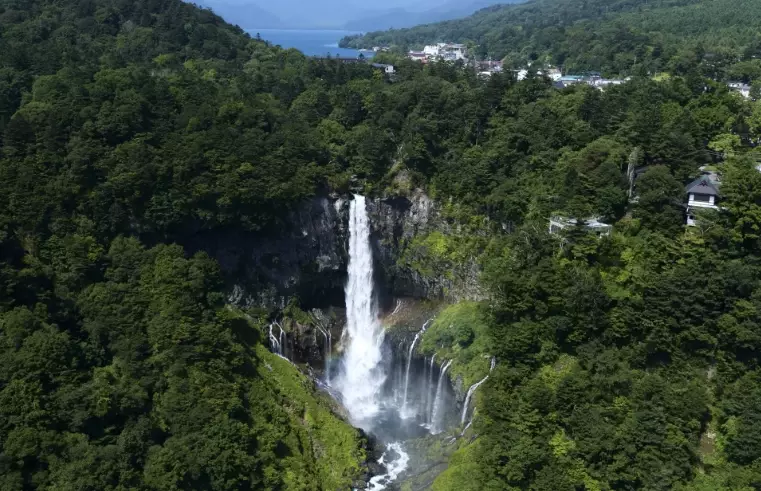
It delivers a perfect, concentrated dose of what many people come to Japan for: profound history and spirituality (Nikko), stunning and accessible natural beauty, exceptional local cuisine, and a chance to experience a slower, more traditional side of the country without having to go to the remote ends of the earth.
The clincher for me was the balance. You get the "must-see" UNESCO site, but you also get the undiscovered backstreets of a merchant town. You get the famous gyoza, but also the weird and wonderful local stew. It satisfies the checklist traveler and the curious wanderer.
My advice? Don't just ask "is Tochigi worth visiting?" Ask yourself if you're ready for a place that's a little quieter, a little greener, and packed with genuine discoveries. If the answer is yes, then book that train ticket, consider renting a car, and get ready to explore one of Japan's most rewarding regions. Start your planning with the official Tochigi Prefecture Tourism Website for the latest info on sights and events.
You won't regret it.
Comments