Quick Guide
Let's be honest, when most people think of visiting Kyushu, Fukuoka or Nagasaki probably spring to mind first. Oita City? It's often that quiet, slightly mysterious neighbor you've heard good things about but haven't quite gotten around to visiting.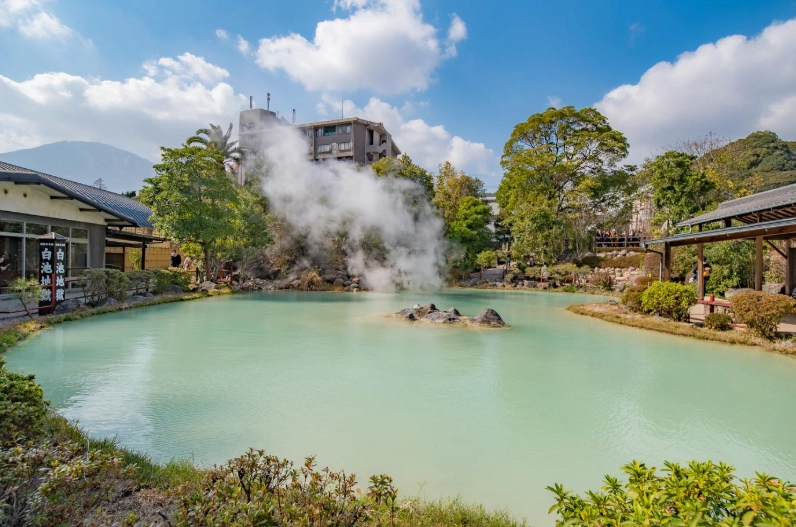
Well, after spending more time there than I initially planned (blame the relaxing onsens), I think that's a huge mistake. Figuring out what to do in Oita City became a delightful puzzle, and the answer was way more varied than just "sit in hot water." Although, let's be real, that's a fantastic place to start.
This isn't just a list of tourist spots. It's the guide I wish I had before I went – a mix of must-sees, local secrets, practical tips, and a few honest opinions on what's worth your time. Whether you're a solo traveler, a couple, or a family, there's something here for you. We'll cover everything from the legendary Beppu hot springs just next door (because let's face it, they're part of the Oita experience) to the unique food you can only find here, ancient temples, and surprisingly vibrant city life.
So, if you're searching for what to do in Oita City, you've come to the right place. Let's dive in.
The Heart of the Visit: Oita's Legendary Hot Springs (Onsen)
You simply cannot talk about what to do in Oita without dedicating a huge section to onsens. Oita Prefecture is Japan's undisputed hot spring king, boasting the highest volume of hot spring water in the entire country. The city itself and its famous neighbor, Beppu, are built on this steamy foundation.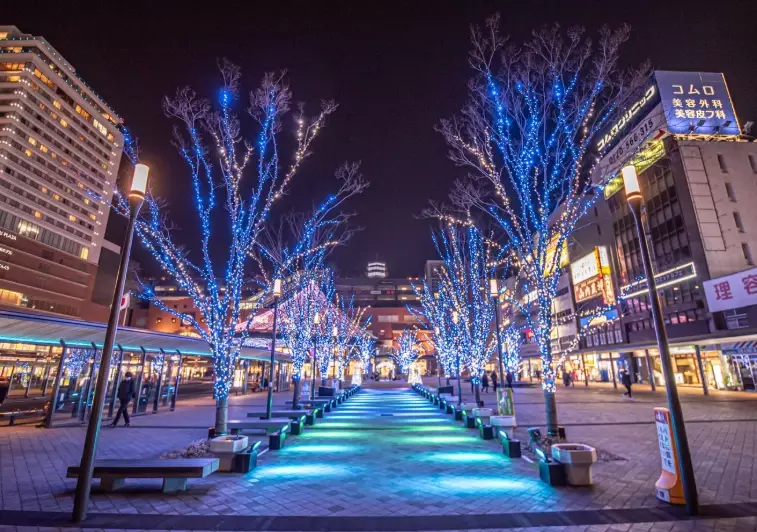
But here's the thing – it's not a one-size-fits-all experience. The variety is staggering.
Beppu's "Eight Hells" (Jigoku)
These are the poster children for Oita's geothermal activity. They're not for bathing – they're dramatic, multi-colored geothermal pools for viewing. Think vibrant cobalt blue, milky white, and bubbling red mud ponds. It's otherworldly.
My take? The Umi Jigoku (Sea Hell) with its stunning blue pond and a surprisingly lovely tropical garden is absolutely worth it. The Oniishibozu Jigoku (Monk's Head Hell) with its bubbling grey mud pools is uniquely creepy-cool. But you don't need to see all eight. Pick three or four that interest you most. After a while, they can start to feel similar, and the entry fees add up. I'd skip the more commercialized ones with too many gift shops blocking the view.
Actual Bathing Onsens: From Public to Luxury
This is where you truly experience what to do in Oita City for relaxation. The options range from humble, local public baths (sento that use natural hot spring water) to extravagant resort experiences.
- Takegawara Onsen (Beppu): This is the historic, iconic bathhouse. Stepping into the main hall, with its sand baths and massive wooden architecture, feels like a trip back in time. For a small fee, you can try the sunayu (sand bath), where you're buried in naturally heated sand. It's intensely relaxing, though claustrophobic for some.
- Myoban Onsen (Beppu): This area is famous for its traditional yunohana huts, where they make bath salts from the steam. The landscape here, with little wooden huts steaming away in the mountains, is incredibly picturesque. The public bath here is small and rustic – a very local experience.
- Hotel Onsens: Many hotels have fantastic baths. Even if you're not staying overnight, plenty offer hikigaeri (day-trip bathing) tickets. This is a great way to access a high-quality, clean onsen without the hotel stay price tag.
How do you choose? I made a little comparison table based on my own trials and errors.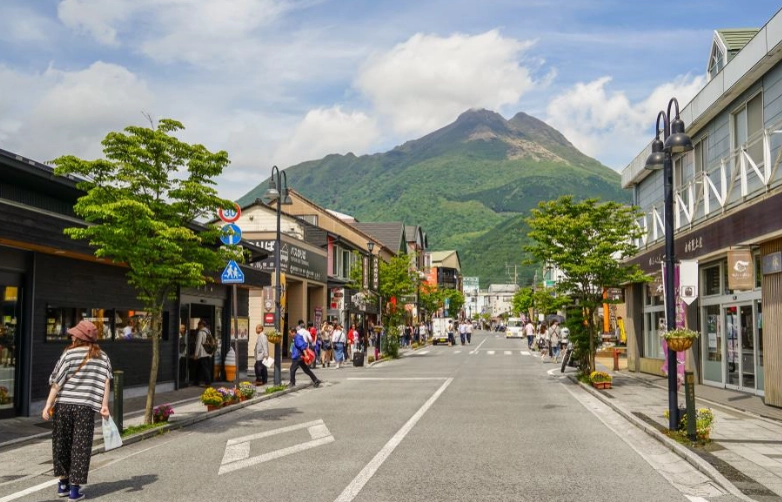
| Onsen Name / Area | Type of Experience | Best For | My Honest Impression |
|---|---|---|---|
| Takegawara Onsen (Main Bath) | Historic Public Bath | Culture seekers, first-timers wanting a classic feel | The building is amazing. The baths are simple and can get crowded. Worth it for the history. |
| Takegawara Sand Bath | Unique Sand Burial | Those wanting a unique, deeply relaxing experience | Surprisingly heavy! Very warm. Felt fantastic afterwards, but not for those who hate being constrained. |
| Myoban Public Bath | Rustic, Local Bath | Travelers off the beaten path, photographers (for the huts) | Very basic and small. The charm is in the surrounding village, not the bathhouse itself. |
| Hotel Kai Beppu | Luxury Day-Pass Bath | Spoiling yourself, couples, beautiful views | More expensive, but pristine, multiple baths, and often stunning designs. A treat. |
Remember the etiquette: wash thoroughly before entering the bath, no towels in the water, tie long hair up, and be quiet. It's a ritual, and getting it right is part of the fun.
A Food Lover's Paradise: What to Eat in Oita City
Okay, you're clean, relaxed, and now probably hungry. Figuring out what to do in Oita City for food is a joy. The cuisine here is robust, flavorful, and heavily influenced by the land and sea.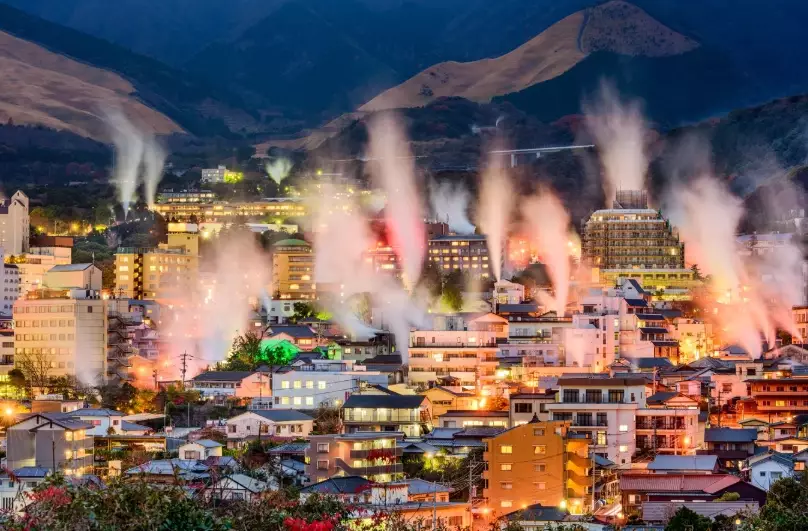
The Must-Try: Jigoku Mushi (Hell Steam Cooking)
This is Oita's signature culinary trick. They use the natural steam from the hot springs to cook food. You'll often find jigoku mushi spots near the hot springs, especially in Beppu. You get a basket of fresh vegetables, seafood, and sometimes chicken, place it over a steam vent, and wait.
The result? Incredibly moist, flavorful food that retains all its nutrients. It's healthy, fun, and delicious. The steam is just hot air, so it doesn't impart any sulfur taste.
Other Local Delicacies
- Toriten: Oita's version of tempura, but specifically chicken tempura. It's lighter and crispier than you might expect, often served with a tangy sauce or salt. A perfect bar snack or lunch.
- Kabosu: This is a local citrus fruit, like a less sour yuzu. It's squeezed over sashimi, grilled fish, and even drinks. The flavor is fresh and bright. You'll see it everywhere.
- Bungo Beef: While not as famous as Kobe or Matsusaka, Bungo beef is a high-quality wagyu from Oita Prefecture. It's marbled, tender, and often more affordable than its famous cousins. A steak or sukiyaki with Bungo beef is a fantastic splurge.
- Fresh Seafood: Being on the coast, the sashimi and sushi are excellent. Head to the Oita City Fisherman's Wharf (Umitamago) area for some great options.
Let me put it this way: I planned to diet on this trip. The diet did not happen. The question of what to do in Oita City for food is easily answered: eat everything.
Culture, History, and City Sights
Once you've soaked and eaten, there's a rich layer of culture waiting. Oita City has a long history as a castle town and a hub for early contact with Western cultures.
Oita City Center Highlights
Oita Funai Castle Ruins (Oita Park): The castle itself is mostly ruins and a reconstructed turret, but Oita Park, which surrounds it, is lovely. It's a great spot for cherry blossoms in spring or autumn colors. The view from the top over the city is pleasant, if not breathtaking. It's more of a nice walk than a major historical deep dive.
Usuki Stone Buddhas: This is a bit of a drive from central Oita City (about 40 minutes), but it's worth mentioning because it's unique. Dozens of stone Buddhas carved into cliff faces between the 12th and 14th centuries. The setting is serene, and some of the carvings are remarkably well-preserved. It feels ancient and peaceful.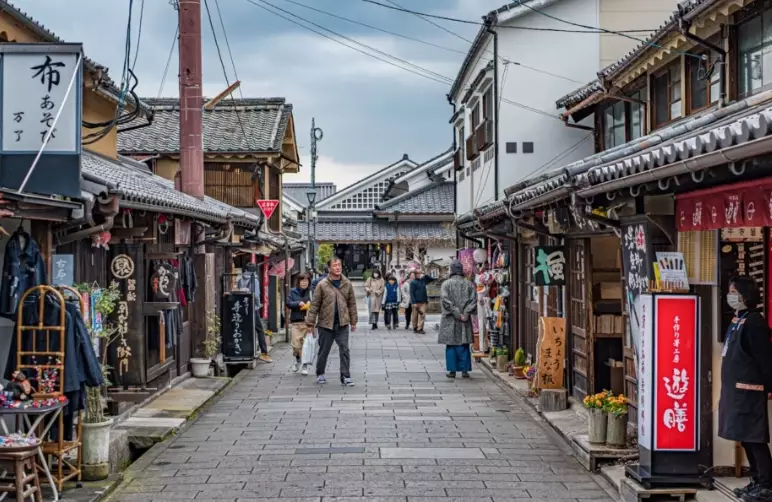
Oita Prefectural Art Museum: I'm not always a huge museum person, but this one had a great mix of modern Japanese art and local crafts. The building itself is interesting. It's a good rainy-day option or a break from the heat.
Mall and Shopping Streets: The central shopping arcade (Park Place Oita is a big mall) and the streets around it are lively. It's not Tokyo, but you can find everything you need, plenty of cafes, and get a feel for everyday city life.
Temples and Spiritual Spots
Fukiji Temple (in Bungo-Takada): Another short trip away, but this temple houses the oldest wooden structure in Kyushu. The main hall is a national treasure. It's small, quiet, and humbling. You can feel the history in the wood.
Nature and Scenery Beyond the Steam
If you need a break from the urban and geothermal landscape, Oita delivers here too.
Takasakiyama Natural Zoological Garden
This isn't your typical zoo. It's a mountain inhabited by over 1,500 wild Japanese macaques (snow monkeys). You observe them in a largely natural habitat. You can watch them socialize, bathe, and play. It's fascinating. They are wild, so you stay in designated areas, but you're incredibly close. A unique and highly recommended experience, especially if you're traveling with kids or are an animal lover.
Oita Marine Palace (Umitamago)
This is a large aquarium complex on the coast. It's modern, well-designed, and focuses on the marine life of the surrounding seas. The dolphin and sea lion shows are a hit with families. The setting by the ocean is nice. It's a solid, fun attraction if that's your thing.
Kuju Flower Park & Mount Kuju
For the truly nature-inclined, the Kuju mountain range offers hiking with stunning views. In the foothills, Kuju Flower Park is a massive, beautifully maintained garden with blooms that change with the seasons. It's a bit of a journey from Oita City, but on a clear day, the views of the mountains are spectacular. This is for when you've exhausted the list of what to do in Oita City proper and want to see the prefecture's rugged interior.
You see? The list of what to do in Oita City and its immediate surroundings just keeps growing.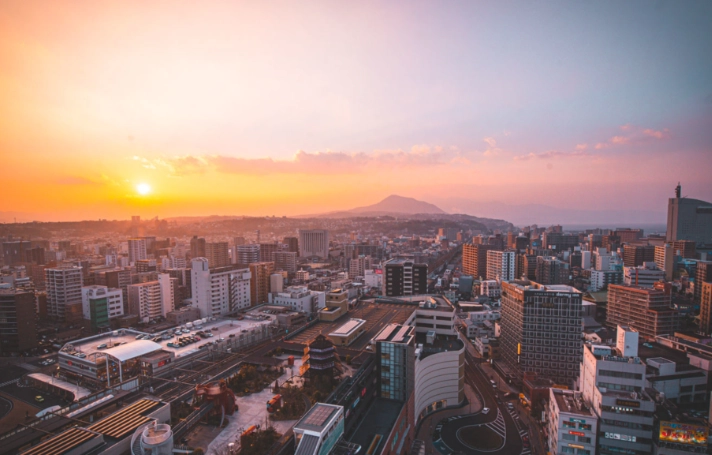
Practical Information for Your Trip
Alright, let's get down to brass tacks. How do you make this happen?
Getting There and Around
By Air: Oita Airport (OIT) has domestic flights from Tokyo (Haneda, Narita), Osaka (Itami), and elsewhere. It's about 40 minutes by bus to Oita City center.
By Shinkansen: You can take the Kyushu Shinkansen to Kokura (in Kitakyushu) and transfer to a limited express train to Oita (about 20 minutes). The entire journey from Hakata (Fukuoka) takes about 2 hours.
Getting Around: Within Oita City, buses and trams are your friends. The Oita Kotsu bus network is extensive. For Beppu and the hot spring areas, buses are the main mode of transport. A rental car gives you ultimate freedom to explore places like Usuki and Kuju, but parking in the city can be a pain. For the core what to do in Oita City and Beppu itinerary, public transport and taxis are sufficient.
Best Time to Visit
- Spring (March-May) & Autumn (October-November): The absolute best times. Mild weather, pleasant for walking, and beautiful scenery. Cherry blossoms in early April are a bonus.
- Summer (June-September): Hot and humid. The onsens feel extra hot. But it's festival season! If you can handle the heat, the summer festivals (matsuri) are vibrant.
- Winter (December-February): Cool to cold. Soaking in an outdoor rotenburo (open-air bath) while the air is chilly is a magical experience. Crowds are thinner.
Where to Stay
You have a classic choice:
- Stay in Oita City: More of a standard city hotel experience. Better for nightlife, shopping, and as a transport hub. You'll commute to the onsens (about 15-20 mins to Beppu by train).
- Stay in Beppu: Immersed in the onsen town atmosphere. Many hotels have their own thermal baths. Quieter at night, more focused on relaxation. You'll commute to Oita City for some sights.
I stayed in Beppu and loved falling asleep after a late-night bath. But if you want more dining and bar options after 9 PM, Oita City might be better.
Answering Your Questions (FAQ)
Final Thoughts on What to Do in Oita City
So, what's the verdict?
Oita City and the Beppu area surprised me. I went for the hot springs and stayed for the food, the monkeys, the ancient Buddhas, and the general laid-back vibe of Kyushu. It's not a place that shouts for attention. It's quietly confident in what it offers: profound relaxation, unique natural wonders, and genuine, unfussy hospitality.
The list of what to do in Oita City is deceptively long. It's a destination that rewards a slightly slower pace. Don't try to tick every "Hell" off the list. Instead, pick a couple, soak in a few different baths, eat some hell-steamed veggies, watch the monkeys for an hour, and just wander.
It's a reminder that sometimes the best travel experiences aren't about seeing the most famous thing, but about discovering a place that feels both foreign and strangely comforting. Oita does that.
For the most current official information on travel, events, and transportation, always check the official tourism websites like Visit Oita and Beppu Onsen. They're invaluable resources for planning.
Now, go pack your small towel and get ready to soak it all in.


Comments