Quick Navigation
- Breaking Down the Three Big Players: North, Central, and South
- When to Go: It Makes ALL the Difference
- Top Experiences You Can't Miss (And Some Honest Opinions)
- Planning Your Trek: The Nitty-Gritty Details
- Frequently Asked Questions (The Stuff You're Actually Wondering)
- Wrapping It Up: More Than Just Mountains
You've probably seen the pictures. Those impossibly sharp peaks cutting into a crisp blue sky, valleys so green they look painted, and little wooden huts clinging to mountainsides. That's the Japanese Alps for you. But here's the thing – calling them the "Japanese Alps" always felt a bit odd to me. They're not in Europe, and the culture you'll find there is uniquely, deeply Japanese. An English missionary named Walter Weston is credited with popularizing the name in the late 1800s, and it just stuck. Locals often use the more precise names: the Hida, Kiso, and Akaishi Mountains. But for us travelers, the Japanese Alps it is.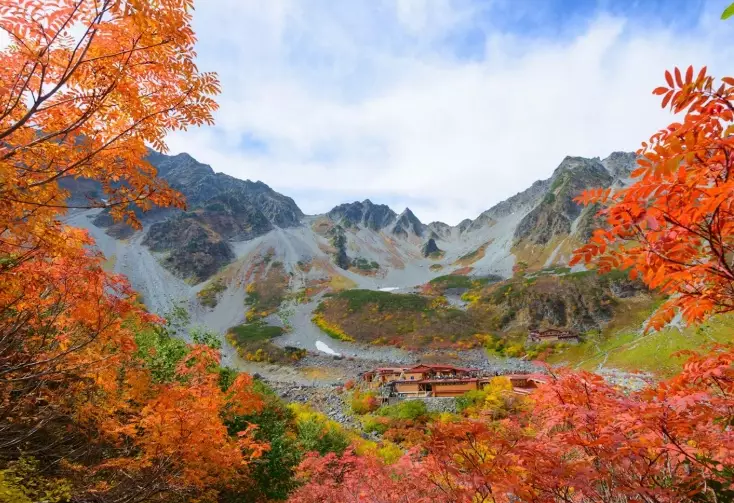
This isn't just one mountain. It's a massive, sprawling backbone running through the center of Honshu, Japan's main island. Think of it as Japan's outdoor playground, but one that's been curated for centuries with hidden temples, steaming hot springs, and trails that have stories etched into every stone.
Why are people so obsessed with visiting the Japanese Alps? It's not just about ticking a box. It's the combination. You can spend the morning gasping for air on a rugged ridge-line and be soaking in a centuries-old onsen (hot spring) by afternoon, watching the stars pop out over a silent valley. It's where physical challenge meets deep cultural relaxation. You come for the hike, but you leave remembering the taste of soba noodles in a mountain hut, the sound of a river outside your ryokan window, and the quiet bow from a fellow hiker on the trail.
Breaking Down the Three Big Players: North, Central, and South
You can't talk about the Japanese Alps without understanding its three distinct personalities. They're like siblings – related, but wildly different in character.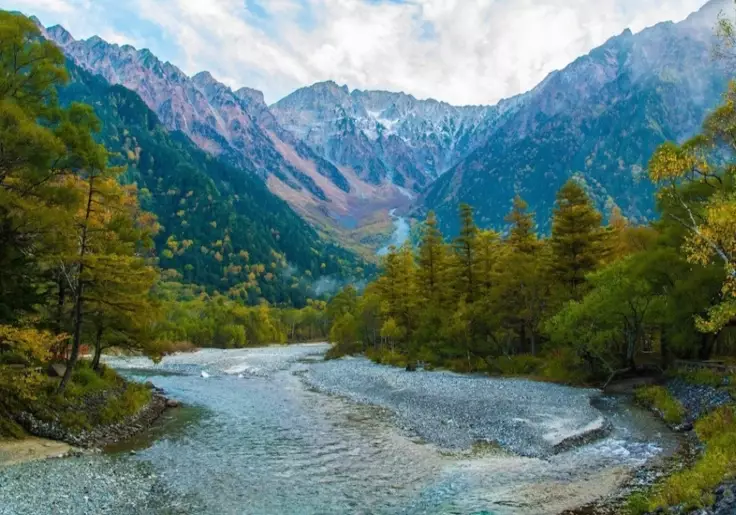
| Mountain Range (Japanese Name) | Nickname / Common Reference | Key Characteristics & Vibe | Star Attraction |
|---|---|---|---|
| Hida Mountains (飛騨山脈) | The Northern Japanese Alps | The classic, dramatic poster child. Home to some of Japan's tallest peaks (over 3000m), rugged terrain, and the famous Tateyama Kurobe Alpine Route. Gets busy in peak seasons. The vibe is epic, tourist-friendly, and well-organized. | Tateyama Kurobe Alpine Route, Kamikochi, Mount Yari, Mount Hotaka |
| Kiso Mountains (木曽山脈) | The Central Japanese Alps | Often called the "gentle giant." Slightly lower peaks, but incredibly beautiful, dense forests (famous Kiso cypress), and a more secluded, spiritual feel. Fewer crowds, more of a hidden gem atmosphere. Great for multi-day treks without the extreme altitude. | Mount Kiso-Komagatake, the historic Nakasendo Trail (Magome & Tsumago post towns) |
| Akaishi Mountains (赤石山脈) | The Southern Japanese Alps | The wild, remote frontier. The least developed and most challenging. Peaks are jagged, access is tougher, and facilities are minimal. This is for serious hikers seeking solitude and raw adventure. The weather here is notoriously unpredictable. | Mount Kita, Mount Aino, the treacherous Daisekkei (Great Snow Valley) |
See what I mean? Picking which part of the Japanese Alps to visit is your first big decision. Want iconic views and easy logistics? North. Prefer forest bathing and history with your hike? Central. Craving a real backcountry challenge? South. Or, be like me and try to sample a bit of each over a few trips.
When to Go: It Makes ALL the Difference
Timing your trip to the Japanese Alps isn't just about good weather; it's about choosing your entire experience. Go in the wrong season, and you might find trails closed, roads blocked by 20-meter snow walls, or huts shuttered.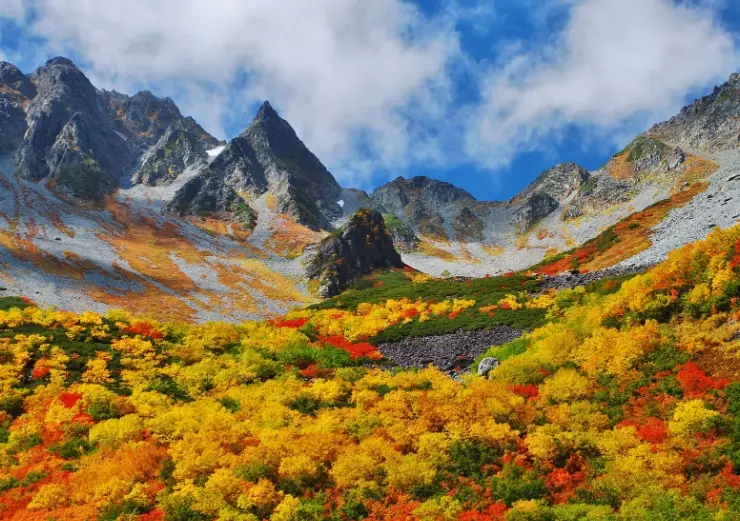
The Seasonal Rundown
Spring (Late April - June): This is the shoulder season magic. The Northern Alps' Tateyama Kurobe Alpine Route opens (usually mid-April to late November), letting you walk between those famous snow corridors. Lower valleys are lush and blooming. But be warned – higher peaks are still snowy, and June is the rainy season (tsuyu). It can be miserably wet. I got caught in a three-day drizzle in Kamikochi once. Not my finest moment.
Summer (July - September): The prime hiking season. All trails are open, mountain huts are running, and the weather is (mostly) stable and warm. This is also when everyone goes. Places like Kamikochi can feel like a conveyor belt. August is especially crowded with domestic tourists during Obon holidays. If you go in summer, book everything months in advance.
Autumn (October - November): My personal favorite. The crowds thin out, the air turns crisp, and the koyo (autumn foliage) is simply insane. The mountains look like they're on fire. Hiking is fantastic, but it gets cold fast, especially at night. Early snow is possible on high peaks by November.
Winter (December - March): The Japanese Alps transform into a serious snow sports destination. Skiing and snowboarding are world-class in places like Hakuba (in the Northern Alps). For hikers, most high-altitude trails are impassable and dangerous without serious mountaineering gear. But the onsens are extra steamy and cozy.
For reliable, official weather forecasts and avalanche information (crucial for hiking), always check the Japan Meteorological Agency website. Don't rely on generic weather apps.
Top Experiences You Can't Miss (And Some Honest Opinions)
The Iconic Hike: Tateyama Kurobe Alpine Route
Let's address the elephant in the room. Is the Tateyama Kurobe Alpine Route worth it? This famous traverse across the Northern Japanese Alps isn't a hike in the traditional sense. It's a spectacular journey using six different modes of transport – cable car, bus, trolley bus, and more. You see the famous "Snow Wall" (Yuki-no-Otani), the stunning Kurobe Dam, and panoramic views from Mount Tateyama.
The Hiker's Paradise: Kamikochi
Kamikochi is the gateway to the Northern Japanese Alps' best hikes. It's a highland river valley, flat and accessible, with the majestic Hotaka mountain range as a backdrop. The walking paths along the Azusa River are easy and stunning. From here, serious hikers launch multi-day trips to peaks like Yari and Hotaka.
The catch? It's wildly popular. Private cars are banned, so you take a bus or taxi from nearby towns. It feels pristine because of this rule, but the main area can get packed. Go early in the morning or stay overnight at one of the lodges to experience the magical quiet.
The Deep Cultural Immersion: Nakasendo Trail (Kiso Valley)
This is where the Japanese Alps meet history. The Nakasendo was an ancient highway connecting Edo (Tokyo) to Kyoto. A beautifully preserved section runs through the Kiso Valley in the Central Alps, between the post towns of Magome and Tsumago.
Walking this stone-paved path through cedar forests, past waterfalls and farmland, is like time travel. You can send your luggage ahead (takkyubin – a genius Japanese service) and walk light between the towns, staying in traditional inns. It's less about mountain summits and more about connecting with Japan's Edo-period past. A perfect blend of light hiking and culture.
The Onsen (Hot Spring) Reset
You haven't truly done the Japanese Alps if you haven't soaked in an onsen. After a long day on your feet, there is no better reward. Towns like Nozawa Onsen, Shirahone Onsen, or Hirayu Onsen are famous for their baths.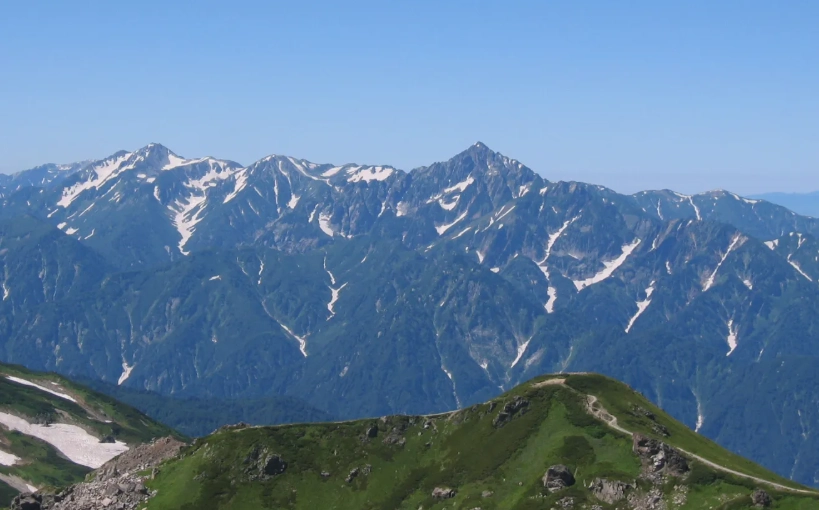
Some are public bathhouses, others are attached to your ryokan. The mineral-rich waters are said to heal muscles and soothe the soul. The etiquette (washing thoroughly before entering, no swimsuits, no tattoos in some places) can be intimidating, but just watch what others do. It's a ritual of pure relaxation.
Planning Your Trek: The Nitty-Gritty Details
Alright, let's get practical. How do you actually make this happen?
Getting There and Around
Public transport is excellent, but it requires planning. Major gateways include:
- Tokyo: Take the Shinkansen to Nagano (for Hakuba, the Snow Wall) or Matsumoto (for Kamikochi, Central Alps).
- Nagoya: A great base for the Central and Southern Alps. Trains head straight into the Kiso Valley.
- Osaka/Kyoto: Good for accessing the Southern Alps via Shizuoka or the Northern Alps via Toyama.
Once in the region, you'll rely on buses, local trains, and taxis. Schedules can be infrequent, especially outside peak season. The Japan National Tourism Organization (JNTO) site has good general transport info, but always double-check with local bus company websites.
Where to Stay: Mountain Huts vs. Ryokan
Your accommodation defines your experience.
Mountain Huts (yama-goya): For multi-day hikes. They're basic – dorm-style bunk beds, shared facilities, and usually two meals (dinner and breakfast). They are lifesavers, but don't expect luxury. Book ahead, especially in summer. They often have a curfew and are cash-only.
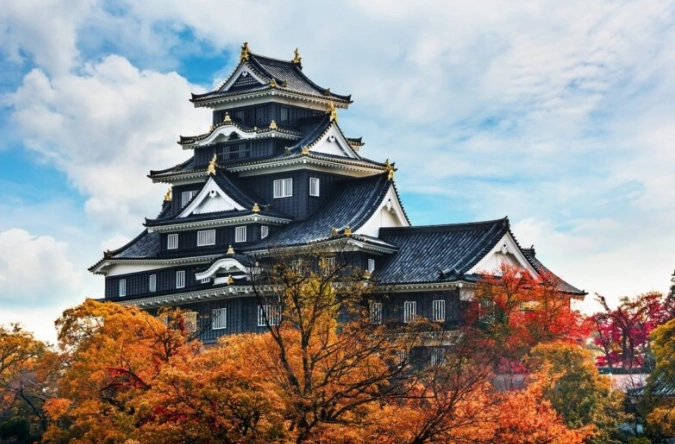
Ryokan (Traditional Inns): In the valley towns. This is where you experience Japanese hospitality (omotenashi). You get a tatami-mat room, incredible multi-course kaiseki dinners, and a futon on the floor. It's more expensive but worth it for at least a night. A ryokan with a private onsen is the ultimate splurge.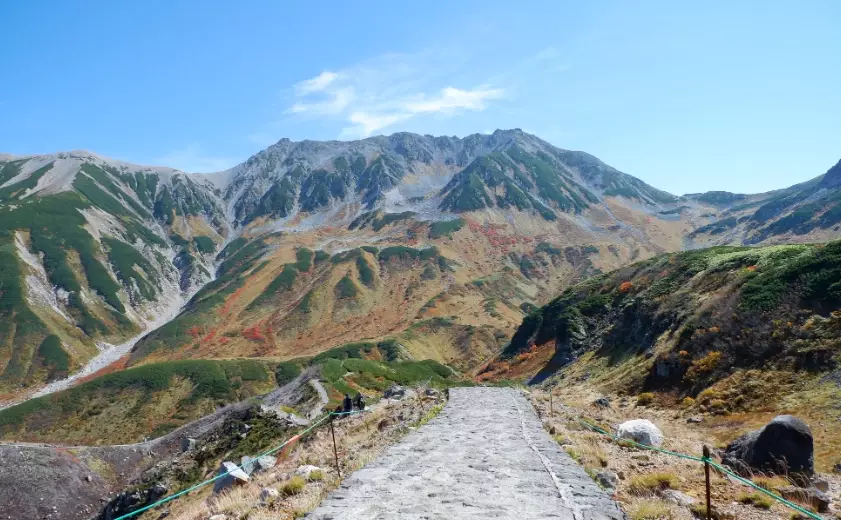
What to Pack (The Non-Obvious Stuff)
Beyond your usual hiking gear, consider this Japan-specific list:
- Cash: Many mountain huts, small buses, and rural restaurants do not take credit cards.
- Small Towel: For drying off at onsens (they often rent larger ones).
- Slip-on Shoes: You'll be taking your shoes on and off constantly at inns, temples, and some restaurants.
- Rain Gear: Even if the forecast is sunny. A lightweight packable jacket is essential.
- Trash Bag: Public trash cans are rare. Be prepared to carry your trash out.
- Portable Wi-Fi or SIM: While major areas have coverage, trails and remote valleys might not.
Frequently Asked Questions (The Stuff You're Actually Wondering)
Wrapping It Up: More Than Just Mountains
At the end of the day, a journey into the Japanese Alps is more than a checklist of peaks and trails. It's about the feeling of cool mountain air after a stuffy city. It's the silent camaraderie on a trail at sunrise. It's the profound relief of a hot bath and the taste of a simple, perfect meal after a hard day's work.
It challenges you physically but restores you mentally. It shows you a Japan far removed from the neon and noise – a Japan of immense quiet strength, deep tradition, and breathtaking natural beauty.
Do your research, pack your sense of adventure (and a good rain jacket), and go. The mountains are waiting.


Comments