Quick Navigation
So you're thinking about visiting Fukuoka? Good choice. Honestly, it often gets overshadowed by Tokyo and Kyoto, but for my money, it's one of the most livable and enjoyable cities in Japan. The vibe here is different—more relaxed, incredibly friendly, and the food scene is just unreal. We're talking about a city where you can see ancient shrines in the morning, shop in a cutting-edge mall in the afternoon, and be slurping down the world's best ramen from a street stall by nightfall.
I've spent a good chunk of time wandering around Fukuoka's famous places, from the can't-miss spots to the corners most tourists never see. This guide isn't just a list. It's the stuff I wish I knew before I went, mixed with the discoveries I made after getting a bit lost (in a good way). We'll cover everything: the iconic sights, the hidden gems, how to get around, where to eat, and how to avoid the few tourist traps that do exist.
First, Let's Get Our Bearings: Understanding Fukuoka's Layout
Fukuoka feels like two cities fused into one. On one side, you have Hakata, the historic heart. This is where you'll find the main shinkansen (bullet train) station, the famous Hakata ramen, and the bustling Canal City complex. The energy here is fast-paced, centered around transport and commerce.
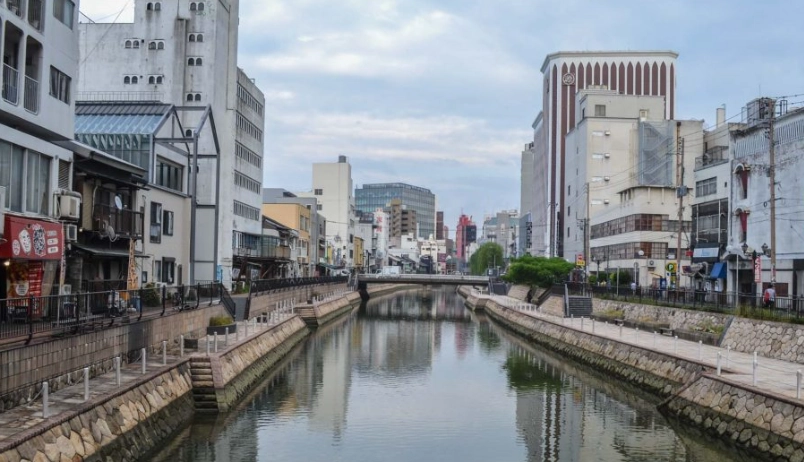
Then, a short subway ride or a pleasant walk away, is Tenjin. This is the modern downtown—a maze of department stores, underground shopping malls, chic cafes, and nightlife. It's glitzy and feels like the city's economic engine.
Sandwiched between them is Nakasu, the entertainment and red-light district, sitting on a sandbar in the Naka River. And then, fanning outwards, you have the waterfront areas like Momochi, the peaceful Ohori Park, and the suburban hills leading to Dazaifu. Getting this simple geography in your head makes planning your attack on Fukuoka's famous places so much easier.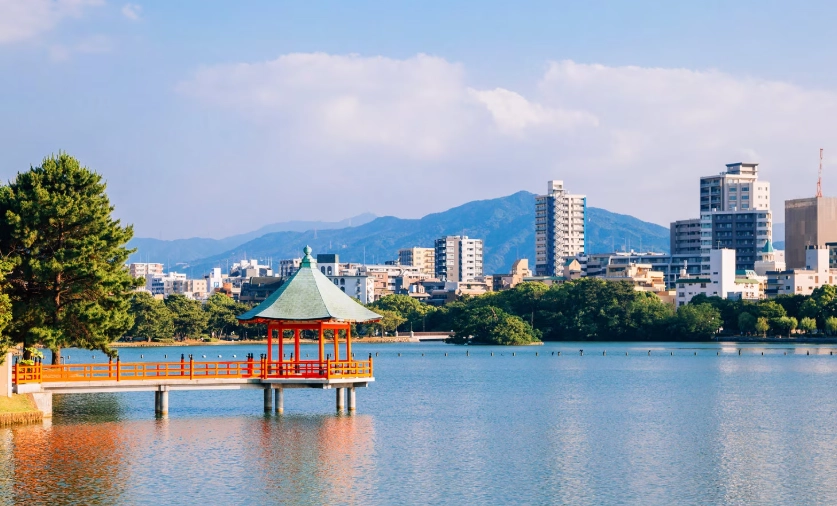
The Top Fukuoka Famous Places by Interest (Not Just a Generic List)
Anyone can list “top 10 attractions.” It's more useful to group Fukuoka's famous places by what you're actually into. Are you a foodie? A history nut? A shopaholic? A nature seeker? Let's break it down.
For the Foodie (This is Fukuoka's Superpower)
If you come to Fukuoka and don't focus on food, you've missed the point. Seriously.
Yatai (Street Food Stalls): This is the soul of Fukuoka's food scene. These mobile stalls, set up along the river in Tenjin and Nakasu, are an institution. The atmosphere is magical as night falls—tiny kitchens glowing, steam rising, people chatting on stools. You must try Hakata ramen (tonkotsu) here. It's creamier, porkier, and silkier than any ramen you've likely had. But don't stop there. Try oden (a warming stew), yakitori (grilled skewers), and maybe even a beer.
Ramen Stadium in Canal City: Can't decide which famous ramen shop to try? This place solves that. It's a collection of ramen shops from all over Japan on the 5th floor of the Canal City mall. It's a bit touristy, yes, but it's also incredibly efficient and lets you compare Fukuoka's famous tonkotsu with styles from Tokyo or Sapporo.
Local Markets: Skip the overly-touristy fish markets you might find elsewhere. Head to the Yanagibashi Rengo Market (often called “Fukuoka's Kitchen”). It's where locals shop. You can find fresh seafood, local veggies, and even grab a simple, fantastic sushi breakfast at one of the tiny counters inside. It feels real.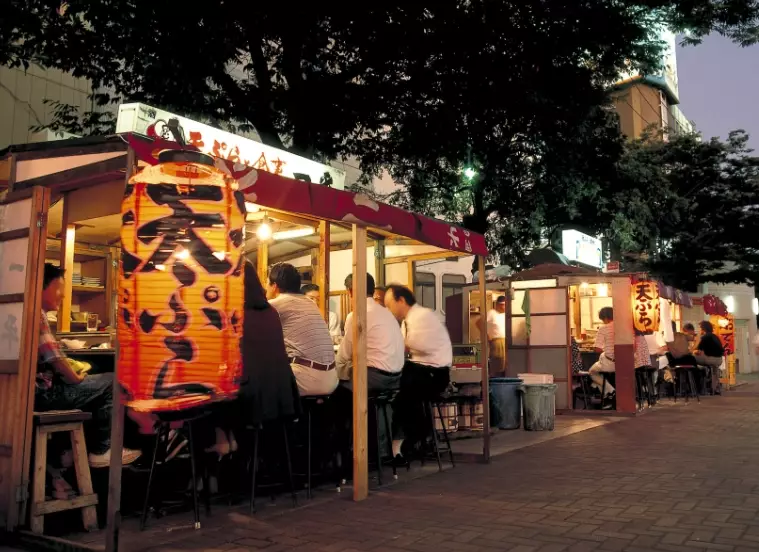
For the History Buff & Culture Vulture
Fukuoka's history is deep, tied to its role as Japan's gateway to Asia.
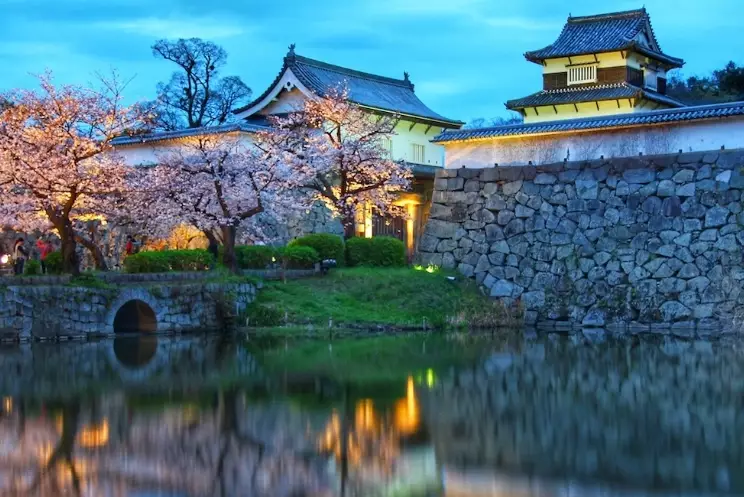
Fukuoka Castle (Maizuru Park) Ruins: Don't expect a reconstructed castle like in Osaka. This is about the atmosphere. The stone foundations and a few turrets remain scattered across a beautiful, spacious park. It's a fantastic spot for cherry blossom viewing in spring, and the views over the city are lovely. It feels peaceful, not crowded.
Kushida Shrine: Located right in the heart of Hakata, this is the city's most important Shinto shrine. It's dedicated to the gods of prosperity and longevity. It's not enormous, but it's ornate and always has a sense of quiet activity. The real treat is the Hakata Gion Yamakasa exhibition hall/museum attached to it. This summer festival is insane (men racing through the streets carrying one-ton floats), and the museum houses the magnificent festival floats. It gives you a profound sense of local pride and tradition.
Dazaifu Tenmangu: Okay, this one is technically just outside Fukuoka City (about a 30-40 minute train ride), but it's so integral to the region's cultural landscape that it absolutely counts among the essential Fukuoka famous places. This is one of Japan's most important Tenmangu shrines, dedicated to the god of learning, Sugawara no Michizane. Students flock here to pray for exam success. The approach is stunning—a path lined with hundreds of plum trees (beautiful in February), leading to the striking orange-roofed main hall. The new Kyushu National Museum is right next door, offering a brilliant, modern overview of Japanese history from a Kyushu perspective. It's a perfect half-day trip.
 For the Urban Explorer & Shopper
Canal City Hakata: You can't miss this place, literally. It's a massive, pink, amoeba-shaped complex with a canal running through its center. It's less of a mall and more of a “city within a city.” There are shops, cinemas, two hotels, a game center, and dozens of restaurants. Every hour or so, there's a music and fountain show in the central “Sun Plaza.” Is it a bit over-the-top? Sure. But it's a spectacle, and it's fun to walk through. The Ramen Stadium is here, as is a great Ghibli merchandise store.
Tenjin Underground City & Department Stores: When it rains (or when the summer sun is brutal), the people of Fukuoka vanish underground. The Tenjin Chikagai (Underground City) is a sprawling network of shops and eateries connecting subway stations and major department stores like Mitsukoshi and Daimaru. It's easy to get lost, in a delightful way. Above ground, the Tenjin core is a shopper's paradise, from high-end boutiques to the massive “天神コア” (Tenjin Core) building for younger fashion.
Ohori Park & Fukuoka Art Museum: Need a break from concrete? Ohori Park is a huge, serene park built around a central pond that was once part of the castle moat. There's a lovely 2km path around the water—perfect for a jog, a stroll, or just sitting on a bench. The Japanese Garden within the park is a meticulously crafted oasis of calm. Right next door is the Fukuoka Art Museum, which has a solid collection of modern and ancient Asian art. It's a refreshing combo of nature and culture.
 For the View & Photo Seeker
Fukuoka Tower: At 234 meters, it's Japan's tallest seaside tower. The observation deck offers a 360-degree panorama of the city, the sea, and on clear days, distant mountains. The night view is particularly famous. Personally, I think it's a bit pricey for what it is, and the area around it (Momochihama) feels a bit sterile and planned. But if you love a good view from up high, it delivers.
Momochi Seaside Park & The Beach: This is the artificial beach area near Fukuoka Tower. The sand is soft and imported, the water is okay for a dip in summer, and it's lined with cafes and restaurants. It's popular with families and couples. It's clean and pleasant, though it lacks the wild charm of a natural beach. The real draw here is the architecture—the Fukuoka City Museum and the Fukuoka Dome (home of the SoftBank Hawks baseball team) are here, and the whole area has a futuristic, open feel.
Nokonoshima Island Park: This is a bit of a journey (a ferry from Meinohama port), but it's worth it for a full day of nature. The island is essentially one giant, beautifully maintained flower park. Different flowers bloom throughout the year—rape blossoms in spring, sunflowers in summer, cosmos in autumn. The views back to the Fukuoka skyline are unique and fantastic for photos. It's a complete change of scenery.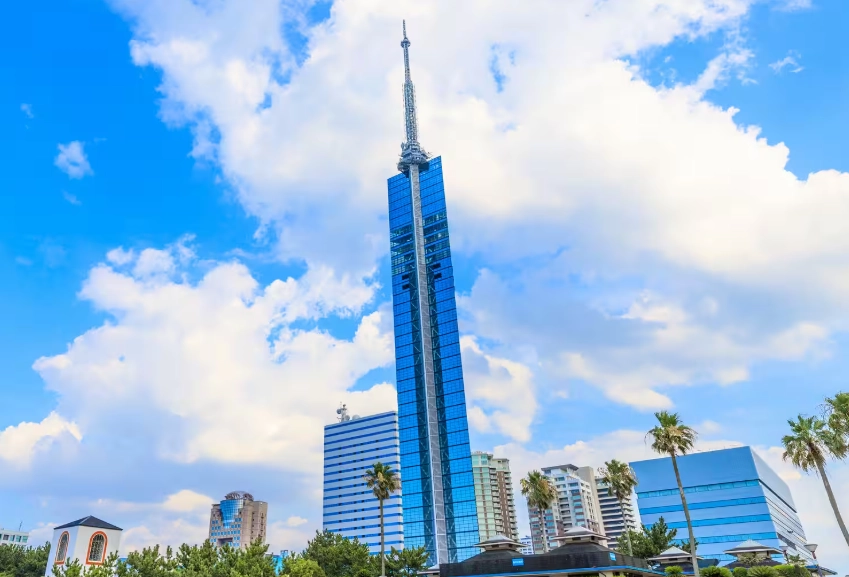
Beyond the Top Spots: Hidden Gems & Day Trips
Once you've hit the major Fukuoka famous places, consider these to go deeper.
Shofukuji Temple: Tucked away in a quiet neighborhood, this is considered the first Zen temple ever built in Japan (1191). It's austere, simple, and feels a world away from the glitter of Tenjin. There's no flashy admission fee or crowds—just a serene temple complex where you can feel the weight of history.
Uminonakamichi Seaside Park: This is a massive seaside park on a narrow peninsula northeast of the city. You need a train and a bus to get there, but it's a full-day adventure. It has flower fields, cycling routes, a large pool/water playground for kids in summer, and even a small zoo. It's where locals go for a weekend picnic.
Day Trip to Itoshima Peninsula: Rent a car or navigate the local buses to explore this trendy peninsula west of Fukuoka. You'll find beautiful, less crowded beaches like Keya no Ohama, the iconic solitary torii gate of Shiraito Shrine, cute seaside cafes, and the famous “Sakurai Futamigaura” married couple rocks. It's a fantastic way to see Fukuoka Prefecture's coastal beauty.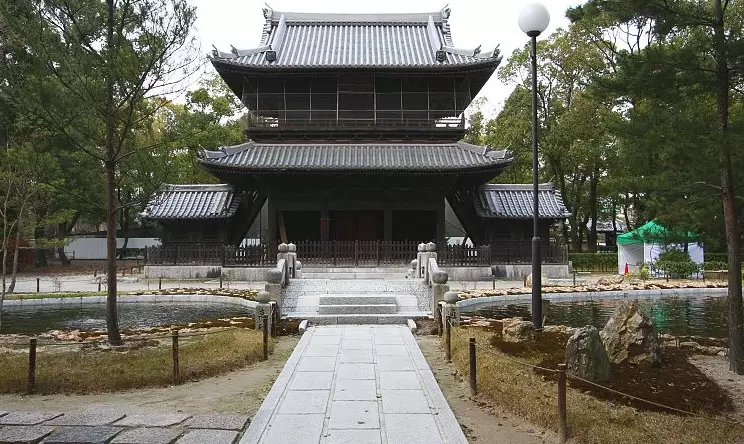
Practical Guide to Visiting Fukuoka Famous Places
Knowing what to see is half the battle. Here’s how to actually do it efficiently.
Getting Around
The subway is your best friend. It's simple, with just three lines (Airport, Hakozaki, and Nanakuma) that cover Hakata, Tenjin, and Ohori Park. Get a one-day pass if you plan to hop around a lot.
For places like Dazaifu, you'll use the Nishitetsu train line (Dazaifu Line). For Nokonoshima, you'll take the subway to Meinohama and then a ferry.
Buses fill in the gaps, especially for Uminonakamichi and Itoshima. Google Maps is incredibly reliable for public transport routing in Fukuoka.
Where to Stay
This depends on your priorities.
- Hakata: Best for first-timers, foodies, and easy transport access. You're right by the main train station, Canal City, and the yatai. It can feel a bit noisy and commercial at night.
- Tenjin: Best for shoppers, nightlife enthusiasts, and those who love a modern urban vibe. Endless dining and shopping options right outside your door.
- Around Ohori Park/Nakasu: Offers a quieter, more upscale stay. You're between the two hubs and close to green space. Great for a more relaxed pace.
Itinerary Ideas
How to structure your days? Here’s a quick reference table for different trip lengths.
| Trip Length | Morning | Afternoon | Evening |
|---|---|---|---|
| One Day Blitz | Hakata: Kushida Shrine, Yanagibashi Market. | Tenjin: Shopping, Ohori Park stroll. | Yatai street food in Nakasu. |
| Two Day Deep Dive | Day 1: Dazaifu Tenmangu & National Museum. | Day 1: Canal City, Ramen Stadium. | Day 1: Dinner in Tenjin. |
| Day 2: Ohori Park & Art Museum. | Day 2: Fukuoka Castle ruins, explore Tenjin underground. | Day 2: Yatai and drinks by the river. | |
| Three Day Explorer | Days 1 & 2 as above. | Day 3: Choose one: Nokonoshima Island OR Itoshima Peninsula day trip. | Day 3: Relaxed farewell dinner at a local izakaya. |
Remember, this is just a template. Mix and match based on your energy levels and interests.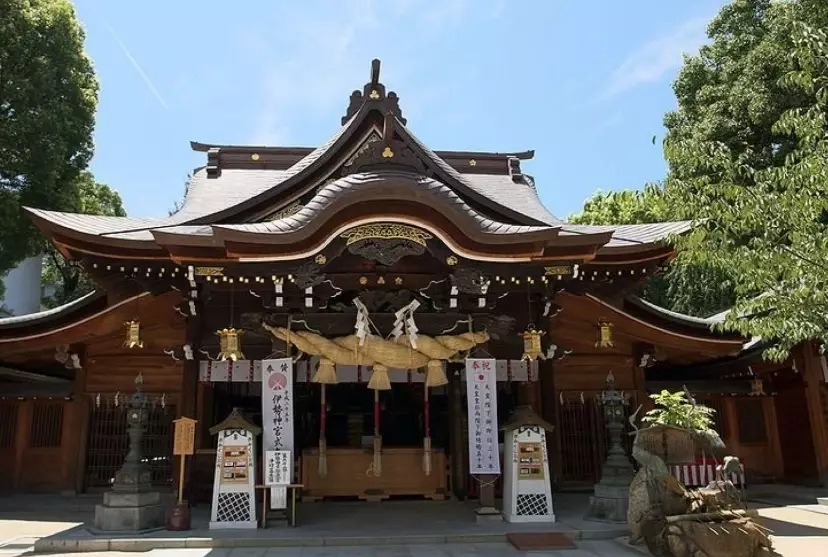
Common Questions About Fukuoka Famous Places (FAQs)
Let's tackle the things people actually search for.
For broader context on traveling in Japan, including cultural tips and national travel alerts, the Japan National Tourism Organization (JNTO) site is an indispensable resource to check before your trip.
So there you have it. Not just a list, but a real guide to navigating, enjoying, and falling for Fukuoka's famous places. Have an amazing trip. You'll probably start plotting your return before you've even left.

Comments