Jump to What Matters Most
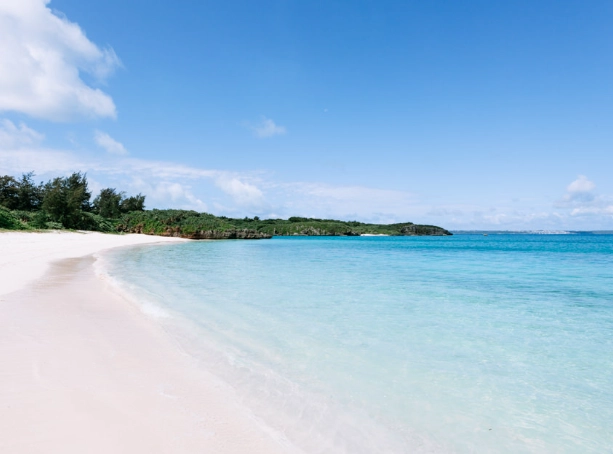
When people think of Japan, beaches aren't always the first thing that comes to mind. But let me tell you, after exploring the coast for over a decade, Japan's shores are full of surprises. From white-sand paradises in Okinawa to rugged volcanic coasts in Hokkaido, there's a Japan beach for every traveler. I've seen too many visitors stick to cities and miss out on these gems. This guide cuts through the noise to give you the real scoop—where to go, when to visit, and how to avoid the crowds that ruin the vibe.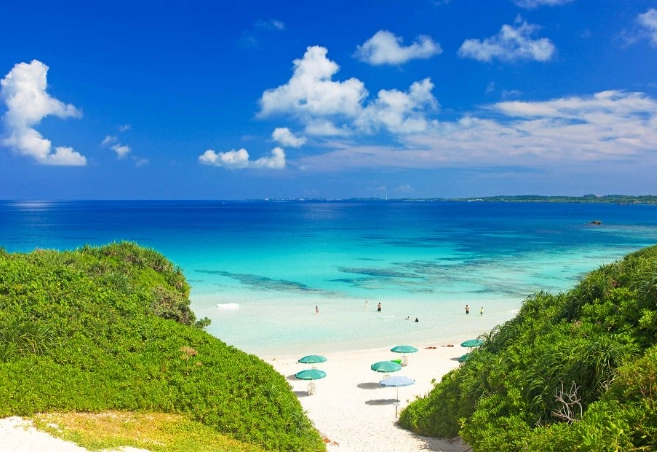
Why Japan's Beaches Are Unique
Japan's coastline stretches over 29,000 kilometers, offering everything from tropical getaways to serene fishing villages. What sets it apart? The diversity. You can snorkel in crystal-clear waters one day and hike along dramatic cliffs the next. But here's a non-consensus point: many guidebooks push the same popular spots, like Shirahama or Enoshima, without mentioning the seasonal quirks. For instance, some beaches in mainland Japan have limited swimming seasons due to cold currents, while Okinawa stays warm year-round. I learned this the hard way when I showed up to a beach in Chiba in March, only to find it deserted and freezing.
Another thing: Japanese beaches often blend nature with culture. You might find a Shinto shrine overlooking the sea or a local festival happening on the sand. It's not just about sunbathing; it's an experience. According to the Japan National Tourism Organization (JNTO), coastal tourism has grown by 15% in recent years, but most visitors cluster in a few areas. That means hidden spots are still out there if you know where to look.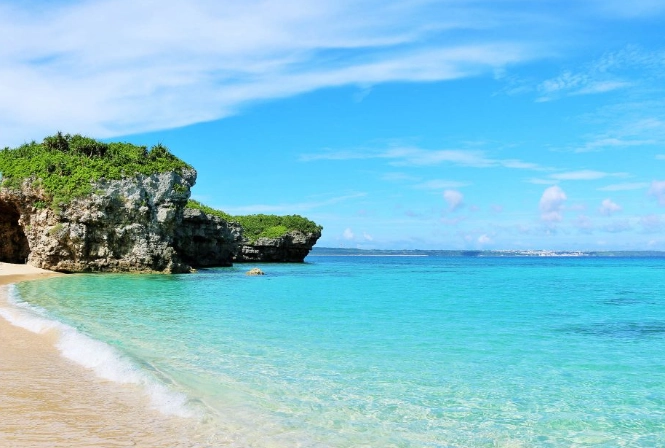
Top Japan Beaches You Can't Miss
Let's get practical. Here are my top picks, based on years of travel and chatting with locals. I've included details so you can plan without guesswork.
1. Shirahama Beach, Wakayama
Shirahama means "white sand," and it delivers. Located in Wakayama Prefecture, this is one of Japan's most famous beaches, but it's worth the hype for its fine, white sand imported from Australia. Address: Shirahama-cho, Nishimuro District, Wakayama 649-2211. Best time to visit: July to August for swimming, but avoid weekends when it gets packed. Admission is free, and it's open 24/7, though lifeguards are only on duty from 9 AM to 5 PM in summer. Getting there: Take the JR Kuroshio Limited Express from Shin-Osaka Station to Shirahama Station (about 2.5 hours), then a 10-minute bus ride. Personal tip: The sand gets scorching hot by midday, so bring flip-flops. I once saw a kid run barefoot and regret it instantly.
2. Yonaguni Island Beaches, Okinawa
For something off the beaten path, Yonaguni is a remote island near Taiwan. The beaches here are raw and untouched. I'm talking about pristine shores like Kubura Bay—no resorts, just nature. Address: Yonaguni, Yaeyama District, Okinawa 907-1801. Best time: April to October, but note that typhoon season peaks in August. No entrance fees, and it's always accessible. Transportation: Fly from Naha Airport to Yonaguni Airport (about 1.5 hours), then rent a car or scooter. The diving here is legendary, especially for the mysterious Yonaguni Monument underwater ruins. A local guide once told me that early mornings are best to avoid the occasional tourist boat.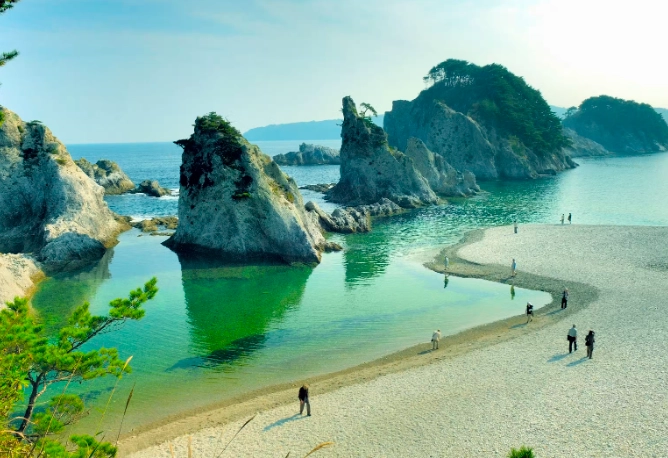
3. Jodogahama Beach, Iwate
This one's for scenery lovers. Jodogahama, meaning "Pure Land Beach," in Iwate Prefecture features stunning blue waters against white rocky cliffs. It's not a swimming beach per se—more for photography and walks. Address: Miyako, Iwate 027-0001. Best visit: May to October, with autumn foliage adding color. Free entry, open all day. How to get there: From Tokyo, take the Tohoku Shinkansen to Morioka Station (about 2 hours), then a bus to Miyako (another 2 hours), and a short taxi ride. The bus schedule is limited, so check times on the JR East website. I spent a quiet afternoon here last fall, and it was blissfully empty compared to the crowds in Kyoto.
Here's a quick comparison based on my experience:
Shirahama: Great for families, but can feel touristy. Go on a weekday.
Yonaguni: Adventure-seeker's paradise, but logistics require planning.
Jodogahama: Perfect for nature shots, not for swimming.
How to Plan Your Japan Beach Trip Like a Pro
Planning a Japan beach vacation isn't just picking a spot. You need to consider seasons, transport, and local quirks. Most people overlook this and end up disappointed.
First, timing is everything. Southern beaches like Okinawa are warm year-round, but mainland Japan beaches have short swimming seasons—typically July to early September. I made the mistake of visiting Atami Beach in June once, and the water was still chilly. Check regional weather patterns; for example, the Sea of Japan side gets colder faster than the Pacific side.
Transportation can be tricky. While major beaches are connected by trains and buses, remote ones require renting a car. In Okinawa, I highly recommend renting a car; public transport is sparse. Use apps like Japan Travel by Navitime for route planning. For Shirahama, the JR Pass covers the train, but not local buses, so budget extra.
Accommodation: Near popular beaches, book months in advance, especially for summer. In Shirahama, there are ryokans (traditional inns) like Shirahama Key Terrace Hotel, with rates around ¥20,000 per night. For budget options, look at guesthouses in nearby towns. In Yonaguni, I stayed at a minshuku (family-run guesthouse) for ¥8,000—basic but authentic.
Activities beyond swimming: Try snorkeling in Kerama Islands (Okinawa), known for sea turtles, or surfing in Chiba's Kujukuri Beach. Many beaches have festivals; for instance, the Shirahama Beach Festival in August features fireworks. A local secret: some beaches offer free equipment rentals if you ask at tourist centers.
Sustainability tip: Japan is pushing eco-tourism. Avoid single-use plastics; many beaches now have refill stations. When I visited Ishigaki Island, a local group organized beach clean-ups—joining one was a rewarding experience.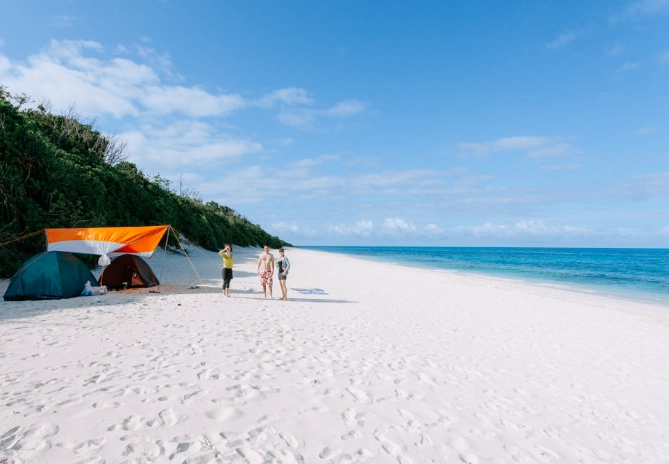
Japan Beach Travel: Your Questions Answered
Wrapping up, Japan's beaches offer more than just a dip in the ocean. They're a blend of nature, culture, and adventure. Whether you're after relaxation or exploration, there's a spot for you. Remember, the key is planning ahead and embracing the local vibe. Don't just follow the crowds—sometimes the best memories come from a hidden cove you stumble upon. For more info, check out the Japan National Tourism Organization's coastal guides or resources from Lonely Planet's Japan travel section. Happy travels!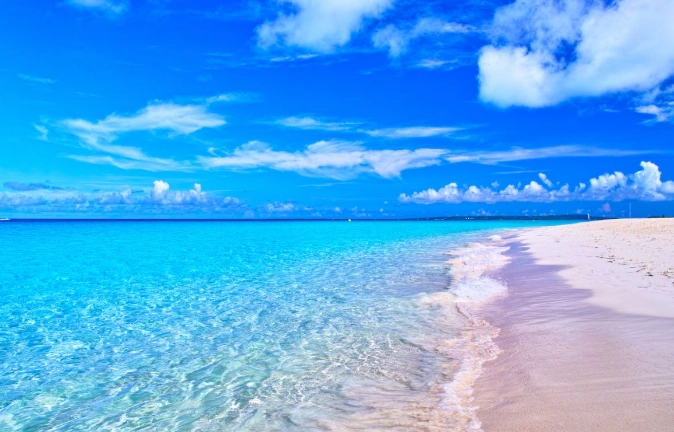
Comments