Your Fukuoka Travel Blueprint
- Forget the Simple Answer: What Does "Best" Even Mean for You?
- The Month-by-Month Breakdown: Weather, Crowds, and Vibe
- The Strong Contenders: When Most People Say It's Best
- The Underrated Gems: When You Might Find YOUR Best Time
- Answering Your Burning Questions (The FAQ You Actually Need)
- The Final Verdict: So, Which Month IS Best to Visit Fukuoka?
So you're thinking about visiting Fukuoka. Great choice. It's one of those Japanese cities that somehow manages to feel both buzzing and relaxed at the same time. But here's the thing everyone asks: which month is best to visit Fukuoka? I get it. You don't want to show up during a typhoon or miss the famous cherry blossoms by a week. You also probably don't want to fight through crowds of tourists or pay peak season prices for your hotel.
The short, unsatisfying answer is: it depends. It really depends on what you're after. But that's not helpful, is it? You came here for a clear guide, not a politician's answer. So let's break it down, month by month, season by season. We'll look at the weather (the real feel, not just numbers), the crowds, what's actually happening in the city, and what it'll do to your wallet. I've been a few times myself, at different times of the year, and I've talked to locals and other travelers to get the full picture.
The Core Dilemma: There's no single "perfect" month for everyone. The best time for a foodie on a budget is different from the best time for a family with kids, which is different again for a photographer chasing perfect shots. This guide will help you match the month to your personal travel style.
Forget the Simple Answer: What Does "Best" Even Mean for You?
Before we dive into the calendar, let's pause. When you ask "which month is best to visit Fukuoka?", what are you really asking? Are you looking for perfect sunny days? The lowest chance of rain? Empty temples and shrines? Or the biggest, most exciting festivals? Your personal "best" is a mix of priorities.
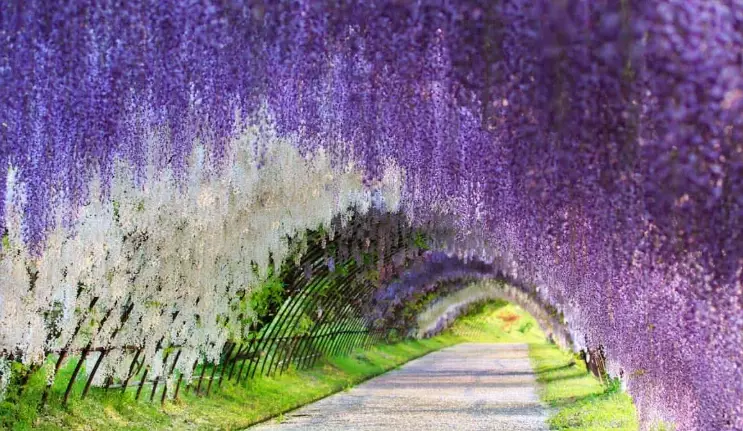
Some people can't stand humidity. Others live for summer matsuri (festivals). I once met a couple who planned their entire trip around seeing the wisteria tunnels at Kawachi Fujien Garden – that only blooms for a few weeks. So think about your non-negotiables first.
If your priority is...
- Perfect Weather & Scenery: Aim for spring (late March-April) or autumn (October-November).
- Budget-Friendly Travel: Look at winter (Jan-Feb) or the rainy season (June).
- Festivals & Nightlife: Summer (July-August) is packed with events.
- Food & Ramen: Honestly, any time. But autumn is great for seasonal seafood.
- Avoiding Crowds: Mid-January, February, or late June.
Be prepared for...
- Spring: Higher prices, booked-out hotels, and fickle cherry blossom timing.
- Summer: Intense heat, brutal humidity, and afternoon downpours.
- Autumn: Can be surprisingly busy, especially in November.
- Winter: Chilly, grey days and some attractions have shorter hours.
See? It's a trade-off. Now, let's get into the nitty-gritty.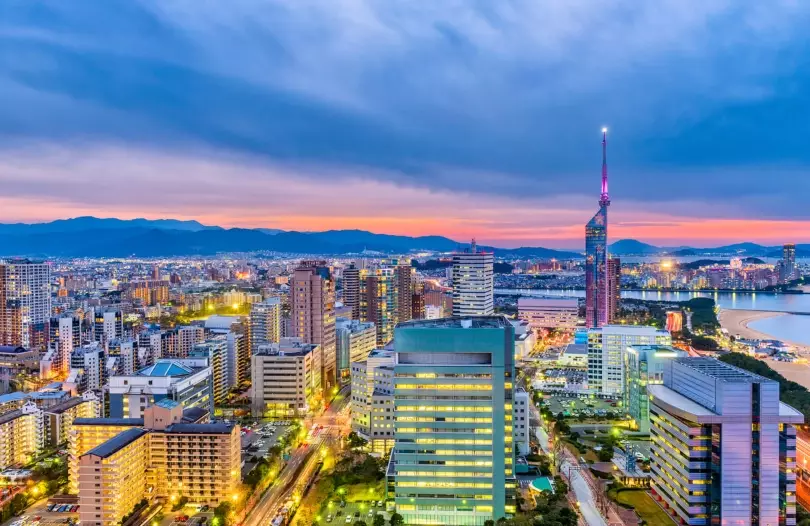
The Month-by-Month Breakdown: Weather, Crowds, and Vibe
Here’s where we get practical. I’ve put together a detailed table comparing the key aspects of each month. This should be your starting point. The data for average temperatures and precipitation is sourced from the Japan Meteorological Agency, so you know it's legit.
| Month | Avg. Temp / Feel | Key Events & What's On | Crowd Level | Cost Index | Best For... |
|---|---|---|---|---|---|
| January | 6°C (43°F) / Cold, dry, often grey. | New Year celebrations (1st-3rd), Hakata Dontaku preparations begin. Many businesses closed early Jan. | Low to Medium (after NY) | Low | Budget travelers, onsen (hot spring) lovers, shopping sales. |
| February | 7°C (45°F) / Still chilly, plum blossoms appear late month. | Setsubun (early Feb), Valentine's Day (big in Japan). | Low | Low | Getting deals, exploring indoors (museums, yatai stalls). |
| March | 10°C (50°F) / Unpredictable! Can be warm or cold. | Cherry blossoms *sometimes* bloom very late March. Hanami prep. | Medium (rising fast) | Medium to High | Early birds hoping for sakura without the peak rush. |
| April | 15°C (59°F) / Generally pleasant, light jacket weather. | CHERRY BLOSSOM PEAK (usually early-mid April). Hanami everywhere. | VERY HIGH | Peak | The classic Japanese spring experience. Book everything far in advance. |
| May | 19°C (66°F) / Lovely and warm, Golden Week chaos. | Golden Week (late Apr/early May - avoid!). Hakata Dontaku Festival (3rd-4th). | High (Golden Week), then Medium. | High (GW), then Medium. | Festival-goers (Dontaku), enjoying late spring greenery. |
| June | 23°C (73°F) / Warm & humid. The rainy season (tsuyu) starts mid-month. | Hydrangea blooms. Rainy season means fewer tourists. | Low | Low | Budget travelers who don't mind an umbrella, photography (green landscapes). |
| July | 27°C (81°F) / Hot & VERY humid. Real summer heat begins. | Gion Yamakasa (1st-15th), fireworks festivals start. Beach season. | High (for festivals) | Medium | Festival fanatics, beach days, experiencing vibrant summer nights. |
| August | 28°C (82°F) / Peak heat & humidity. Typhoon risk increases. | Obon (mid-August), more fireworks, summer matsuri. | High (domestic travel for Obon) | Medium to High | Night festivals, street food, if you can handle the stickiness. |
| September | 24°C (75°F) / Still warm, typhoon season peaks. | Respect for the Aged Day, Autumn Equinox. Transition month. | Low to Medium | Low to Medium | Shoulder season travel, good deals if you watch weather forecasts. |
| October | 19°C (66°F) / Fantastic! Warm days, cool nights, low rain. | Autumn foliage starts late month. Sports events, food festivals. | Medium to High | Medium to High | Most people's ideal – great weather, great food, great scenery. |
| November | 14°C (57°F) / Crisp and comfortable. Peak autumn colors. | AUTUMN FOLIAGE PEAK. Lots of cultural events. | High | High | Photography, hiking, enjoying koyo (autumn leaves) in parks. |
| December | 9°C (48°F) / Cold but festive. Little snow in the city. | Christmas illuminations, end-of-year parties (bonenkai). | Medium (rising for NYE) | Medium (rising for NYE) | Festive lights, year-end shopping, cozy yatai meals. |
That table tells a story, doesn't it? You can see the clear peaks and valleys.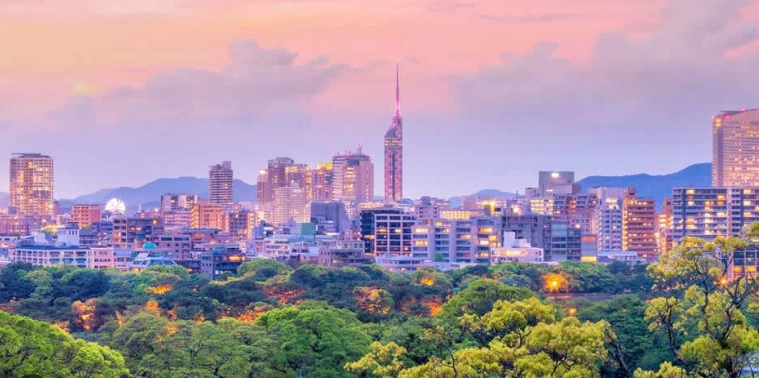
A Personal Aside: I visited in late October once, and it was magical. The air was clear, I needed just a light sweater in the evening, and the food was incredible. But I also went in early August for the Yamakasa festival. The energy was electric – men racing through the streets with giant floats at 5 AM – but the humidity was like a wet blanket. I was drinking water constantly. Both were amazing, but for completely different reasons. Which leads us to...
The Strong Contenders: When Most People Say It's Best
If we're talking consensus, two seasons win the popular vote for the title of "which month is best to visit Fukuoka." Let's dig deeper into why.
Spring (Late March - April): The Cherry Blossom Gamble
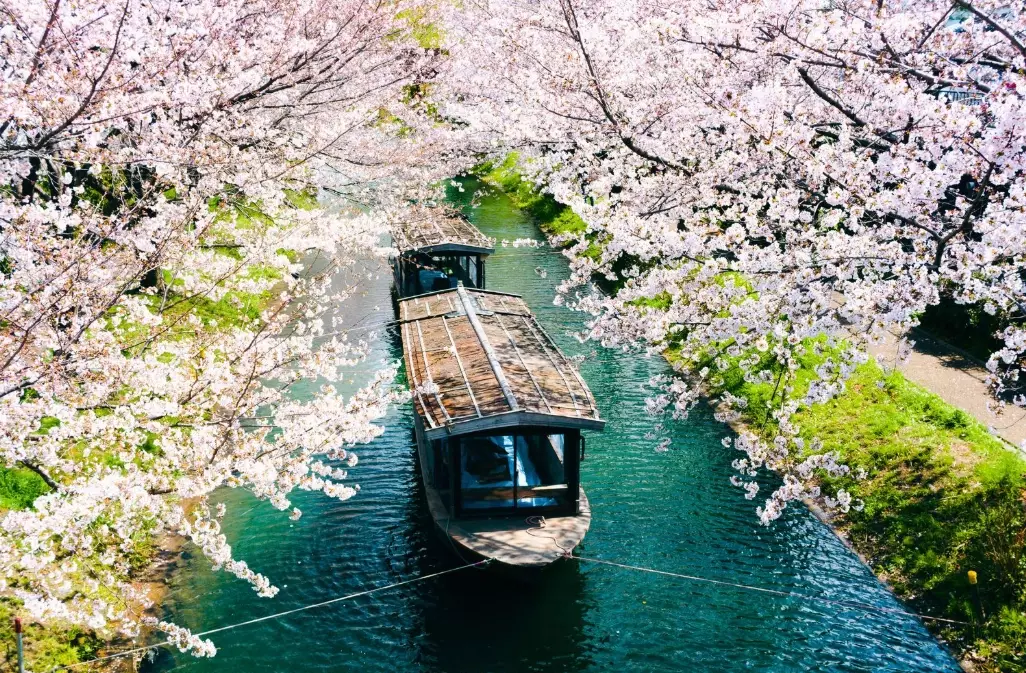
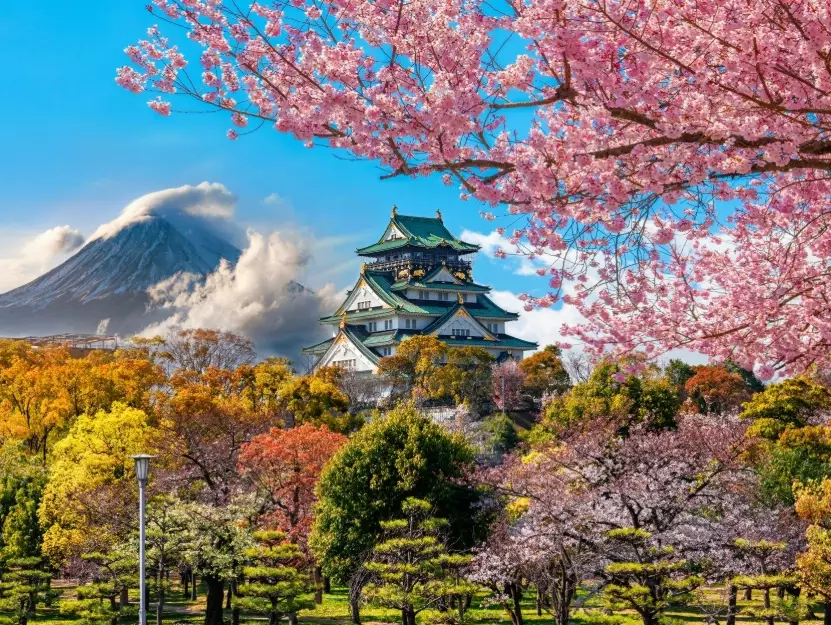
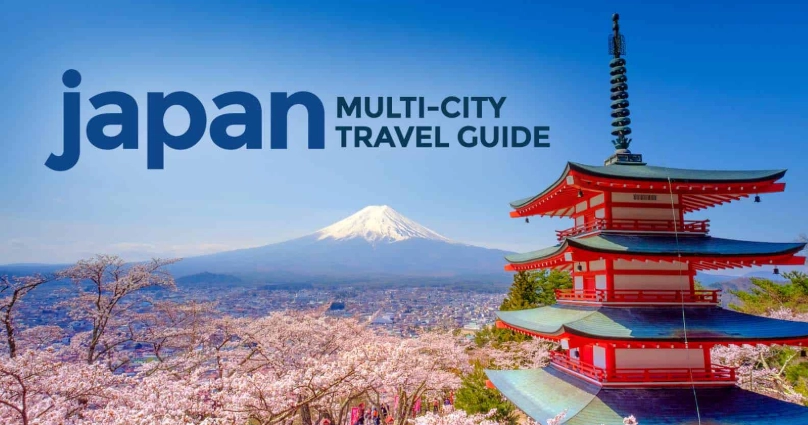
This is the postcard version of Japan. Fukuoka's cherry blossoms usually hit full bloom (mankai) in early April. Places like Maizuru Park, Atago Shrine, and the ruins of Fukuoka Castle transform into pink wonderlands. The atmosphere is joyful, with groups having hanami (flower-viewing) parties under the trees.
Pro Tip: Don't just chase the main spots. The canal along the Naka River in the Hakata area is a stunning, slightly less crowded place for a sakura stroll. The Fukuoka City official website usually has a dedicated blossom forecast page as the season approaches.
But here's the catch. It's a gamble. Blossoms can be early or late by a week or more. And when they hit, the city is packed. I mean, packed. Hotels double their rates, restaurants are full, and you need reservations for everything. If you hate crowds, this might be your personal worst time, not the best.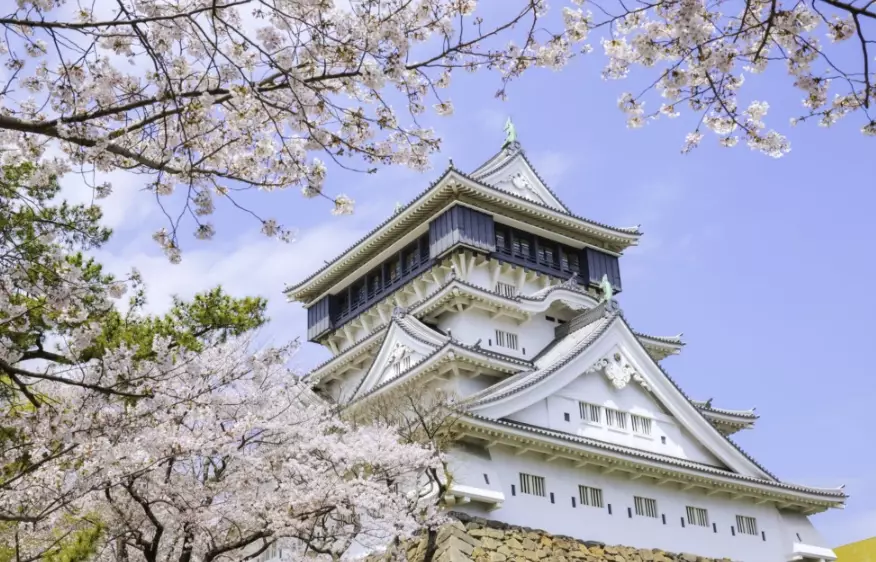
Autumn (October - November): The Reliable Favorite
Many seasoned Japan travelers, myself included, lean towards autumn. October offers near-perfect weather – sunny, dry, and pleasantly warm. November brings stunning koyo (autumn leaves), turning spots like Yusentei Park and the botanical garden into fiery palettes of red and gold.
The food is a huge plus. Autumn is the season for sanma (Pacific saury), matsutake mushrooms, and the new rice harvest. A bowl of ramen just tastes better when there's a chill in the evening air. The crowds are significant, especially in November, but it often feels less frenetic than the sakura rush.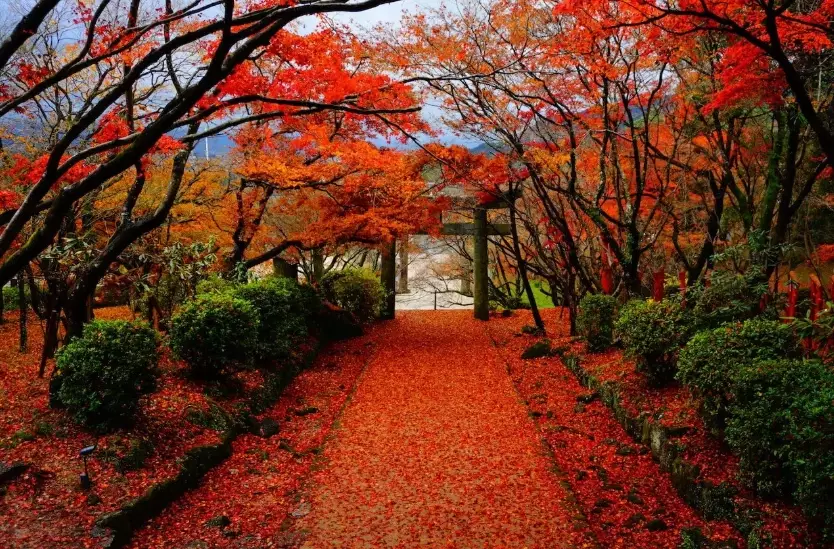
Watch Out: Autumn is no longer a secret. It's become extremely popular. While the weather is more stable than spring, you still need to book accommodation well in advance, especially for October.
The Underrated Gems: When You Might Find YOUR Best Time
If you're willing to step off the beaten path, these periods offer unique advantages that could make them the best for you.
Winter (January - February): For the Budget-Conscious Explorer
Let's be honest: Fukuoka's winter is mild compared to Tokyo or Kyoto, but it's still chilly and often overcast. So why go? The prices. Flight and hotel deals can be fantastic after the New Year's rush subsides. The crowds are thin. You can have Canal City Hakata or the Fukuoka Asian Art Museum almost to yourself.
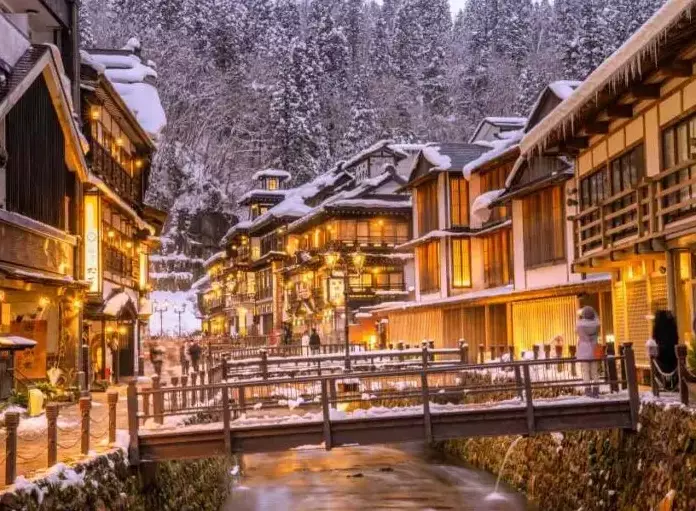
And winter is onsen season. There's nothing better than soaking in a hot spring bath on a cold day. Day trips to nearby onsen towns like Yanagawa or Itoshima are perfect. The city's famous yatai (open-air food stalls) feel extra cozy in the winter, steaming with bowls of ramen and oden.
The downside? Shorter daylight hours. Some gardens look a bit bare. But if your goal is urban exploration, food, and culture without breaking the bank, winter is a serious contender. It forces you to slow down and experience the city's cozy side.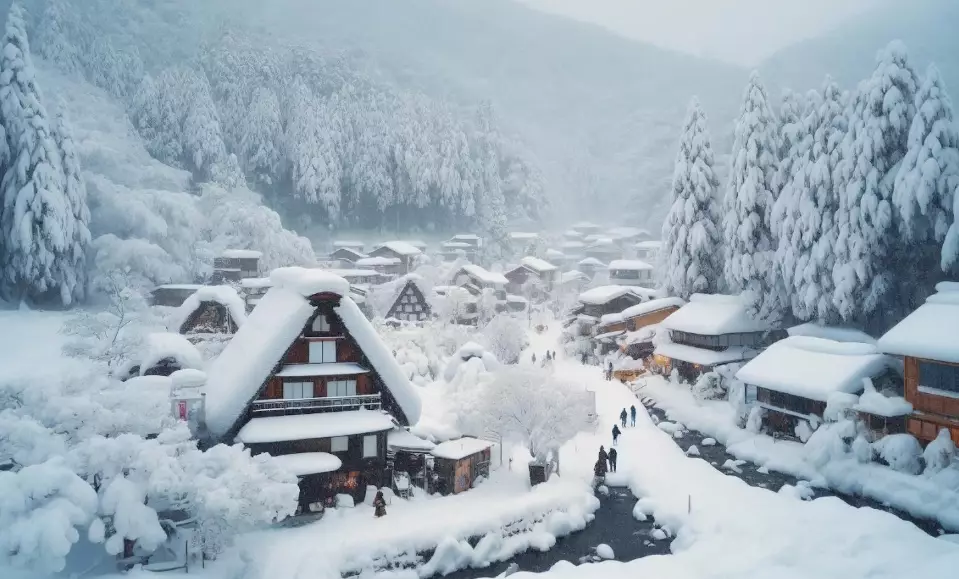
The Shoulder Months: May & September
These are the swing months, and they're interesting.
May (after Golden Week): If you can navigate around the nightmare of Golden Week (a series of national holidays where the entire country travels – just don't), early-to-mid May is lovely. The weather is warm, everything is lush and green, and the Hakata Dontaku Festival on the 3rd and 4th is one of Japan's largest. It's vibrant, chaotic, and full of energy.
September: This is the wildcard. It's still warm, but the oppressive summer heat breaks. The tourist numbers drop. The big risk is typhoons. They can disrupt travel plans for a day or two. But if you get a clear week, you have pleasant weather, lower prices, and fewer people. It's a calculated risk that can pay off beautifully.
Sometimes, the best time is when everyone else isn't there.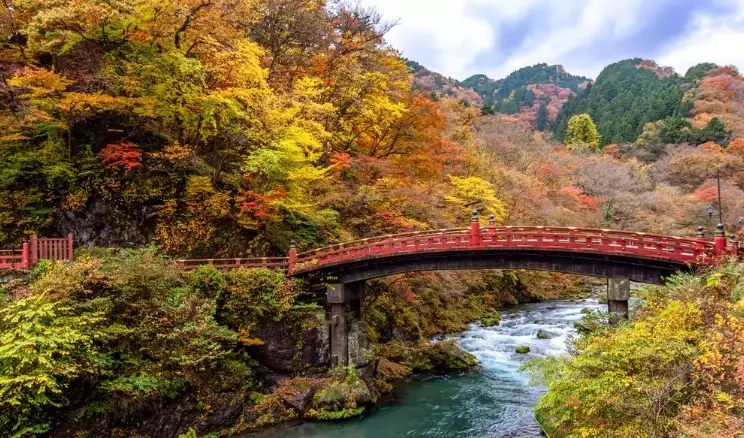
Answering Your Burning Questions (The FAQ You Actually Need)
Is the rainy season (June) a complete write-off?
Not at all. The tsuyu (rainy season) in Fukuoka typically runs from mid-June to mid-July. It doesn't rain all day, every day. It's more like periods of heavy rain, followed by drizzle or even breaks of sun. The humidity is high. The upside? The countryside is unbelievably green and lush. Hydrangea (ajisai) bloom spectacularly. And you'll find amazing travel deals and no crowds. Pack a good umbrella and waterproof shoes, plan indoor activities for the wetter periods, and you can have a great, unique trip.
How bad is the summer heat REALLY?
It's intense. July and August are hot (high 20s to low 30s °C / 80s-90s °F) and extremely humid. Walking around sightseeing from noon to 3 PM can be exhausting. The strategy is to adopt the local rhythm: start early, take a break indoors during the peak heat, and go out again in the late afternoon and evening. This is when the city comes alive with festivals anyway. Drink lots of water, use cooling towels, and seek air conditioning. If you have health concerns about heat, summer might be your worst choice.
When is the cheapest time to fly and stay?
Hands down, January (after the 4th), February, and June (rainy season) offer the lowest flight and accommodation prices. You can sometimes find deals in late September and early December too. Use flight comparison tools and set alerts. For lodging, business hotels in Hakata station area are a good value year-round.
We're traveling with young kids. Which month is best?
I'd lean towards October. The weather is stable and mild – not too hot, not too cold – which makes exploring with little ones much easier. The risk of typhoons is lower than in September. Spring is also good, but the crowds can be overwhelming for small children. Avoid the peak heat of August.
I'm a foodie. Does the month matter for food?
Yes and no. Fukuoka's signature dishes – tonkotsu ramen, mentaiko, motsunabe – are available year-round. But seasons bring specialties. Winter is for fugu (blowfish) and oysters. Spring brings takenoko (bamboo shoots) and strawberries. Summer has unagi (eel) and cold noodles. Autumn is king for sanma (saury), matsutake, and fresh seafood. So if you have a specific culinary desire, time your trip accordingly. The Japan National Tourism Organization website has great seasonal food guides.
The Final Verdict: So, Which Month IS Best to Visit Fukuoka?
After all that, if you put a gun to my head and forced me to pick one...
For a first-time visitor wanting the classic, all-around great experience: Mid to late October. You get fantastic weather, amazing food, beautiful early autumn scenery, and manageable crowds (though book ahead). It's the most reliable sweet spot.
For the adventurous traveler on a budget who doesn't mind a bit of rain: Late June. You'll experience a side of Japan most tourists skip, save a lot of money, and see the landscapes at their most vibrant.
For the festival junkie who feeds off energy and can handle heat: Early July for Gion Yamakasa. It's a profound, unique cultural experience you'll never forget.
The Real Answer: The best month is the one that aligns with what you value most: perfect weather, low cost, cultural immersion, or photographic beauty. Use this guide to match a season to your personal checklist. There is no wrong time to visit Fukuoka, only a wrong time for your specific expectations.
Look, Fukuoka is a fantastic city. Whether you're slurping ramen at a yatai under cherry blossoms, sweating through a summer festival, or browsing modern art on a crisp autumn day, you're going to have a memorable trip. The question of "which month is best to visit Fukuoka" is really about framing your own perfect adventure. Now you have all the information to decide.
Go book that flight. And try the karashi mentaiko – you can thank me later.
Comments