Quick Navigation
- The Heart of the Matter: What Makes Kanazawa Unique?
- Breaking It Down: The Pros and Cons
- Top 5 Must-Visit Spots in Kanazawa (And How to Enjoy Them)
- Practicalities: How to Do Kanazawa Right
- Who Should Go (And Who Might Want to Skip It)
- Common Questions (Stuff You're Actually Wondering)
- The Final Verdict: So, Is Kanazawa Worth Visiting?
So you're looking at a map of Japan, wondering where to go beyond Tokyo and Kyoto. Maybe you've heard whispers about a place called Kanazawa. It pops up in travel forums, sometimes called "Little Kyoto," but you're not sure. Is it just a copycat, or does it have its own magic? More importantly, is it worth visiting Kanazawa for you, with your limited vacation days and travel budget? I had the same questions. I've been to Japan a few times, and on my last trip, I decided to skip the well-trodden path for a few days and find out for myself.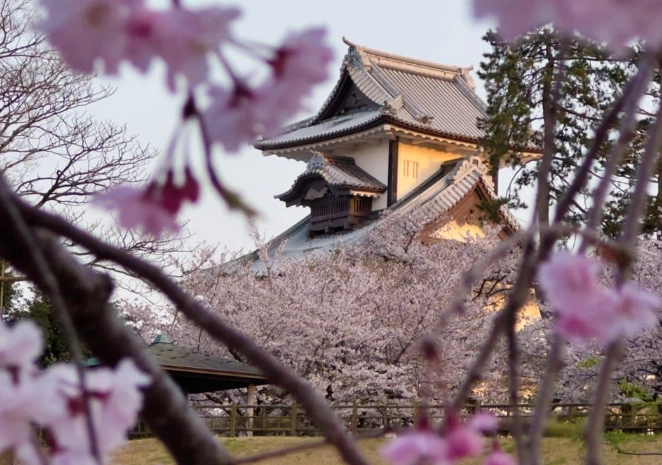
Let's cut to the chase. If you're asking "Is Kanazawa worth it?", the short answer is a resounding yes, but with some very important caveats. It's not for every type of traveler, and if you go with the wrong expectations, you might leave disappointed. This isn't a glossy brochure. It's a real, practical look at what makes Kanazawa special, what's overhyped, and how to decide if it's the right fit for your trip. We'll dig into the culture, the food, the practicalities, and yes, the downsides too.
The Heart of the Matter: What Makes Kanazawa Unique?
Kanazawa wasn't flattened during World War II. That single historical fact is why it exists as it does today. While many cities rebuilt with concrete, Kanazawa retained its Edo-period (1603-1868) districts, its traditional arts, and a pace of life that feels connected to the past. It was the seat of the wealthy Maeda clan, who poured resources into culture rather than war, fostering arts like gold leaf production (Kanazawa produces over 99% of Japan's domestic gold leaf), Kutani porcelain, and Kaga silk.
This isn't a theme park. It's a living city.
So, is it worth visiting Kanazawa for history buffs? Absolutely. But its appeal is broader. It offers a concentrated dose of traditional Japan without the frantic crowds of Kyoto's most famous spots (though it can get busy, more on that later). You can walk from a samurai residence to a modern art museum in under twenty minutes. The city is compact, incredibly clean, and easy to navigate.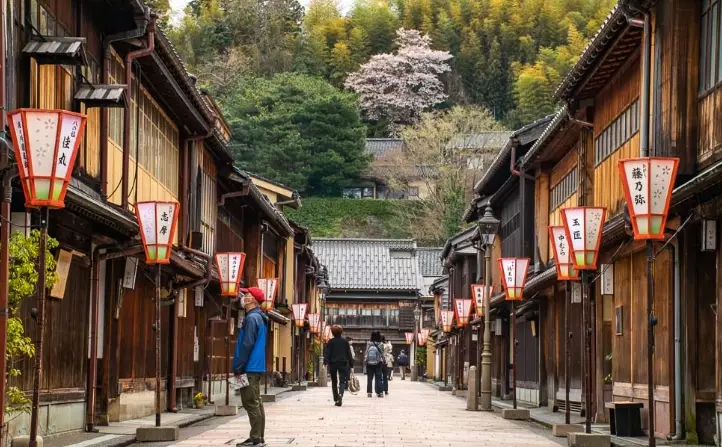
The Core Argument For Kanazawa
Think of Kanazawa as the "quality over quantity" choice. You won't find a hundred temples. You'll find a handful of exceptionally preserved cultural sites, world-class contemporary art, and arguably the best fresh seafood market in Japan. The experience is deeper, more relaxed, and often more authentic than battling the crowds at Kinkaku-ji.
Breaking It Down: The Pros and Cons
Let's be brutally honest. No place is perfect. To truly answer "Is it worth visiting Kanazawa?", you need to see both sides. I've put together a table based on my experience and what most travelers talk about.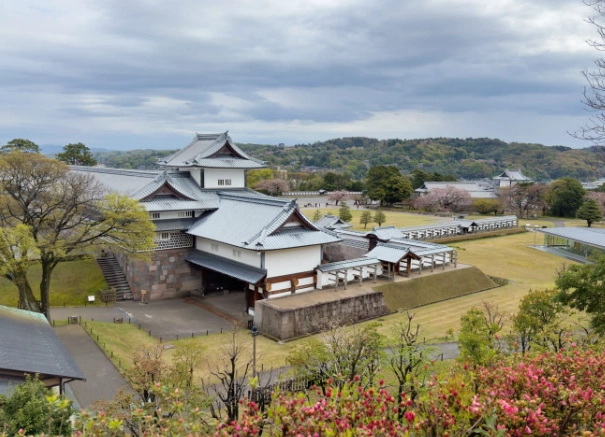
| The Good (The Major Draws) | The Not-So-Good (Things to Consider) |
|---|---|
| Kenrokuen Garden: Legitimately one of Japan's top three gardens. It's stunning in every season, especially winter with the yukitsuri (snow ropes on trees). | Weather: It's on the Sea of Japan coast. Winters are snowy and gray. Summers are hot and humid. Spring and autumn are ideal, but that's true for most of Japan. |
| Preserved Historical Districts: The geisha districts of Higashi Chaya and Kazuemachi are the real deal, not reconstructions. Naga-machi's samurai houses are fascinating. | It's Not Kyoto: If you're expecting the sheer scale and density of temples/shrines of Kyoto, you'll be disappointed. The vibe is more intimate and low-key. |
| Omicho Market: A working fish market first, tourist spot second. The seafood is unbelievably fresh and affordable. The vibe is chaotic in the best way. | Can Feel Sleepy: Nightlife is very subdued. Most things close early. If you want buzzing izakaya streets until 2 AM, you might feel a bit restless. |
| 21st Century Museum of Contemporary Art: A brilliant, accessible museum that's become a symbol of the city's modern side. The swimming pool installation is iconic. | Getting Around: While the bus loop is efficient, you are reliant on it or taxis to connect the main districts. It's not as walkable as a single-center city. |
| Food Scene: Beyond sushi, you have Kaga cuisine (local haute cuisine), gold leaf ice cream, and fantastic sake from Ishikawa Prefecture. | Popularity: It's no longer a secret. During peak seasons (cherry blossoms, autumn leaves), the main sites and buses can be very crowded. |
| Day Trip Potential: Excellent base for Shirakawa-go (the thatched-roof village) or the Noto Peninsula. | Limited Time? If you only have 5-7 days in Japan total, adding Kanazawa might feel rushed. It's better for longer itineraries. |
Looking at that table, the question "is Kanazawa worth visiting" starts to take shape. It depends heavily on what you value. Do you crave deep cultural immersion over ticking off famous landmarks? Are you okay with a quieter evening in exchange for a less hectic daytime experience? If yes, the scales tip heavily in Kanazawa's favor.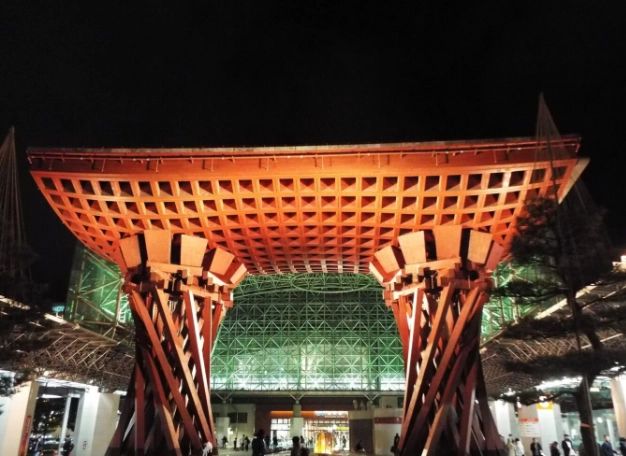
A Personal Gripe: The bus system, while good, can get confusing with different day passes and routes. I watched more than a few tourists get flustered. And some of the smaller cafes in the old districts have very limited seating and can feel a bit... precious. Service was sometimes slower than in Tokyo, which is either charmingly relaxed or frustrating, depending on your mood that day.
Top 5 Must-Visit Spots in Kanazawa (And How to Enjoy Them)
The Unmissable Core
If you go, these are the places that truly answer "yes" to the question of is Kanazawa worth it. Don't just tick them off; experience them.
1. Kenrokuen Garden
This is the crown jewel. The name means "Garden of the Six Sublimities" (spaciousness, seclusion, artifice, antiquity, water courses, and panoramas). It's not just a pretty park; it's a philosophical landscape. Go early. I mean, right when it opens. You'll have the morning light, the mist (sometimes), and relative peace before the tour buses arrive. Spend at least two hours. Walk every path. Sit by the Kasumiga-ike pond. In winter, the yukitsuri (rope structures protecting the pine trees from snow) are an engineering and artistic marvel. The adjacent Kanazawa Castle Park is worth a stroll for context, but the garden is the star.
2. Omicho Market
Forget expensive sushi dinners in Tokyo. Come here for lunch. It's a labyrinth of over 200 stalls. The energy is incredible. You'll see fish you've never imagined. My strategy? Walk a full loop first, dodging the carts and local shoppers. Then, pick a sushi counter that's busy with locals (a good sign). I had a 12-piece nigiri set for less than 2500 yen that rivaled any meal I've had. Don't just eat sushi—try grilled scallops on a stick, fresh fruit, or even a giant crab leg if you're feeling fancy. It's messy, loud, and utterly wonderful.
3. Higashi Chaya District
This is the largest and most famous of the geisha (they're called geiko here) entertainment districts. The lattice-fronted wooden teahouses are incredibly photogenic. But please, don't just take a photo and leave. Wander the backstreets. Pop into a gold leaf specialty shop—you can even try applying fragile gold leaf yourself on small items. Visit the Shima Geisha House, which is now a museum showing the rooms where geiko entertained. It's small but gives a real sense of the intimate, artistic world behind the facades. In the evening, if you're lucky and plan ahead (and have a fat wallet), you might hear the sound of shamisen from behind closed doors.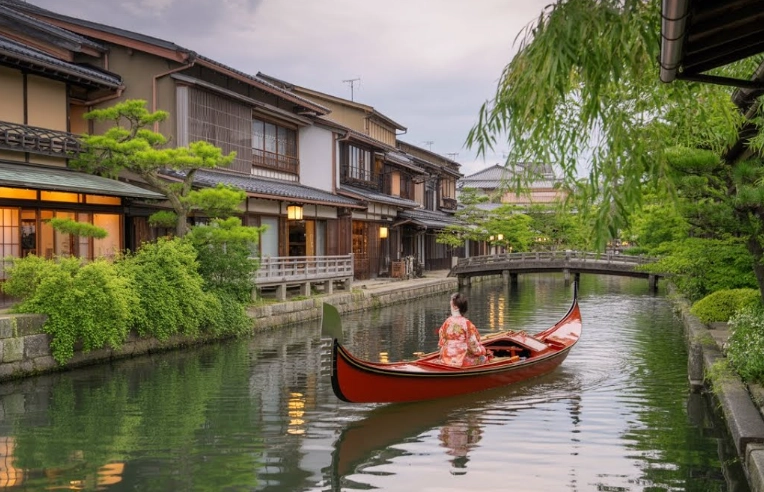
4. 21st Century Museum of Contemporary Art
This circular, glass-walled museum feels like a spaceship landed in a traditional city. It's brilliant. The collection is international and thought-provoking. But the real star is Leandro Erlich's "Swimming Pool." You walk underneath what looks like a pool of water, looking up at people standing around the edge. It's a simple illusion that creates pure joy. I saw kids and adults alike laughing in delight. The museum grounds are free to enter, and you can experience several outdoor installations without a ticket. It perfectly symbolizes Kanazawa's blend of old and new.
5. Nagamachi Samurai District
This is where mid-ranking samurai and their families lived. The narrow, winding lanes with earthen walls are designed for defense and privacy. The Nomura-ke Samurai House is the highlight. You pay a small fee to enter a beautifully restored home with a stunning miniature garden, samurai armor, and artifacts. Sitting in the tatami room overlooking the tiny, perfect garden, you can almost feel the silence and discipline of a samurai's life. It's a stark contrast to the opulence of the Maeda lords at the castle or the playful world of the chaya districts.
So, is it worth visiting Kanazawa based on these five spots? I think they make a compelling case. You get landscape art, culinary chaos, preserved entertainment culture, modern creativity, and martial history—all in one manageable city.
Practicalities: How to Do Kanazawa Right
Alright, let's say you're leaning towards a visit. How do you make it work? Bad logistics can ruin any trip.
Getting There and Around
The Hakutaka or Kagayaki Shinkansen from Tokyo takes about 2.5 to 3 hours. It's not cheap (around 14,000 yen one-way), but it's efficient. The Japan Rail Pass covers the Hokuriku Shinkansen route. From Osaka/Kyoto, the Thunderbird limited express takes about 2.5 hours.
Once there, get the Kanazawa Loop Bus (Right Loop & Left Loop) or the Kenrokuen Shuttle day pass. It's a flat fee (around 600 yen per day) for unlimited rides on the tourist routes that connect all the major spots. Taxis are also a viable option for short hops between districts if you're in a group of 3-4.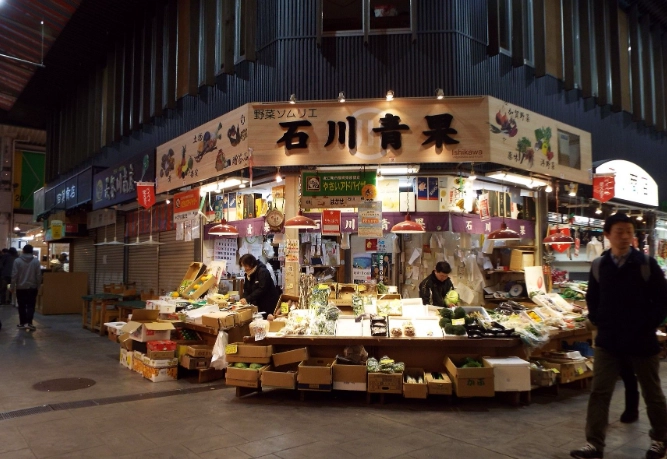
How Many Days in Kanazawa?
This is critical for deciding if it's worth it.
- One Day: A brutal rush. You could hit Kenrokuen, Omicho for lunch, and one district (probably Higashi Chaya). You'll see highlights but feel stressed. Only do this if it's a forced stop on a rail pass itinerary.
- Two Full Days: The sweet spot for most. Day 1: Kenrokuen & Castle Park in AM, Omicho lunch, Nagamachi in PM. Day 2: Higashi Chaya District in AM (maybe with a gold leaf workshop), 21st Century Museum in PM. Relaxed pace, time to get lost.
- Three Days or More: Ideal. You can add the other chaya districts (Kazuemachi is quieter), more museums (the D.T. Suzuki Museum for philosophy, the Prefectural Museum of Art), a deep dive into Kaga cuisine, or a day trip to Shirakawa-go (book bus tickets in advance!). This is when you truly absorb the city's rhythm.
Where to Stay
Stay near the station or near Kenrokuen/Korinbo. The station area is super modern, with great hotel options (there's even a nice Mystays Premier) and easy transport access. The Korinbo area is more central to shopping and dining. For a unique (but pricier) experience, consider a traditional ryokan in one of the quieter areas. I stayed in a business hotel near the station and found it perfect for using the bus loop as my hub.
Who Should Go (And Who Might Want to Skip It)
Let's get personal. Is Kanazawa worth visiting for YOU?
GO if you: Love gardens and traditional architecture, are a foodie (especially for seafood), enjoy museums and hands-on crafts, want a more relaxed pace than Tokyo/Kyoto/Osaka, are on a second or third trip to Japan, are interested in samurai/geisha history, or are using the JR Pass to explore the Hokuriku region.
RECONSIDER or give it less time if you: Are on a very tight budget (Shinkansen costs add up), have limited time (less than 7 days total in Japan), crave vibrant nightlife, get easily frustrated by bus-based transport, or are a first-time visitor who really just wants to see Tokyo, Kyoto, and maybe Hiroshima.
Common Questions (Stuff You're Actually Wondering)
Let me guess what's bouncing around in your head.
The Final Verdict: So, Is Kanazawa Worth Visiting?
After all this, my final take.
Kanazawa is absolutely worth visiting if you approach it as a primary destination, not a rushed afterthought. It's worth it for the profound beauty of Kenrokuen, the visceral thrill of Omicho Market, and the unique feeling of walking through history in the chaya and samurai districts. It offers a different, more refined side of Japan.
But you have to meet it halfway.
You need to give it time—at least two full days. You need to be okay with a quieter, more contemplative travel experience. You need to be interested in the details: the craft of a gold leaf application, the design of a dry rock garden, the story behind a samurai's gate.
If your dream Japan trip is all about neon lights, robot restaurants, and hitting 15 temples in three days, then Kanazawa might feel slow. But if you want a place where you can breathe, immerse yourself, and connect with both traditional and contemporary Japanese culture in a profoundly genuine way, then yes. A thousand times yes.
Is it worth visiting Kanazawa? For the curious traveler, the answer is clear. It's a resounding, unforgettable yes. Just go. Take the Shinkansen, get the bus pass, eat the sushi, and lose yourself in its quiet, golden-aligned magic.


Comments