Guide at a Glance
- Why Bother with Tochigi? What's Actually Here?
- The Top Tier: Experiences You Can't Miss in Tochigi-ken
- When to Go: Season by Season in Tochigi
- Getting Around Tochigi-ken: Trains, Buses, and the Rental Car Question
- Beyond the Big Three: Hidden Gems and Day Trip Ideas
- Practical Stuff: The Nitty-Gritty You Need to Know
Let's be real. When most people think of Tochigi-ken, their mind jumps straight to Nikko. And sure, the Toshogu Shrine is breathtaking. But if that's all you see, you're missing about 90% of what makes this place special. I've spent a good chunk of time wandering around Tochigi Prefecture, getting lost in its mountains, soaking in its onsens, and, let's be honest, eating way too many gyoza in Utsunomiya.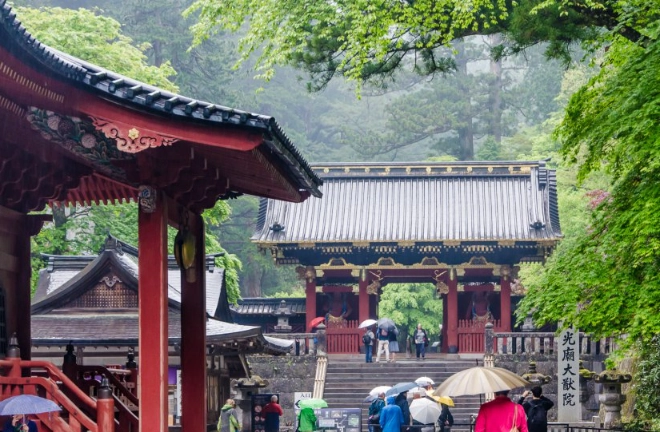
It's the kind of place that grows on you. It's not the flashy, neon-drenched Tokyo experience. It's quieter, greener, and in my opinion, offers a much deeper taste of what Japan is like outside the mega-cities.
So what is Tochigi-ken? It's a landlocked prefecture north of Tokyo, cradled by mountains. Think of it as Japan's pantry and playground – famous for strawberries, dairy, stunning autumn leaves, and some of the country's most significant history. But it's also a place of contradictions, where UNESCO World Heritage sites sit a short drive from kitschy 1980s resort towns.
This guide isn't just a list of attractions. It's a practical, opinionated look at how to actually enjoy Tochigi. We'll cover the must-sees, the overrated spots you can skip if you're short on time, the logistics that trip people up, and those hidden corners that most tour buses whiz right past.
Why Bother with Tochigi? What's Actually Here?
Good question. Why choose Tochigi over Hakone, or Kamakura, or the Japanese Alps? For me, it comes down to three things: density of world-class sights, manageable crowds (outside of peak autumn, anyway), and sheer variety.
You can stand in awe of a gilded, 400-year-old shrine in the morning, hike past waterfalls in a national park in the afternoon, and then be soaking in a riverside hot spring by evening. Try doing that in a single day anywhere else near Tokyo. It's tough.
Tochigi-ken is also a major transport hub for northern Japan, which a lot of people overlook. Utsunomiya Station is a key Shinkansen stop. So even if you're just passing through on your way to Sendai or further north, it's worth planning a one or two-night stopover. Your journey will be richer for it.
The Top Tier: Experiences You Can't Miss in Tochigi-ken
Let's break down the absolute essentials. If you only have a weekend, this is where you should focus your energy.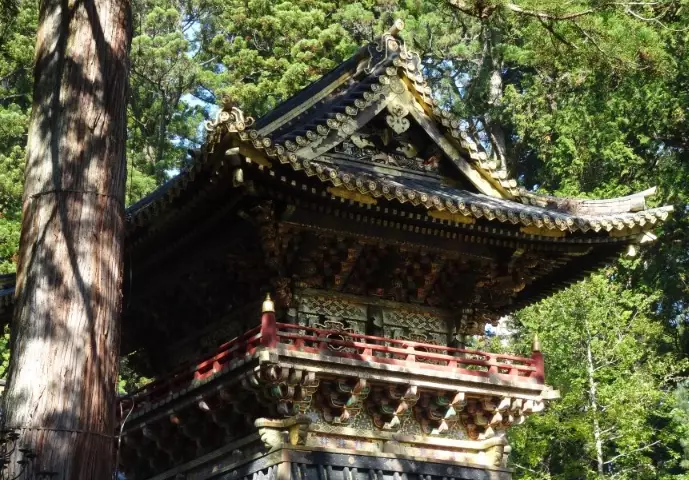
Nikko's UNESCO Heart: Toshogu and Beyond
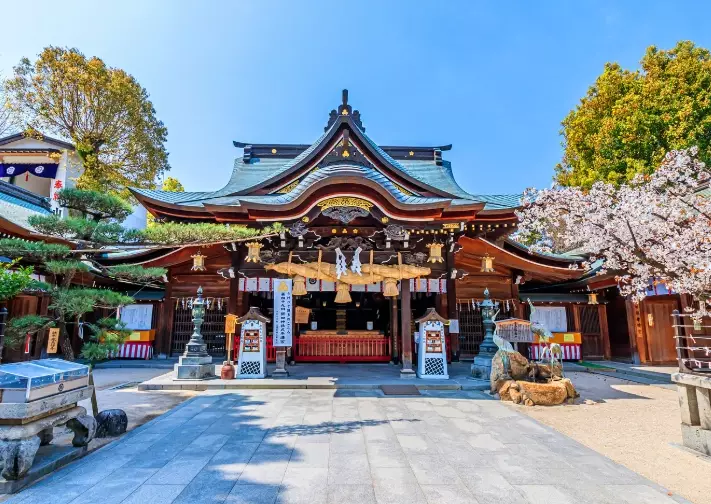
The Nikko Toshogu Shrine is the star. It's the lavishly decorated final resting place of Tokugawa Ieyasu, the founder of the Tokugawa shogunate. The famous "see no evil, hear no evil, speak no evil" monkeys are here, carved into a stable wall of all places.
But here's my take: it can feel like a tourist factory. The main path gets packed. My advice? Go as early as humanly possible. Be at the gate when it opens. Enjoy the serenity for the first hour before the crowds descend. And don't just do Toshogu and leave.
The surrounding area, part of Nikko National Park, is the real treasure. A short walk away is the stunningly beautiful Kegon Falls, one of Japan's three most beautiful waterfalls. Then there's Lake Chuzenji, a serene crater lake high in the mountains. The road up to the lake, the Irohazaka Winding Road, is an attraction itself, especially in autumn.
For official details on opening hours and fees, the Nikko Toshogu Official Website is your best bet. Always check for maintenance closures.
The Onsen Towns: Kinugawa & Kawaji
These twin towns along the Kinugawa River are pure relaxation. Kinugawa is the bigger, more developed one. It's got a slightly retro, resort-vibe with large hotels lining the river. Kawaji, just up the road, is quieter and feels more rustic.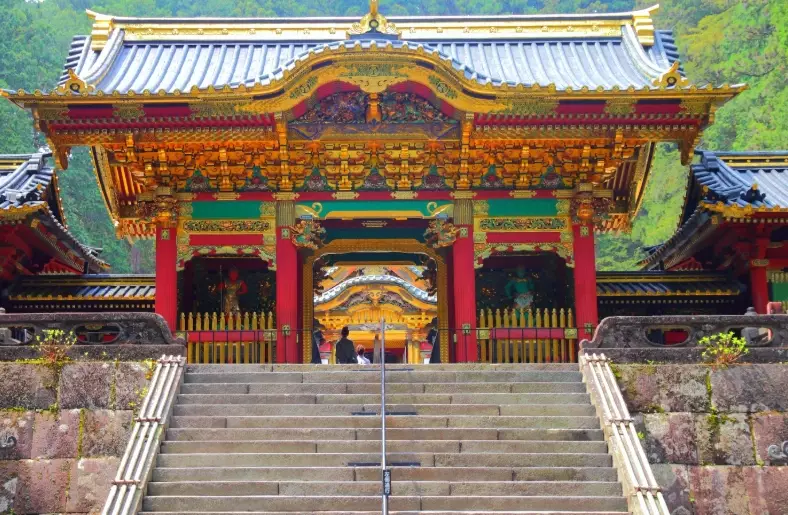
The water is alkaline and is said to be good for nerve and muscle pain. It's incredibly smooth on the skin. I stayed at a ryokan in Kawaji where the rotenburo (outdoor bath) overlooked the rushing river. Falling asleep to that sound after a long soak is a core memory for me.
But a word of warning. Some of the bigger hotels in Kinugawa feel a bit dated and can be packed with tour groups. Do your research. Look for smaller, family-run ryokans if you want a more authentic experience. And book dinner included – the kaiseki meals here are fantastic, often featuring local river fish and mountain vegetables.
Utsunomiya: The Gyoza Capital (Seriously)
Utsunomiya, the capital city of Tochigi-ken, has a cult-like dedication to gyoza (Japanese pan-fried dumplings). We're talking over 30 dedicated gyoza shops in the city center. The rivalry is real. Locals have fierce debates about which shop is best.
It's not just a gimmick. The gyoza here are genuinely different. They tend to have a thinner, crispier skin and a filling that's heavy on garlic and cabbage. The classic order is "suigyoza" (water-fried style) which creates a lacy, crispy skirt around the dumplings.
Beyond dumplings, Utsunomiya is a pleasant, walkable city. Check out Oya History Museum, carved into an underground quarry – it's eerily beautiful and a constant cool temperature, perfect for a hot day.
When to Go: Season by Season in Tochigi
This is crucial. Your experience in Tochigi-ken will be completely different depending on the month.
| Season | What's Good | What's Not So Good | My Personal Verdict |
|---|---|---|---|
| Spring (Apr-May) | Cherry blossoms in Utsunomiya Park, comfortable hiking weather, fresh greenery. | Can be rainy, Nikko is still chilly, not peak for any major festival. | A solid, underrated choice. Crowds are manageable and nature is waking up. |
| Summer (Jun-Aug) | Lush green mountains, escape Tokyo's heat at Lake Chuzenji, summer festivals. | Humid, rainy season in June/July, Nikko can get crowded on weekends. | Good for the highlands (Lake Chuzenji). The lowlands can be muggy. Pack rain gear. |
| Autumn (Oct-Nov) | PEAK season. Unbelievable autumn colors in Nikko. Perfect onsen weather. | Extremely crowded, especially weekends. Accommodation prices skyrocket. | Stunningly beautiful but stressful. Book everything months in advance. Seriously. |
| Winter (Dec-Mar) | Snowscapes in Nikko are magical. Skiing at nearby resorts. Great onsen season. | Very cold. Some hiking trails close. Shorter daylight hours. | My secret favorite for onsens. Quiet, atmospheric, and the contrast of steam and snow is perfect. |
See what I mean? There's no single "best" time. It's about what you want. Chasing autumn leaves? Be prepared for the crowds and prices. Want a peaceful, romantic onsen getaway? Winter is your friend.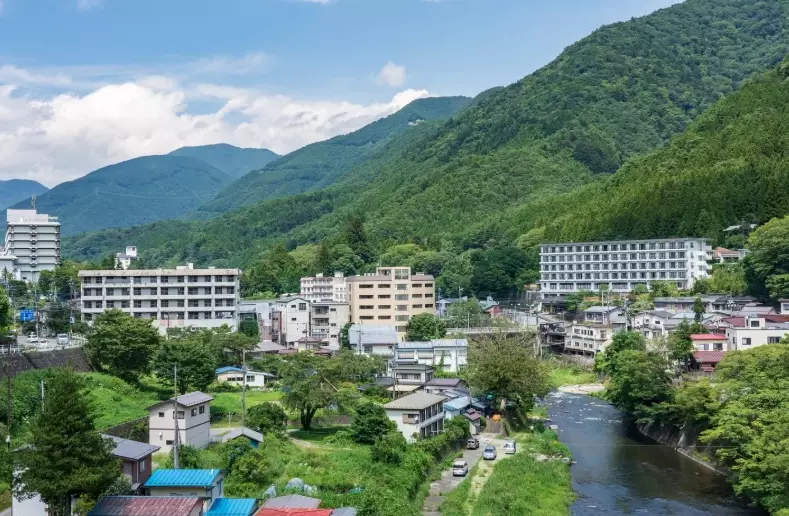
Honestly, I'd avoid Golden Week and late October/early November weekends unless you thrive in crowds.
Getting Around Tochigi-ken: Trains, Buses, and the Rental Car Question
This is the part that confuses most first-timers. The public transport system is good, but it has gaps.
By Train: The JR Nikko Line from Utsunomiya to Nikko is straightforward. The JR East website is essential for schedules. For the Kinugawa Onsen area, you'll need the private Tobu Railway line. Consider a Tobu Nikko Free Pass if your trip is focused on that area – it covers trains and local buses.
By Bus: Essential within Nikko National Park. The World Heritage Sightseeing Bus loop connects Toshogu, Lake Chuzenji, and Kegon Falls efficiently. Buy a day pass.
By Rental Car: This is the game-changer for exploring Tochigi-ken deeply. Public transport to places like the Ashikaga Flower Park or the many smaller pottery towns (like Mashiko) is slow and infrequent. With a car, you have freedom. You can visit a local strawberry farm for picking, stop at a roadside dairy for ice cream, and explore mountain roads at your own pace.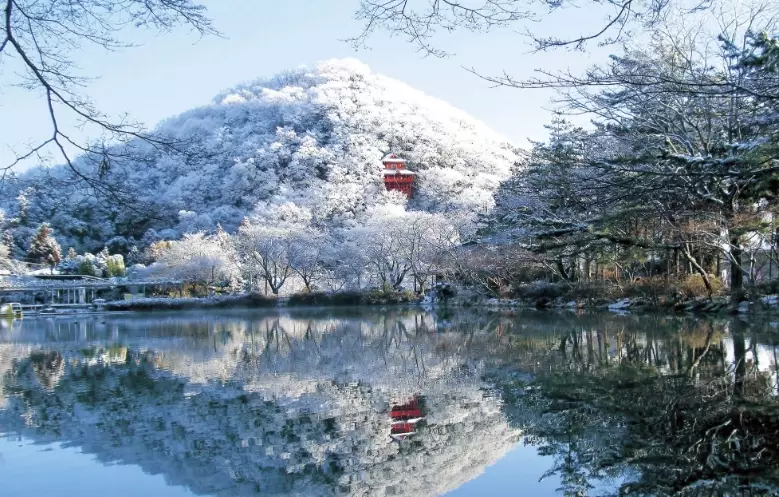
Beyond the Big Three: Hidden Gems and Day Trip Ideas
Okay, you've done Nikko, soaked in Kinugawa, and eaten your weight in gyoza. What next? Here's where you get to brag to other travelers about the cool stuff they missed.
- Ashikaga Flower Park: About an hour south of Utsunomiya. Famous for its breathtaking wisteria trellises in late April/May. The Great Wisteria Festival is like walking through a purple waterfall. It's insanely photogenic.
- Mashiko Town: A famous pottery town. The main street is lined with kilns and shops. You can even try a pottery-making workshop. It's a quiet, artistic contrast to the nature and history elsewhere.
- Nikko Edo Wonderland (Nikko Edomura): This one's divisive. It's a historical theme park recreating a Edo-period town with ninja shows, samurai dramas, and geisha performances. Is it cheesy? Absolutely. Is it fun, especially with kids? Also absolutely. Don't go expecting high-brow culture, go expecting a silly, entertaining day out.
- Nasu Highlands: A resort area popular with Tokyoites. It's known for its cooler summer climate, hiking, the Nasu Animal Kingdom, and… a surprising number of royal villas. It feels more like a Swiss alpine village than Japan in parts.
Practical Stuff: The Nitty-Gritty You Need to Know
Let's talk money, food, and those little details that make or break a trip.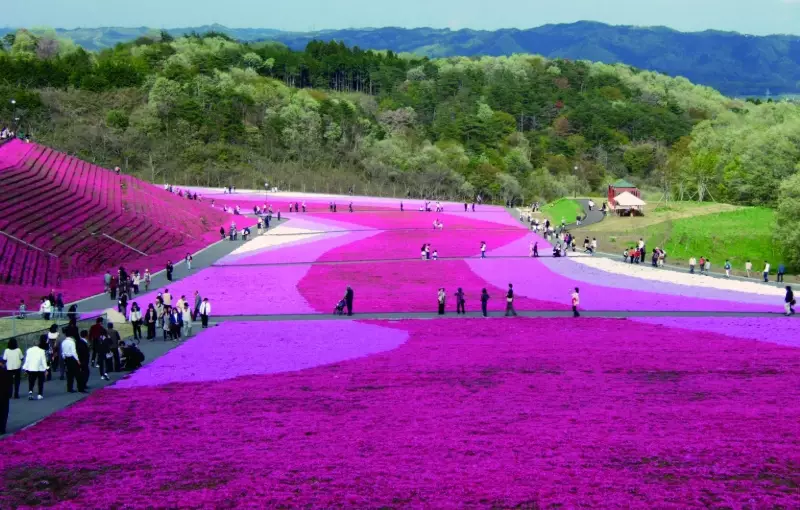
Budgeting: Tochigi can be as cheap or as expensive as you make it. A budget day might involve a train pass, temple entry fees (around 1000-1300 yen for Toshogu), and cheap eats like gyoza or soba. A splurge day is a night at a high-end ryokan with kaiseki dinner and breakfast (easily 30,000+ yen per person). Onsen day-use fees are a great middle ground – usually 500-1500 yen for access to amazing baths.
Food Beyond Gyoza: Tochigi is an agricultural powerhouse.
- Strawberries: Famous for being sweet and large. "Tochiotome" is the flagship variety. Winter/spring is picking season.
- Dairy: Great milk, yogurt, and ice cream. Look for local brands.
- Yuba:

Comments