Let's be honest. When you think of Japan, your mind probably jumps to Tokyo's neon, Kyoto's temples, or Osaka's food. Shikoku? It's that fourth island down there, often just a footnote. That's exactly why you should go. Shikoku Japan is Japan stripped back to its soul—a place of ancient pilgrimage routes, dramatic coastlines that feel undiscovered, and a food culture so fiercely local it'll ruin chain restaurants for you forever. It's not the easiest place to navigate, and that's the point. This isn't a packaged tour; it's an adventure. I've spent weeks there, getting lost on mountain roads, slurping udon in back-alley shops, and talking to pilgrims who've walked for months. This guide is everything I wish I'd known before my first trip.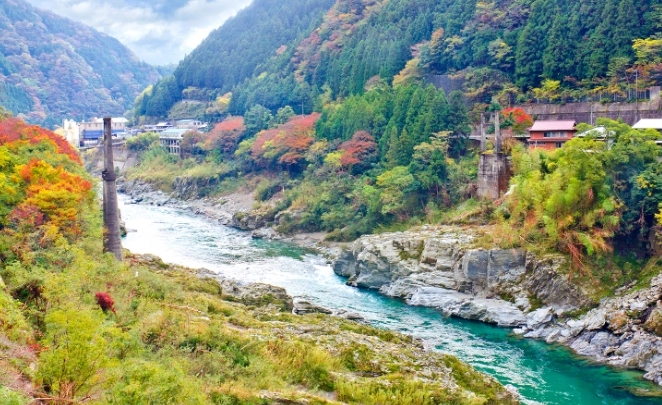
Your Shikoku Journey at a Glance
The Heart of Shikoku: The 88 Temple Pilgrimage
You can't talk about Shikoku without the 88 Temple Pilgrimage (Shikoku Henro). This 1,200-kilometer loop, dedicated to the Buddhist monk Kukai (Kobo Daishi), is the island's spiritual backbone. Most visitors aren't doing the full 60-day walk, and that's fine. The magic is in engaging with it on your own terms.
A common mistake first-timers make is trying to "check off" too many temples in a rush. The pilgrimage isn't about collecting stamps in your nokyocho book; it's about the rhythm of walking, the quiet moments at smaller temples, and the unexpected kindness (osettai) from locals. I once spent an hour at a tiny temple (number 42, Butsumoku-ji) just talking to the caretaker about his garden—no crowds, just peace. That stuck with me more than the famous ones.
Key Pilgrimage Temples for a Short Visit
If you have limited time, focus on these accessible and iconic temples to get the feel.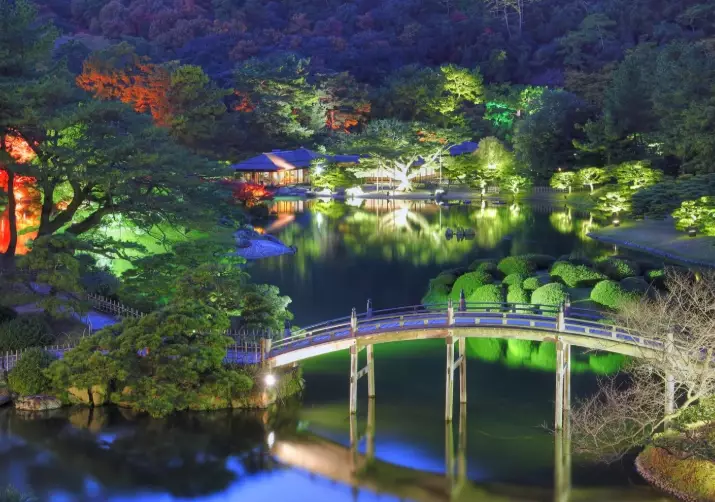
Pilgrim Tip: Rent the white pilgrim jacket (hakui) and hat. It's not a costume. Locals recognize it and will offer help, directions, and sometimes even snacks. It transforms your experience from tourist to participant.
| Temple & Number | Location (Prefecture) | Why Visit & Access | Note |
|---|---|---|---|
| Ryozen-ji (Temple 1) | Naruto, Tokushima | The official start. Get your pilgrim staff and book here. Easy train/bus access from Tokushima City. | Busy but atmospheric. Sets the tone. |
| Kotohira-gu (Not a temple, but crucial) | Kotohira, Kagawa | This massive Shinto shrine requires climbing 785 steps. It's intertwined with pilgrimage culture. Near temples 66-71. | Go early to beat the heat and crowds. The view is worth it. |
| Iyadani-ji (Temple 45) | Kami, Tokushima | Dramatically built into a cliffside cave. Feels ancient and powerful. Requires a short, steep climb. | Best accessed by car. The approach through the valley is stunning. |
| Ishite-ji (Temple 51) | Matsuyama, Ehime | One of the most impressive architecturally, with a unique three-story pagoda and cave tunnel. In the city, easy to visit. | Combine with Dogo Onsen. Often has many pilgrims. |
Shikoku's Natural Wonders: From Coast to Mountains
Forget the crowds at Miyajima. Shikoku's landscapes are raw and varied. The Pacific pounds the southern coast, while the Seto Inland Sea to the north is a serene mosaic of islands.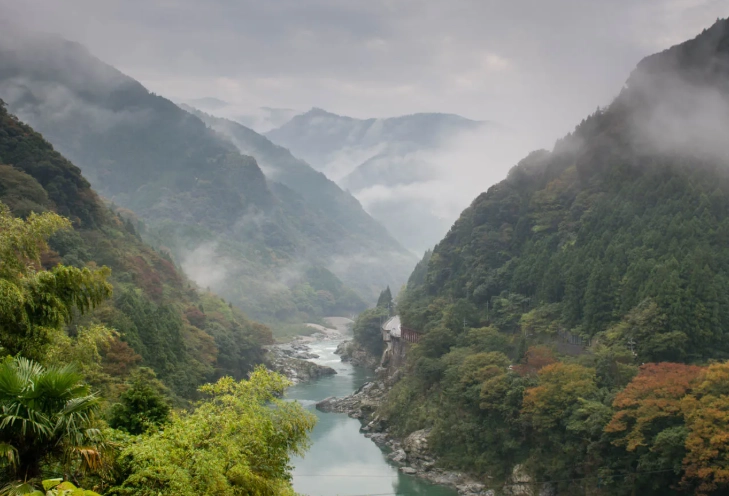
The Shimanami Kaido isn't just a cycling route (though it's one of the world's best). It's a 70-kilometer engineering marvel connecting Shikoku (Imabari, Ehime) to Honshu via a series of bridges and islands. You can drive it, but cycling even a section lets you feel the sea breeze. Rent a bike in Imabari or Onomichi (Honshu side). The official website has precise rental and route info.
The Naruto Whirlpools (Tokushima) are a genuine natural phenomenon. They're not always raging—check the tidal timetable before you go. The best view is from the Uzunomichi Walkway underneath the Naruto Bridge (access from the Naruto Park rest area). Cost is about 500 yen. Alternatively, take a sightseeing boat from the port. I found the walkway more than sufficient and less queasy.
Inland, Kochi Prefecture is wild. The Shimanto River, Japan's last major undammed river, is perfect for canoeing or driving along its scenic route. It's called "Japan's clear stream" for a reason. Stop at one of the iconic chinka (submersible bridges) for photos.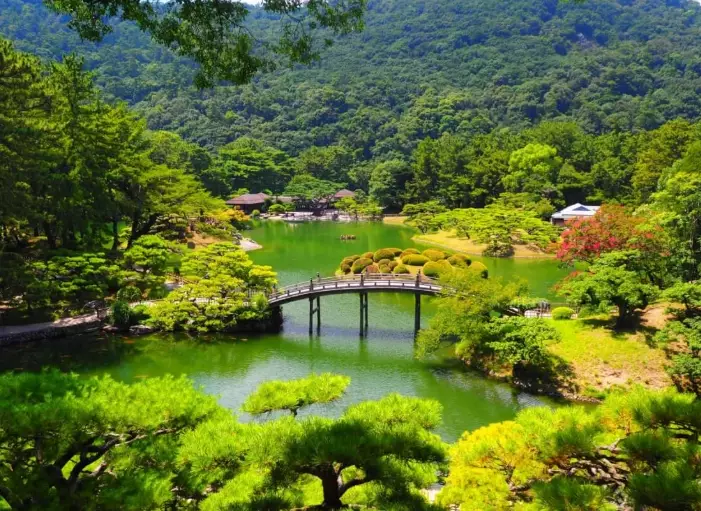
My Favorite Hidden Spot: Mount Tsurugi (Tsurugisan), Tokushima. The second highest peak in Shikoku. You can take a chairlift most of the way up, but the final ridge walk feels like you're in the Alps. The 360-degree view encompasses sea and mountain ranges. It's a world away from the pilgrimage trail below. The chairlift costs around 2,000 yen round trip and operates from late April to November, weather permitting.
How to Travel Around Shikoku?
This is the big question. Public transport exists, but it's designed for locals commuting between towns, not tourists hopping between remote sights.
Renting a car is king in Shikoku. I can't stress this enough. It unlocks everything: the remote temple, the valley viewpoint, the family-run udon shop with no bus service. Companies like Toyota Rent-a-Car have offices at all major stations and airports. An International Driving Permit is mandatory. Tolls on expressways (like the Shimanami Kaido) add up, but they save huge amounts of time.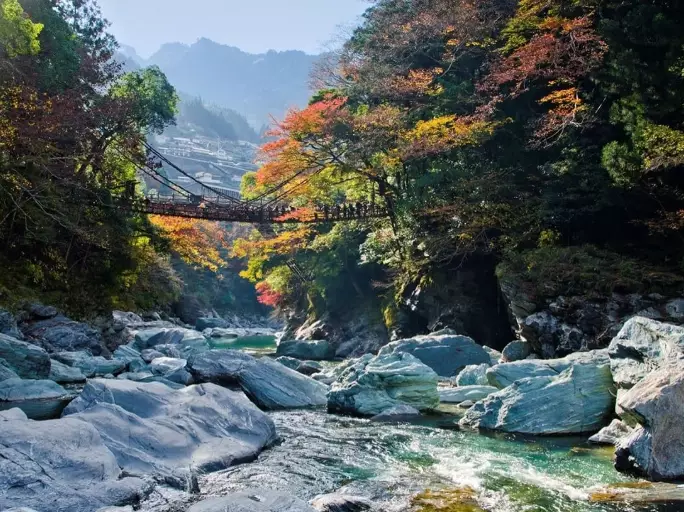
Trains are good on the north coast line connecting Takamatsu, Matsuyama, and Kochi. The south coast line is slower and less frequent. The Japan Rail Pass is valid, but you'll still need buses or a car for the good stuff.
Buses cover the gaps, especially for pilgrimage temples. Services like the "Yokoso Pilgrim Bus" run between temple clusters. Schedules are sparse—plan your day around them, not the other way around. Resources from the Shikoku Tourism Promotion Association are invaluable for bus planning.
What are the Must-Try Foods in Shikoku?
Each prefecture has a culinary identity it defends with pride. This isn't generic "Japanese food."
Kagawa = Sanuki Udon. The wheat fields here produce Japan's best udon—thick, chewy, with a perfect bite. Forget fancy broths; the classic is kake udon (in a simple dashi) or zaru udan (cold with dipping sauce). In Takamatsu, head to the Udon Prefecture (Udonken) area. Stand in line at a place like Matsuyama (not the city, the shop!)—it's worth it. A bowl costs 400-800 yen.
Tokushima = Awaodori Chicken & Sudachi. The local chicken breed is rich and flavorful, best as yakitori. Sudachi, a small green citrus, is squeezed over everything from noodles to grilled fish. Try Tokushima Ramen—a pork broth ramen with a raw egg cracked on top.
Ehime = Mikan and Sea Bream (Tai). You'll see mikan orchards everywhere. The fruit is unbelievably sweet. Ehime's sea bream, especially from the Seto Inland Sea, is a premium product. Try it as tai meshi (sea bream cooked with rice).
Kochi = Katsuo no Tataki. This is the showstopper. Bonito (skipjack tuna) is seared over straw until the outside is charred and the inside is raw, then sliced and served with garlic, ginger, and ponzu. The aroma is incredible. Go to Hirome Market in Kochi City—a bustling indoor market with dozens of stalls. Grab a plate of tataki, a beer, and join the locals at long tables. It's loud, chaotic, and fantastic.
Where to Stay in Shikoku: Ryokan, Hotels & Guesthouses
Accommodation ranges from business hotels in cities to family-run minshuku (guesthouses) in the countryside.
For a true Shikoku experience, stay at a ryokan or temple lodging (shukubo) at least once. Dogo Onsen Honkan in Matsuyama is the legendary public bathhouse, but staying in one of the nearby ryokans (like Funaya) gives you after-hours access to the baths and a multi-course kaiseki dinner. Expect to pay 25,000-40,000 yen per person with meals.
Pilgrim-focused shukubo are basic (futon on tatami, shared baths) but offer a unique chance to stay on temple grounds and join morning prayers. Temple 21 (Tairyu-ji) and Temple 60 (Yokomine-ji) are known for their hospitality. Book well ahead, often by phone or through pilgrimage associations.
In cities, standard business hotels (Toyoko Inn, Dormy Inn) near the station are reliable and affordable (6,000-10,000 yen/night). In Takamatsu, I liked the JR Clement Inn for its location and decent breakfast.
Crafting Your Perfect Shikoku Itinerary
Here’s how to structure your time, whether you have a long weekend or two weeks.
The 5-Day Shikoku Highlights Loop (by Car):
- Day 1: Arrive Takamatsu (via plane or bullet train to Okayama + short train). Pick up rental car. Hit Ritsurin Garden in the afternoon, eat udon for dinner.
- Day 2: Drive to Kotohira-gu (climb the steps). Continue across the Great Seto Bridge or ferry to Matsuyama. Soak in Dogo Onsen, stay at a ryokan.
- Day 3: Visit Matsuyama Castle and Ishite-ji (Temple 51). Drive south to Kochi via scenic mountain roads. Evening at Hirome Market.
- Day 4: Explore Kochi Castle, then drive east along the coast to Tokushima. Stop at the Naruto Whirlpools if tide timing works.
- Day 5: Visit Tokushima's Awaodori Museum or Ryozen-ji (Temple 1). Return to Takamatsu to drop off car and depart.
The 7-Day Pilgrimage & Nature Deep Dive: Follow the 5-day loop but add two days. Insert a day in the Iya Valley (Tokushima) for its vine bridges and secluded feel, and a day cycling part of the Shimanami Kaido from Imabari before heading to Matsuyama.
Your Shikoku Travel Questions Answered
How many days do I need for the Shikoku Pilgrimage?
Completing the full 88-temple circuit on foot takes 40-60 days. Most visitors choose a thematic segment, like the 7-10 day "Pilgrimage Starter" route from temples 1-23, or visit a handful of key temples by car or bus over 2-3 days. Don't feel pressured to do it all; even a partial pilgrimage is deeply meaningful.
What is the best way to get around Shikoku?
Renting a car is the most flexible and efficient option for exploring Shikoku's remote valleys and coasts. The train network is reliable but limited, primarily connecting major cities. Buses fill the gaps but schedules can be sparse. For the pilgrimage, a combination of walking and local buses between temple clusters is common. Consider your itinerary's focus before deciding.
What food is Shikoku famous for?
Shikoku is a food lover's paradise. Must-tries include Kagawa's Sanuki udon (thick, chewy wheat noodles), Tokushima's sudachi citrus and Awaodori chicken, Ehime's mikan (mandarins) and sea bream, and Kochi's katsuo no tataki (seared bonito). Each prefecture fiercely guards its culinary pride, so try the local specialty wherever you are.
Can I see the highlights of Shikoku in 5 days?
Yes, with a rental car and a focused plan. A balanced 5-day loop could include: Day 1-2 in Takamatsu (Ritsurin Garden, udon, Kotohira-gu). Day 3 driving across the Shimanami Kaido to Matsuyama (Dogo Onsen, Matsuyama Castle). Day 4 heading to Kochi (Katsuo no Tataki, Hirome Market). Day 5 returning via Tokushima (Naruto Whirlpools, Awaodori Museum). It's a fast-paced but rewarding overview.
Shikoku forces you to slow down. The trains don't come every five minutes, the best views require a detour, and the most memorable meals aren't on Google Maps. You come here not to consume Japan, but to feel it. It's the Japan that's getting harder to find elsewhere. Pack good walking shoes, a sense of curiosity, and an appetite. You'll need all three.

Comments