What's Inside
Let's be real. Planning a trip to Tokyo can feel overwhelming. The city is massive, the options are endless, and every blog and guidebook seems to shout about a different "must-see." I remember my first time staring at a subway map – it looked like a colorful bowl of spaghetti someone had thrown at the wall. Where do you even start?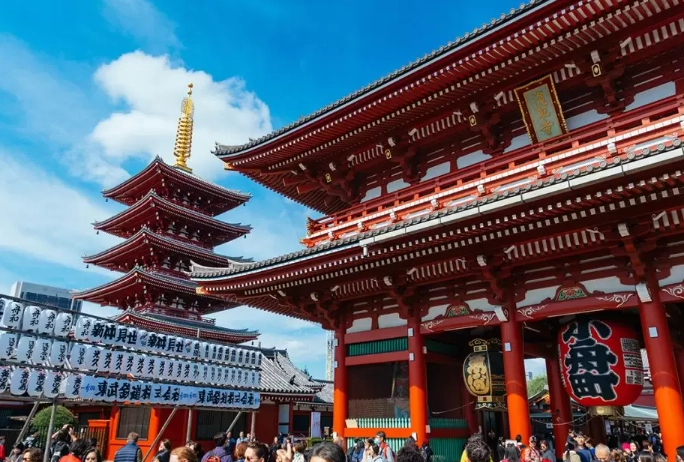
Well, after spending more time there than I'd like to admit (and getting happily lost more than a few times), I've pieced together what actually matters. This isn't just a list of tourist spots. It's a roadmap to the Tokyo experience, mixing the iconic postcard moments with the hidden alleys where the city's real heart beats. We're going to talk about the best places to go in Tokyo Japan, sure, but also how to connect them, how to avoid the crowds (as much as possible in a city of 37 million), and how to find your own favorite corner of this neon-drenched, tradition-steeped metropolis.
So, take a deep breath. Forget the overwhelm. Whether you have three days or three weeks, this guide will help you build an adventure that feels right for you.
The Non-Negotiables: Classic Tokyo Places to Go
Okay, let's get the big hitters out of the way first. These are the places to go in Japan Tokyo that appear on every list for a reason. They're iconic. You'll probably want a photo. But the trick is experiencing them on your terms.
The Historic Heart: Asakusa and Senso-ji
Start your journey in Old Tokyo. Asakusa is home to Senso-ji, Tokyo's oldest and most significant Buddhist temple. Walking through the thunderous Kaminarimon (Thunder Gate) and down the Nakamise-dori shopping street is a rite of passage. The street is packed with stalls selling traditional snacks (try the fresh ningyo-yaki cakes) and souvenirs. It's touristy, yes, but it pulses with a festive energy that's genuinely fun.
My advice? Go early. I mean, 8:00 AM early. You'll have the temple grounds almost to yourself, hear the monks chanting, and feel the serene atmosphere before the tour buses arrive. After visiting the main hall, wander the side streets. They feel worlds away, with tiny paper lantern shops and old-fashioned sweet stores.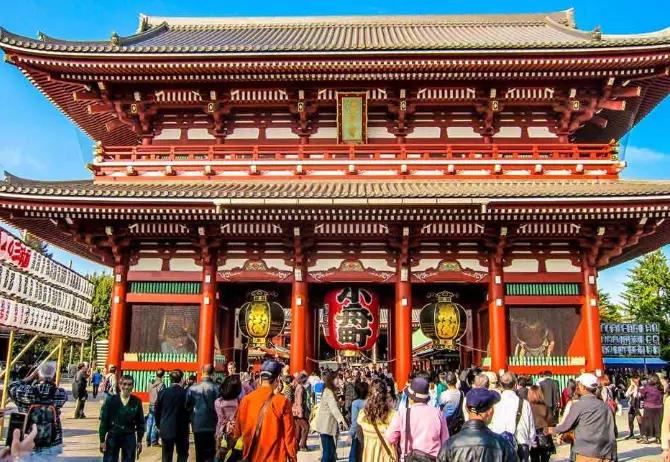
The Modern Icons: Shibuya and Shinjuku
This is the Tokyo of your imagination. The famous Shibuya Crossing is a spectacle of organized chaos. Hundreds of people cross from all directions at once when the lights turn red. The best view is from the second-floor Starbucks in the Tsutaya building, but be prepared to queue for a window spot. Honestly, I think it's more fun to be down in the middle of it, getting swept along in the human current.
Just north, Shinjuku is a district of sheer scale. The skyscrapers of the West side (like the Tokyo Metropolitan Government Building, which has free observation decks) contrast with the intense, narrow alleys of Kabukicho and Omoide Yokocho ("Memory Lane") on the East side. Omoide Yokocho is a network of tiny, smoky yakitori joints under the railway arches. It's cramped, it's loud, and it's an absolute must for atmosphere. Squeeze onto a stool, order a beer and some chicken skewers, and soak it in.
Feeling the energy of Shibuya at night is a Tokyo experience you can't replicate anywhere else.
The Imperial and the Peaceful: Tokyo Imperial Palace and Meiji Jingu
For a green escape right in the city center, these two spots are essential. The East Gardens of the Tokyo Imperial Palace are open to the public and offer a stunning, serene landscape with ancient stone walls and moats. You need to book a free tour in advance to see the inner palace grounds, but the gardens are freely accessible and a world away from the surrounding financial district. Check the official Imperial Household Agency website for tour details and availability.
Meiji Jingu, a Shinto shrine dedicated to Emperor Meiji and Empress Shoken, is different. It's a vast, dense forest planted in the heart of Tokyo. The walk from the towering torii gate to the main shrine complex is along a wide, gravel path through deep woods. The noise of Harajuku (right next door) completely disappears. It's a place for quiet reflection. I always make a point to wash my hands at the temizuya (purification fountain) and just stand for a minute, listening to the wind in the trees.
Diving Deeper: Tokyo by Vibe and Neighborhood
Once you've seen the classics, the real fun begins. Tokyo is a city of villages, each with a distinct personality. Choosing which neighborhoods to explore is how you customize your trip.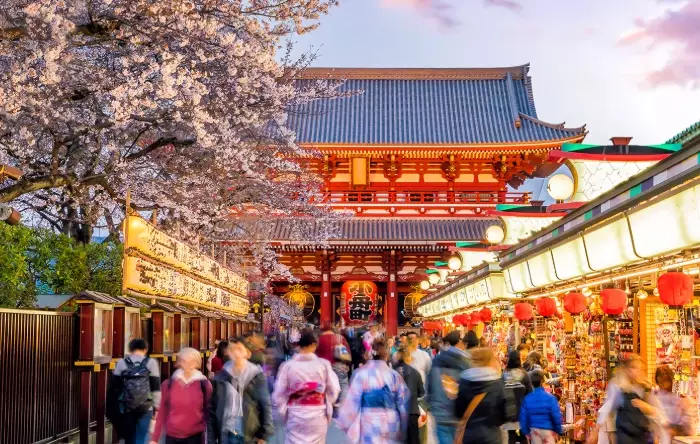
Here’s a quick breakdown of some top contenders based on what you're after:
| Neighborhood | Vibe & Best For | Don't Miss | My Personal Take |
|---|---|---|---|
| Harajuku | Youth fashion, crazy trends, kawaii culture. Takeshita Street is the epicenter. | People-watching, crepes, vintage clothing stores on the backstreets. | Takeshita Street is a sensory overload (in a fun way for about 30 minutes). The side streets like Cat Street are far more interesting for shopping. |
| Shimokitazawa | Boho, hipster, vintage paradise. Low-rise, maze-like streets. | Thrifting for unique clothing, indie live music venues, cozy cafes. | My favorite neighborhood to just wander. It feels like Tokyo's creative, relaxed alter-ego. Less frantic, more discovery. |
| Akihabara | Electric Town. Otaku (geek) culture, anime, manga, electronics. | Multi-story arcades, maid cafes, electronics stores like Yodobashi Camera. | It's a lot. Even if you're not into anime, the sheer spectacle is worth an hour. The noise and visual stimulation are peak Tokyo. |
| Ginza | Upscale luxury, high-end shopping, fine dining. Polished and elegant. | Window-shopping at flagship stores, department store food halls (depachika), art galleries. | Great for a fancy afternoon tea or to see the architectural marvels. The Uniqlo flagship here is 12 floors of surprisingly affordable goodness. |
| Daikanyama & Nakameguro | Stylish, upscale residential chic. Great cafes, boutiques, and design stores. | The T-Site bookstore complex (Tsutaya Daikanyama), strolling along the Meguro River (stunning during cherry blossom season). | The "cool Tokyo" you see in magazines. Perfect for a leisurely, coffee-fueled stroll. It feels like a European capital filtered through a Japanese lens. |
The Foodie's Tokyo: Beyond Sushi and Ramen
Let's talk about food, because it's half the reason to visit. Sure, get the sushi at Tsukiji Outer Market (the inner wholesale market moved, but the outer retail area is still a vibrant food circus). Yes, hunt down a perfect bowl of ramen – my personal favorite is a rich, porky tonkotsu from a tiny shop in Shinjuku called Nakiryu (it has a Michelin star, but the queue is part of the experience).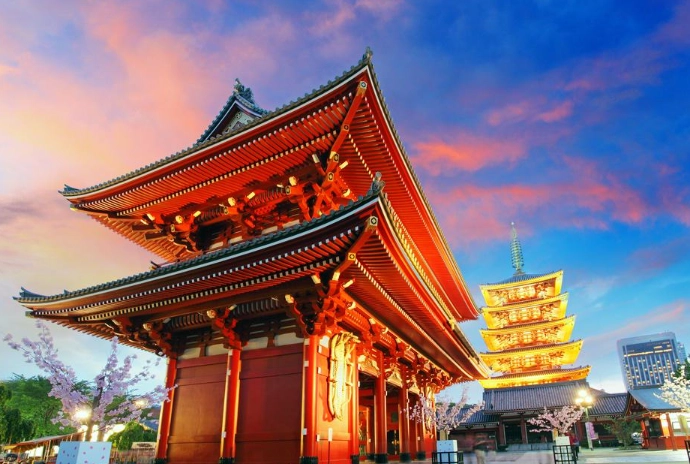
But here are some other essential food experiences that are among the best places to go in Tokyo for your stomach:
- Yakitori Alley (Omoide Yokocho/Memory Lane): Mentioned above, but it deserves a spot here. The quintessential after-work salaryman experience.
- Depachika (Department Store Basement Food Halls): Places like Isetan or Mitsukoshi in Shinjuku/Ginza have incredible food halls. It's the best way to sample exquisite prepared foods, sweets, and delicacies in one place. Perfect for a gourmet picnic.
- Monjayaki in Tsukishima: Often called "Tokyo's okonomiyaki," it's a runnier, more communal griddle-cooked dish. The whole street is dedicated to it. It's messy, interactive, and delicious.
- A standing Soba/Noodle Bar: For a quick, cheap, and authentic meal. Slurp your noodles loudly (it's polite!), pay at the vending machine, and be on your way.
The Off-The-Beaten-Path Gems (My Personal Favorites)
These are the places to go in Tokyo that might not make every top 10 list, but they've stuck with me.
Yanaka Ginza: This shopping street in the Yanaka district feels frozen in time. It escaped the fires and wars that leveled much of Tokyo. It's low-rise, traditional, and full of small shops selling handcrafted goods, snacks like menchi-katsu (minced meat cutlets), and cat-themed everything (the area is famous for its stray cats). The nearby Yanaka Cemetery is a surprisingly peaceful, park-like stroll.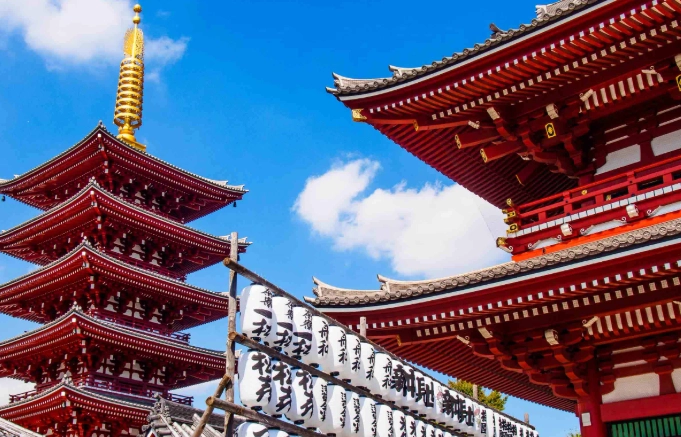
TeamLab Planets TOKYO Toyosu: While TeamLab Borderless has moved, Planets is still an active, immersive digital art experience. You walk barefoot through water, over soft surfaces, and into breathtaking rooms of light and sound. It's less of a museum and more of a sensory journey. Book tickets well in advance on their official website.
Ghibli Museum, Mitaka: If you love Studio Ghibli films, this is a pilgrimage site. It's a whimsical, handmade museum that feels like you've stepped into one of Hayao Miyazaki's worlds. Tickets are notoriously hard to get and MUST be purchased in advance for a specific date and time slot. They go on sale on the 10th of the month prior (e.g., June tickets go on sale May 10th) via the official Lawson Ticket website. Set a calendar reminder!
Yanaka Ginza is the antidote to the hyper-modern Tokyo. It breathes.
The Practical Guide: Making Your Tokyo Trip Smooth
Knowing the places to go in Japan Tokyo is one thing. Getting to them efficiently is another.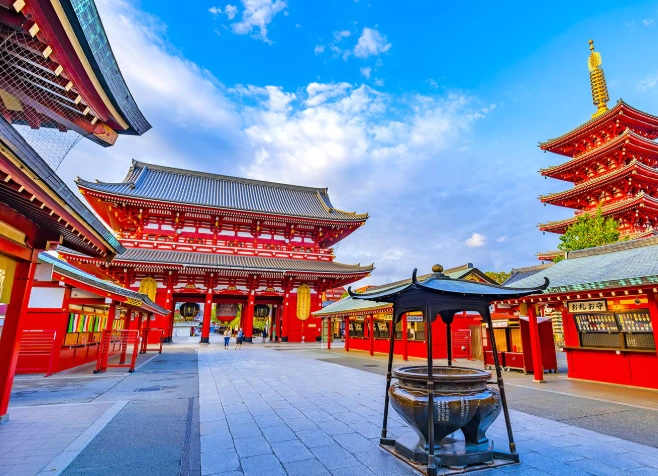
Getting Around: The Subway is Your Friend
The Tokyo Metro and Toei Subway lines are clean, efficient, and intimidating only at first glance. Google Maps is your absolute best friend here. It will tell you exactly which line to take, which platform, the departure time, and even which car to board for the smoothest transfer.
Budgeting for Tokyo
Tokyo can be as expensive or as reasonable as you make it. Accommodation will likely be your biggest cost. Here's a rough daily breakdown for a mid-range traveler (per person):
- Budget Hostel/Business Hotel: ¥7,000 - ¥12,000
- Food (Meals & Snacks): ¥4,000 - ¥8,000 (You can eat very well for less if you avoid high-end restaurants)
- Transport (Subway): ¥1,000 - ¥1,500 (with an IC card)
- Attractions/Entertainment: ¥1,000 - ¥3,000 (Many temples/shrines/gardens are free or very cheap)
- Total (approx): ¥13,000 - ¥24,500 per day
Convenience stores (7-Eleven, FamilyMart, Lawson) are your budget lifesavers for great-quality onigiri (rice balls), sandwiches, and snacks.
When to Go and How Long
Spring (March-May) for cherry blossoms (but it's peak season, crowded and expensive). Autumn (October-November) for stunning fall foliage and pleasant weather. I actually love late November/early December – the crowds are thinner, and the Christmas illuminations are starting.
How many days? For a first trip, I'd say an absolute minimum of 5 full days. That lets you hit the major highlights without running yourself ragged. A week to 10 days is ideal to add some day trips (Kamakura, Nikko, Hakone) and deeper neighborhood exploration.
Finding the right places to go in Tokyo is about balance. It's about mixing the awe of the skyscrapers with the charm of a backstreet izakaya. It's about planning but leaving room for getting lost. That's when you find your own personal Tokyo – the quiet temple garden, the perfect bowl of ramen, the vintage shop in Shimokitazawa with the exact jacket you didn't know you wanted.
Use this guide as a starting point, not a rigid itinerary. Let the city surprise you. That's the real secret to the best Tokyo itinerary.
Now, go book that ticket. Your own Tokyo story is waiting to be written.
Comments