In This Guide
- Why Shizuoka City Deserves a Spot on Your Japan Itinerary
- Top Attractions in Shizuoka City: From Iconic Views to Historic Streets
- Experiencing the Culture: Tea, History & Local Life
- The Food Scene: What to Eat in Shizuoka City
- Planning Your Visit: A Practical Shizuoka City Itinerary
- Getting Around Shizuoka City: Transport Made Simple
- Budgeting for Your Trip: What Does It Cost?
- Frequently Asked Questions About Shizuoka City
Let's be honest, when most people plan a trip to Japan, their minds jump straight to Tokyo's neon buzz, Kyoto's ancient temples, or Osaka's foodie paradise. Shizuoka City? It often doesn't even make the first draft of the itinerary. And that's a real shame, because I think it's one of the country's most pleasantly surprising oversights. I spent a week there last fall, partly to escape the tourist crowds, and partly out of sheer curiosity. What I found wasn't just a convenient stop on the bullet train line between Tokyo and Osaka. I found a city with its own confident rhythm, where postcard views of Mount Fuji are part of the daily backdrop, the air smells faintly of roasting tea, and history whispers from quiet castle ruins.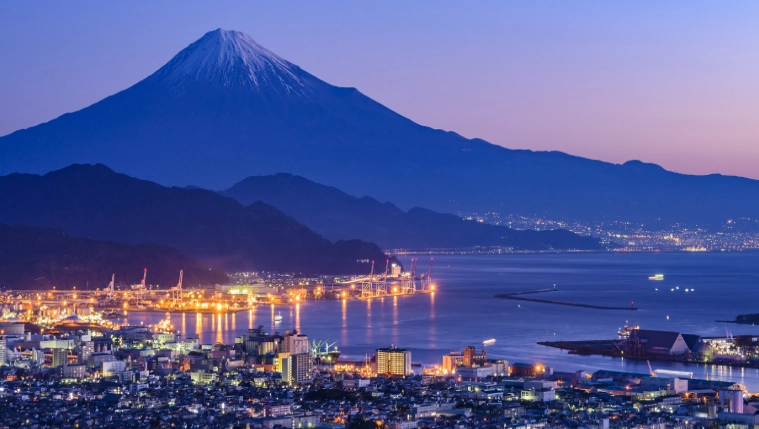
So, what exactly is Shizuoka City? It's the capital of Shizuoka Prefecture, sitting pretty on the Pacific coast, almost exactly halfway between the two mega-metropolises. It's a place where urban convenience meets stunning natural scenery. You can be sipping a craft coffee in a sleek downtown café in the morning, and by afternoon, be walking through sprawling green tea fields with the iconic cone of Fuji-san floating on the horizon. It's this effortless blend that makes Shizuoka City so uniquely appealing.
Why Shizuoka City Deserves a Spot on Your Japan Itinerary
I need to be clear upfront: Shizuoka City isn't packed with a hundred must-see landmarks. It's not a checklist destination. Its charm is more subtle. It's for filling the space between the big-ticket cities with something genuinely relaxing and culturally rich. If you're doing the classic Golden Route, adding 2-3 days in Shizuoka City acts as a perfect cultural palate cleanser. You catch your breath, you slow down, you taste something new.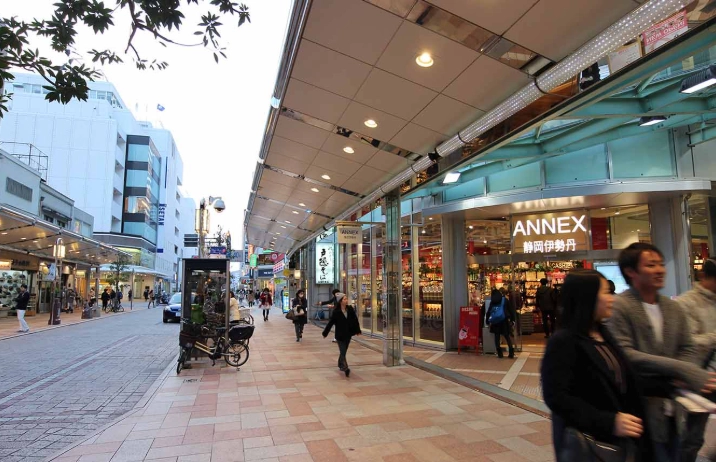
The city's identity is tied to a few key things. First, and most obviously, Mount Fuji. While you can't climb it from here (the trails are on the Yamanashi side), Shizuoka City offers some of the most famous and accessible panoramic views, especially from the coastal pine groves at Miho no Matsubara. Second, green tea. The prefecture produces nearly half of Japan's tea, and the city is surrounded by rolling hills of tea bushes. The obsession with tea permeates everything, from drinks and food to cosmetics and souvenirs. Third, history. This was the home of Tokugawa Ieyasu, the warlord who unified Japan. He retired here, and his influence is stamped on the city's castles and shrines.
In short, it's scenic, it's tasty, and it's steeped in stories.
Top Attractions in Shizuoka City: From Iconic Views to Historic Streets
You can't talk about Shizuoka City without starting with the view. The city's relationship with Mount Fuji is its defining feature.
Miho no Matsubara (Miho Pine Grove)
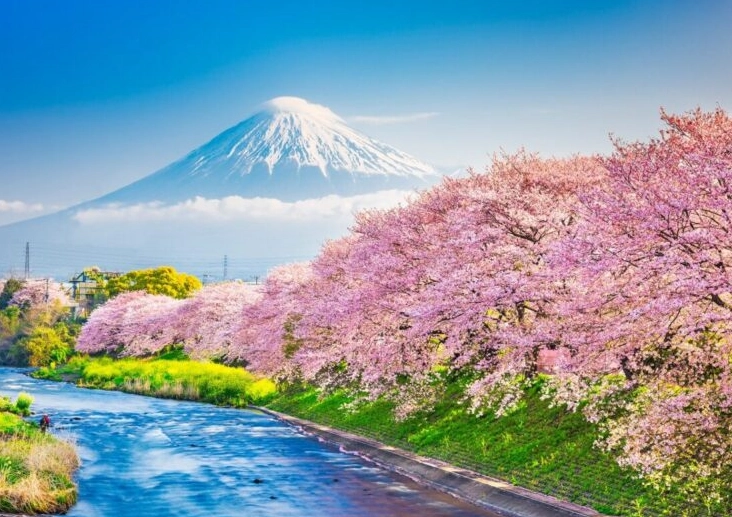
This is the money shot. A seven-kilometer stretch of coastline covered with ancient, gracefully twisted pine trees, with the perfect, solitary peak of Mount Fuji rising across Suruga Bay. It's a UNESCO World Heritage site as part of “Fujisan, sacred place and source of artistic inspiration.” I went at sunrise, and while it was hazy and Fuji-san was playing hide-and-seek, the atmosphere was incredibly peaceful. Just the sound of waves and wind in the pines.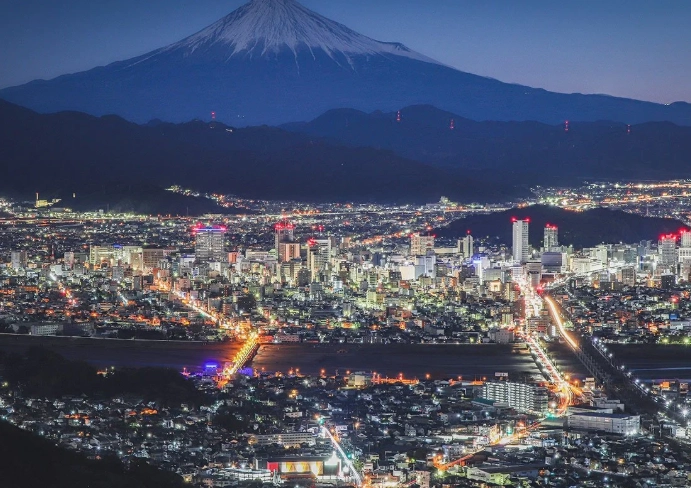
The area is linked to the legend of the heavenly maiden Hagoromo, and there's a small shrine dedicated to it. Walking the path through the black-sand beach and pines is the main activity. It's free, it's beautiful, and it feels a world away from the city. Getting there requires a bus from Shin-Shizuoka Station, but the journey is part of the experience.
Kunozan Toshogu Shrine
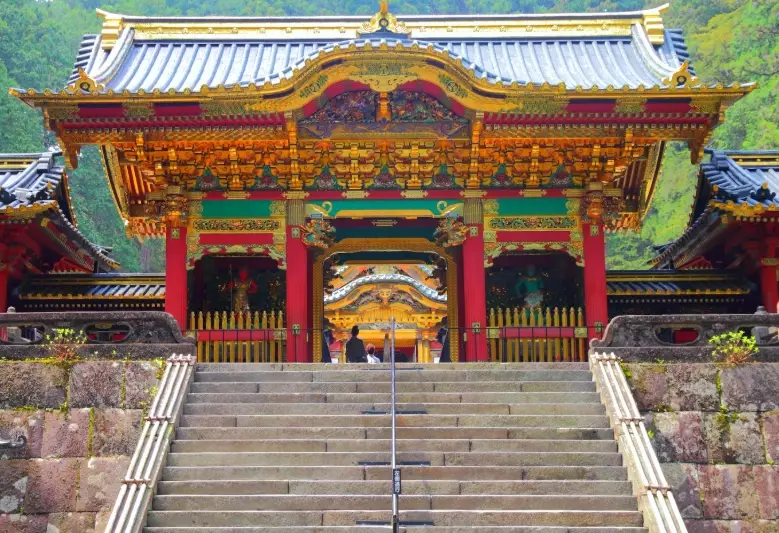
This was a highlight for me. It's the original burial place of Tokugawa Ieyasu, before his remains were moved to Nikko. To reach it, you take a thrilling, steep ropeway up Kunozan mountain. The shrine itself is a riot of color and intricate woodcarving—golds, reds, blues, and whites covered in elaborate patterns of dragons, flowers, and Chinese sages. It's far less crowded than its famous counterpart in Nikko, so you can actually appreciate the artistry.
I spent a good hour just wandering the various sub-shrines and buildings. The view from the grounds over Suruga Bay is spectacular. The atmosphere is one of quiet reverence mixed with artistic awe. You get a real sense of the power and prestige of the shogun who chose this spot. The Kunozan Toshogu official site has detailed history (in Japanese, but Chrome translates it well).
Sunpu Castle Park & The Sunpu Castle Ruins
Don't expect a rebuilt castle like Himeji or Osaka. Sunpu Castle is mostly ruins—stone foundations, moats, and reconstructed gates. And that's precisely why I liked it. It's a huge, peaceful park right in the city center where locals jog, have picnics, and walk their dogs. You can wander the massive stone walls and imagine the scale of Ieyasu's retirement home.
The East Gate (Higashi Gomon) and Tatsumi Yagura turret have been faithfully reconstructed using traditional methods, giving you a glimpse of its former glory. There's also a small, modern museum on-site that explains the castle's history. It's a great spot for cherry blossom viewing in spring. It feels like a genuine part of the city's fabric, not just a tourist attraction.
Experiencing the Culture: Tea, History & Local Life
Shizuoka City’s culture isn't something you watch in a theater; it's something you taste, smell, and do.
The Green Tea Experience
You are in the green tea capital. It would be a crime not to dive in. Beyond just drinking it, here’s how to get the full experience:
- Visit a Tea Plantation: Head to the outskirts, towards Makinohara. The fields are stunning, with neatly trimmed bushes creating green waves across the hills. Some farms offer tours and picking experiences (usually in May).
- Try a Tea Ceremony: Look for a less formal, more accessible tea experience than the ultra-formal ones in Kyoto. Many cultural centers or even some tea shops offer shorter, more explanatory sessions. The focus here is often on the tea itself—the deep, umami-rich flavor of Shizuoka's sencha—rather than just the ritual.
- Eat Tea: This is where it gets fun. Green tea ice cream is just the start. I had noodles flavored with green tea, tea-soaked rice, and even green tea curry. The Shizuoka Prefecture Official Tourism Guide often lists cafes and restaurants specializing in tea cuisine.
Nihondaira & Kunozan: The Panoramic Combo
For the best overall view of the city, the tea fields, the bay, and Mount Fuji (on a good day), take a bus up to Nihondaira Plateau. It's a famous viewpoint. From there, you can take the cable car down to Kunozan Toshogu Shrine, which I mentioned earlier. Doing this trip in reverse (shrine first, then viewpoint) also works. It packages natural scenery, engineering (the ropeway), and deep history into one efficient half-day trip.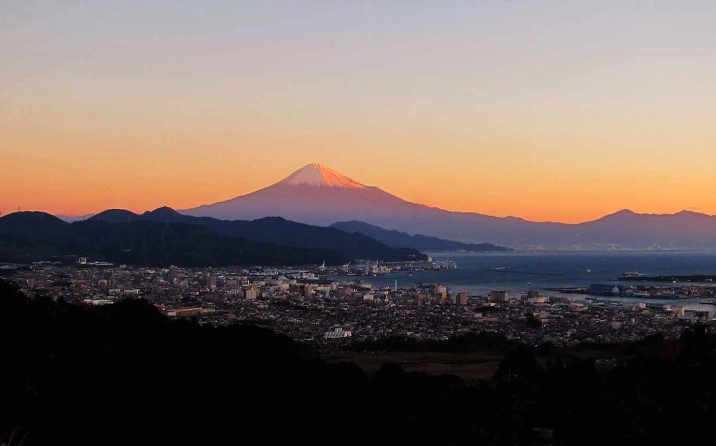
The Food Scene: What to Eat in Shizuoka City
Okay, let's get to the important stuff. The food. Shizuoka City has a fantastic culinary scene that goes way beyond supermarket sushi.
Sakura Ebi (Cherry Blossom Shrimp): These are tiny, pink, translucent shrimp caught in Suruga Bay. They're often eaten fresh as sashimi (a unique, sweet, and crunchy experience) or dried and sprinkled on rice, noodles, or even pizza. A local classic is sakura ebi don—a bowl of rice piled high with the little shrimp.
Unagi (Eel): The nearby Hamana Lake is famous for eel farming. The unagi here is fatty, rich, and grilled with a slightly sweeter, thicker sauce than the standard Kanto style. A must-try for eel lovers.
Local Sushi: With the Pacific at its doorstep, the fish is incredible. Look for shima-aji (striped jack), kinmedai (splendid alfonsino), and of course, sakura ebi. The Aoba Fish Market (not as huge as Toyosu, but lively) has small sushi stalls where you can eat incredibly fresh seafood straight from the auction.
Gyoza: Surprisingly, Shizuoka City is obsessed with gyoza (pan-fried dumplings). The local style is a thinner, crispier skin, served with a spicy mustard. The "Gyoza Street" near the station is a fun, if touristy, place to sample different shops.
My advice? Skip the chain restaurants. Wander the back streets around the Serikawa or Takajo areas and pop into any small, busy izakaya (pub). Point at what other people are eating or at the fresh dishes behind the glass. You won't be disappointed.
Planning Your Visit: A Practical Shizuoka City Itinerary
So, how do you actually piece this all together? Here’s how I’d structure your time, whether you have a day or a long weekend.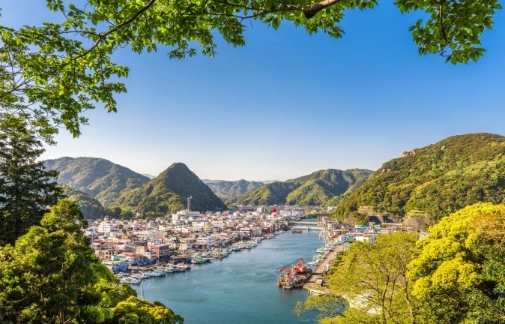
If You Only Have One Day (The Highlights Blitz)
This is tight, but doable if you start early. Focus on the core icons.
- Morning: Take the bus to Miho no Matsubara. Walk the pine grove, hope for a Fuji view. (2-3 hours with transport).
- Late Morning: Head back and explore Sunpu Castle Park. Walk the ruins and see the reconstructed gates. (1.5 hours).
- Lunch: Hit the Aoba Fish Market area or a downtown izakaya for fresh seafood or sakura ebi don.
- Afternoon: Take the bus to Nihondaira, enjoy the view, then take the ropeway down to Kunozan Toshogu Shrine. Explore the shrine. (3 hours).
- Evening: Dinner downtown, perhaps trying the local gyoza or an eel specialty.
The Ideal 2-3 Day Shizuoka City Getaway
This is the sweet spot. It allows for a relaxed pace and deeper exploration.
Day 1: History & The City Heart
Arrive, settle in. Spend the afternoon at Sunpu Castle Park. Visit the nearby Shizuoka City Museum of Art if that's your thing. In the evening, explore the dining alleys (yokocho) around the station for dinner.
Day 2: Fuji Views & Sacred Sites
Full day trip to Miho no Matsubara in the morning. Return to the city for lunch. In the afternoon, take the trip up to Nihondaira and down to Kunozan Toshogu Shrine. This splits the two major view-focused attractions across different parts of the day, maximizing your chance of actually seeing Mount Fuji.
Day 3: Tea & Local Flavors
Dedicate this day to the green tea culture. Take a short train or taxi ride to a tea plantation area. Book a tea tasting or a casual ceremony. Visit the Shizuoka Tea Market (if interested in the commerce side). Spend your final evening souvenir shopping for tea-related goods—packaged tea, tea sweets, tea soaps—and a farewell feast.
Getting Around Shizuoka City: Transport Made Simple
Shizuoka City is fairly spread out. The core downtown area around the station is walkable, but for the major attractions, you'll need wheels or public transport.
- Trains (JR): Shizuoka Station (on the Tokaido Shinkansen line) is your main hub. The local JR Tokaido Line connects to neighboring towns like Shimada (for tea fields).
- Buses: This is your workhorse for reaching Miho no Matsubara, Nihondaira, and Kunozan. Buses depart from the "Shin-Shizuoka" bus terminal right next to the train station. The Suruga Bus company runs most routes. A one-day bus pass can be economical if you're doing multiple trips.
- Taxi: For a group of 3-4, taxis can be cost-effective for reaching specific spots like distant tea farms or for a direct trip to Miho, saving precious time.
- Rental Bicycle: A fantastic way to explore the flat city center, the riverbanks, and even cycle out towards some closer tea fields. Rental shops are near the station.
Budgeting for Your Trip: What Does It Cost?
Shizuoka City is generally more affordable than Tokyo or Kyoto. Here’s a rough breakdown for a mid-range traveler per day:
| Category | Budget Style | Comfort Style | Notes |
|---|---|---|---|
| Accommodation | ¥6,000 - ¥9,000 | ¥10,000 - ¥18,000 | Business hotels are great value. Ryokans with meals are at the higher end. |
| Food & Drink | ¥3,000 - ¥5,000 | ¥6,000 - ¥10,000 | Lunch sets are cheap. A nice sushi or eel dinner adds up. |
| Local Transport | ¥1,000 - ¥1,500 | ¥1,500 - ¥2,500 | Depends on bus use. Day passes save money. |
| Attractions & Activities | ¥1,000 - ¥2,000 | ¥2,000 - ¥4,000 | Many sights are free (parks, views). Shrines/ropeways have fees. |
| Daily Total (approx.) | ¥11,000 - ¥17,500 | ¥19,500 - ¥34,500 | Per person. Excludes long-distance travel to/from city. |
You can easily skew this lower by choosing capsule hotels or budget guesthouses, and eating at convenience stores or cheap noodle shops. Or you can go higher with luxury ryokans and multi-course kaiseki meals.
Frequently Asked Questions About Shizuoka City
Let's tackle some of the specific questions I had before I went, and that I see other travelers asking online.
Is Shizuoka City worth visiting, or should I just go to Hakone for Fuji views?
That's a great question. Hakone is a classic resort area with hot springs and a well-oiled tourist circuit for seeing Fuji. Shizuoka City feels more like a real, working city that just happens to have incredible views. It's less tourist-focused, often less crowded, and offers a different cultural angle (tea, Tokugawa history vs. hot springs and open-air museums). If you want a more integrated, local experience, choose Shizuoka City. If you prioritize traditional onsens and a packaged tourist experience, Hakone might be better.
What is the best time of year to visit Shizuoka City?
Autumn (October-November) is arguably the best. Clear skies, comfortable temperatures, and autumn colors. Winter (December-February) offers the clearest views of Mount Fuji, but it can be chilly. Spring (March-April) is lovely for cherry blossoms at Sunpu Castle, but can be unpredictable weather-wise. Summer (June-September) is hot, humid, and Fuji is often hidden. The tea fields are lush green, though. I'd lean towards late fall.
How do I get to Shizuoka City from Tokyo?
It's incredibly easy. Take the Tokai do Shinkansen (bullet train) from Tokyo Station or Shinagawa Station. The Kodama or Hikari trains take about 90-100 minutes. The Nozomi is faster (about 60 minutes) but is not covered by the Japan Rail Pass. It's a smooth, scenic ride along the coast.
Is Shizuoka City family-friendly?
Yes, but with a note. The major attractions involve a fair amount of walking (pine groves, castle parks, shrine steps). There aren't many “amusement” style attractions for very young children. However, the parks are spacious, the ropeway is fun, the food is accessible, and it's a safe, clean environment. It's great for families with older kids or those who enjoy active, cultural exploration together.
Can I use Shizuoka City as a base to explore the wider prefecture?
Absolutely. It's the perfect hub. From Shizuoka City Station, you can take local trains to: Shimada and Makinohara for vast tea fields; Fujieda for more history; or even further to Shimoda on the Izu Peninsula for dramatic coastline. It's more convenient than trying to stay in a rural area.
The real magic of Shizuoka City isn't found by rushing from one landmark to the next. It's in the slow moments: sipping a bowl of frothy local matcha while looking out at a garden, the surprise of the sweet-crunch of fresh sakura ebi, or the simple pleasure of a clear, quiet view of Japan's most famous mountain, all to yourself. It's a place that rewards a curious traveler who's willing to step off the well-trodden path.
Look, Shizuoka City won't dazzle you with grandeur or overwhelm you with a thousand activities. But it will settle you. It will show you a slice of Japanese life that's both productive and deeply connected to nature and history. It's a city that knows what it is and doesn't try to be anything else. For me, that authenticity is its greatest attraction. So, if your Japan itinerary feels a bit frantic, consider carving out a couple of days for Shizuoka City. Brew a cup of its famous tea, look for Fuji-san, and just wander. You might just find it's the part of the trip you remember most fondly.

Comments