Most people come to Fuji Japan for that one perfect photo of Mount Fuji. They rush to Lake Kawaguchiko, snap their picture, and leave. I've been visiting the Fuji region for over a decade, and let me tell you, that approach misses almost everything. The area around Japan's iconic mountain is a deep cultural and natural playground, filled with ancient forests, spiritual sites, fantastic local food, and viewpoints most tourists never see. This guide is about experiencing Fuji, not just checking it off a list. We'll cover practical itineraries, where to stay, what to eat, and how to avoid the crowds that flock to the same two spots.
Your Fuji Japan Journey at a Glance
How to plan your Fuji Japan itinerary?
The biggest mistake is trying to do Fuji as a rushed day trip from Tokyo. You're at the mercy of weather and clouds. To truly experience Fuji Japan, you need at least two nights. Here’s how I break it down based on time.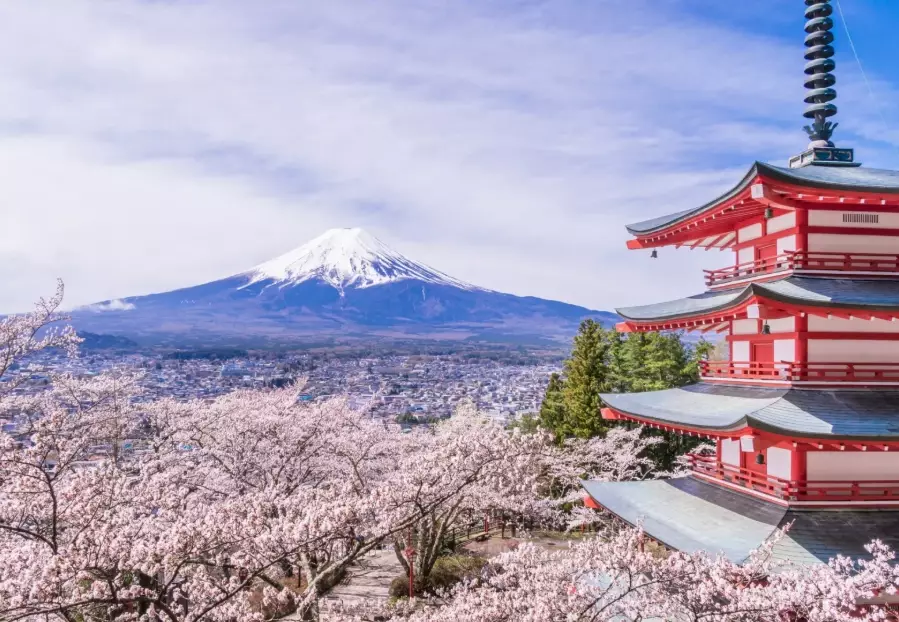
The 2-Day, 1-Night Core Experience
This is the minimum viable trip. Focus on one major area to avoid spending all day on buses.
Day 1: Take an early morning bus from Tokyo's Shinjuku Station (Highway Bus terminal) to Kawaguchiko Station (approx. 1h 45min, ¥2000 one-way). Drop your bags at your hotel. Head straight to the Kawaguchiko Music Forest Museum. It sounds touristy, but the garden view of Fuji over Lake Kawaguchiko is consistently less crowded than the classic northern shore. Spend the afternoon exploring the lakeside by rental bicycle. For sunset, skip the crowded Chureito Pagoda and head to the Fuji Panorama Ropeway on the eastern shore. The queue dies down later in the day.
Day 2: If it's a clear morning, your hotel view might be enough. For an active option, hike part of the Mishima Skywalk trail (Shizuoka side) for a different perspective. Or, visit Oshino Hakkai, the famous eight ponds with crystal clear spring water fed by Fuji's snowmelt. It gets packed by 10 AM, so be there at opening (9 AM). Catch an afternoon bus back to Tokyo.
The 3-Day, 2-Night Deep Dive
This is the sweet spot. You can explore two of the Fuji Five Lakes and add a unique cultural element.
Day 1: Arrive in Kawaguchiko. Settle in. Focus on the lake's northern cultural sites: the Kubota Itchiku Art Museum (stunning kimono art) and the Kawaguchiko Museum of Art. The views from their grounds are serene.
Day 2: Dedicate this day to Lake Saiko. Rent a car or use the local retro bus. Explore the Saiko Bat Cave and the Lake Saiko Forest Museum. Have lunch at one of the small, family-run soba shops near the lake. In the afternoon, visit the Fox Village (Kitsune Mura) near Lake Shoji if you're into animals (note: ethical concerns exist, do your research).
Day 3: Before leaving, experience a local onsen with a Fuji view. Many day-use facilities exist, like Fuji Yurari Onsen. Then, head back.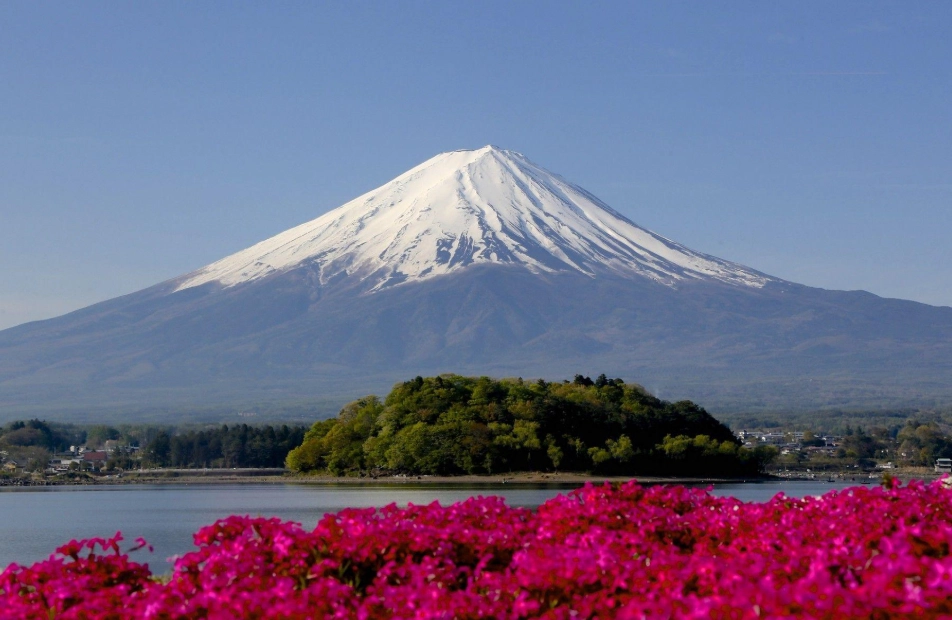
The 4+ Day Adventure Itinerary
For hikers, climbers, or those wanting to see the less-visited Gotemba or Fujinomiya sides.
Add a day for Fuji-Q Highland if you love rollercoasters (get there at opening to beat lines). Or, take a bus to the 5th Station on the Yoshida Trail (open for hiking July-early September only) to walk part of the climbing route. On another day, explore the Gotemba Premium Outlets with its stunning view of Fuji's south face, or visit the Fujisan World Heritage Center in Fujinomiya for deep cultural context.
My Non-Consensus Tip: Everyone targets the Chureito Pagoda and the northern Kawaguchiko lake shore. For equally stunning views with 80% fewer people, go to Lake Yamanakako Hananomiyako Park (east side) or the Fuji Visitor Center near Kawaguchiko Station. The Visitor Center has a brilliant, sloping roof you can walk on for a unique photo op, and it's free.
What to see and do around Mount Fuji
Think beyond the mountain itself. The Fuji Japan region is a UNESCO World Cultural Heritage site for its role in art and pilgrimage.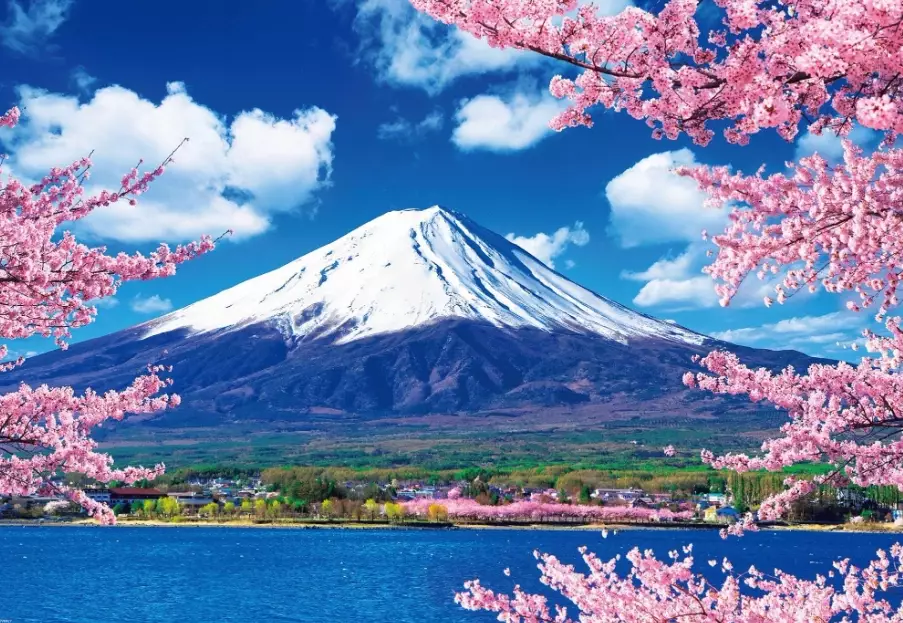
Top Viewpoints (That Aren't Just Kawaguchiko)
- Lake Motosuko: The westernmost lake. This is the actual lake featured on the ¥1000 bill. The view from the northwestern shore is the iconic one. Access is trickier by public transport (local bus from Kawaguchiko), making it quieter.
- Miho no Matsubara (Miho Pine Grove): On the Shizuoka coast. This black sand beach with a line of pine trees framing Fuji is a classical Japanese art motif. It's a 30-minute taxi/bus from Shimizu Station. The view of Fuji over the water is breathtaking.
- Fuji Safari Park: At the base of Fuji. You take a bus through enclosures with animals, and on a clear day, Fuji looms in the background behind lions or bears. An utterly unique combination.
Cultural & Historical Gems
Oshino Hakkai is famous, but it's a reconstructed village. For a more authentic spiritual feel, seek out the smaller, quieter shrines dotting the forests around the lakes. The Kitaguchi Hongu Fuji Sengen Shrine in Fujiyoshida is the historic starting point for pilgrim climbers and has a majestic, ancient forest.
The Fuji Subaru Line 5th Station (Yoshida Trail) is worth visiting even outside climbing season. At 2300 meters, you're above the clouds. The atmosphere is otherworldly, and the shrine there is active. Check road openings on the official climbing website.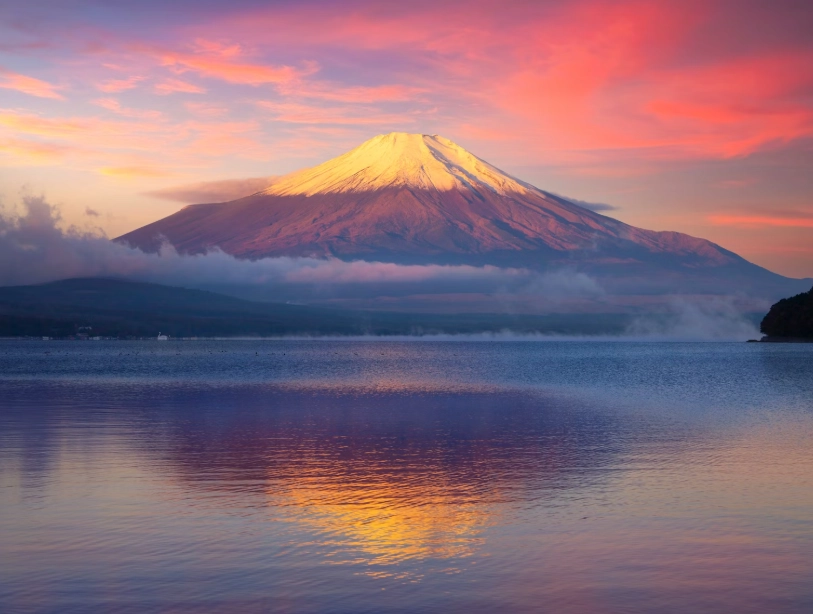
Active Experiences
Caving at Fugaku Fuketsu Wind Cave or Narusawa Hyoketsu Ice Cave: Near Lake Saiko. These lava tubes maintain ice year-round. A cool (literally) 15-minute hike into the earth. Wear good shoes.
Stand-Up Paddleboarding on Lake Yamanakako: The largest and most active of the five lakes. Several rental shops offer lessons. Paddling with Fuji in front of you is unforgettable.
Where to eat and drink in the Fuji region
The food here is hearty, mountain-and-lake influenced. Forget fancy Tokyo sushi; think hot pots, handmade noodles, and local beef.
- Hoto Fudo (Kawaguchiko): The iconic spot for hoto, a wide, flat noodle stew with pumpkin and vegetables in a miso broth. The main branch is a huge, thatched-roof building with floor seating and massive windows facing Fuji. Address: 707-1 Funatsu, Fujikawaguchiko. It's always busy, but the line moves. A bowl costs around ¥1300. Open 11:00-19:00.
- Idaten (Fujiyoshida): A local secret for Yoshida no udon, a thick, chewy, dark udon noodle served in a rich broth. This is a working-class town food, served fast and cheap. The place is no-frills, often with a line of locals. Address: 2-8-11 Shimoyoshida, Fujiyoshida. A bowl is about ¥600. Open 11:00-14:30 (or until sold out), closed Wednesdays.
- Lake Saiko Iyashi no Sato Nenba: This is a reconstructed traditional village with multiple small eateries. You can try trout grilled over charcoal (a lake specialty) or soba made with buckwheat from the foothills. It's more about the atmosphere of eating in an old thatched house.
For a drink, try local craft beer from Fujizakura Heights Beer or wine from the Katsunuma winery region (Yamanashi Prefecture is a major wine producer).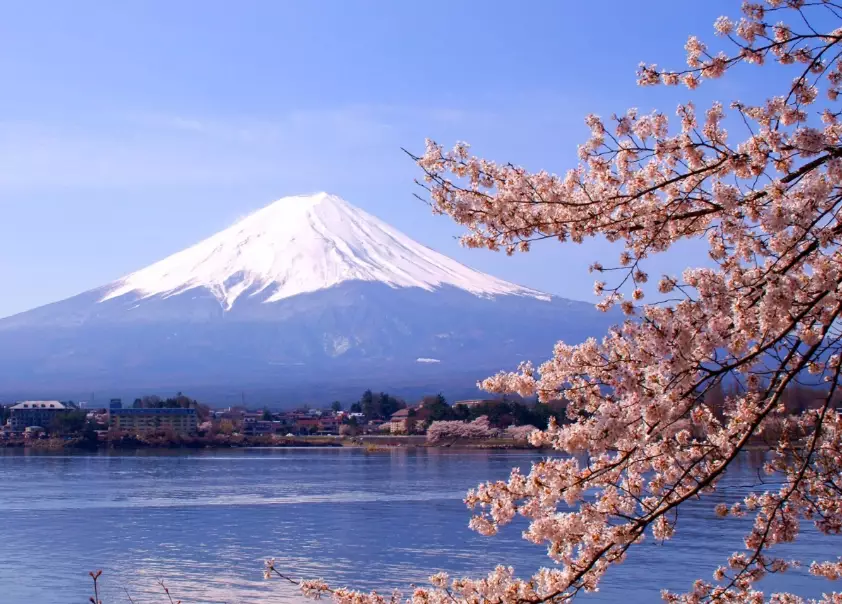
Where to stay: Fuji Japan hotels and ryokans
Your choice of accommodation defines your Fuji experience. Ryokans (traditional inns) offer the full cultural package with kaiseki meals and onsen.
| Property Name | Area / Lake | Key Feature & Vibe | Price Range (per night, 2 pax) | Best For |
|---|---|---|---|---|
| Fuji Lake Hotel | Kawaguchiko (North Shore) | Classic, historic hotel. The oldest by the lake. Some rooms have iconic, direct Fuji views from private balconies. Public onsen overlooks the lake. | ¥35,000 - ¥70,000 (with meals) | The classic postcard experience. Book a "Fuji View" room. |
| Konansou | Kawaguchiko (East Shore) | Modern luxury ryokan. Multiple stunning rooftop and indoor/outdoor onsens with panoramic views. Creative multi-course dinners. | ¥40,000 - ¥100,000+ | Luxury, design, and ultimate relaxation. |
| Hotel Mount Fuji | Yamanakako (East Shore) | Large resort-style hotel. Fantastic views of Fuji reflected in Lake Yamanakako. Great for families, with multiple restaurants and activity bookings. | ¥25,000 - ¥45,000 | Families and those wanting resort amenities. |
| Fuji Guesthouse AO | Fujiyoshida (Town) | Friendly, clean hostel/guesthouse. No Fuji view, but incredible value. Staff are climbers who give expert advice. Communal kitchen. | ¥3,500 - ¥8,000 (per person) | Budget travelers, solo backpackers, climbers. |
| Mizno Hotel | Shojiko (Smallest Lake) | Tiny, boutique 8-room hotel. Minimalist design, quiet location away from major tourist hubs. Feels secluded and peaceful. | ¥30,000 - ¥50,000 | Avoiding crowds, design lovers, couples. |
Booking Tip: For ryokans, always book directly on their Japanese website or via a specialist travel agent. You often get better room selections and sometimes lower prices than on global booking sites.
How to get around Fuji Japan
Public transport works, but has limitations. The main hubs are Kawaguchiko Station (Yamanashi side) and Fuji Station/Shin-Fuji Station (Shizuoka side).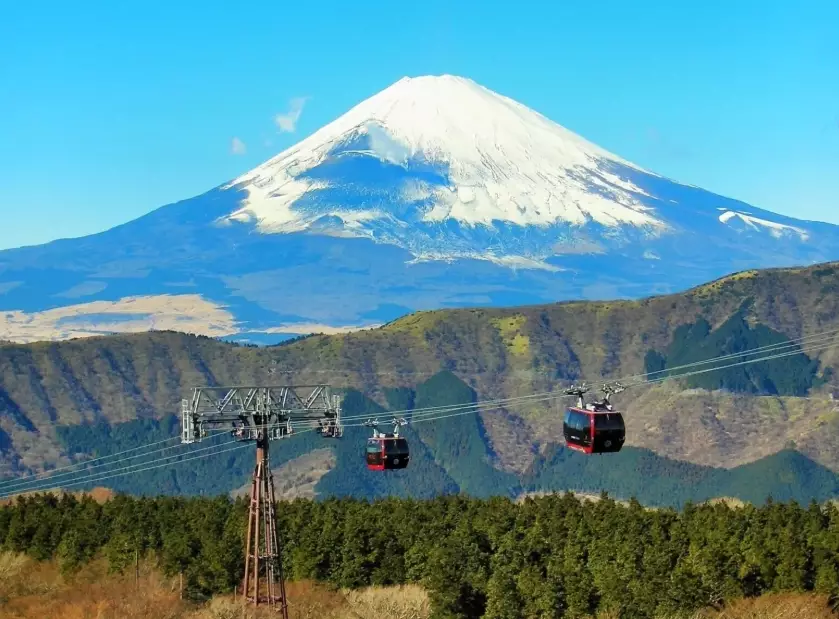
From Tokyo: Direct highway buses from Shinjuku are the most convenient and cheapest (¥2000 one-way). Trains require multiple changes (JR Chuo Line to Otsuki, then Fujikyu Railway) and cost more, but are covered by the JR Pass.
Within the Fuji Five Lakes area: The Fujikko Go (Retro Bus) loops around Kawaguchiko and Saiko. The Omni Bus has a wider network. For flexibility, consider the Fuji Hakone Pass (if combining with Hakone) or the local 2-Day Pass for the Fujikko/Omni buses (approx. ¥3000).
The Game-Changer: Renting a car for 1-2 days. It liberates you from bus schedules and lets you explore Lake Motosuko, the southern coasts, and hidden spots at your own pace. Rent from Kawaguchiko Station. Traffic is light outside peak holiday weekends.
Fuji Japan travel questions answered
Is it possible to see Mt. Fuji from Tokyo in one day, and is it worth it?
It's physically possible. Take an early train to Kawaguchiko, see the lake, and return. But I rarely recommend it. You invest 4+ hours in transit for a view that is 100% weather-dependent. If it's cloudy (a 50/50 chance outside winter), you see nothing. The stress isn't worth it. A day trip only makes sense if you have a very flexible schedule and can go on a moment's notice when the forecast is perfect. Otherwise, commit to an overnight stay to increase your odds and experience more.
What's the biggest mistake first-time visitors make when planning a Fuji Japan trip?
Over-centralizing in Kawaguchiko. It's the main hub, but staying there all day every day means you experience the most commercialized, crowded part of the region. The magic is in exploring the other lakes (Sai, Shoji, Motosu) and the towns like Fujiyoshida. People also underestimate the sheer size of the area. Getting from Kawaguchiko to, say, Miho no Matsubara on the coast takes over two hours by bus and train. Plan your activities in geographic clusters.
When is the absolute best time to visit Fuji Japan for clear views and fewer crowds?
Late autumn (November) and winter (February). November, after the fall colors peak, has crisp, clear air and significantly fewer tourists. February is the coldest but has the highest probability of a completely cloudless view of a snow-capped Fuji. Avoid Golden Week (late April/early May), Obon (mid-August), and the autumn foliage weekends in late October. Summer (July-August) is hazy, hot, and crowded with domestic tourists, though it's the only time you can hike the mountain.
How can I check the Mt. Fuji visibility forecast before I go?
Don't rely on general weather apps. Use the specialized Fujisan View website (Japanese, but visual) or the Tenki.jp "Fuji Visibility" forecast. They use data from webcams and predict the likelihood of seeing the summit and base. The view can be perfect at 8 AM and gone by 10 AM, so check the hourly forecast.
Is climbing Mount Fuji worth it for a non-hiker?
For most people, no. The climb is a grueling, crowded, cold overnight slog on loose volcanic scree. The reward is sunrise from the top, which is spectacular, but the experience is more about endurance than scenic hiking. If you're not an avid hiker, you'll likely have a miserable time. A far more enjoyable alternative is to hike the Fuji Subaru Line 5th Station to the 6th Station on the Yoshida Trail. You get the high-altitude atmosphere, stunning views, and a taste of the trail without the suffering. Save the summit for those with a specific goal to reach it.

Comments