Your Anime Pilgrimage Companion
Let's be honest. When you think of anime pilgrimages, your mind probably jumps straight to Tokyo's Akihabara, or maybe the sacred Suga Shrine Steps from Your Name in Tokyo. Kyoto might get a nod for its traditional backdrops. But Shizuoka? It's the quiet powerhouse most international fans haven't quite figured out yet. And that's a real shame, because for anyone who loves the artistry behind the scenes, this prefecture is an absolute treasure trove.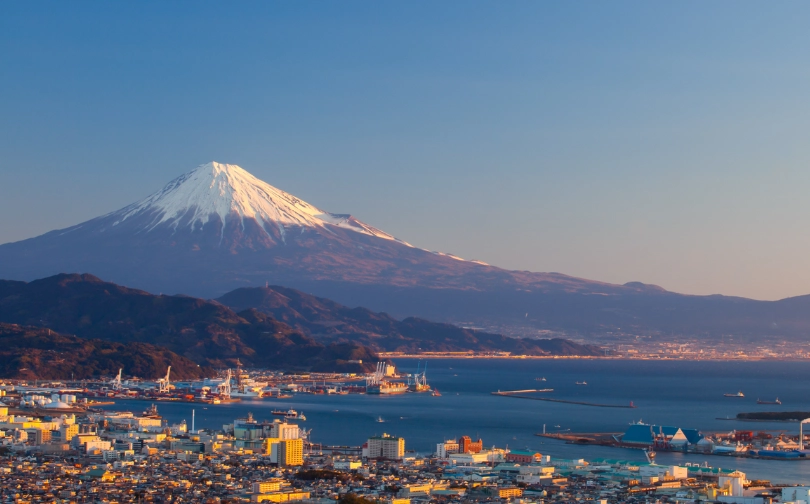
I remember planning my first trip to Japan, my itinerary was just Tokyo, Kyoto, Osaka. The usual. It wasn't until I stumbled on a forum post about the real-life inspiration for Ponyo that Shizuoka even appeared on my radar. I ended up spending three days there, and it completely changed how I see anime. It's not just about locations; it's about the soul of the place bleeding into the animation.
So, why is Shizuoka such a big deal for anime?
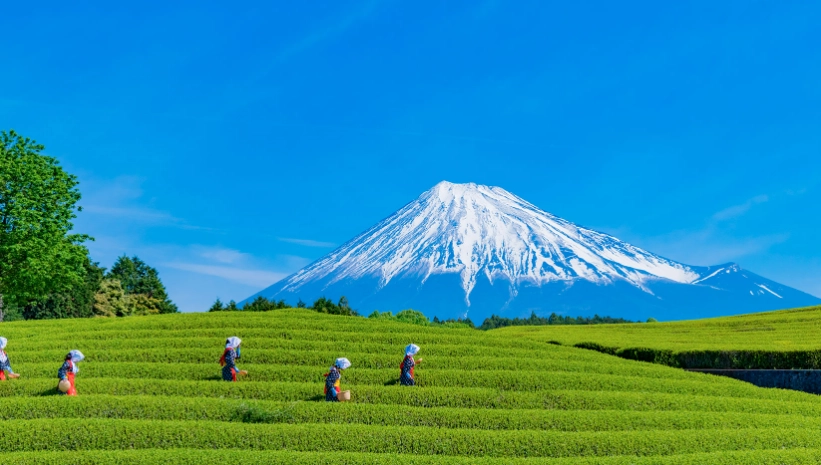
Well, picture this: you have Mount Fuji (Japan's most iconic symbol), the deep blue Pacific Ocean, lush green tea fields, historic towns, and bustling ports. It's like Japan condensed into one perfect postcard. For anime creators, especially those crafting stories that need a sense of authentic, everyday Japanese life mixed with breathtaking beauty, Shizuoka is a natural muse. It provides the scenic realism that pure fantasy settings sometimes lack. The connection between Shizuoka anime settings and the real-world landscape is often breathtakingly direct.
For many legendary animators, Shizuoka isn't just a backdrop; it's a character in its own right. The light, the mountains, the sea—they're painted from memory.
The Deep-Rooted Connection: Why So Much Anime is Set in Shizuoka
It's not a coincidence. There are some pretty concrete reasons why Shizuoka keeps popping up in our favorite shows and movies.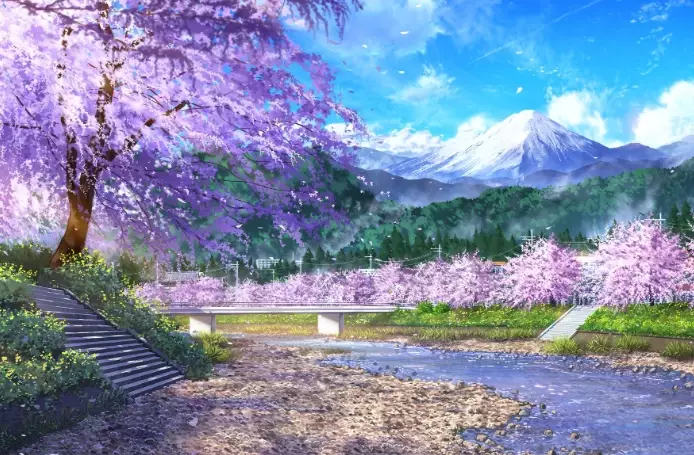
The Hayao Miyazaki and Studio Ghibli Factor
This is the big one. Hayao Miyazaki, the co-founder of Studio Ghibli, has a profound personal and professional connection to the prefecture. For years, he maintained a mountain retreat near the town of Gotemba, at the foot of Mount Fuji. He didn't just visit; he lived the atmosphere. The view from his cabin, the changing weather, the local scenery—it all fed directly into his work.
Take Ponyo (2008). The film's primary setting, the fictional seaside town of Tomonoura, is almost a direct lift from the real Tomonoura in Shizuoka's Fuji City. But it's more than that. The entire film's aesthetic—the rocky inlets, the old-fashioned houses clinging to the hillside, the mood of the sea—is pure Shizuoka coastline. You can visit the Motomachi area of Shimoda City too, which also heavily influenced the film's look with its black-walled (namako-kabe) merchant houses. Standing there, you half-expect Sosuke and Ponyo to run past.
Then there's The Wind Rises (2013). The film meticulously recreates the town of Horikoshi, where the real-life engineer Jiro Horikoshi (the protagonist) grew up. This town is based on present-day Fuji City. The film captures a specific, nostalgic Showa-era Japan that still lingers in parts of Shizuoka.
I visited the Tomonoura area on a slightly overcast day. The water was a steely grey, not the bright blue from the posters. And you know what? It felt more like Ponyo, more real and powerful. The anime didn't just copy the place; it captured its spirit, which includes its quieter, moodier moments. Some tour buses only come on sunny days, but I think you miss half the magic that way.
A Perfect Canvas for "Slice-of-Life" and Idol Stories
Beyond Ghibli, Shizuoka's blend of natural beauty and unassuming urban life makes it perfect for contemporary anime genres. The most famous modern example is Love Live! Sunshine!! The story of Aqours, the school idol group, is set in the coastal town of Uchiura. This is a fictional name, but every fan knows it's a barely-disguised version of Numazu City in Shizuoka.
The anime doesn't just use Numazu as a pretty picture. It integrates the city's landmarks into the very fabric of the story. Numazu's port, its schools, its shopping arcades, even its local foods—they're all part of Aqours' world. This created a pilgrimage phenomenon (seichi junrei) that transformed Numazu's tourism. You can buy character-specific charms at the exact train station gate they animated, or eat at the diner the characters frequent.
This success story shows how Shizuoka anime locations work. They're not just scenic; they're functional and familiar, the ideal setting for stories about ordinary (yet extraordinary) teenagers chasing dreams.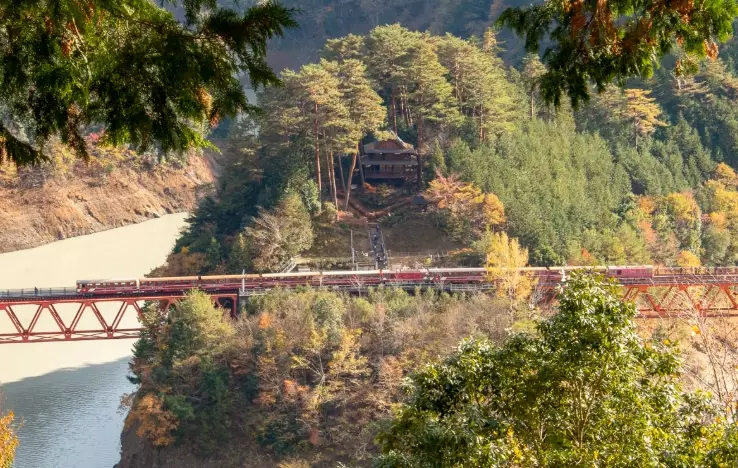
Quick List: Other Notable Anime with Shizuoka Ties
- Mobile Suit Gundam: The 08th MS Team: The "Zeon's Tropical Zone" is based on the Izu Peninsula's lush, jungle-like areas.
- Neon Genesis Evangelion: While Tokyo-3 is in Hakone (which borders Shizuoka), the iconic view of Mount Fuji from the series is, of course, the view from Shizuoka. The GeoFront's entrance is famously modeled on the grounds of the actual Hakone Shrine.
- Yuru Camp (Laid-Back Camp): While focused on surrounding prefectures, several camping spots and views of Mount Fuji are undeniably from the Shizuoka side, celebrating the same outdoor culture.
- Detective Conan: Several movies and episodes feature Shizuoka locations, like the Mishima Skywalk.
Your Ultimate Shizuoka Anime Pilgrimage Map: Where to Go
Alright, let's get practical. You're convinced. You want to go. Where exactly should you head? Let's break it down by area and series. This isn't just a list of spots; it's a curated guide to planning your day.
The Ghibli Trail: Chasing Ponyo and The Wind Rises
This trail is more atmospheric than a checklist of specific "spots." It's about absorbing the scenery that inspired the art.
Fuji City & Tomonoura: This is ground zero for Ponyo fans. Head to the Tomonoura port area. Walk along the breakwater, look at the fishing boats, and explore the narrow streets. The Fuji City Tourism Association website sometimes has maps pointing out specific angles that match the film (www.fujicity.tv). Don't rush it. Sit by the water with a drink. The magic is in the slow absorption.
Shimoda City (Motomachi): Down on the Izu Peninsula, Shimoda's historic Motomachi district with its distinctive black and white warehouse-style buildings is unmistakably the other key visual source for Ponyo's town. The Perry Road area is particularly evocative. It's a longer trip from Tokyo, but combining it with Shimoda's beautiful beaches makes for a fantastic overnight stay.
Gotemba / Lake Motosu Area: While not a direct setting, the area around Gotemba and the Fuji Five Lakes (especially Lake Motosu) offers those classic, sweeping Ghibli-style views of Mount Fuji—the kind that appear in the backgrounds of countless films, from My Neighbor Totoro to the opening of The Wind Rises. It's the essence of the rural Japanese landscape Ghibli often idealizes.
The Numazu Deep Dive: Living the Love Live! Sunshine!! Dream
Numazu is the opposite of the Ghibli trail. It's highly specific, interactive, and built for fans. The city has fully embraced its status as an anime holy land.
Pro-tip: Start at Numazu Station.
The station itself is a hub. You'll find dedicated tourist information for anime pilgrims, special stamp rallies, and loads of merchandise. From there, you can walk to many key locations:
- Numazu Port: The very first scene of the anime. You'll recognize the seawall and the view across the bay instantly.
- Uchiura Middle School (model): The school building is based on the former Numazu City立 Numa北 Elementary School (note: it's a real school, so be respectful and observe from the outside during non-school hours).
- Various Shops and Restaurants: From the bakery "Pan no Mimi" to the diner "Lunch Ohana," many real businesses are featured. They often have special collaboration menus or goods. The official Numazu Anime Tourism site is essential for the latest collab info (anime-numazu.jp/en/).
My personal take? The Numazu experience can feel a bit commercial, but in the best way. The locals are genuinely happy to see fans, and the energy is infectious. It feels like a shared celebration, not just a tourist transaction.
Beyond the Big Names: Hidden Gems
If you want to get off the beaten path, Shizuoka has more to offer.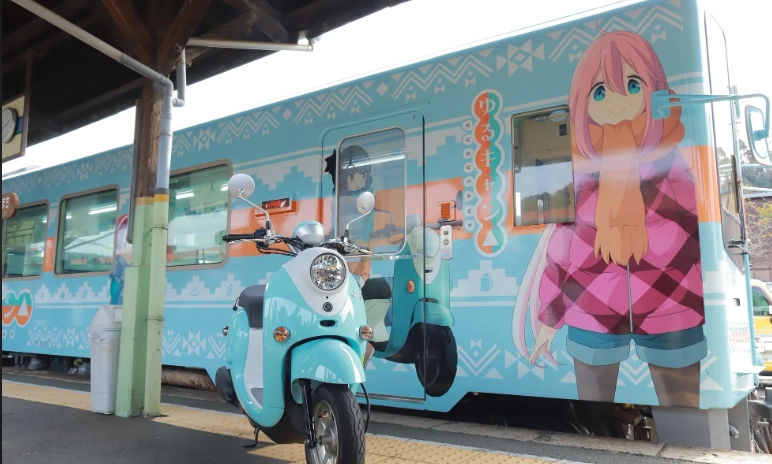
Mishima City: Home to the Mishima Skywalk, Japan's longest pedestrian suspension bridge. It's featured in Detective Conan: The Scarlet Bullet. The view of Mount Fuji from the bridge is staggering, anime or no anime.
Atami: A classic hot spring resort town that often appears as a shorthand for romance or vacation in anime (think Kaguya-sama: Love is War). Its retro 1960s vibe is unique and photogenic.
| Anime / Series | Primary Shizuoka Location | Type of Pilgrimage | Best For |
|---|---|---|---|
| Ponyo (Ghibli) | Fuji City (Tomonoura), Shimoda | Atmospheric, Scenic | Ghibli fans, photographers, those seeking calm |
| The Wind Rises (Ghibli) | Fuji City (general area) | Historical, Architectural | History buffs, Miyazaki purists |
| Love Live! Sunshine!! | Numazu City | Interactive, Detailed | Superfans, collectors, social media |
| Various (Scenic Backdrops) | Gotemba, Fuji Five Lakes | Landscape Appreciation | Nature lovers, hikers, general anime appreciation |
| Detective Conan Movies | Mishima (Skywalk) | Specific Landmark | Family trips, adventure seekers |
Planning Your Shizuoka Anime Trip: The Nitty-Gritty
Knowing the spots is half the battle. Actually getting there and making the most of it is the other half. Let's talk logistics.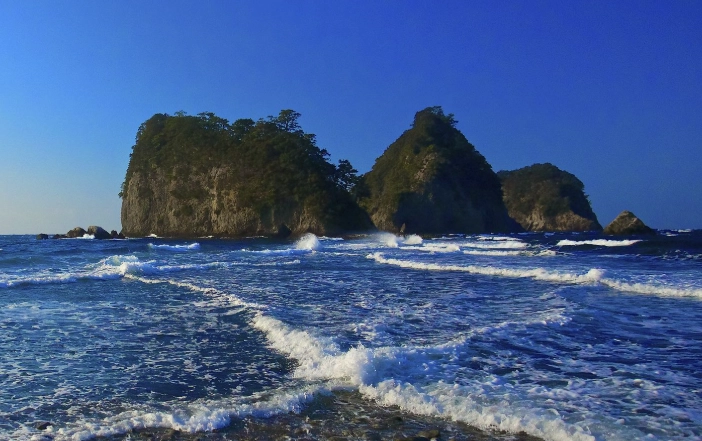
Getting There & Around (The Transportation Puzzle)
Shizuoka is connected but sprawling. Your base city matters.
- From Tokyo: The Tokaido Shinkansen is your best friend. To reach central Shizuoka City (for Ghibli trails west), get off at Shin-Shizuoka Station (about 1 hour). For Numazu and the eastern Izu Peninsula, Mishima Station is your gateway (about 45 minutes). Yes, the Shinkansen is expensive, but it saves half a day. For budget travelers, highway buses go to major cities but take 2-3 hours.
- Getting Around Locally: This is the tricky part. While Numazu's sites are walkable from the station, the Ghibli-inspired coastal areas in Fuji or Shimoda often require local buses, which can have infrequent schedules. Renting a car is, frankly, the ultimate way to explore Shizuoka's anime and scenic spots at your own pace. The freedom to pull over at a tea field that looks like an anime scene is unbeatable. If you can't drive, research bus timetables meticulously or consider taxis for small groups to remote spots.
A rental car unlocks the true potential of a Shizuoka anime tour. The prefecture is built for scenic drives, not just train hops.
When to Go & Where to Stay
Best Seasons: Late autumn (October-November) and spring (March-May) are ideal. You avoid the brutal summer heat/humidity and the winter chill, while getting clear(er) views of Mount Fuji. Summer is great for beach areas like Shimoda but crowded and hot.
Accommodation Strategy: Don't base yourself in one hotel for the whole trip unless you have a car.
- For Numazu / Eastern Izu: Stay in Numazu or Atami (more hot spring options).
- For Fuji City / Western Shizuoka: Stay in Fuji City, Shimizu, or even near Gotemba Premium Outlets.
- For a mix: Shizuoka City is a central but less atmospheric hub. It's a functional base.
I made the mistake of staying only in Shizuoka City and spent hours on local trains backtracking. Split your stay between two bases if covering both east and west.
Answering Your Burning Questions (FAQ)
One last piece of advice.
Put the map away sometimes. Just walk. Get a little lost in a backstreet of Numazu or along a quiet Shizuoka coastline. The magic of an anime pilgrimage, especially in a place as richly textured as Shizuoka, isn't just in ticking off every single location. It's in the moment when the real world and the animated one suddenly click together in your mind. You'll see a angle of a roof, a pattern of light on the water, or the slope of a hill, and you'll think, "Oh. That's it. That's exactly how they drew it." That's the real treasure of the Shizuoka anime experience. It turns you from a passive viewer into someone who understands the craft a little better. And that's a souvenir no one can sell you.
Comments