Let's clear this up right at the start: yes, Indian citizens absolutely need a visa to enter Japan. There's no visa-free or visa-on-arrival arrangement. If you're holding an Indian passport, a visa is your non-negotiable ticket to exploring Tokyo's neon lights, Kyoto's ancient temples, or Hokkaido's snowy landscapes. I've helped dozens of friends and readers through this process, and the most common mistake is underestimating the attention to detail required. This isn't just about filling a form; it's about presenting a watertight case to the Japanese embassy. This guide walks you through every single step, document, and insider tip you need to know.
Your Quick Guide to Japan Visas
What Are the Japan Visa Requirements for Indians?
The core requirement is submitting a complete application through an authorized visa application agency. Japan doesn't allow direct applications at the embassy for most visas. You'll be dealing with agencies like VFS Global in major cities (Delhi, Mumbai, Chennai, Kolkata, Bengaluru). The requirements aren't a mystery, but they are strict. They want to see proof of your intent to return to India, financial stability to cover your trip, and a clear, legitimate purpose for your visit.
I remember a colleague whose application was initially queried because his bank statements showed large, last-minute deposits. The embassy saw it as trying to inflate balances artificially. Your financial history needs to look organic and consistent.
How to Apply for a Japan Visa from India: Step-by-Step
Think of this as a five-stage process. Missing one can mean starting over.
Step 1: Determine Your Correct Visa Type
Don't just default to "tourist." Are you going for a conference? That's a business visa. Visiting family? A specific visitor visa. Getting this wrong is a fast track to rejection.
Step 2: Prepare Your Documents Meticulously
This is where 90% of applications face hurdles. We'll dive into the checklist next, but the mantra here is: neat, complete, and consistent. Dates on your application, flight itinerary, and hotel bookings must match perfectly.
Step 3: Book an Appointment with the Visa Agency
You must submit your application in person or through a representative at a VFS Global Japan visa center. Walk-ins are often not accepted. Book your slot online in advance, especially before peak travel seasons (March-April, October-November).
Step 4: Submit Application and Pay Fees
At the center, you'll submit your file, provide biometrics (photograph and fingerprints), and pay the processing fee. Keep the receipt—it's your tracking number.
Step 5: Track and Collect Your Passport
Use the receipt to track your application online. Once processed, you collect the passport in person or via courier, depending on the service chosen. The visa will be a sticker affixed to a passport page.
The Ultimate Japan Visa Documents Checklist
Here’s the breakdown. Treat this as your master list. I recommend using a physical folder to organize everything in this order.
| Document | Specifications & Details | Why It's Critical |
|---|---|---|
| Valid Passport | Original passport with at least two blank pages and validity exceeding your intended stay by at least six months. | Non-negotiable. An expiring passport is the simplest reason for rejection. |
| Visa Application Form | Download the latest form from the embassy website. Type or print neatly in block letters. No scribbles or corrections. | The primary document assessed. Inconsistencies with supporting docs raise red flags. |
| Photograph | One recent (within 3 months) 45mm x 45mm, white background, matte finish, full-face view. No glasses or headwear unless for religious reasons. | Technical rejections happen here. Use a professional studio and specify "Japan visa photo." |
| Detailed Day-by-Day Itinerary | A table with dates, cities, hotel names/addresses, and planned activities. Don't just write "sightseeing." Be specific: "Visit Senso-ji Temple, Asakusa." | Shows you've planned a genuine trip. Vague itineraries suggest uncertain plans. |
| Flight Reservation | A confirmed return flight itinerary. You don't need fully paid tickets, but a booked reservation from the airline or a major travel agent is mandatory. | Proves your intent to leave Japan. Open-ended tickets are not accepted. |
| Hotel Confirmations | Booking confirmations for your entire stay. Must match the itinerary. If staying with a friend/family, you need their documents (invitation letter, residence proof, etc.). | Evidence of accommodation. Without it, they can't be sure where you'll be. |
| Financial Proof | Bank Statements: Last 6 months' original statements with bank stamp/seal, showing consistent balance and cash flow. Income Tax Returns: Last 2-3 years' ITR acknowledgments (Form 16 is not enough). | The most scrutinized item. They check for savings history, not just a high closing balance. Sudden large deposits are suspicious. |
| Employment Proof | For salaried individuals: Leave letter/NOC from employer on company letterhead, stating your position, salary, and approved leave dates. For business owners: Company registration proof, GST certificate, and business bank statements. | Establishes strong ties to India and a reason to return post-trip. |
For first-time travelers, the financial proof often feels invasive. But from the embassy's perspective, they need to ensure you won't overstay or run out of funds. A good rule of thumb: your bank balance should comfortably cover all trip expenses (flights, hotels, daily spending). For a 7-day trip, having at least INR 2-3 lakhs in your account is a safe benchmark.
Understanding Different Japan Visa Types
The single-entry tourist visa (Temporary Visitor) is the most common, but it's not your only option.
- Temporary Visitor Visa (Tourist): Single or double entry. Valid for 90 days from issue, with a stay of up to 15 or 30 days per entry. Perfect for holidays.
- Temporary Visitor Visa (Business): For meetings, conferences, or market visits. Requires an invitation letter from the Japanese host company and a letter from your Indian employer.
- Multiple Entry Visa: Harder to get. Usually granted to frequent business travelers or those who have traveled to Japan or other G7 countries (USA, Canada, UK, etc.) before. Valid for 1 to 5 years, allowing short stays per visit.
- Work Visa: A completely different process. Requires a Certificate of Eligibility (COE) sponsored by your Japanese employer, obtained before applying for the visa itself.
- Student Visa: Again, requires a COE from the educational institution in Japan.
Japan Visa Processing Time and Fees
Plan ahead. The standard processing time is 5 to 7 working days from the date of submission at VFS. During peak seasons or if additional scrutiny is required, it can extend to 10-15 working days. I advise applying at least 4-5 weeks before your intended travel date, but not more than 3 months in advance.
The visa fee itself is relatively low, often around INR 500-800, depending on the exchange rate. However, VFS Global charges a service fee (approximately INR 1200 - 1500 per application). Optional services like SMS updates or courier return add to the cost. The total out-of-pocket is usually between INR 2000-2500 per person.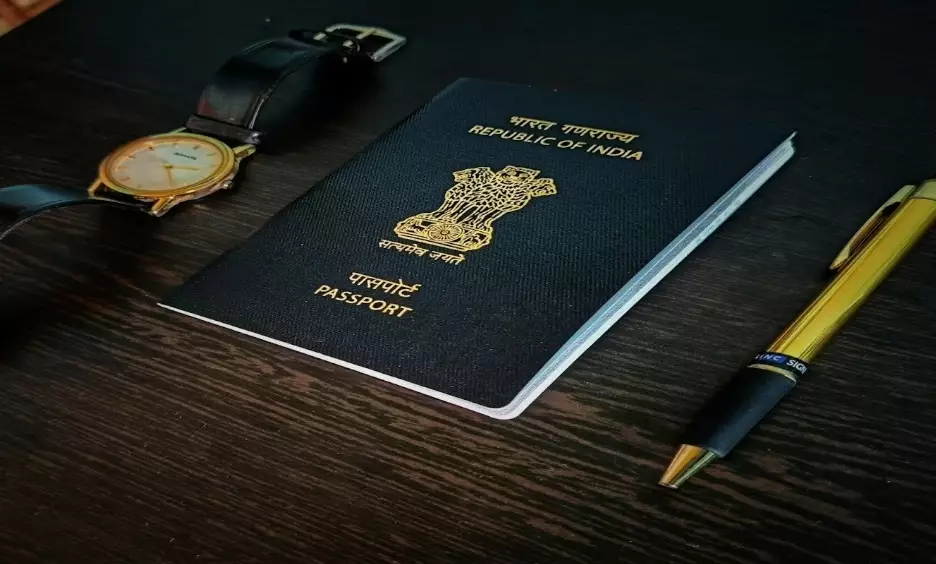
Expert Tips to Avoid Visa Rejection
Having seen applications succeed and fail, here's what most guides won't tell you.
Itinerary is King. A flimsy, one-page itinerary screams "template." Build a believable trip. If you're going for 10 days, don't cram Tokyo, Kyoto, Osaka, and Hokkaido. It looks exhausting and unrealistic. Space it out. Include train journeys (mention the Shinkansen) and realistic transit times.
Bank Statements Tell a Story. They don't just look at the final number. They look at the average balance over six months and the transaction nature. Regular salary credits, steady savings, and natural spending patterns are good. A dormant account suddenly loaded with a large transfer from a relative a week before applying is bad. If you need to move money, do it at least 2-3 months in advance.
Cover Letter Power. While not mandatory, a concise, one-page cover letter can work wonders. Introduce yourself, state the purpose of your visit, briefly highlight your financial stability and strong ties to India (job, family, property), and express your sincere interest in Japanese culture. It personalizes the cold stack of documents.
Double-Check Every Detail. A mismatch between the hotel booking date in your itinerary and the actual hotel confirmation PDF is a careless error they will catch. Have someone else review your entire packet before submission.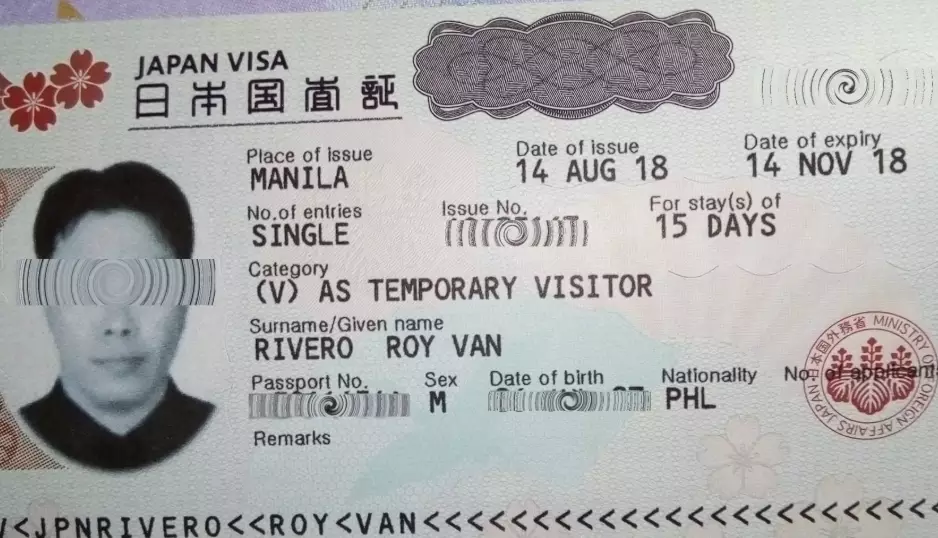
FAQs: Japan Visa for Indians
The process is meticulous, but it's entirely manageable with careful preparation. View it as the first step in your Japanese adventure—a test of your planning skills. Get your documents in order, tell a clear and truthful story with your application, and you'll likely find that visa sticker in your passport, ready for you to explore the Land of the Rising Sun.




Comments