Let's get this out of the way first: Kyushu is a food paradise, but it's not just about Hakata ramen. Sure, that rich, milky tonkotsu broth is iconic, but treating it as the whole story is like visiting Paris only for the croissants. After a decade of eating my way across Japan's southern island, I've found its real magic lies in the staggering regional diversity. From volcanic soil vegetables to some of the world's best beef and pork, and dishes you simply won't find anywhere else, Kyushu demands a dedicated culinary pilgrimage.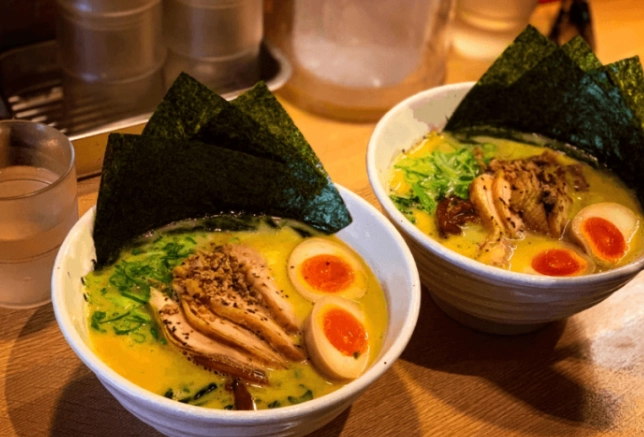
This guide is for the eater who wants to move beyond the tourist checklist. We're going into the specifics: where to find that perfect bowl, yes, but also how to navigate a yatai stall, why Saga beef requires a different mindset, and where to get mind-blowing Kagoshima pork without the fancy restaurant price tag.
Your Quick Bite-Sized Guide
The Regional Powerhouses: A Flavor Map
Think of Kyushu as a collection of fiercely proud culinary nations. Each prefecture has a signature.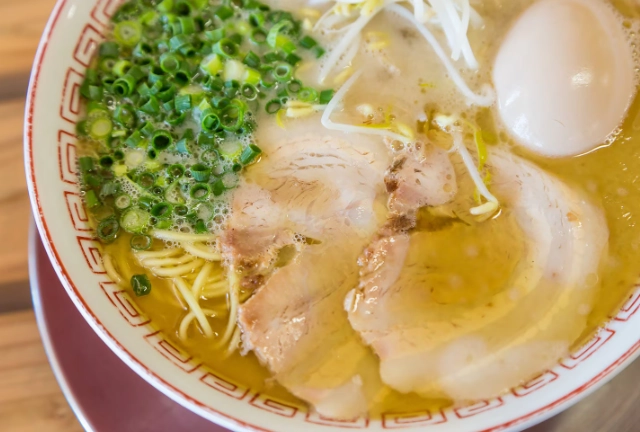
Fukuoka: The Noodle & Offal Capital
Fukuoka City runs on ramen and motsunabe. The ramen here is Hakata-style: thin, straight noodles in a profound pork bone broth, customizable for hardness. The real scene is at the yatai (open-air stalls) at night. But a common mistake? Only going for ramen. Fukuoka's motsunabe (offal hotpot) is a winter lifesaver – rich, slightly spicy, and packed with cabbage and chives. It transforms humble cuts into something glorious.
Kumamoto: The Land of Basashi and Dengaku
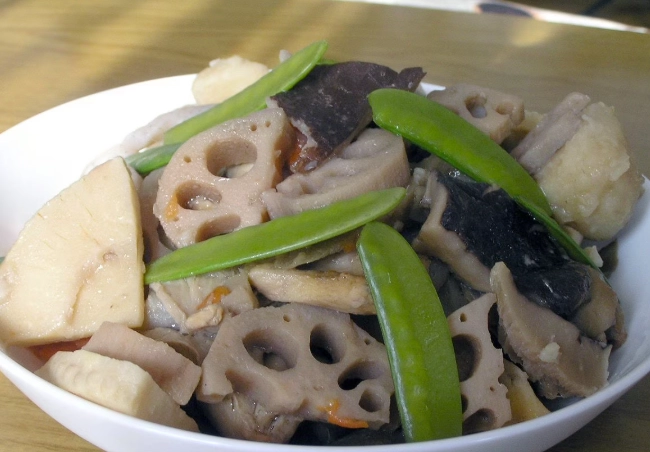
Kumamoto is where you get adventurous. Basashi (horse sashimi) is a staple here, not a novelty. Served with grated ginger and garlic, it's lean, sweet, and has zero gaminess if fresh. Locals also swear by karashi renkon – lotus root stuffed with spicy mustard and fried. It's a textural wonder. The prefecture's signature miso, taipien, forms the base for hearty stews.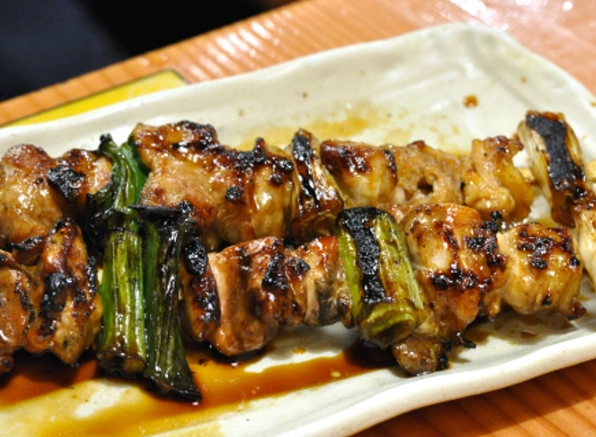
Kagoshima: Kurobuta Kingdom
Kagoshima means Kurobuta (black Berkshire pork). This isn't just pork; it's buttery, tender, and deeply flavored. You'll see it in shabu-shabu, tonkatsu, and even as sausages. But the local soul food is Satsuma-age, a variety of deep-fried fish cakes. Walk into any specialist shop and you'll see a dozen different kinds with cheese, squid, or burdock root mixed in. Grab a few for a snack.
Saga & Miyazaki: The Beef Masters
Saga Beef and Miyazaki Beef consistently battle for top honors in national wagyu competitions. Saga Beef is known for its fine, even marbling that creates a melt-in-the-mouth, almost sweet flavor. Miyazaki Beef has a slightly richer, more robust beef taste. The difference is subtle but real. You don't need a Michelin star to enjoy it; a good teppanyaki or yakiniku spot will do.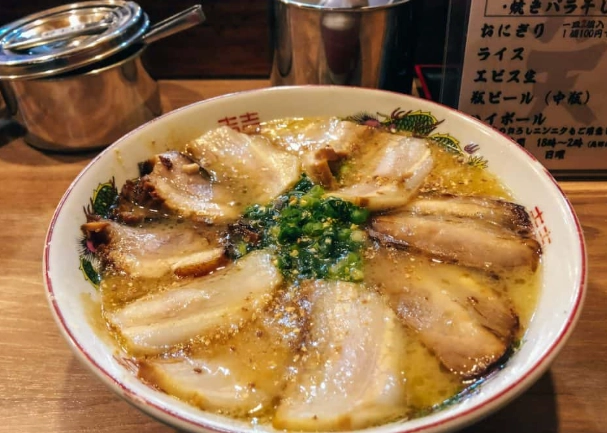
Oita, Nagasaki, and Miyazaki also contribute heavily with seafood, champon noodles, and chicken nanban, but the four above are the heavy hitters.
Non-Negotiable Must-Try Dishes & Where to Find Them
Here’s a targeted list. I'm including specific spots because "good area" advice often leads to wandering and hangry decisions.
| Dish | What It Is | Spot to Try (Address/Area) | Key Info & Price |
|---|---|---|---|
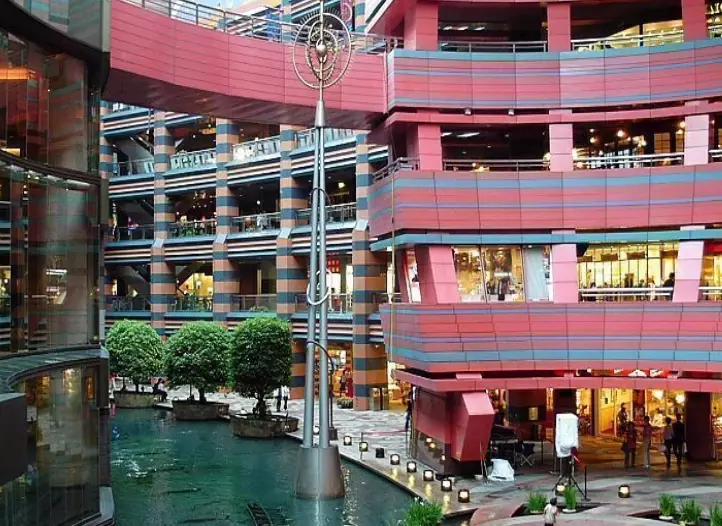
| Hakata Tonkotsu Ramen | The classic. Pork bone broth, thin noodles, optional kaedama (noodle refill). | Ramen Stadium (CANAL CITY HAKATA) or any Yatai stall in Nakasu. For a specific shop: Ichiran (multiple locations) for consistency, Shin-Shin (Tenjin) for local cred. | Yatai: ~800-1000 yen. Shops: 700-900 yen. Cash preferred at yatai. Go early (6:30-7PM). |
| Kumamoto Basashi | Horse sashimi, lean and served with ginger, garlic, soy. | Aoyagi (Kumamoto City). It's an izakaya that does basashi right. 2-1-30 Tetorihoncho, Chuo-ku. | Order a small plate first (~1200 yen). Tastes best with a local sake. |
| Kagoshima Kurobuta Tonkatsu | Breaded, deep-fried Kurobuta pork cutlet. Unbelievably juicy. | Kurobuta Tonkatsu Airaku (Kagoshima City). 6-8 Higashisengokucho. | Lunch sets are incredible value: 1,500 - 2,500 yen. The loin (rosu) is fattier, the fillet (hire) leaner. |
| Saga Beef Teppanyaki | Saga grade beef grilled on an iron plate. | Steak House Zen (Saga City). A solid, authentic choice without the Tokyo prices. 1-8-30 Matsubara. | Dinner courses from 8,000 yen. Listen to the chef on doneness. Medium-rare is your friend. |
| Motsunabe | Offal (beef or pork intestines) hotpot with veggies. | Motsunabe Oyama (Hakata, Fukuoka). The pioneer. 2-6-12 Daimyo, Chuo-ku. | ~3,000 yen per person. A social meal, best with 2+ people. Opens at 5 PM. |
A note on yatai (food stalls): The charm is real, but so are the logistics. Stalls have maybe 8 seats. They open around 6:30PM. If you see a queue of locals, join it – it's a good sign. Don't linger for hours after eating; turnover is part of the deal. Menus are simple: ramen, yakitori, maybe oden. It's about the experience as much as the food.
The Practical Kyushu Eating Guide
How to not just eat, but eat well.
Budgeting Realistically
You can eat cheaply (~1000 yen for ramen, ~500 yen for conbini meals) or spend a fortune on wagyu. A comfortable daily food budget for trying good local specialties is 5,000 - 8,000 yen per person. This allows for a nice lunch set, a street food snack, and a decent dinner with a drink.
Navigating Menus & Etiquette
- Lunch Sets (Teishoku) are your best friend. The same restaurant charging 8,000 yen for dinner might offer a sublime signature dish as part of a 1,800 yen lunch set. This is especially true for tonkatsu, sushi, and even some steak places.
- Point and nod is a perfectly valid ordering method. Many smaller places have plastic food models or picture menus.
- Water/Green Tea is almost always free and self-serve. Look for the jug and cups.
- Paying: Say "check, please" or "okaikei onegaishimasu." Often you pay at the register near the entrance, not at the table.
A Sample 3-Day Food-Focused Itinerary
Day 1 (Fukuoka): Lunch – Ramen at a Tenjin shop. Afternoon – Explore Kushida Shrine & snack on mentaiko (spicy cod roe) samples at the market. Dinner – Motsunabe at Oyama. Late – Drinks and yakitori at a Nakasu yatai.
Day 2 (Day Trip to Kumamoto): Train to Kumamoto. Lunch – Basashi and karashi renkon at a local izakaya like Aoyagi. Afternoon – Kumamoto Castle. Snack – Ikinari Dango (a sweet potato pastry). Dinner – Train back, simple udon near station.
Day 3 (Kagoshima or Saga): Option A (Kagoshima): Fly/train south. Lunch – Kurobuta tonkatsu at Airaku. Afternoon – Satsuma-age sampling. Dinner – Kurobuta shabu-shabu. Option B (Saga): Train west. Lunch – Fresh Saga beef steak lunch set. Afternoon – Visit Yoshinogari Park. Dinner – Fresh Ariake Sea seafood.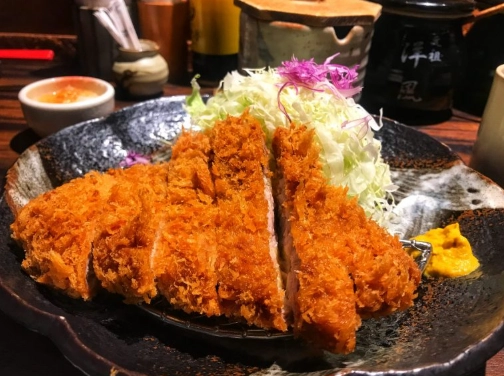
Your Kyushu Food Questions, Answered
Kyushu's food scene rewards curiosity. Move past the first page of guidebook recommendations. That back-alley izakaya, the bustling market stall, the tonkatsu shop filled with salarymen – that's where you'll find the heart of the cuisine. It's robust, varied, and deeply satisfying. Just come hungry.

Comments