Quick Guide
- Where in the World is the Sea of Japan?
- A World Beneath the Waves: Ecology and Marine Life
- The Economic Engine: What the Sea Provides
- The Issue That Won't Go Away: The Naming Controversy
- Experiencing the Sea of Japan: A Traveler's Perspective
- Environmental Challenges: The Sea Under Pressure
- Frequently Asked Questions About the Sea of Japan
- Final Thoughts
Let's be honest. When you hear "Sea of Japan," what comes to mind? Maybe it's just a blue splotch east of the Asian continent on a globe. A place where typhoons brew. Or perhaps it's that body of water you fly over to get from Seoul to Tokyo. I used to think the same way—just another sea. But then I spent some time on its shores, in Niigata and Vladivostok, and the picture got a lot more complicated, and a whole lot more interesting.
This isn't just a passive stretch of water. It's a dynamic, deep, and sometimes contentious space that shapes weather, economies, and international relations. It's a life source and a highway. A barrier and a bridge. Its very name is a topic of diplomatic discussion. So, if you're looking for a simple definition, you might be disappointed. But if you want to understand what makes this sea tick, from its stormy nature to the incredible life beneath its waves, you're in the right place.
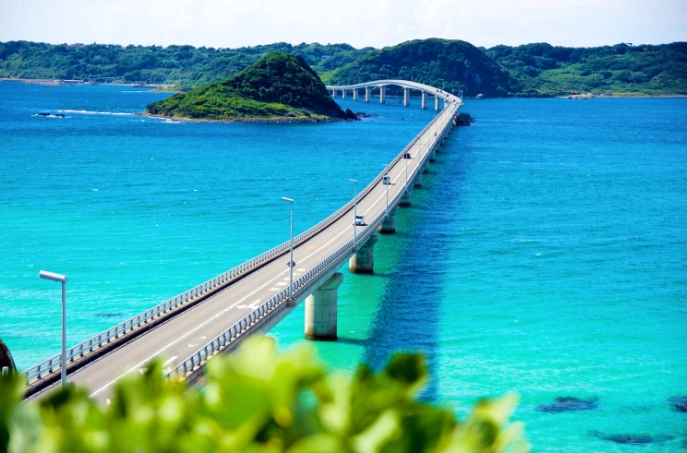 Think of this as your all-access pass.
Where in the World is the Sea of Japan?
Getting our bearings is step one. The Sea of Japan is a marginal sea of the western Pacific Ocean. It's almost entirely enclosed by land, which is a key part of its character. To the west, you have the Korean Peninsula and Russia. To the north and east, it's bounded by the Russian island of Sakhalin and the Japanese archipelago (Hokkaido, Honshu, and Kyushu). The south connects to other seas through a few narrow straits.
This semi-enclosed nature is a big deal. It means the sea's currents, salinity, and even its temper are heavily influenced by the landmasses that cradle it. It's not open ocean. It's more like a giant, complex basin.
Quick Geography Snapshot: The sea covers roughly 978,000 square kilometers. Its average depth is a staggering 1,752 meters, with the maximum depth plunging down to about 3,742 meters in the central Japan Basin. That's deep enough to submerge about seven Burj Khalifas stacked on top of each other.
The Crucial Gateways: Straits
Since it's nearly landlocked, the few connections it has to other bodies of water are its lifelines. These straits control the exchange of water, marine life, and even naval traffic. The main ones are:
- The Tsushima Strait: Between Korea and Japan's Kyushu island. This is the main southern entrance. Warm water from the south flows in here via the Tsushima Current, a branch of the mighty Kuroshio Current. This is like the sea's central heating system.
- The Tsugaru Strait: Separating Honshu and Hokkaido. It lets water flow out into the Pacific.
- The Soya Strait (or La Pérouse Strait): Between Hokkaido and Sakhalin. Another exit route.
- The Tartary Strait: Between Sakhalin and mainland Russia. This connects it to the Sea of Okhotsk, but it's shallow and can freeze in winter.
The water coming in from the south is warm and salty. The water exiting is cooler. This constant, massive-scale plumbing defines the sea's unique marine environment.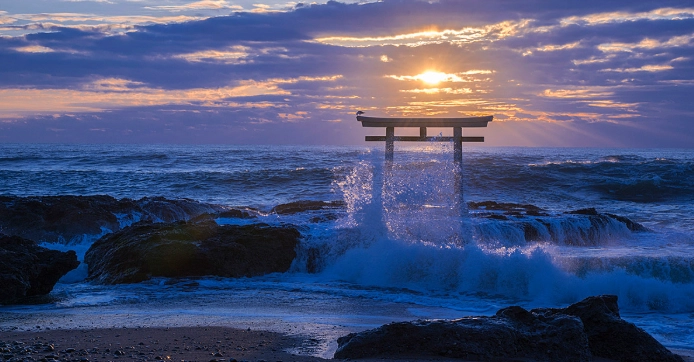
A World Beneath the Waves: Ecology and Marine Life
Okay, this is where it gets cool. The unique geography of the Sea of Japan creates distinct ecological zones. The warm Tsushima Current flows north along the Japanese coast, while a cold current, the Liman Current, comes down from the north along the Russian and Korean coasts. Where they meet? It's a buffet line for marine life.
The biodiversity is a fascinating mix. You get subtropical species hanging out in the warmer southern waters near Japan, and subarctic species chilling (literally) in the north near Russia. This mix is something you don't see in many places. It's not the riot of color of a coral reef, but it has its own stark, productive beauty.
Notable Residents: The sea is famous for its squid (especially the Japanese flying squid), salmon, crab (snow crab is a huge deal), and pollock. It's also home to marine mammals like dolphins, porpoises, and seals. Whales, including minke and sperm whales, pass through or forage here. On the coast, you find vast kelp forests, particularly off Hokkaido, which are crucial ecosystems.
But let's talk about the elephant in the room—or rather, the fish in the net. The fishing grounds in the Sea of Japan are some of the most productive in the world. I remember the sardine markets in Toyama Bay being absolutely chaotic at 5 AM. The abundance is palpable. This leads us directly to the next big point.
The Economic Engine: What the Sea Provides
For the surrounding nations, the Sea of Japan isn't just pretty scenery. It's a vital economic zone. The resources pulled from its waters and the trade that moves across it are foundational.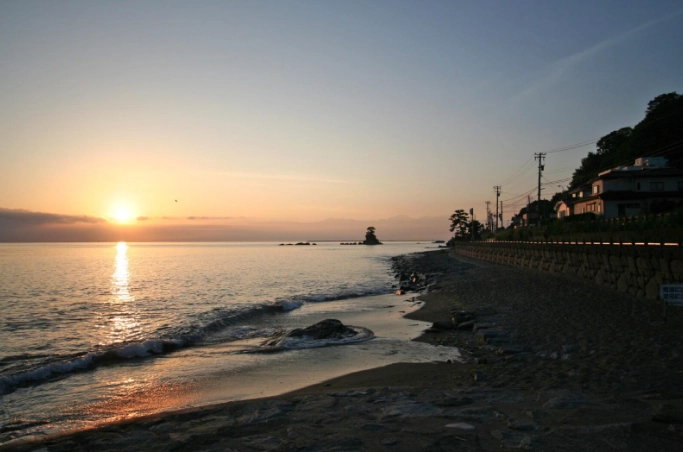
Fishing: The Lifeblood
This is the big one. Japan, South Korea, and Russia all have major fishing fleets operating here. The catch includes:
- High-Value Seafood: Snow crab, king crab, scallops, sea urchin (uni), and salmon command high prices domestically and for export.
- Staple Catches: Squid, mackerel, sardines, and pollock form the backbone of the industry, ending up in everything from supermarket freezers to fishmeal.
However, it's not all smooth sailing. Overfishing has been a serious concern for decades. Species like the Japanese sardine have seen massive population swings. Managing these shared stocks is a constant challenge that requires international cooperation, which is... complicated. Sticking to sustainable quotas is easier said than done when livelihoods are on the line. You can see the official data and management efforts from agencies like Japan's Fisheries Agency, which outlines the ongoing balancing act.
Shipping and Trade
Look at a map of East Asia. The Sea of Japan is a major maritime highway. It connects some of the world's largest economies.
- Key Ports: Busan (South Korea), Niigata, Kanazawa, Vladivostok (Russia), and Chongjin (North Korea) are all major hubs.
- What Moves: Container ships carrying electronics, cars, and machinery. Tankers transporting oil and LNG. Bulk carriers with coal and grain. The sea is a critical link in the supply chains between Northeast Asia, Europe (via the Russian Arctic), and North America.
The strategic importance of these sea lanes cannot be overstated. It's why naval presence is a constant feature here.
Energy and Minerals
Beyond fish and ships, the seabed is of interest. There are known deposits of methane hydrates (a potential future energy source) and sand/gravel for construction. Exploration is ongoing, but it's a sensitive area due to the depth and the overlapping maritime boundaries we'll discuss later.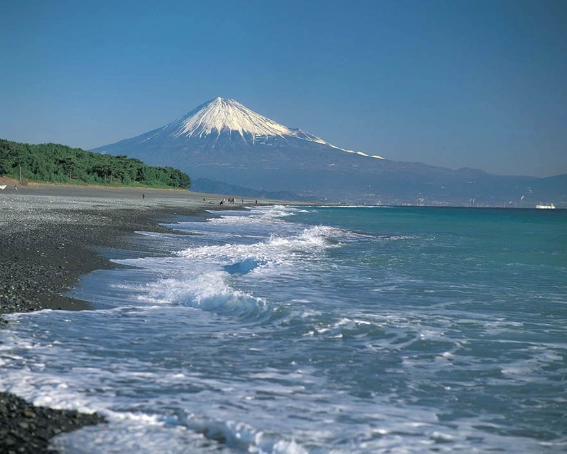
The Issue That Won't Go Away: The Naming Controversy
Alright, we have to talk about this. It's the most politically charged aspect of the Sea of Japan. The name itself is not universally accepted.
Japan's position is that "Sea of Japan" is the sole, internationally established name with historical precedent dating back centuries in Western maps. They argue it's a standard geographical term, like "Indian Ocean." The Japanese Ministry of Foreign Affairs has a dedicated page laying out this historical case.
South Korea's position is that the name is a legacy of Japanese imperialism and colonial expansion in the early 20th century. They advocate for the use of "East Sea" (동해) alongside "Sea of Japan," arguing it is the name historically used in Korea for millennia. North Korea also uses "East Sea of Korea."
Russia generally uses "Sea of Japan" (Японское море).
This isn't just academic. It plays out in international forums like the International Hydrographic Organization (IHO), in textbook publications, and on global mapping platforms like Google Maps. For travelers and researchers, it can be confusing. You might see both names on different maps. For the countries involved, it's a matter of national identity and historical narrative.
My personal take? As an outsider, it's a stark reminder that geography is never just physical. It's always wrapped up in history, politics, and perception. The sea doesn't care what we call it, but the people around it certainly do. The most neutral approach for international media and organizations has often been to use both names where possible, e.g., "Sea of Japan (East Sea)." But a universally agreed solution seems distant.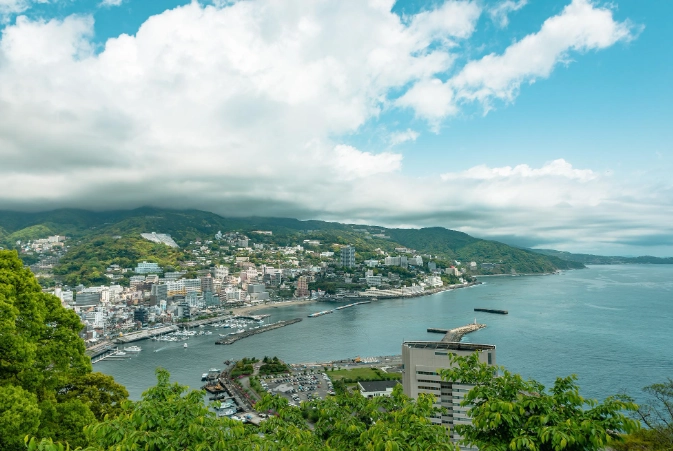
Experiencing the Sea of Japan: A Traveler's Perspective
Enough politics. What's it actually like to be there? The coasts offer wildly different experiences. The Japanese side, facing the prevailing winds, is often rugged and dramatic, with famous sea cliffs and fishing villages clinging to the shore. The Korean side can be more gradual in places.
Top Coastal Experiences
If you're planning a trip, here are some highlights you shouldn't miss, based on my own bumps and discoveries:
| Experience | Location (Country) | What's Special | Best Time to Visit |
|---|---|---|---|
| Tojinbo Cliffs | Fukui, Japan | Spectacular columnar basalt cliffs formed by volcanic activity and erosion. Feels otherworldly. | Spring (Apr-Jun) or Autumn (Sep-Oct) for calm seas. |
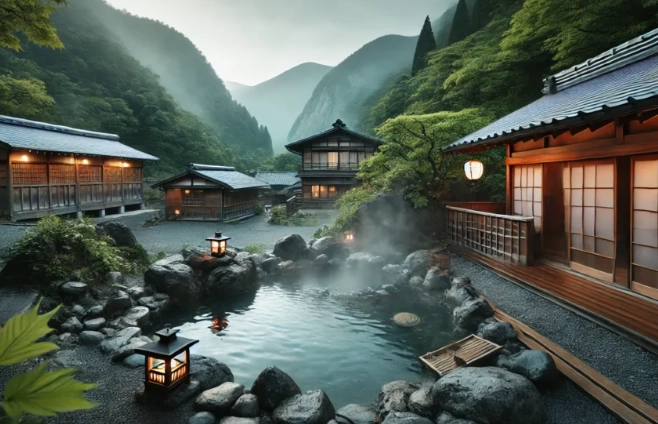
| Ginzan Onsen | Yamagata, Japan | Not directly on the coast, but in the mountains draining to the sea. A stunning historic hot spring town that looks like a Miyazaki film. | Winter, when snow blankets the wooden ryokans. |
| Toyama Bay Firefly Squid | Toyama, Japan | Bioluminescent squid that wash ashore in spring, creating a blue sparkling coastline at night. A unique natural phenomenon. | Late March to Early June. |
| Vladivostok's Harbor & Russky Island | Primorsky Krai, Russia | Bustling Russian port city with a dramatic hilltop setting, historic forts, and the impressive Russky Bridge. | Summer (Jul-Aug) for warm weather. |
| Sokcho & Seoraksan National Park | Gangwon-do, South Korea | Beautiful beaches at Sokcho with the backdrop of the stunning Seorak mountains. Great for hiking and fresh seafood. | Autumn for mountain foliage. |
A word of warning about travel on the Sea of Japan side of Honshu—it's often called the "back side" (Ura Nihon) for a reason. The weather can be harsher, with heavier snow in winter (the famous "snow country" regions) and more cloud cover. Don't expect the sunny, subtropical feel of the Pacific coast around Tokyo or Osaka. Pack accordingly. But that also means fewer crowds and a more authentic, rugged feel.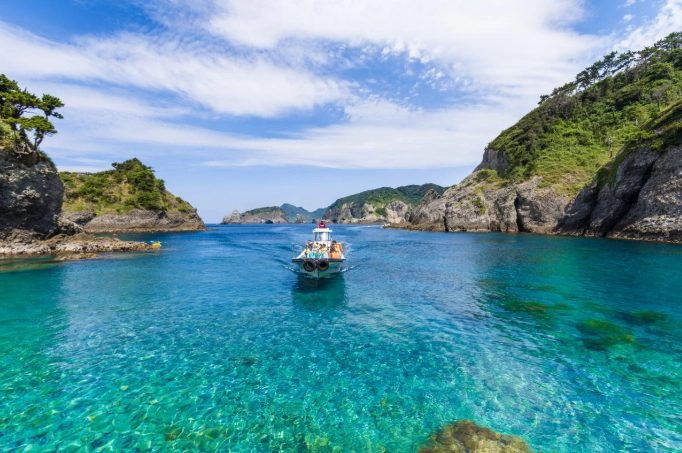
The Food, Oh The Food
This deserves its own section. The cuisine along the Sea of Japan coast is heavily, gloriously seafood-centric.
- Sushi and Sashimi: As fresh as it gets. Look for local specialties like nodoguro (blackthroat seaperch), kani (crab), and hotate (scallops).
- Grilled and Simmered: Squid grilled whole (ikayaki), fish simmered in soy sauce and sugar (nitsuke).
- Korean Coastal Fare: In Korea, enjoy hoe (raw fish), spicy seafood stews (haemul tang), and grilled shellfish.
I still dream about a simple bowl of crab miso soup I had in a tiny port-side shack in Kyoto Prefecture. It was the essence of the sea in a bowl.
Environmental Challenges: The Sea Under Pressure
All this human activity leaves a mark. The Sea of Japan faces significant environmental pressures that threaten its long-term health.
- Overfishing: We touched on this. It's the number one threat to the ecosystem's balance. When key species are depleted, the entire food web feels it.
- Pollution: Land-based runoff (agricultural chemicals, industrial waste), plastic pollution, and potential oil spills from heavy ship traffic. The semi-enclosed nature means pollutants don't flush out easily; they can accumulate.
- Climate Change: This is the big, slow-moving threat. Warmer water temperatures can alter current patterns, affect species distribution (some moving north), and increase the frequency of harmful algal blooms. Acidification from absorbed CO2 threatens shellfish and the base of the food chain.
Monitoring these changes is critical. Organizations like Japan's Japan Meteorological Agency and the Ministry of the Environment track sea surface temperatures, acidity, and ecosystem health. The data shows a clear warming trend, which is worrying.
Cooperation across borders is essential for addressing these issues, but geopolitical tensions often get in the way. It's a classic tragedy of the commons scenario playing out in real-time.
Frequently Asked Questions About the Sea of Japan
Let's tackle some of the most common things people search for.
Why is it called the Sea of Japan?
As discussed, it's the internationally conventional name that appeared on European maps from the late 18th/early 19th century, based largely on maps provided by Japanese sources during the country's period of isolation. Japan advocates for its exclusive use based on this history and international standardization.
What is the alternative name?
The primary alternative is "East Sea," advocated by South Korea. Some maps and contexts use the dual naming "Sea of Japan (East Sea)."
Can you swim in the Sea of Japan?
Yes, but with caveats. The water is generally colder than the Pacific side of Japan, especially in the north. The swimming season is shorter (July to August is best). Beaches on the Japanese coast can be rocky and the currents can be strong, so always swim at designated beaches with lifeguards. The Korean east coast has more sandy beaches suitable for swimming.
Why is the Sea of Japan so deep?
It's a back-arc basin. In simple terms, the tectonic plate under the Pacific Ocean is subducting (sliding beneath) the plate carrying the Japanese islands. This process pulls and stretches the crust behind the Japanese archipelago, causing it to thin and sink, creating a deep basin. The Geospatial Information Authority of Japan has detailed geological surveys of the region.
What is the sea known for?
It's known for its rich fisheries (squid, crab, salmon), its role as a major shipping lane, its deep basins, its harsh winter weather (creating heavy snowfalls on the Japanese coast), and the ongoing international dispute over its name.
Is it safe for shipping?
Generally, yes—it's one of the world's busiest shipping areas. However, in winter, it can experience severe storms and high waves. Modern navigation and weather forecasting make it safe for large vessels, but conditions can be challenging.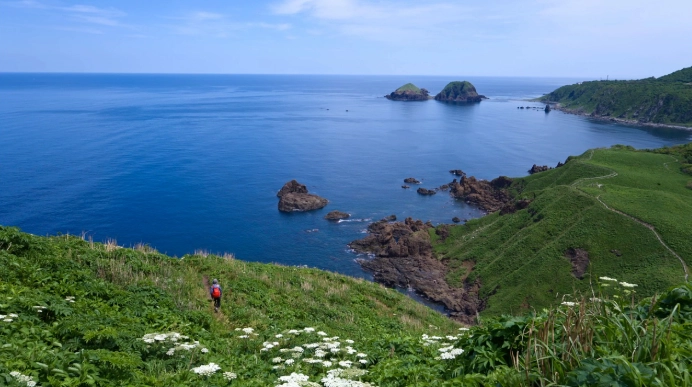
Final Thoughts
The Sea of Japan is a place of contrasts. It's serene and stormy. Abundant and overexploited. A unifier and a divider. Its deep blue waters tell stories of ancient geology, thriving ecosystems, human endeavor, and political friction.
Forget the simple blue splotch. See it for what it is: a complex, living system that demands our understanding and respect. Whether you're a traveler seeking rugged coasts and amazing seafood, a student of geography or international relations, or just someone curious about the world, the Sea of Japan has layers worth peeling back.
Just remember to pack a warm jacket if you visit the western side in winter. I learned that the hard way.

Comments