So you're planning a trip to Japan. Your mind probably jumps to Tokyo's Shibuya Crossing, Kyoto's golden pavilion, or maybe Osaka's street food. Those are great, but they're just the opening scene of a much richer story. After over a decade of exploring the country, from guiding tours to getting lost in back alleys, I've learned that Japan's true magic often lies just beyond the postcard.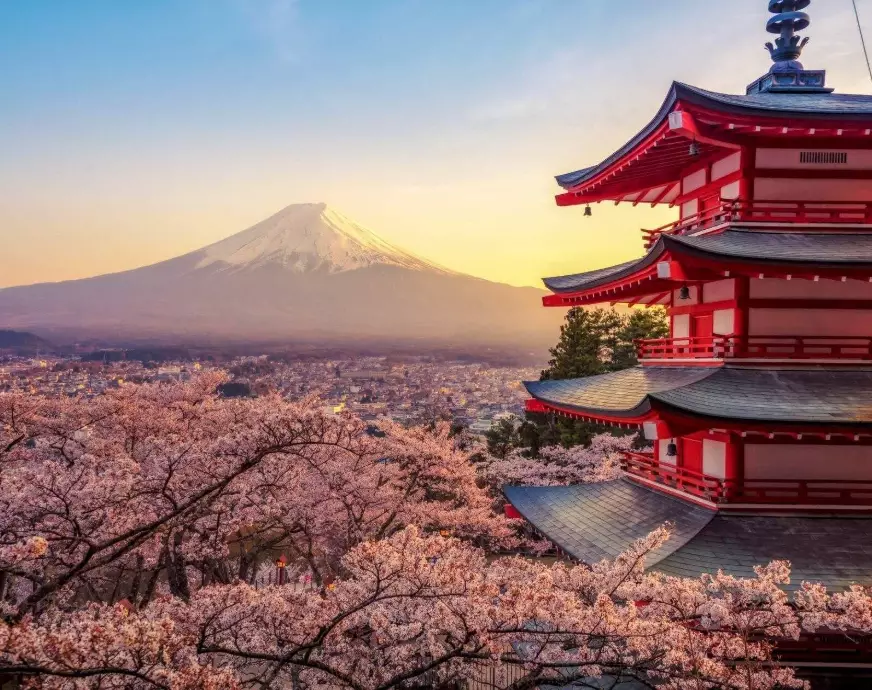
The real challenge isn't finding places to go in Japan; it's choosing which layers of its soul you want to uncover. Do you chase the serene perfection of a moss garden, feel the thunder of a thousand taiko drums, or taste a strawberry that was grown in a soundtrack? This isn't another listicle. It's a map to the experiences that stick with you, built on missed trains, surprising conversations, and moments where the Japan you thought you knew quietly unravels.
Your Japan Travel Shortcut
Skip the Crowds: Kansai's Underrated Treasures
Everyone floods into Kyoto's Arashiyama and Fushimi Inari. I get it. They're stunning. But elbow-to-elbow with a hundred phones capturing the same bamboo grove? That's not serenity. Just an hour away, a different rhythm exists.
Nara Beyond the Deer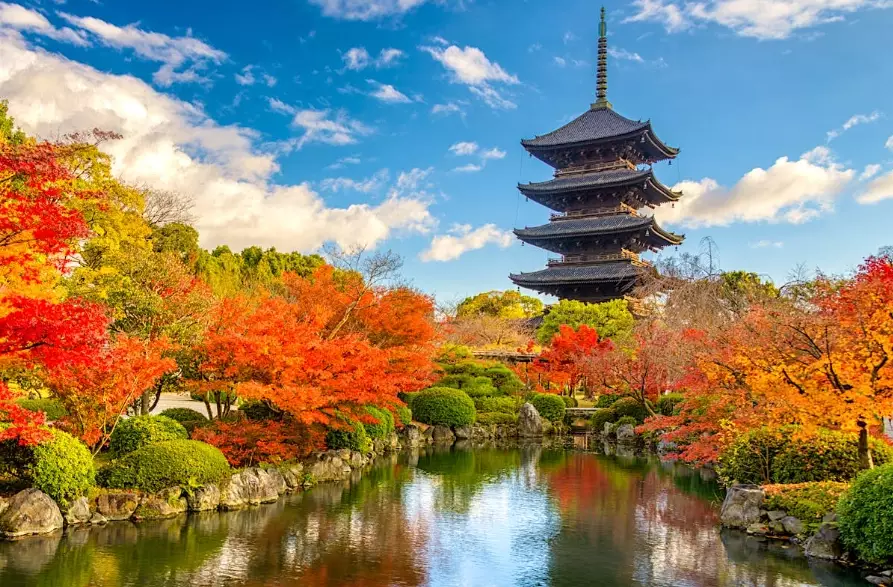
Yes, Todai-ji's Buddha is immense. But the deer in Nara Park have turned into semi-professional snack thieves. For a quieter, more profound experience, head to Horyu-ji Temple. Its pagoda is the world's oldest wooden building, and the atmosphere feels centuries thick. Go early. The light through the ancient cypress is worth the trip alone. Afterwards, wander the Nara National Museum quarters. It's less crowded, and the collection of Buddhist art is staggering in its quiet beauty.
Kobe's Surprising Soul
Kobe is often just a name on a beef label. That's a shame. The city, rebuilt after the 1995 earthquake, has a resilient, international vibe. The Kobe Nunobiki Herb Gardens, reached by cable car, offer city views and a scent-filled stroll. The real magic is in the Kitano-cho district with its Western-style mansions. But here's the local tip everyone misses: find a tiny bar in Sannomiya after dark. The conversations you'll overhear (or stumble into) are the real city pulse.
Himeji Castle: A Lesson in Perfection
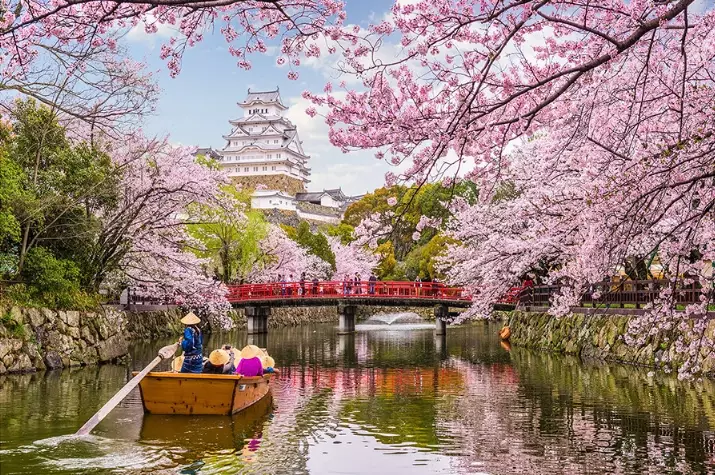
Himeji Castle is the definitive Japanese castle. It's not a reconstruction. It's the original, a white heron poised for flight. The preservation work is a masterclass in craftsmanship. Go on a weekday, right at opening. Climb to the top. The view, the feel of the wood underfoot, the intricate defensive design—it’s a physical history lesson. Pair it with the nearby Koko-en Garden for a full morning. Most day-trippers from Osaka or Kyoto only give it a few hours. Don't be them.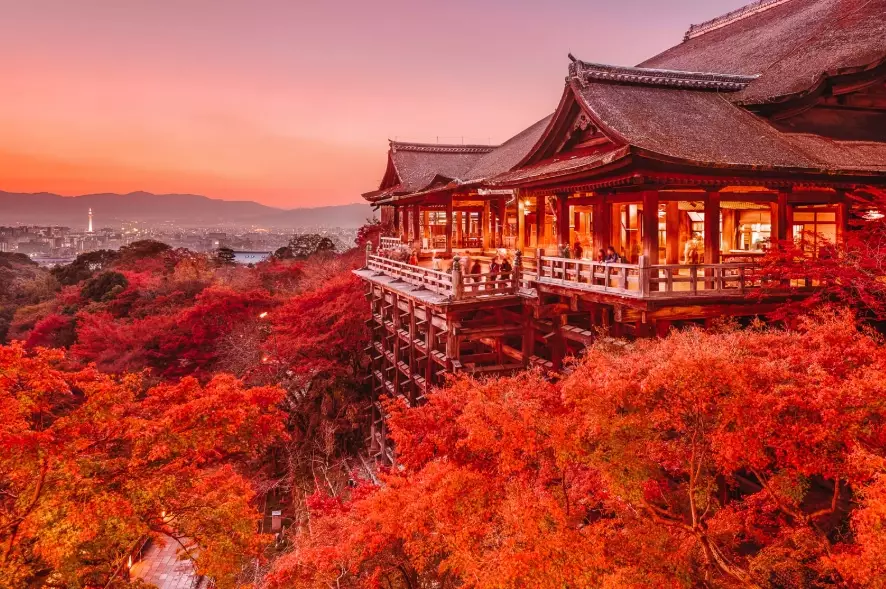
Into the Mountains: The Japanese Alps & Takayama
If your image of Japan is just cities and temples, the Alps will recalibrate you. This is the country's rugged backbone, offering vistas that belong in a fantasy novel.
Kamikochi: Walking the Roof of Japan
Kamikochi is not a single spot but a highland river valley that feels like a curated exhibit of natural beauty. The Kappa-bashi bridge frames the Hotaka range in a way that makes professional photographers weep. The walking paths are immaculate. The air is cool and sharp. It’s busy in autumn, but even then, the scale of the place absorbs the crowd. Stay at the Kamikochi Imperial Hotel for the full experience—the history seeps out of the woodwork.
Shirakawa-go & Gokayama: Living History
These UNESCO villages with their steep thatched roofs (gassho-zukuri) aren't a museum. People live here. The houses are surreal up close, like massive, resting hands. You can stay in one as a minshuku (guesthouse). Waking up to that view, with mist clinging to the roofs, is a different kind of time travel. The Shirakawa-go Observatory gives the postcard view, but the real story is in the lanes between houses.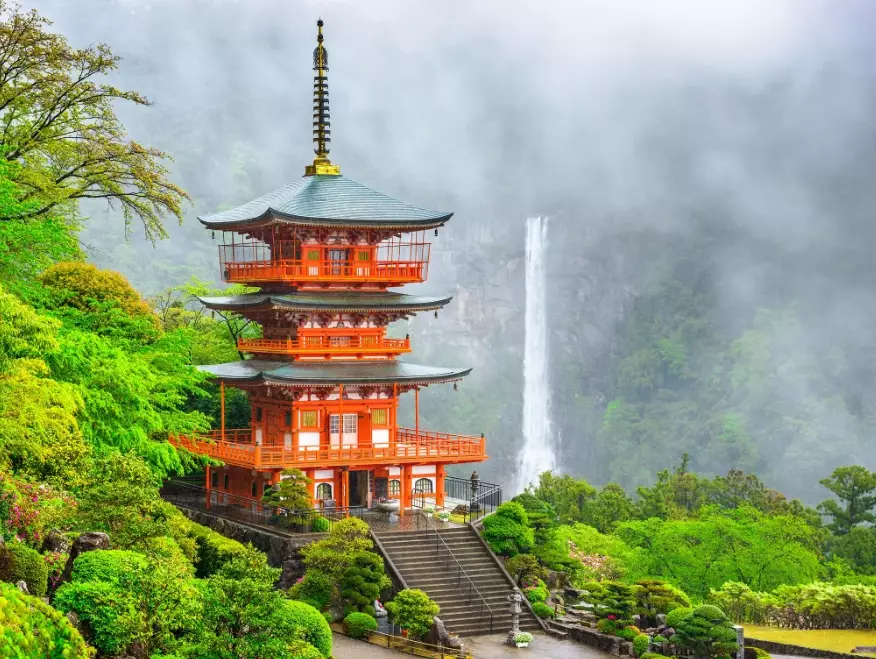
Takayama: A Time Capsule
Takayama's old town (Sanmachi Suji) is often called "Little Kyoto," but that sells it short. The dark wood lattices, the sake breweries with their sugidama balls, the morning markets—it has a mercantile, earthy feel that Kyoto's aristocratic polish sometimes lacks. Visit the Takayama Jinya, a former government house. The tatami rooms, the documents, the quiet—it’s a masterclass in Edo-period atmosphere.
I made a mistake here once. I rushed. I ticked off the old town, a museum, and a sake tasting in half a day. It felt hollow. The next visit, I just sat by the Miyagawa River in the late afternoon, watching the light change on the buildings. That's the memory that stuck.
Southern Kyushu: Volcanoes, Onsen, and Black Sand
Kyushu is Japan's volcanic heart, and it beats to a different, slower drum. This is where the landscape feels raw and the culture has a distinct flavor.
Kagoshima: Living with a Volcano
Kagoshima is dominated by Sakurajima, an active volcano that occasionally dusts the city with ash. The Sengan-en Garden is the classic view, but take the ferry across to the volcano itself. Walk the trails. The scale is humbling. Back in the city, the Shiroyama Observatory gives a panoramic view that ties the whole scene together. The local specialty is kurobuta (black pork). Try it in shabu-shabu or as a tonkatsu. The richness is unreal.
Ibusuki's Sand Baths
Ibusuki is famous for its sand baths, where you're buried in naturally heated volcanic sand. It sounds quirky. It feels transformative. The weight of the sand, the geothermal heat—it pulls tension from muscles you forgot you had. Do it. Afterwards, your skin feels like it's been replaced with a newer, smoother version. The Ibusuki Sunamushi Kaikan is a reliable spot for first-timers.
Yakushima: Island of Ancient Forests
This is a detour, but for a certain type of traveler, it's the main event. Yakushima is a UNESCO island where the rainfall is measured in meters, not millimeters. The forests are ancient, moss-cloaked, and home to cedar trees that were ancient when Rome was still a republic. Shiratani Unsuikyo is a hiking area that feels like a Studio Ghibli film made real. Stay in a minshuku. The island's pace, the depth of green, the clarity of the streams—it recalibrates your sense of time.
Weaving It Together: A Realistic Japan Itinerary
Here’s the truth most guides won't tell you: Japan travel involves a lot of moving. The train system is brilliant, but it's still time. This 14-day framework is designed for flow, not fatigue.
| Days | Base | Highlights | Travel Note |
|---|---|---|---|
| 1-4 | Tokyo | Senso-ji, Shinjuku Gyoen, teamLab Planets, day trip to Nikko | Use Suica card. Book teamLab in advance. |
| 5-7 | Kyoto | Fushimi Inari (early!), Philosopher's Path, Gion district | Rent a bicycle. Avoid major temples on weekends. |
| 8-9 | Nara/Kobe | Horyu-ji, Kobe Nunobiki Herb Gardens, Kitano-cho at night | Nara is a day trip. Stay in Kobe for local evening atmosphere. |
| 10-12 | Japanese Alps | Kamikochi valley hike, Shirakawa-go village, Takayama old town | Check bus schedules for Kamikochi. Book accommodation early. |
| 13-14 | Kagoshima | Sakurajima view, sand bath in Ibusuki, local kurobuta pork | Fly from Tokyo to Kagoshima. Sand baths require specific attire. |
The biggest mistake first-timers make? Over-scheduling. You cannot see "all of Japan" in two weeks. You can see a profound slice of it if you allow for slow mornings, unexpected detours, and the time to just sit in a garden or a tiny bar and let the place happen to you. This itinerary has buffers. Use them.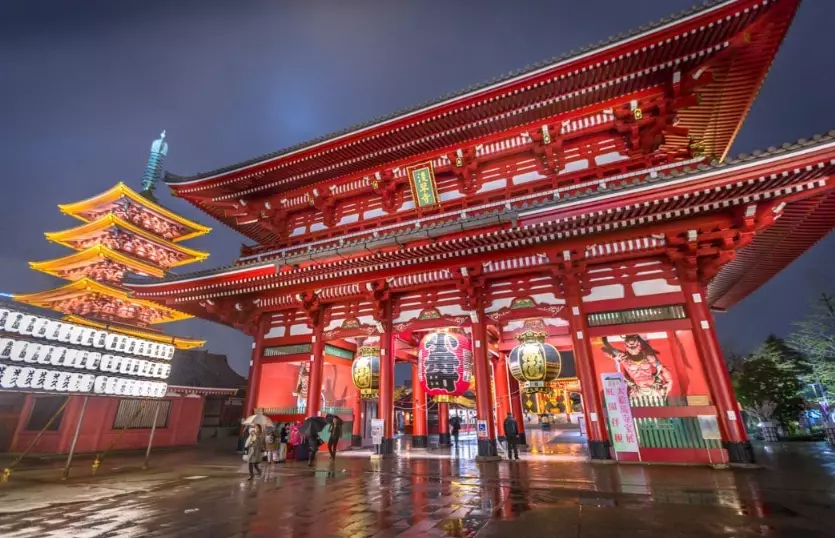
Essential Japan Travel Tips & Common Pitfalls
These aren't the standard tips. These are the ones you learn by getting it wrong first.
Cash is Not King (Anymore)
The pandemic accelerated a shift to digital payments. Many places, especially in cities, now prefer card or mobile pay (like PayPay). You still need some cash for rural areas, small restaurants, and temples, but don't arrive with stacks of yen like it's 2010. IC cards (Suica, Pasmo) are your urban lifeline.
The Quiet Car is a Sacred Space
On trains, especially Shinkansen, there are designated quiet cars. Talking on the phone is forbidden. Even conversations should be hushed. I've seen tourists get politely but firmly shushed by salarymen. It's not personal. It's the culture. Respect it.
Convenience Stores are Culinary Hubs
Lawson, FamilyMart, 7-Eleven—they're not just for snacks. The quality of onigiri, sandwiches, salads, and even full meals is shockingly high. It's a budget traveler's secret weapon. Also, they have amazing coffee. Try the hot cans from the vending machine.
Garbage Bins are a Myth
You will not find public trash cans. Carry a small bag for your rubbish. The culture is to take it home. It's why the streets are so clean, but it's a shock if you're not prepared.
Tattoo? Check Ahead
Many onsen (hot springs) and some public baths still prohibit visible tattoos. It's a cultural association with yakuza. Always check the policy before you go. Some places sell skin-colored patches to cover small tattoos.
Your Japan Travel Questions Answered
Choosing your places to go in Japan is about resonance, not just checking a list. It's about the quiet afternoon in a Takayama lane, the weight of volcanic sand in Ibusuki, the specific slant of light through ancient cypress in Nara. These are the moments that define a trip.
Japan rewards the traveler who plans but leaves room for the unexpected detour, the unplanned conversation, the hour spent just watching light move across a garden. Go with that intention. The country will meet you there.


Comments