Explore Your Journey
- The Classic 14-Day Japan Itinerary: Tokyo, Hakone, Kyoto, Osaka
- Days 6-7: Hakone – Mountains, Lakes, and Onsen
- Days 8-11: Kyoto – The Soul of Ancient Japan
- Days 12-13: Osaka – The Kitchen of Japan
- Day 14: Departure from Kansai (KIX)
- Budget Breakdown: How Much for Two Weeks in Japan?
- Essential Practical Info for Your Trip
- Frequently Asked Questions (FAQs)
- Final Thoughts: Making This Itinerary Your Own
So you've got two weeks for Japan. Good choice. It's just enough time to get a real taste without feeling like you're on a marathon. A Japan travel itinerary 14 days trip is the sweet spot for first-timers. You can hit the classic golden route—Tokyo, Kyoto, maybe Osaka and a hot spring town—without completely burning out. But let's be real, planning it can feel like trying to solve a puzzle where all the pieces are in Japanese. Where do you even start? How do you move between cities? What's worth your limited time?
I remember my first trip. I spent hours staring at maps, trying to cram everything in. I ended up walking 20,000 steps a day and was exhausted by day ten. Learned my lesson the hard way. This itinerary is what I wish I had back then. It's paced, it's practical, and it focuses on the experiences that actually stick with you, not just checking boxes. We'll cover the iconic sights, sure, but also where to find that mind-blowing bowl of ramen, how to navigate the trains without a panic attack, and how much cash you'll really need.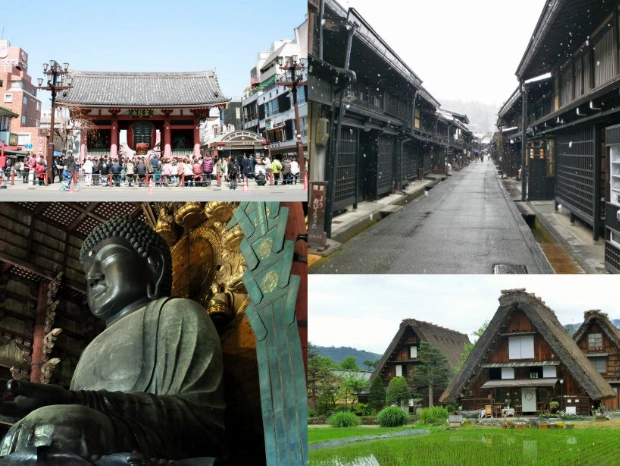
Why 14 Days is the Perfect Length
One week is a tease. Three weeks is a dream for most. Two weeks? That's the realistic dream. It allows for a logical geographical loop, a mix of hyper-modern and ancient, and enough downtime to actually enjoy it. You're not just transiting. You're absorbing.
The Classic 14-Day Japan Itinerary: Tokyo, Hakone, Kyoto, Osaka
This route is popular for a reason. It's efficient, offers insane variety, and the transport links are fantastic. It gives you the neon-drenched future in Tokyo, the serene mountains and hot springs of Hakone, the timeless temples of Kyoto, and the gritty, delicious energy of Osaka. Think of it as Japan's greatest hits album.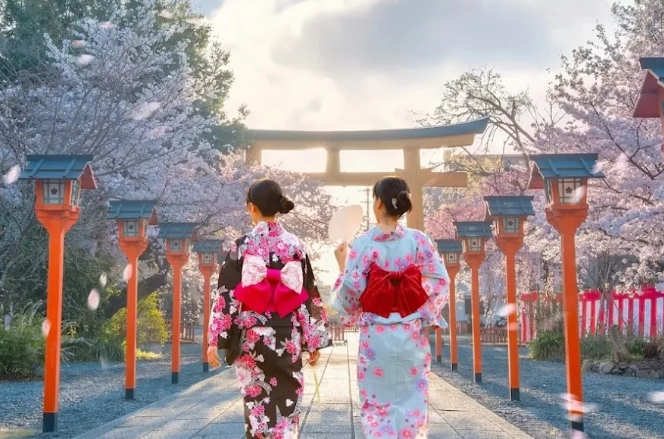
Days 1-5: Tokyo – The Electric Metropolis
Fly into either Narita (NRT) or Haneda (HND). Haneda is closer, which is a huge plus after a long flight. Get a Suica or Pasmo card at the airport station. This rechargeable IC card is your lifeline for trains, buses, and even convenience store snacks. Don't overthink it; just get one.
Where to Stay: Shinjuku for nightlife and transport hub chaos. Shibuya for youth culture and shopping. Ginza for upscale (and pricier) quiet. I lean towards Shinjuku or Shibuya for the sheer energy and convenience.
Day 1: Arrival & Shinjuku. You'll be jet-lagged. Keep it simple. Check in, maybe take a nap if you must (try to push through to local bedtime). Head to Shinjuku in the evening. Wander the insane neon canyons of Kabukicho (it's safe, just loud), see the Metropolitan Government Building for a free panoramic view of the city, and have your first dinner. Maybe find a tiny izakaya under the train tracks in Omoide Yokocho ("Piss Alley" – charming, I know).
Day 2: Shibuya & Harajuku. Morning at Meiji Jingu shrine. It's a stunning, quiet forest in the middle of the city. The contrast is unreal. Then walk to Takeshita Street in Harajuku. It's a crowded, sugary spectacle of teen fashion. Honestly, it's kind of overwhelming and a bit tacky, but you have to see it once. For lunch, find a good tonkatsu place. Afternoon, experience the Shibuya Scramble Crossing. Go to the Starbucks in the Tsutaya building for the classic view. It's always packed. Worth it? For a quick photo, maybe.
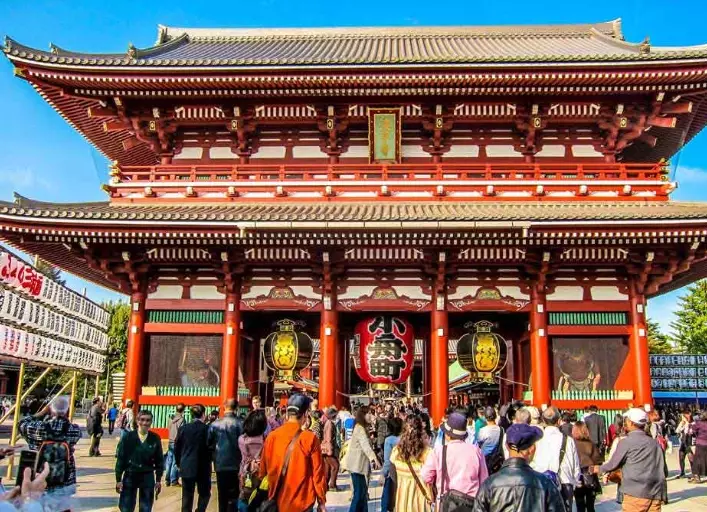
Day 3: Asakusa & Tokyo Skytree. Start at Senso-ji Temple, Tokyo's oldest. The Nakamise shopping street leading to it is touristy, but the temple itself is powerful. Try some ningyo-yaki (small cake) from a street vendor. Later, head to the Tokyo Skytree. The view is undeniably incredible, but it's expensive and can have long lines. The cheaper, older alternative is Tokyo Tower, which has more character in my opinion.
Day 4: Day Trip Choices. Here's where your 14-day Japan itinerary gets flexible. Option A: Take a train to Kamakura. See the Great Buddha (Daibutsu), which is outdoors and magnificent. Wander the temple trails. Option B: Go to Nikko. It's a longer trip, but Toshogu Shrine is arguably the most ornate, breathtaking shrine complex in Japan. It's a UNESCO site for a reason. If you choose Nikko, it's a full, tiring day.
Day 5: Final Tokyo Day & Ghibli Museum. If you're a fan, the Ghibli Museum in Mitaka is pure magic. You must book tickets online months in advance via the official Lawson ticket site. They sell out instantly. If you miss out, explore neighborhoods like Akihabara (for electronics and anime) or Shimokitazawa (for vintage shopping and cool cafes). Your last Tokyo dinner – go for sushi. Don't stress about getting into Sukiyabashi Jiro (you won't). Find a well-rated kaiten (conveyor belt) or a small sushiya in Ginza.
That's Tokyo. Fast-paced, sensory overload in the best way. Now, for a complete change of scenery.
Days 6-7: Hakone – Mountains, Lakes, and Onsen
This is the relaxation and nature leg of your Japan travel itinerary 14 days. You take the Shinkansen (bullet train) from Tokyo to Odawara (about 40 mins), then switch to local trains or buses into Hakone.
The Hakone Loop is the classic activity. It's a circuit using different modes of transport: train, cable car, ropeway, pirate ship (yes, pirate ship) on Lake Ashi, and bus. The main goal is to see Mount Fuji. Here's the brutal truth: Fuji-san is shy. If it's cloudy, you won't see it. Check the forecast, but have a backup plan. Even without Fuji, the volcanic valley (Owakudani) with its sulfur vents and black eggs is cool. The eggs are said to add seven years to your life. They taste like, well, eggs.
Where to Stay: Stay in a ryokan (traditional inn). This is a non-negotiable Japan experience. You get a futon on tatami mats, a multi-course kaiseki dinner, and a yukata robe to wear. Many have private or communal onsen (hot spring baths). It's not cheap, but for one night, it's worth every yen. Book one with a private bath if you're shy about communal bathing.
Spend your second day in Hakone just chilling. Visit the Hakone Open-Air Museum if you like sculpture, or just take a walk in the woods. The pace here is slow. Embrace it before heading to the cultural heart of Japan.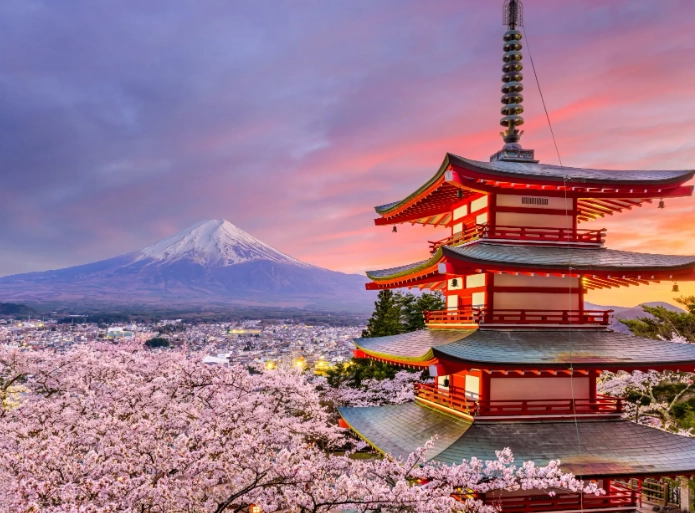
Days 8-11: Kyoto – The Soul of Ancient Japan
From Hakone, head to Odawara station and catch the Shinkansen to Kyoto. This is where the Japan Rail Pass question becomes critical. For this specific two weeks in Japan route, a 7-day JR Pass activated on the day you leave Tokyo for Hakone often makes financial sense. You need to do the math based on current prices. Use the Japan Guide Rail Pass Calculator – it's an independent and invaluable tool.
Kyoto is different. It's quieter, more spread out, and demands a lot of walking and bus rides. The temples and shrines are the main event.
Where to Stay: Near Kyoto Station for transport convenience, or in the Gion/Higashiyama area to be in the middle of the historic charm. I prefer Gion, even if the rooms are smaller. Wandering the old streets at night is magical.
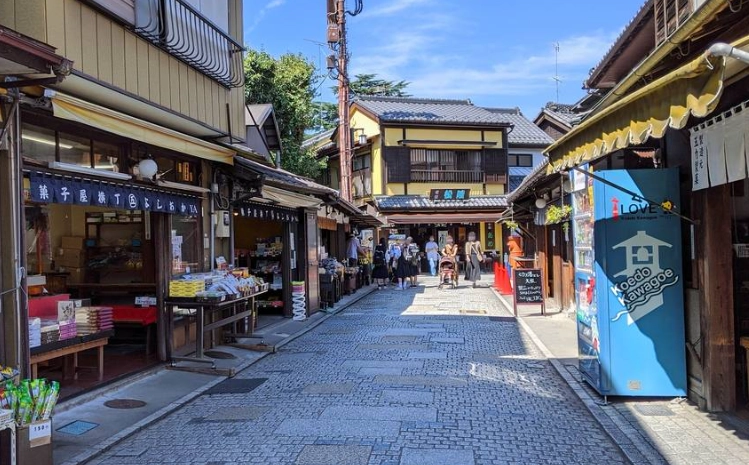
Day 8: Arrival & Southern Higashiyama. After checking in, head to Kiyomizu-dera Temple. The wooden stage overlooking the city is iconic. The walk up to it, along Ninenzaka and Sannenzaka slopes, is lined with beautiful old wooden shops. Avoid weekends if you can; it's a pilgrimage site for Japanese tourists too.
Day 9: Arashiyama. Go early. I mean, be on the first train out early. The bamboo grove is beautiful, but by 9 AM it's a pedestrian traffic jam. See the grove, then explore Tenryu-ji temple and its garden. Consider a short boat ride on the river or visit the Monkey Park (a steep climb, but the monkeys are fun).
Day 10: Fushimi Inari & Downtown. Another early start for Fushimi Inari Taisha, the shrine with thousands of red torii gates. The path goes up a mountain. You don't need to hike the whole thing; even the first crowded section is impressive. In the afternoon, explore Nishiki Market ("Kyoto's Kitchen") for food samples. Then check out downtown areas like Pontocho Alley, a narrow lane packed with restaurants, perfect for dinner.
Day 11: Choose Your Path. Option A: A day trip to Nara. Feed the famous (and slightly pushy) deer in Nara Park and see Todai-ji Temple, which houses a colossal Buddha. Option B: Explore more of Kyoto's northern temples, like Kinkaku-ji (the Golden Pavilion) and Ryoan-ji with its famous rock garden. Kinkaku-ji is stunning but always crowded. You view it from across a pond. It's a quick stop.
Days 12-13: Osaka – The Kitchen of Japan
Just a 30-minute train ride from Kyoto, Osaka is a different beast. It's brasher, louder, and more fun-loving. The people are famously outgoing. And the food... the food is the main reason to come.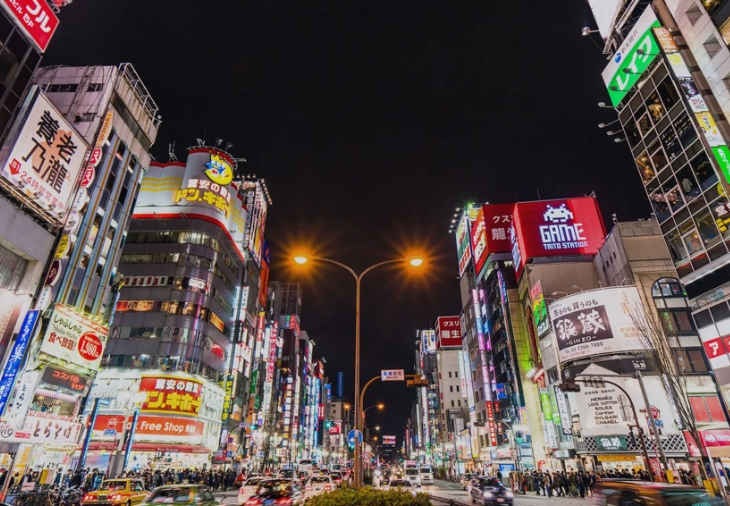
Where to Stay: Namba area is the heart of the action, near Dotonbori. Umeda is the more business-oriented north side, but has great department stores.
Day 12: Arrival & Dotonbori. Drop your bags and head straight to Dotonbori Canal area. This is the iconic image of Osaka: giant neon signs of a running Glico man, a crab, a pufferfish. It's sensory overload in the evening. Your mission: eat. Takoyaki (octopus balls), okonomiyaki (savory pancake), kushikatsu (deep-fried skewers). Don't eat at the first place you see. Wander a bit. The side streets are often better.
Day 13: Osaka Castle & Shinsekai. Osaka Castle is a concrete reconstruction (the interior is a modern museum), but the park grounds are lovely and the exterior is photogenic. Then, head to the Shinsekai district. It has a retro, slightly faded charm and is home to the Tsutenkaku Tower. This area is famous for kushikatsu. The rule in any good kushikatsu restaurant: no double-dipping your shared sauce! You dip once.
Consider using one of your Osaka evenings to visit Universal Studios Japan if you're into that. The Super Nintendo World is insane but requires timed-entry tickets or an Express Pass. It's a whole day commitment, so you'd need to adjust.
Day 14: Departure from Kansai (KIX)
Your final day. Kansai International Airport (KIX) is easily accessible from Osaka (or even Kyoto) via the speedy Nankai Electric Railway or the JR Haruka express. Give yourself plenty of time for the journey and for the often-busy airport procedures. Have one last bowl of ramen or buy those final souvenirs (green tea Kit Kats!) at the airport.
And that's it. A complete, tried-and-tested 14 day Japan itinerary that balances must-sees with real life.
Budget Breakdown: How Much for Two Weeks in Japan?
Japan has a reputation for being expensive. It can be, but it doesn't have to break the bank. The biggest costs are flights and accommodation. Here's a realistic mid-range budget breakdown per person, excluding flights.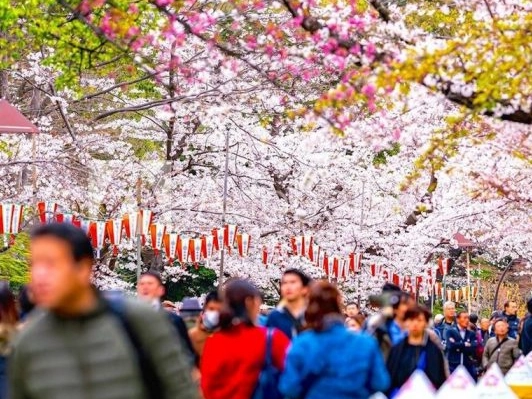
| Category | Budget (Per Person) | Notes & Tips |
|---|---|---|
| Accommodation | $800 - $1,500 | This is for business hotels/3-star hotels. Capsule hotels are cheaper ($30-50/night). A night in a ryokan will be $200-400+. |
| Food & Drink | $400 - $700 | You can eat very well for $30-50/day. Convenience store breakfasts ($5), ramen lunch ($10), nice dinner ($25). Sushi/splurges cost extra. |
| Transport (Internal) | $350 - $550 | 7-day JR Pass is around $300. Without it, Shinkansen tickets add up fast. Include local trains/buses. |
| Attractions & Activities | $150 - $300 | Temples ($3-6 entry), museums, the Hakone Free Pass, Ghibli ticket. |
| Pocket WiFi / SIM | $50 - $80 | Essential for navigation. Rent a pocket WiFi at the airport or buy a data SIM. |
| Souvenirs & Misc | $100 - $300 | It adds up quickly! Allow some wiggle room. |
| TOTAL (approx.) | $1,850 - $3,530 | A comfortable mid-range trip for one person for two weeks. |
Cash is Still King (Sometimes)
While credit cards are widely accepted in cities, many smaller restaurants, temples, market stalls, and ryokans are cash-only. Don't get caught out. Withdraw yen from 7-Eleven ATMs (they have English menus and accept foreign cards). They're everywhere.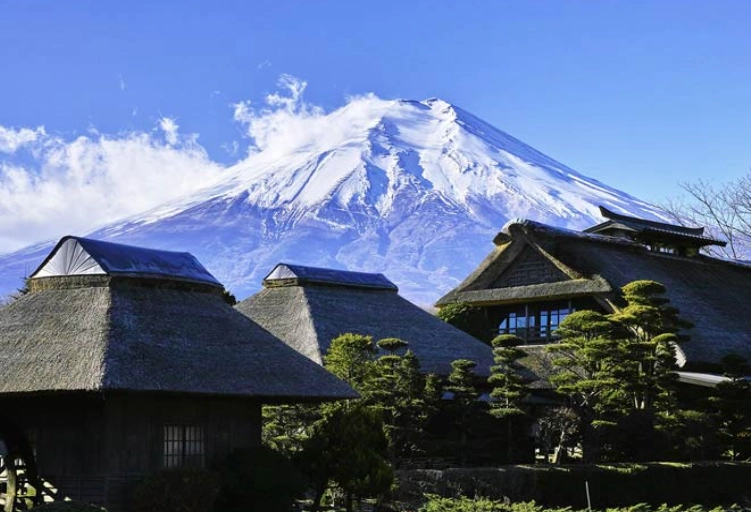
Essential Practical Info for Your Trip
Beyond the route, here are the nuts and bolts that make your Japan travel itinerary 14 days actually work.
Getting Around: Trains, Trains, Trains
The rail network is a marvel of efficiency and punctuality. Google Maps is your best friend for real-time train schedules, platform numbers, and even the fare. It's scarily accurate.
To JR Pass or Not to JR Pass? This is the eternal question. For this specific itinerary (Tokyo-Hakone-Kyoto-Osaka, with a possible day trip to Nara/Hiroshima), activating a 7-day pass on your Tokyo departure day is usually cost-effective. But prices have increased. You must calculate it every time. Use the calculator I mentioned. If the numbers are close, the convenience of just flashing the pass at the gate is nice.
When to Go?
- Spring (March-May): Cherry blossoms. The dream, but also the peak crowds and prices. Book everything a year in advance. Seriously.
- Autumn (October-November): Fall foliage. Equally stunning, slightly less insane but still very busy.
- Summer (June-September): Hot and humid. Also the rainy season (June-early July). Can be punishing.
- Winter (December-February): Cold but clear. Fewer crowds. Great for onsen and seeing snow-capped Fuji. A solid underrated choice.
Staying Connected
Rent a pocket WiFi device or buy a tourist SIM card/Ubigi eSIM. Having constant data for maps and translation is non-negotiable. I prefer an eSIM now—nothing to carry or return.
My #1 Packing Tip
Comfortable walking shoes. You will walk more than you've ever walked on a holiday. Also, pack a small foldable bag for all the stuff you'll inevitably buy.
Frequently Asked Questions (FAQs)
It's enough for a fantastic first trip that covers the major highlights of the main island (Honshu). You'll get a profound sense of the culture and leave wanting more, which is the best way to leave any place.
Absolutely. Fly into Osaka (KIX) and out of Tokyo (HND/NRT). It works just as well. Sometimes flight prices are better one way or the other.
It's a common addition. To do it justice, you need a full day, ideally an overnight. To fit it into a 14-day Japan itinerary, you'd have to cut something. Probably a day from Tokyo and one from Kyoto/Osaka. It's a long Shinkansen ride from Osaka (~2 hours each way). The Peace Memorial Museum is a deeply moving, somber, and essential experience. Miyajima's "floating" torii gate is beautiful. It's worth it if you're okay with a faster pace.
Not at all. In tourist areas, signs are in English. People in service industries often know basic English. Learn a few phrases: "Arigatou gozaimasu" (thank you), "Sumimasen" (excuse me/sorry), "Kore o kudasai" (this one, please). A translation app helps for complex things. People are incredibly helpful even with a language barrier.
Japan is one of the safest countries in the world for anyone. Walking alone at night is not a concern. The main challenge for solos can be accommodation costs (single supplements) and maybe the occasional feeling of isolation in a crowd, but hostels and food halls are great places to meet people.
Final Thoughts: Making This Itinerary Your Own
This Japan travel itinerary 14 days is a blueprint, not a prison sentence. Love anime? Spend more time in Akihabara. A foodie? Dedicate more days to Osaka's culinary scene. Hate crowds? Skip the bamboo grove at peak time and find a lesser-known temple in Kyoto. The beauty of having a solid framework is that you know the logistics work, so you can tweak the content to fit your passions.
The goal isn't to see everything. It's to have experiences that resonate with you. Maybe it's the quiet moment in a Kyoto garden, the sheer awe of a speeding Shinkansen, or the perfect bite of fatty tuna. Japan has a way of delivering those moments if you leave just a little space for them in your plan. So book your flights, get that JR Pass calculation done, and start dreaming. Your two-week adventure awaits.
Got a specific question I didn't cover? Drop it in the comments below. I read them all and have probably been in your shoes.
Comments