Your Travel Compass
Let's talk about Japan. You've seen the pictures of serene temples, bustling Shibuya crossing, and perfect bowls of ramen. It looks amazing, and it is. But between dreaming of the trip and actually landing at Narita or Haneda, there's a whole world of practical stuff that can make or break your experience. I've been there, made my share of blunders (trying to tip a taxi driver was a classic), and learned the hard way. So, these Japan travel tips aren't just a list; they're the collective wisdom from getting things wrong so you can get them right.
Why listen to me? Well, after multiple trips spanning from the neon-lit cities to the quietest onsen towns, the initial overwhelm fades and you start to see the patterns—the unspoken rules that make Japan tick. This guide is about those patterns. It's for the traveler who wants to go beyond the postcard and actually navigate the country with some confidence.
Navigating the Labyrinth: Transport Tips That Actually Work
Japan's transport network is a thing of beauty and, initially, pure terror. It's incredibly efficient, clean, and punctual to the second. It's also a web of public and private lines that can seem designed to confuse newcomers. Your first major Japan travel tip starts right here: don't panic. Everyone figures it out, and you will too.
The IC Card: Your New Best Friend
Forget about buying individual tickets for every subway or bus ride. That way lies madness and a pocket full of coins. Your first purchase upon arrival should be a rechargeable IC card. The most common ones are Suica (from JR East, often associated with Tokyo) and Pasmo (from the Tokyo subway consortium). Here's the kicker: for most travelers, it doesn't matter which one you get. They are largely interchangeable across the country. You can use a Suica on most subways in Osaka and a Pasmo on JR lines in Tokyo. They work on buses, trains, subways, and even as payment at many convenience stores (like 7-Eleven, FamilyMart) and vending machines.
The JR Pass Dilemma: To Buy or Not to Buy?
This is the million-yen question (sometimes literally). The Japan Rail Pass (JR Pass) allows unlimited travel on most JR trains, including the famous Shinkansen (bullet trains), for a set period (7, 14, or 21 days). It sounds perfect, but a major price hike in late 2023 changed the math completely.
Here’s my personal take: The JR Pass is now rarely a good deal for a typical tourist itinerary. You need to be doing some serious long-distance crisscrossing to break even. Let's break it down with a simple comparison. Say you're doing the classic Tokyo-Kyoto-Osaka round trip.
| Option | Route | Approx. Cost (Yen) | Notes |
|---|---|---|---|
| Individual Tickets | Tokyo to Kyoto (Shinkansen) | 14,000 | Reserved seat on Nozomi (fastest train) |
| Kyoto to Osaka (Local JR) | 560 | Quick 30-minute trip | |
| Osaka to Tokyo (Shinkansen) | 14,500 | Reserved seat on Nozomi | |
| Total | ~29,060 | ||
| 7-Day JR Pass (Ordinary) | Unlimited JR Travel | 50,000 | Cannot ride Nozomi/Mizuho trains |
See the problem? You'd be paying almost double. The JR Pass locks you into slower Hikari/Sakura trains (adding about 20-30 minutes to a Tokyo-Kyoto trip) and you feel pressure to use JR lines even when a private subway might be more direct to your destination.
So, when does a JR Pass make sense? Maybe if you're doing an extreme itinerary like Tokyo -> Hiroshima -> Kyoto -> Tokyo within 7 days. Use a JR Pass calculator before you commit. For most people, an IC card and a few individual Shinkansen tickets are the way to go.
Surviving the Subway & Train Etiquette
This is where cultural understanding meets practicality. A few non-negotiable Japan travel tips for public transport:
- Silence is Golden: Phone calls are a huge no-no. Set your phone to silent mode (not just vibrate). People text or play games quietly.
- Queue Properly: Markings on the platform show where the doors will open. Line up neatly. Let people exit before you board. It’s a ballet, and everyone knows the steps.
- Priority Seats: The seats at the ends of the car are usually for the elderly, disabled, pregnant, or those with small children. Even if they're empty, it's best to avoid them unless you fit that category.
- Backpacks: On crowded trains, take your backpack off and hold it by your feet or put it on the overhead rack. A backpack at eye-level on a packed train is a sure way to annoy everyone around you. I learned this after getting a few polite but pointed stares.
The Unspoken Rules: Navigating Japanese Culture Without the Faux Pas
This is the heart of many Japan travel tips. The culture is a huge part of the appeal, but it can be a minefield. Don't worry, Japanese people are incredibly forgiving of tourists, but knowing the basics shows respect and smooths your interactions.
Money Matters: Cash is Still (Surprisingly) King
While credit cards are accepted in major department stores, hotels, and chain restaurants, you'll be shocked how many places still operate on cash only. Small family-run restaurants (izakayas, ramen shops), street food stalls, temples for entrance fees/goshuin (stamp books), and many markets expect cash.
And about tipping: Just don't. It's not part of the culture. Leaving cash on the table will likely result in a staff member chasing you down the street to return your "forgotten" money. Good service is expected and is its own reward. A sincere "arigatou gozaimasu" (thank you very much) is more than enough.
Shoes On, Shoes Off: A National Obsession
The rule is simple: if the floor changes material or level, check to see if there are shoes. Tatami mat rooms, traditional restaurants (with sunken floors), ryokans (inns), temples, and even some clinics and homes require you to remove your shoes.
Here's a practical Japan travel tip: wear shoes that are easy to slip on and off. Avoid complicated laces. Also, for heaven's sake, make sure your socks don't have holes! You will be exposing them in public. Many places provide slippers for indoor use. But here's the second rule: there are often separate toilet slippers. You'll swap your indoor slippers for special plastic slippers when you enter the bathroom. The cardinal sin is walking back out into the main area wearing the toilet slippers. I've done it. The look of horror on a ryokan owner's face is something I won't forget.
Onsen & Sento (Public Bath) Etiquette
Don't miss this experience out of fear. It's one of the great joys of Japan. The rules are strict but logical:
- Wash First: Before you even think about getting into the communal bath, you must wash yourself thoroughly at the shower stations. Sit on the little stool, use the provided soap and shampoo, and rinse off all the suds.
- Naked is Normal: No swimsuits allowed. Everyone is naked. It's non-sexual and relaxing. Towels are small—you can use it to cover yourself walking to the bath, but don't let it touch the bath water. Most people fold it and put it on their head.
- Tattoos: This is a tricky one. Due to historical associations with organized crime (yakuza), many public onsens and sentos still ban tattoos. Some larger, tourist-friendly places are relaxing this rule, and many private ryokan onsens are okay if you're a guest. Always check the policy. If you have small tattoos, waterproof bandages/cover-up patches can be a solution.
Making Your Yen Go Further: Budgeting & Spending Smart
Japan has a reputation for being expensive. It can be, but it doesn't have to be. With a few smart Japan travel tips, you can have an incredible time without blowing your life savings.
Food: Eat Like Royalty on a Budget
This is where Japan shines. You can have a world-class meal for a fraction of what you'd pay elsewhere.
- Lunch Specials (Teishoku): Many high-end restaurants offer incredible set lunches for a fraction of their dinner price. A kaiseki (multi-course) restaurant that costs 15,000 yen at night might have a 5,000 yen lunch set. It's the same chef, same kitchen.
- Convenience Stores (Konbini): 7-Eleven, FamilyMart, and Lawson are culinary destinations. Their prepared foods—onigiri (rice balls), sandwiches, salads, fried chicken—are fresh, delicious, and cheap (200-500 yen). Perfect for breakfast or a quick lunch.
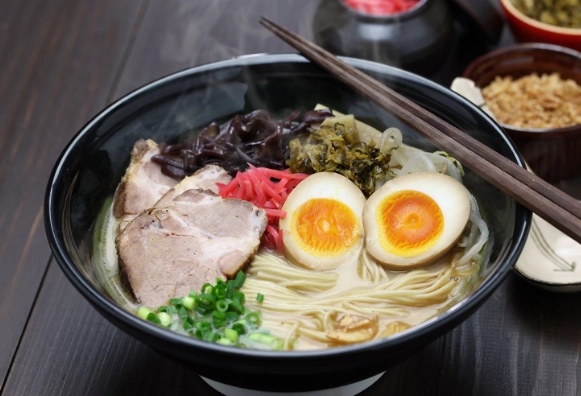
- Ramen & Gyudon Shops: A filling, delicious bowl of ramen costs 800-1,200 yen. A bowl of gyudon (beef over rice) at chains like Yoshinoya or Sukiya is even cheaper (400-700 yen). These are fast, authentic, and everywhere.
- Department Store Basements (Depachika): In the basement of stores like Isetan, Takashimaya, or Daimaru, you'll find a dizzying array of gourmet food halls. Just before closing (around 7-8 PM), they discount their exquisite prepared foods, bento boxes, and sushi platters by up to 50%. It's a fantastic way to get a high-end feast for your hotel room.
Accommodation: Think Beyond the Hotel
Hotels in city centers can be pricey and surprisingly small. Consider these alternatives:
- Business Hotels: Chains like Toyoko Inn, APA Hotel, or Dormy Inn offer compact, clean, functional rooms at reasonable prices (6,000-12,000 yen/night). They often include free breakfast and sometimes even a late-night ramen service or public bath.
- Guesthouses & Hostels: Japan has some of the cleanest, most well-designed hostels in the world. Many offer private rooms as well as dorms. Great for meeting other travelers.
- Ryokan: A splurge, but a cultural must-do for at least one night. The price usually includes a massive kaiseki dinner and breakfast. It's an experience, not just a bed.
- Capsule Hotels: Try it once for the novelty. They're incredibly efficient, clean, and cheap (3,000-5,000 yen). Good for a single night when you just need a place to crash. Not great if you're claustrophobic or have lots of luggage.
Essential Japan Travel Tips: The Miscellaneous Must-Knows
The little things that nobody tells you until you need to know.
Connectivity: Stay Online Without Stress
Google Maps is your lifeline. It works perfectly in Japan, with accurate train schedules (including platform numbers and which car is best for your exit) and walking directions. To use it, you need data.
Pocket Wi-Fi vs. SIM Card: Pocket Wi-Fi devices are reliable and can connect multiple devices, but they're another thing to carry and charge. A data-only SIM card (available at airport vending machines or stores like Bic Camera) is simpler—just pop it into your unlocked phone. For short trips, an eSIM is now the easiest option if your phone supports it. Services like Ubigi or Airalo let you buy data packages and activate them instantly.
Trash Cans: The Great Disappearance
Public trash cans are nearly extinct. It's a result of past security issues and a culture of personal responsibility. You're expected to carry your trash (like wrappers, empty bottles) with you until you find a bin, usually next to a vending machine (which often have separate bins for cans/bottles and burnable trash) or inside a convenience store. Always carry a small plastic bag for this purpose. It feels weird at first, but you get used to it.
The Language Barrier: It's Smaller Than You Think
You don't need to speak Japanese. But learning a few phrases works wonders for politeness and goodwill.
- Sumimasen (soo-mee-mah-sen): The Swiss Army knife of words. It means "Excuse me," "Sorry," and "Thank you" (in some contexts). Use it to get a waiter's attention, to apologize for bumping someone, or when receiving something.
- Arigatou gozaimasu (ah-ree-gah-toh goh-za-ee-mahs): Thank you very much.
- Onegaishimasu (oh-neh-guy-shee-mahs): Please (when requesting something). Useful when ordering.
- Eigo no menyu wa arimasu ka? (ay-go no men-yoo wa ah-ree-mas kah?): Do you have an English menu?
Most signs in train stations and major areas have English. Many restaurants have plastic food displays or picture menus. Pointing is perfectly acceptable. Google Translate's camera function is magic for translating signs and menus instantly.
Look, the core of all these Japan travel tips is this: Japan is a country that rewards preparation and respect. Do a little homework on the front end—understand the basic etiquette, figure out your transport strategy, and get your connectivity sorted. Then, once you're there, let go. Be observant, follow the lead of locals, and don't be afraid to make a small mistake. People are kind and will help you if you're trying.
The planning can feel intense, but it's worth it. Because when you're standing on a quiet temple path in Kyoto, or slurping ramen at a tiny counter in Tokyo, or soaking in an onsen under the stars, you'll realize you're not just visiting a country—you're experiencing a different way of doing things. And that's the best travel tip of all: be open to it. Have an amazing trip.


Comments