Guide Overview
So you've decided to tackle Japan in winter. Smart move. The crowds are thinner (well, relatively), the landscapes are dusted with snow, and there's a certain magic in the air that summer just can't match. But planning a Japan itinerary for 7 days in winter comes with its own set of questions. Is it too cold? What should you pack? Will things be closed? I've done this trip, and let me tell you, the pros far outweigh the cons if you know what you're doing.
This isn't just another list of places. This is the guide I wish I had before my first winter trip—full of practical advice, a realistic day-by-day breakdown, and honest opinions on what's worth your time in the colder months. We'll cover the classic golden route (Tokyo, Hakone, Kyoto, Osaka) with a winter twist, because let's be real, visiting a bamboo grove is a different experience when you can see your breath.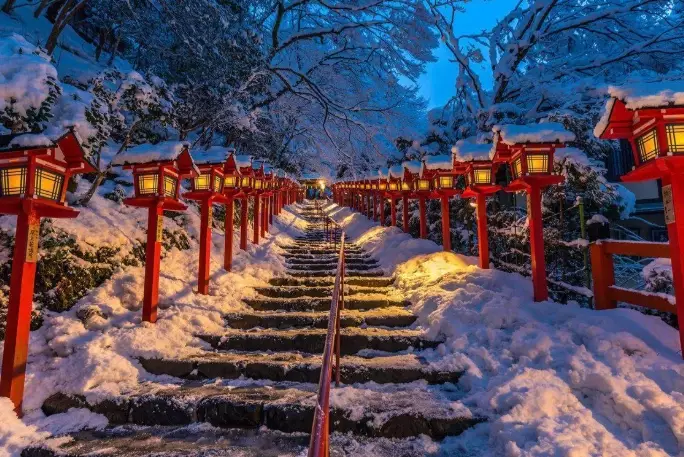
Your 7-Day Japan Winter Itinerary at a Glance
This route is tried and tested for first-timers. It balances iconic sights, cultural immersion, and winter-specific delights without feeling like a frantic marathon. The key in winter is to not over-schedule—leave room for warming up in a café or taking a detour to see unexpected illuminations.
| Day | Base City | Key Highlights & Winter Focus | Overnight |
|---|---|---|---|
| Day 1 | Tokyo | Arrival, Shinjuku exploration, Winter Illuminations | Tokyo |
| Day 2 | Tokyo | Asakusa, Ueno, Akihabara, Cozy Izakaya dinner | Tokyo |
| Day 3 | Hakone | Shinkansen to Hakone, Open-Air Museum, Onsen stay | Hakone |
| Day 4 | Kyoto | Travel to Kyoto, Fushimi Inari, Gion district | Kyoto |
| Day 5 | Kyoto | Arashiyama (winter bamboo), Kinkaku-ji, Nishiki Market | Kyoto |
| Day 6 | Osaka | Day trip to Osaka, Dotonbori, Street food, Umeda Sky Building | Kyoto |
| Day 7 | Tokyo/Kansai | Return travel, Last-minute souvenirs, Departure | - |
See? It's paced. You're not changing hotels every night, which is a blessing when you have a winter coat and boots in your luggage. The flow follows the logical transport routes, minimizing backtracking in the cold.
Winter in Japan: What You Absolutely Need to Know Before You Go
This section might be more important than the itinerary itself. Getting the basics wrong can turn your dream trip into a chilly slog.
The Weather: It's Not Just "Cold"
Winter (December to February) varies hugely from north to south. On our classic route (Tokyo, Kyoto, Osaka), you're looking at average daytime temps between 5°C to 10°C (41°F to 50°F). Nights can dip to around 0°C (32°F). Hakone, being mountainous, will be colder, often around freezing with a high chance of snow. The air is generally dry, which makes it feel less bitter than a humid cold. But when the wind blows in Tokyo, you'll feel it. Always check the forecast a week before you go on a site like the Japan Meteorological Agency.
What to Pack for a Winter Trip to Japan
Forget looking fashionable if it sacrifices warmth. Here’s the non-negotiable packing list for your Japan winter itinerary 7 days trip:
- Thermal Base Layers: Top and bottom. Merino wool is pricey but worth it.
- Insulated Jacket: A good down or synthetic puffer jacket. Make sure it packs down small.
- Waterproof Boots: With good grip. You'll be walking on potentially wet or icy surfaces. I learned this the hard way with slippery soles on a temple path.
- Wool Socks & Gloves: Multiple pairs. Gloves that work with smartphone touchscreens are a game-changer.
- Warm Hat & Scarf: A huge amount of body heat is lost through your head.
- Portable Heat Packs (Kairo): Buy these in Japan at any convenience store. They are lifesavers for your pockets or to stick on your back.
- Lip Balm & Lotion: The dry air will chap your skin quickly.
Budgeting for a Winter Trip
Winter is shoulder season, so flight and accommodation prices can be lower than spring or autumn. However, year-end (late Dec) and New Year are major holidays in Japan, with prices soaring and many businesses closed. I'd avoid Dec 29 - Jan 3 for your first trip. Mid-January to February is ideal. A mid-range budget for 7 days, excluding flights, might look like this:
- Accommodation: ¥8,000 - ¥15,000 per night per person for a decent business hotel or ryokan.
- Food: ¥3,000 - ¥5,000 per day. Winter is great for hot pots (nabe), ramen, and oden—comfort food that's also affordable.
- Transport: A 7-day Japan Rail Pass is about ¥50,000. Do the math for your specific itinerary; sometimes regional passes or paying as you go is cheaper.
- Activities/Souvenirs: ¥2,000 - ¥4,000 per day.
Always carry some cash. While major cities are card-friendly, smaller shops, temples for entrance fees, and rural areas still prefer cash.
The Day-by-Day Breakdown: Your Japan Winter Itinerary 7 Days
Now, let's get into the nitty-gritty of what each day looks like. I'll include timing estimates, transport tips, and winter-specific alternatives.
Day 1: Arrival in Tokyo & Shinjuku's Neon Glow
You'll likely land at Narita (NRT) or Haneda (HND) in the afternoon. Don't plan anything ambitious. The goal is to get to your hotel, get oriented, and fight off jet lag with some bright lights.
From Narita, the Narita Express (N'EX) is the most straightforward way to central Tokyo. From Haneda, take the monorail. Both are covered by the JR Pass if you have it activated. Proceed to your hotel—I recommend staying in Shinjuku for the first night. It's a transport hub and the energy is infectious.
Once you've dropped your bags, head out. Feel the buzz. Walk through the Shinjuku Station area (the world's busiest, it's an experience in itself). For dinner, find a ramen shop in the Omoide Yokocho ("Memory Lane") or head to the Kabukicho area (stay on main streets).
The Winter Magic: Tokyo's winter illuminations are legendary. From mid-November through February, the city sparkles. On your first night, walk to the Tokyo Metropolitan Government Building (free observation deck, open until 11 pm) for a night view, then stroll through the Shinjuku Southern Terrace or over to Yoyogi Park if there's a light-up event. It's a gentle, beautiful introduction to Japan in winter.
Day 2: Classic Tokyo - Temples, Parks & Electronics
Start early-ish and take the JR Yamanote Line to Asakusa. Visit Senso-ji Temple. In winter, the crowds are lighter, and the atmosphere feels more solemn and ancient. The Nakamise shopping street leading to the temple opens around 9 am. Try some freshly baked ningyo-yaki (small sponge cakes) – they're warm and sweet.
From Asakusa, take a short train ride to Ueno. You can wander through Ueno Park. In winter, it's stark and beautiful, and you can visit the museums (like the Tokyo National Museum) to warm up. The Ueno Ameyoko market is great for street food—look for grilled seafood or hot sweet potatoes.
Afternoon, head to Akihabara, the electric town. The neon is great in the early winter evening. Explore the multi-story electronics stores and anime shops. This is a good place to look for heated gear if you're underprepared!
For dinner, this is your chance to try an izakaya (Japanese pub). They're warm, lively, and perfect for winter. Order some yakitori (grilled skewers), edamame, and a local beer or hot sake.
Day 3: Scenic Escape to Hakone & Onsen Bliss
Check out of your Tokyo hotel (leave luggage if heading back to Tokyo later, or forward it to Kyoto—more on that later). Take the Shinkansen (bullet train) from Tokyo Station to Odawara (about 40 mins, covered by JR Pass). This is where your 7 days in Japan winter itinerary gets a scenic boost.
From Odawara, purchase the Hakone Free Pass (covers all local transport in Hakone) and take a train into the Hakone area. The main goal here is the Hakone Open-Air Museum. It's fantastic in winter. Sculptures dusted with snow, indoor Picasso exhibits to warm up in, and even foot baths where you can soak your feet in hot spring water while surrounded by art. I spent hours here.
Do the classic Hakone loop if weather permits (boat on Lake Ashi, cable car up to Owakudani volcanic valley). But in winter, fog and wind can shut down the cable cars. Check locally. The sulfurous steam vents at Owakudani are even more dramatic in the cold air, and they sell black eggs boiled in the hot springs.
The Essential Experience: Stay in a ryokan (traditional inn) with an onsen (hot spring bath). There's nothing, and I mean nothing, better than soaking in a scalding-hot outdoor bath (rotemburo) while the cold air nips at your face. Dinner is usually a multi-course kaiseki meal served in your room. It’s the pinnacle of Japanese hospitality and worth every yen for at least one night of your trip.
Pack a small overnight bag for Hakone. Use Japan's amazing luggage forwarding service (takkyubin). You can send your main suitcase from your Tokyo hotel directly to your Kyoto hotel for about ¥2,000. It’s reliable, efficient, and makes traveling on trains so much easier.
Day 4: Travel to Kyoto & The Thousand Gates
After a leisurely ryokan breakfast and perhaps one last onsen soak, head back to Odawara Station. Take the Shinkansen to Kyoto (about 2 hours). You'll watch the landscape change from mountainous to more urban.
Check into your Kyoto hotel. I suggest staying near Kyoto Station for convenience on your first visit, or in the Gion district for more atmosphere.
In the afternoon, head to Fushimi Inari Taisha. This is the famous shrine with thousands of vermilion torii gates. In winter, the late afternoon light is soft and golden, and the paths are much less crowded than during the day. The climb up the mountain is invigorating in the cool air. You don't have to go all the way to the top; even the first main section is breathtaking.
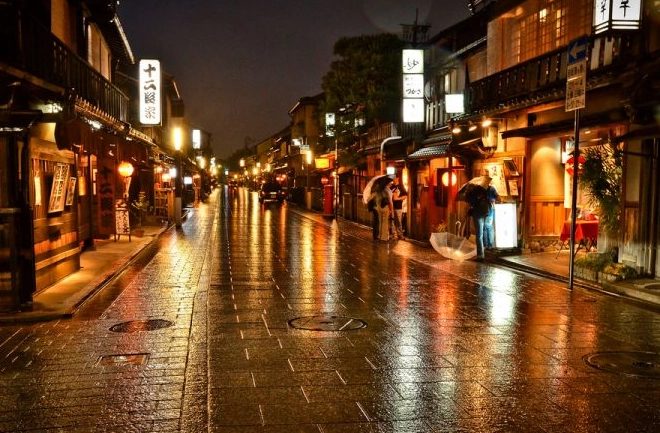
As evening falls, make your way to the Gion district. This is the geisha district. The old wooden machiya houses are beautiful under the glow of traditional lanterns. You might spot a geiko or maiko (apprentice) shuffling quickly to an appointment. For dinner, look for restaurants serving Kyoto specialties like yudofu (hot tofu hotpot)—perfect winter food.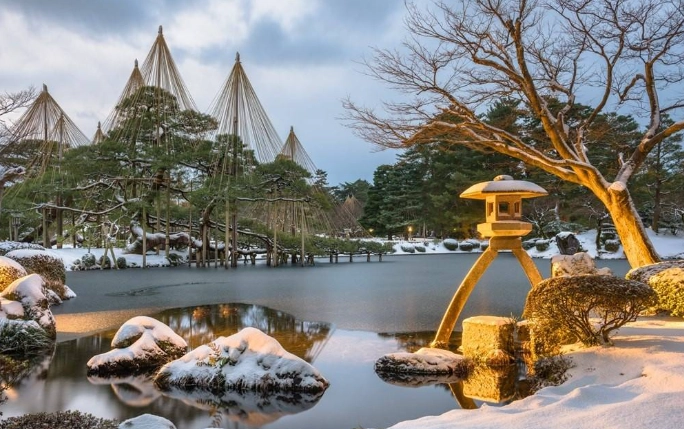
Day 5: Arashiyama's Bamboo & The Golden Pavilion
Get an early start and take the train to Arashiyama. The famous bamboo grove is the main draw. In winter, it's a different world. The bamboo is lush and green, contrasting with the grey winter sky. The air is crisp and quiet, especially if you arrive before 9 am. The sound of the wind through the bamboo is haunting. Walk through the grove and explore the nearby Tenryu-ji Temple and its stunning garden.
After Arashiyama, take a bus across town to Kinkaku-ji, the Golden Pavilion. The garden setting is lovely in winter, and if you're lucky enough to visit after a snowfall, the golden temple against a white backdrop is a sight you'll never forget. It's one of the most iconic winter scenes in Japan.
Head back towards downtown in the late afternoon and dive into Nishiki Market, Kyoto's kitchen. It's a covered market, so it's warm and bustling. Sample all sorts of street food: grilled scallops, tamagoyaki (sweet omelet), pickles, and mochi. It's a feast for the senses and a great way to warm up.
This is a packed day, so for dinner, maybe something simple like a hearty bowl of Kyoto-style ramen, which tends to be a richer, soy-based broth compared to other regions.
Day 6: Day Trip to Vibrant Osaka
Osaka is just a 30-minute train ride from Kyoto on the JR rapid train (covered by JR Pass). It's a perfect day trip with a completely different energy—more outgoing, direct, and food-obsessed.
Head straight to Osaka Castle. The park grounds are vast. In winter, it's peaceful. The castle itself is a museum inside, which is a good warm-up activity. The view from the top floor is great.
Then, dive into the heart of Osaka: Dotonbori. This is the iconic entertainment district with the giant Glico Running Man sign and countless neon billboards of giant crabs, octopuses, and dragons. It's sensory overload in the best way. This is where you come to eat. Must-tries include takoyaki (octopus balls, served piping hot), okonomiyaki (savory pancake), and kushikatsu (deep-fried skewers). Just follow the queues of locals.
In the evening, head to the Umeda Sky Building. Take the escalator up the floating garden observatory. The 360-degree open-air rooftop view of Osaka lit up at night, with the winter wind whipping around you, is exhilarating. There's an indoor level too if it's too much.
Take the train back to Kyoto for your final night. Your Japan itinerary 7 days winter is almost complete.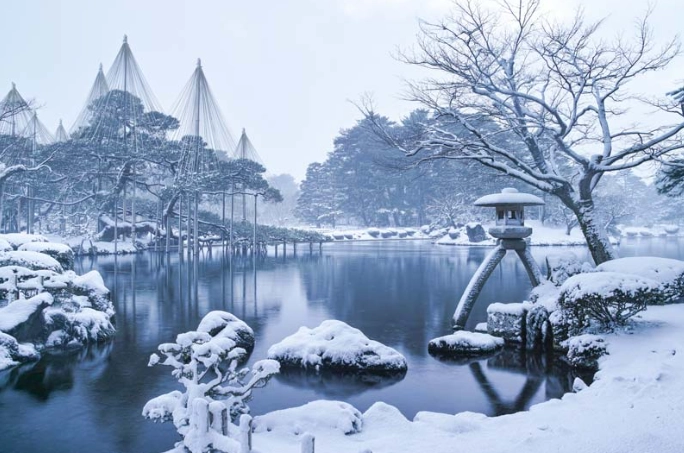
Day 7: Final Souvenirs & Departure
Your final day depends on your flight time and departure airport.
If flying from Kansai (KIX): You're in luck. You can check out, store your luggage at Kyoto Station, do some last-minute shopping in the station's massive underground mall (The Cube, Porta). Buy those last boxes of Kyoto sweets, green tea, or kitchen knives. Then take the direct Haruka Express train to Kansai Airport (about 75 mins).
If flying from Tokyo (NRT/HND): You'll need to budget more time. Take an early Shinkansen back to Tokyo (about 2.5 hours). You can store luggage at Tokyo Station and do final shopping in the character-packed depachika (department store basement food halls) or at the airport itself. Narita has excellent shopping and dining.
Either way, grab one last bowl of ramen or a bento box for the journey. Reflect on a week well spent.
Frequently Asked Questions (Your Winter Trip Doubts, Solved)
For a first-time, highlights-focused trip on the main Honshu island, yes, 7 days is a good introduction. It's enough to feel the contrasts between Tokyo and Kyoto, experience an onsen, and get a taste of the culture and food. You won't see everything (you'd need months for that), but you'll leave with incredible memories and a strong desire to return. It's a sampler that works perfectly in winter due to efficient transport and long daylight hours for sightseeing.
Absolutely, with adjustments. Kids love the illuminations, the crazy electronics of Akihabara, the deer in Nara (a possible side trip from Kyoto), and all the unique food. The onsen is a fun experience. Just build in more downtime, maybe swap a temple for a kid-friendly museum like the Kyoto Railway Museum or the Legoland Discovery Center in Osaka. Packing for kids is crucial—extra layers, their favorite snacks, and hand warmers.
The famous Jigokudani Snow Monkey Park is in Nagano, a few hours north of Tokyo. It's a fantastic winter-specific addition, but fitting it into a tight 7-day first-time itinerary is challenging. It would require sacrificing Hakone or Osaka. If seeing the monkeys bathing in hot springs is a top priority, I'd recommend a longer 10-day trip or saving it for a future visit focused on the Japanese Alps. For this 7-day plan, we're prioritizing geographic efficiency.
Possibly! It depends on your dates. Late January to February has several:
- Sapporo Snow Festival (Early Feb): Incredible but in Hokkaido, far north.
- Setsubun (Feb 3rd or 4th): The bean-throwing festival to ward off evil. Temples hold events.
- Plum Blossom Viewing (Late Feb - Mar): Earlier than cherry blossoms. Kyoto's Kitano Tenmangu shrine is famous for them.
Check local tourism calendars when you finalize your dates.
Japan has arguably the world's best public transport system. It's punctual, clean, and extensive. Signs are in English. Apps like Google Maps and Japan Travel by Navitime are flawless for routing. The biggest challenge in winter is that you might have to navigate stations and transfers in bulky clothing. My advice? Travel light during the day, use coin lockers, and don't be afraid to ask station staff—they are incredibly helpful even with language barriers.
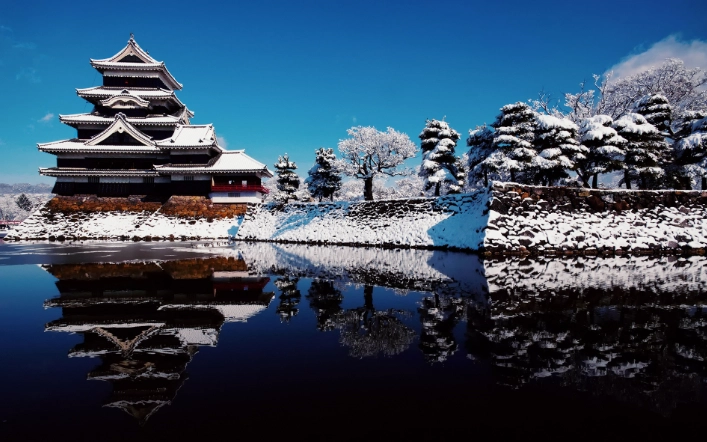
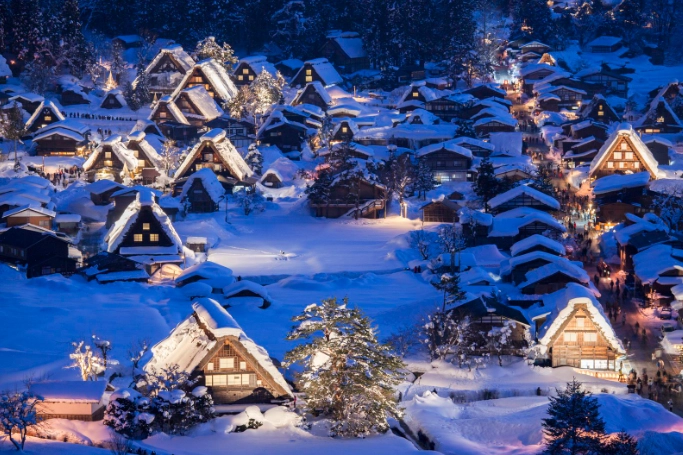 Just remember your layers, a good pair of boots, and an open mind. You're in for an unforgettable adventure.


Comments