Quick Navigation
- Why Kanagawa? More Than Just a Tokyo Side Trip
- Getting Your Bearings: Where is Kanagawa Anyway?
- Top Must-Visit Spots in Kanagawa (And My Honest Take)
- Hidden Gems & Local Favorites
- Planning Your Kanagawa Itinerary: A Practical Guide
- Beyond the Sights: Experiencing Kanagawa's Culture & Cuisine
- Frequently Asked Questions (FAQs) About Visiting Kanagawa
- Final Thoughts: Is Kanagawa Worth It?
So you're planning a trip to Japan. Your mind probably jumps straight to Tokyo's neon buzz, Kyoto's timeless temples, or maybe Osaka's street food frenzy. But let me tell you, if you skip Kanagawa Prefecture, you're missing a massive chunk of what makes Japan so wonderfully complex. It's not just "the place with the big Buddha near Tokyo." It's a whole universe packed into one coastal region.
I remember my first time. I had a single day free on a Tokyo-centric itinerary. Someone said, "Go to Kamakura." I went. I saw the Buddha. I left. I thought, "Nice, but... that's it?" I was so wrong. I hadn't even scratched the surface of Kanagawa. It took later, deeper trips to Yokohama, Hakone, and the Shonan coast to realize this prefecture is a destination in its own right, not just a side trip. It's where samurai history, hot spring relaxation, cutting-edge urban culture, and laid-back beach vibes collide in the best way possible.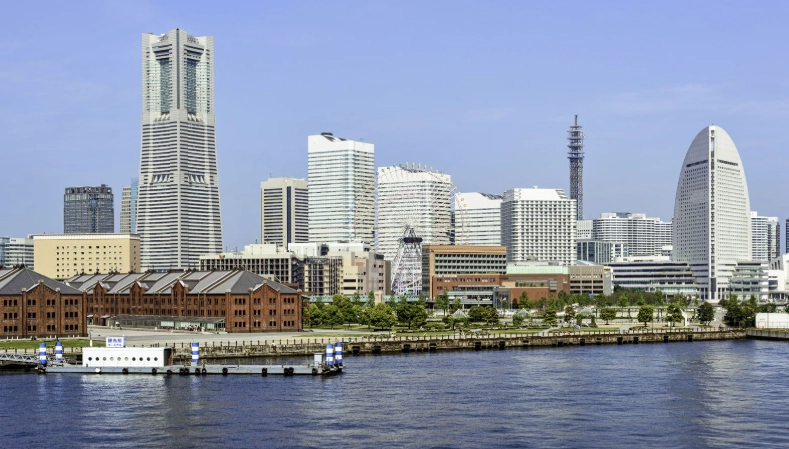
This guide is the one I wish I'd had. We're going to move past the one-day checklist and really dig into what makes Kanagawa tick. How do you get around without stress? Where are the hidden spots locals love? What's genuinely worth your time, and what might be overrated? Let's dive in.
Why Kanagawa? More Than Just a Tokyo Side Trip
Think of Kanagawa Prefecture as Tokyo's fascinating, more relaxed neighbor who has seen it all. It's got the history, the ocean, the mountains, and a distinct identity. While Tokyo feels like a relentless sprint into the future, Kanagawa often feels like a leisurely stroll where past and present chat comfortably over a beer.
Its biggest advantage? Proximity. You can be in the heart of Yokohama from Tokyo Station in under 30 minutes on the Tokaido Line. That makes it incredibly accessible, but don't let that fool you into thinking it's just a suburban sprawl. Once you cross the border, the atmosphere shifts. The pace slows just a notch. The air smells different (sometimes of salt, sometimes of sulfur from hot springs). The vibe changes.
For history buffs, it was the seat of the first Shogunate. For foodies, it's home to Japan's largest Chinatown and incredible seafood. For nature lovers, there are volcanic valleys and Pacific coastlines. For urban explorers, Yokohama is a stunning harbor city that feels spacious and planned compared to Tokyo's organic chaos. Planning a trip to Kanagawa Prefecture means you're signing up for variety.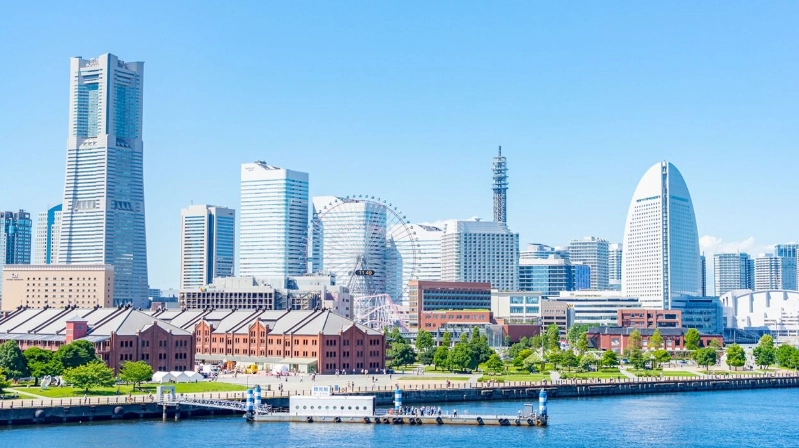
Getting Your Bearings: Where is Kanagawa Anyway?
Let's get geographical. Kanagawa sits on the southwestern corner of the Kanto Plain, right on the Pacific coast, just south of Tokyo. Its location is prime real estate, bordering Tokyo to the north, the majestic Mount Fuji and Yamanashi Prefecture to the northwest, and the ocean everywhere else to the south and east.
The main areas you'll care about as a traveler break down like this:
- Yokohama & Kawasaki: The major urban centers. Yokohama is the prefectural capital and Japan's second-largest city by population. It's all about the futuristic Minato Mirai skyline, historic Red Brick Warehouse, and that incredible Chinatown. Kawasaki, closer to Tokyo, is more industrial but has gems like the unique open-air museum, Nihon Minkaen.
- The Kamakura/Shonan Area: This is the classic cultural heart. Kamakura, the ancient political capital, is packed with temples and the iconic Great Buddha (Daibutsu). The Shonan coast, stretching from Enoshima down through Fujisawa, is Japan's iconic surf culture hub. Think sandy beaches, relaxed cafes, and the charming Enoshima Electric Railway (Enoden).
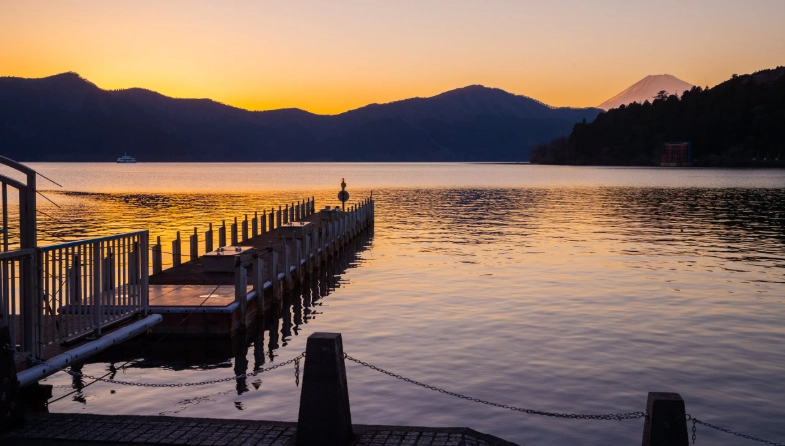
- The Hakone Area: Nestled in the mountains, this is Japan's quintessential hot spring (onsen) resort town. It's part of Fuji-Hakone-Izu National Park and famous for its views of Mount Fuji (on a clear day!), volcanic activity at Owakudani, and the beautiful Lake Ashi.
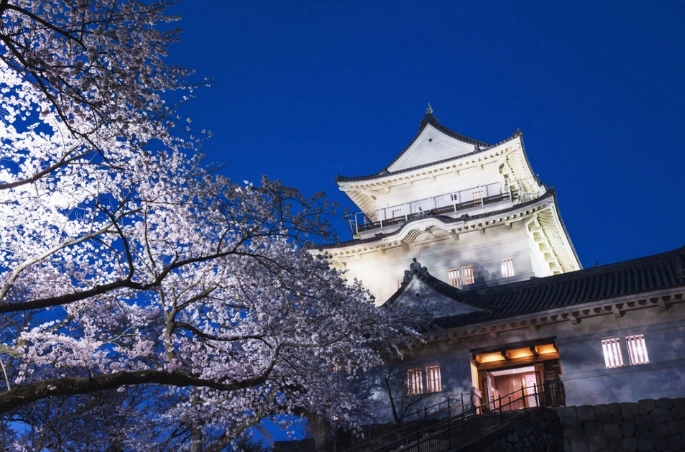
- Western Kanagawa: Often overlooked, this area includes cities like Odawara (gateway to Hakone with a cool castle) and more rugged, less-touristed coastal and mountain areas.
Major entry points are Haneda Airport (Tokyo International), which is actually closer to Yokohama than to central Tokyo, and the Shin-Yokohama Station for the Shinkansen bullet train.
Top Must-Visit Spots in Kanagawa (And My Honest Take)
You'll find a million lists. Here's my breakdown of the heavy hitters, with a bit of real-talk commentary.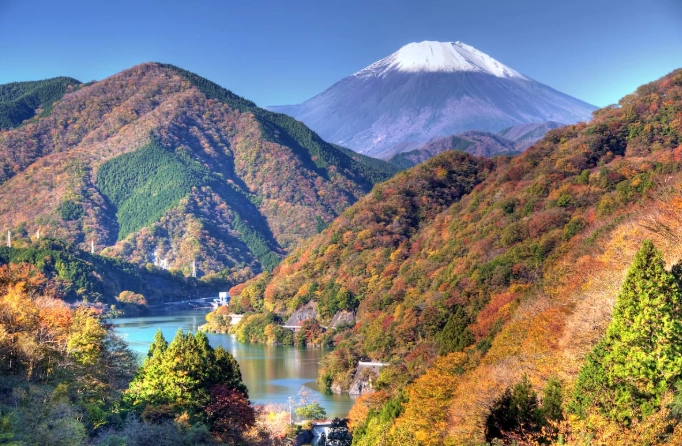
Kamakura: The Samurai City
This is the big one for first-timers in Kanagawa Prefecture.
- The Great Buddha (Kotoku-in): Yes, you have to see it. It's serene and impressive. But is it worth the hype? Honestly, it can feel a bit... quick. You look, you appreciate, you take a photo. The magic is in its age and survival. Pro tip: Go early to avoid the tour groups. For a more immersive experience, pay the small fee to go inside the statue—it's hollow!
- Tsuruoka Hachimangu Shrine: Kamakura's most important Shinto shrine. The approach through the woods is lovely, and the shrine itself is powerful. It's often bustling with locals praying for good luck. I find it more "active" and engaging than some of the quieter temples.
- Hase-dera Temple (Hase Kannon): This temple complex is beautiful, with stunning views over the coast. Its gardens and the cave filled with miniature statues are highlights. The main hall houses a giant wooden statue of Kannon. It feels more expansive and varied than just visiting the Buddha.
- The Enoshima Electric Railway (Enoden): This isn't just transport; it's an attraction. The tiny trains winding between houses, just meters from the beach, are pure charm. Get off at random stops, explore the neighborhoods. The stretch between Kamakura and Enoshima is the most picturesque.
Hakone: Hot Springs & (Hopefully) Fuji Views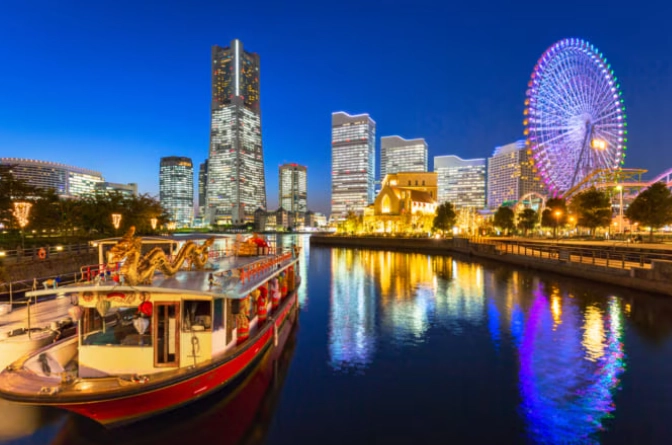
Hakone is a whole system. It's not a single town but a loop of attractions connected by trains, cable cars, ropeways, and pirate ships (yes, really).
- The Hakone Loop: The classic route is a circuit starting at Odawara or Hakone-Yumoto, taking the mountain train to Gora, the cable car and ropeway over the volcanic valley to Togendai, then the pirate ship across Lake Ashi to Moto-Hakone or Hakone-machi, and finally a bus back. It's a full day. The views are spectacular, and the sulfurous vents at Owakudani are otherworldly. They even boil eggs in the springs, turning the shells black—said to add seven years to your life. Tastes like a normal egg, honestly.
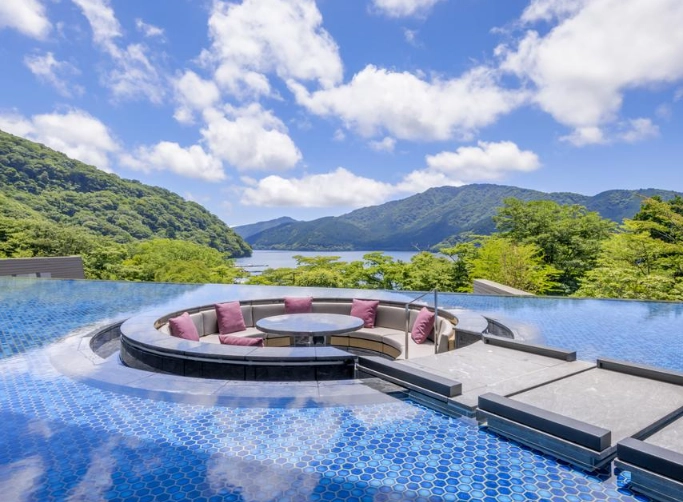
- Onsen (Hot Springs): This is Hakone's soul. There are countless ryokan (traditional inns) with both public and private baths. Staying overnight is the best way to experience it. A day-trip bath is possible at many public facilities like Hakone Yuryo.
- The Open-Air Museum: This is my personal favorite in Hakone. An art museum set in a beautiful hillside park with sculptures by Henry Moore, Picasso, and many others. It's interactive, beautiful, and a fantastic break from temples and volcanoes. The foot bath surrounded by art is a genius idea.
The elephant in the room: Mount Fuji. Hakone is famous for its Fuji views. I have to be blunt—you need perfect weather. On cloudy or hazy days (which are frequent), Fuji is completely absent. Don't go to Hakone only for Fuji, or you might be disappointed. Go for the volcanic landscape, the art, the lake, and the onsen. Consider a clear-day Fuji view a glorious bonus.
Yokohama: The Cosmopolitan Harbor
Yokohama feels different. It's spacious, modern, and has a history of international exchange.
- Minato Mirai 21: The iconic waterfront district with the Landmark Tower (Japan's second-tallest when built), the Cosmo Clock 21 Ferris wheel, museums, and shopping. It's especially stunning at night. It feels like a cleaner, more open version of Tokyo's Odaiba.
- Yokohama Chinatown: The largest Chinatown in Japan and one of the largest in the world. It's vibrant, loud, and delicious. Don't just walk through—eat! The xiaolongbao (soup dumplings) here are legendary. It's more commercial and flashy than a "local" neighborhood, but it's an experience.
- Yamashita Park & the Hikawa Maru: A lovely waterfront park perfect for a stroll. The Hikawa Maru is a historic ocean liner turned museum docked there, offering a glimpse into 1930s trans-Pacific travel.
- Cup Noodles Museum: Sounds quirky, and it is. It's actually fantastic, especially if you have kids (or are a kid at heart). You can design your own custom Cup Noodle. It's interactive, educational in a fun way, and celebrates a true global invention that started in Osaka but has its museum here.
- Sankeien Garden: A vast, beautiful Japanese garden that feels miles away from the city bustle. It features historic buildings relocated from across Japan, including a three-story pagoda from Kyoto. It's a place for quiet contemplation.
The Shonan Coast & Enoshima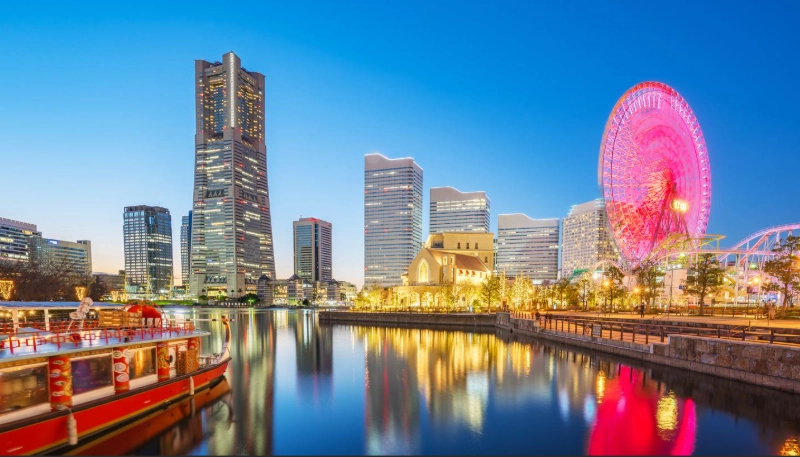
This is Kanagawa's beach lifestyle. The Shonan coast, centered around Enoshima and the city of Fujisawa, is synonymous with surfing, beach volleyball, and a specific, sun-bleached, relaxed aesthetic in Japanese pop culture.
- Enoshima: A small island connected to the mainland by a bridge. It's a mix of shrine complex, tourist shops, observation towers, and sea caves. The hike to the top is steep but rewarded with great views. The island has a slightly dated, retro charm that I find endearing. The Enoshima Sea Candle (lighthouse) offers a 360-degree panorama.
- Shonan Beaches: Like Kugenuma Kaigan, Shichirigahama, and Inamuragasaki. They're not the whitest or widest beaches you'll ever see, but they're incredibly iconic. On a summer weekend, they're packed with surfers, families, and groups of friends barbecuing. The vibe is everything.
A Wildcard: The Fujiko F. Fujio Museum (Doraemon Museum) in Kawasaki
If you or your travel companions grew up with Doraemon (the blue robotic cat from the future), this is a pilgrimage site. It's in Kawasaki, a bit out of the way, and requires timed-entry tickets booked in advance. It's wonderfully curated, full of original artwork, and has a great rooftop playground and cafe. It's niche, but for fans, it's a total delight.
Hidden Gems & Local Favorites
Now for the stuff that doesn't always make the top 10 lists. These are places where you'll find fewer crowds and more local character.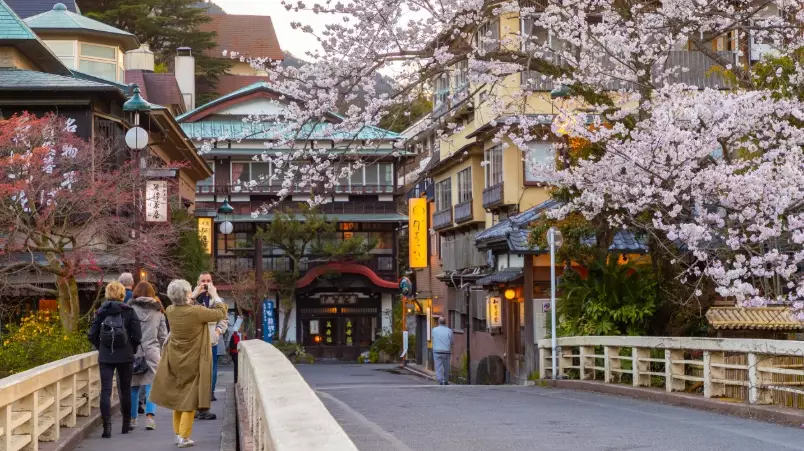
- Sankeien Garden's Outer Garden: Most visitors stick to the Inner Garden. The Outer Garden is free to enter and is a massive, peaceful space perfect for a long walk or run, with wide lawns and fewer structures.
- Shomyoji Temple in Kanazawa Bunko, Yokohama: A stunning, less-visited temple complex with a beautiful pond garden, a graceful bell tower, and a serene atmosphere. It feels like a mini-Kamakura without the buses of tourists.
- Enoshima Samuel Cocking Garden & the Escar: On Enoshima, behind the shrines, these botanical gardens and the modern escalator system (the Escar) that takes you up the hill are often skipped by day-trippers. The gardens are lovely and offer fantastic views.
- Hadano and the Tanzawa Mountains: For serious hikers, western Kanagawa offers access to the Tanzawa mountain range, part of the Fuji-Hakone-Izu National Park. It's rugged, challenging, and a world away from the coastal resorts.
- The Yokohama Port Museum & Nippon Maru: Next to Minato Mirai, this museum focuses on Yokohama's maritime history. The highlight is the Nippon Maru, a gorgeous four-masted sailing ship you can board. It's a photographer's dream and usually quiet.
- Yugawara Onsen: South of Odawara, this is a quieter, more traditional hot spring town compared to Hakone. It's where writers and artists have gone for centuries for a quieter retreat.
Planning Your Kanagawa Itinerary: A Practical Guide
This is where most guides fall short. They list places but don't tell you how to string them together realistically. Let's fix that.
How Many Days Do You Need?
- The Day-Tripper: You can do Kamakura OR Hakone OR Yokohama as a day trip from Tokyo. Pick one. Don't try to combine them; you'll just waste time on trains.
- The Weekend Explorer (2-3 days): This is the sweet spot. Spend one day in Kamakura/Enoshima, one day in Hakone (ideally with an onsen overnight stay), and a half-day in Yokohama. Or base yourself in Yokohama and do day trips.
- The Deep Dive (4+ days): Now you can relax. Spend two days in Hakone (one for the loop, one for hiking or museum-hopping), a full day in Kamakura/Shonan, a full day in Yokohama, and a day exploring western Kanagawa or revisiting favorite spots.
Sample 3-Day Kanagawa Itinerary at a Glance
| Day | Theme & Area | Core Experiences | Suggested Base | Budget Focus |
|---|---|---|---|---|
| Day 1 | Urban Pulse & History | Yokohama's Minato Mirai, Cup Noodles Museum, Chinatown dinner, evening stroll in Yamashita Park. | Yokohama (near Sakuragicho or Kannai stations) | Mid-range. Many affordable business hotels. |
| Day 2 | Ancient Capitals & Coastal Charm | Train to Kamakura. Great Buddha, Hase-dera, Komachi-dori lunch. Enoden to Enoshima, explore island, watch sunset from Enoshima Sea Candle. | Yokohama (same hotel) | Budget-friendly. Costs are mainly transport and temple entry fees. |
| Day 3 | Volcanic Landscapes & Onsen Relaxation | Train to Hakone-Yumoto. Complete the Hakone Loop (Train, Cable Car, Ropeway, Pirate Ship, Bus). Soak in an onsen at day-use facility or ryokan. Return to Tokyo/Yokohama. | N/A (Return to base) OR splurge on a Hakone Ryokan | High. Transport pass, attractions, and a nice ryokan are pricey but memorable. |
Getting Around: Transportation Made Simple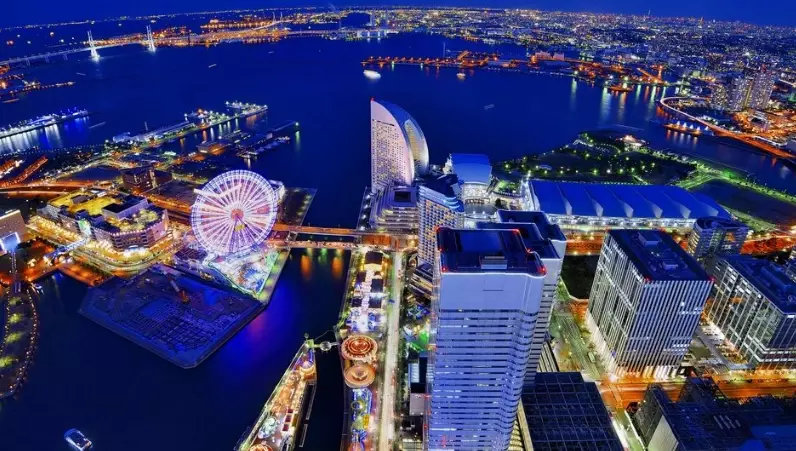
This is crucial. Kanagawa is well-connected, but the right pass saves money and headache.
- From Tokyo: The JR Tokaido Line or Yokosuka Line get you to Yokohama/Kamakura. For Hakone, take the Odakyu Line from Shinjuku (the Romancecar limited express is faster and more comfortable for a fee).
- The IC Cards are King: Just use your Suica or Pasmo card from Tokyo. Tap in and out for almost all local trains and buses. It's the easiest way.
- Key Passes:
- Enoshima-Kamakura Free Pass (Odakyu): From Shinjuku, covers round-trip to Fujisawa plus unlimited Enoden and local Odakyu buses. Perfect for a Kamakura/Enoshima day trip. Check details on the Odakyu Railway official website.
- Hakone Free Pass (Odakyu): The absolute essential for Hakone. Covers round-trip from Shinjuku to Hakone (on local trains, upgradeable to Romancecar) and unlimited use of all the transport within the Hakone loop (trains, cable cars, ropeway, pirate ships, most buses). It pays for itself almost immediately. Also available from Odawara if you're coming via Shinkansen. Again, verify coverage and price on the official Odakyu site.
- Yokohama Subway Pass: If you're doing a lot in Yokohama, a one-day subway pass can be economical.
Where to Stay: Area Breakdown
- Yokohama: Best for first-timers and urban access. Sakuragicho or Kannai stations put you between Minato Mirai and Chinatown. Yokohama Station is a massive transit hub with endless shopping/dining but less character.
- Kamakura: Charming but accommodation is limited (more guesthouses and boutique places). It's quiet at night after day-trippers leave.
- Hakone: The quintessential experience is a ryokan with kaiseki dinner and breakfast included. Gora is upscale and central to the transport loop. Hakone-Yumoto at the entrance is more budget-friendly. Staying lakeside at Moto-Hakone is peaceful.
- Fujisawa/Enoshima: Good for beach lovers and surfers. More casual pensions and business hotels.
Budgeting for Your Trip
Kanagawa can be as expensive or as reasonable as you make it.
- Budget (per person per day): ¥8,000 - ¥12,000. Staying in business hotels, eating convenience store meals or cheap ramen, using local trains (not Romancecar), skipping expensive ryokans, focusing on free sights (beaches, temple grounds).
- Mid-Range: ¥15,000 - ¥25,000. Business or nicer hotel, good restaurant meals, all transport passes, entry fees to major attractions, maybe a day-use onsen.
- Luxury: ¥35,000+. A top-tier ryokan in Hakone with private bath and exquisite kaiseki, fine dining in Yokohama, Romancecar seats, private guides.
Beyond the Sights: Experiencing Kanagawa's Culture & Cuisine
Food You Can't Miss
The food scene here is a blend of local specialties and international influence.
- Shirasu (Whitebait): The signature food of the Shonan coast. Tiny, translucent fish eaten raw, boiled, or dried over rice. It's a taste of the sea. Try it at a restaurant near Enoshima.
- Kamakura Vegetables: The area is known for high-quality, locally grown vegetables. Look for set meals that feature them.
- Yokohama Gyozas & Chinese Food: Chinatown is the obvious place, but the influence is city-wide. Yokohama-style gyoza are said to be particularly good.
- Hato Sabure (Dove-shaped Butter Cookies): Kamakura's most famous souvenir. They're buttery, crumbly, and delicious. Toshimaya is the original and best-known shop.
- Craft Beer: Yokohama has a thriving craft beer scene. Check out the breweries and taprooms in the Bashamichi area.
- Kaiseki Ryori: If you stay at a ryokan in Hakone, this multi-course seasonal dinner is an art form and a core part of the experience.
Cultural Etiquette & Tips
- Onsen Manners: Wash thoroughly at the shower stations before entering the communal bath. No swimsuits. Small towels are for modesty and washing, not for dipping in the water. Tie long hair up. Tattoos can be problematic at public baths; check policies or use private baths.
- Temple/Shrine Manners: Be respectful. At shrines, bow, ring bell, clap twice, pray, bow. At temples, a simple silent prayer is fine. Don't take photos where prohibited (often inside main halls).
- On the Enoden: It's a working local train. Be mindful of residents. Don't block doors or aisles just for photos.
- Trash: Public trash cans are rare. Carry a small bag for your rubbish and dispose of it at your hotel or convenience store.
Frequently Asked Questions (FAQs) About Visiting Kanagawa
- Spring (April-May): Lovely, with cherry blossoms in April (crowded) and mild weather. Kamakura's hydrangeas (ajisai) in June are stunning but also packed.
- Summer (July-August): Hot, humid, and crowded, but great for beaches and festivals. Beach areas are at their peak.
- Autumn (October-November): Arguably the best. Comfortable temperatures and beautiful fall colors, especially in Hakone's mountains.
- Winter (December-February): Cold but clear. Fewer crowds, and seeing the Great Buddha or Hakone's steaming valleys in the crisp air is magical. Onsen are extra appealing.
Final Thoughts: Is Kanagawa Worth It?
Absolutely. A thousand times yes. Kanagawa Prefecture solves the problem of the "overwhelming Japan itinerary." It lets you sample profound history, iconic natural beauty, modern urbanism, and culinary diversity all within an hour of Tokyo, often for less money and with fewer crowds than the absolute top-tier national spots.
It's not just a collection of sights. It's a feeling. It's the wind off Sagami Bay on the Enoden. It's the ache in your muscles melting away in a Hakone onsen. It's the dizzying contrast of Yokohama's futuristic skyline against the red bricks of its past. It's the quiet dignity of a moss-covered stone Jizo statue in a Kamakura back alley.
My advice? Don't rush it. Pick two areas that speak to you and give them time. Stay overnight. Get lost a little. Kanagawa rewards the curious traveler who looks beyond the day-trip checklist. It's the perfect bridge between the frenetic energy of Tokyo and the deeper, quieter soul of Japan. So, on your next trip, cross the border. You might just find your favorite part of Japan waiting for you.


Comments