Quick Navigation
- What Does "Foreigner Friendly" Even Mean in Shizuoka?
- A Realistic Breakdown: Shizuoka's Friendliness Report Card
- For the Tourist: Is Shizuoka a Good Choice?
- For the Expat or Potential Resident: The Deep Dive
- The Hidden Challenges (The Stuff Blogs Don't Always Mention)
- So, Is Shizuoka Foreigner Friendly? The Final Verdict
So you're thinking about Shizuoka. Maybe you saw a picture of Mount Fuji perfectly framed over a tea field, or you heard about the amazing coastline. The question pops into your head: is Shizuoka foreigner friendly? It's a simple question, but the answer isn't a simple yes or no. It's a big, messy, "it depends" kind of answer.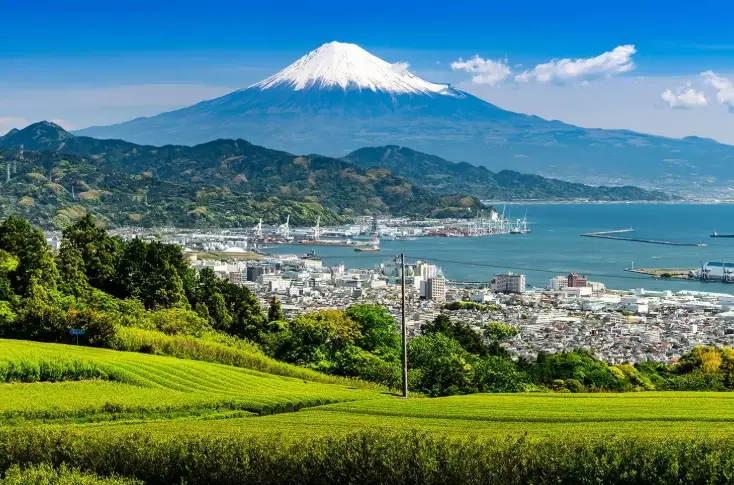
I've spent a good chunk of time there, both as a tourist gawking at the views and later trying to navigate daily life. Let me tell you, my first week living there was a mix of breathtaking moments and sheer confusion at the local supermarket. This isn't a sponsored tourism piece. It's a real, ground-level look at what it's actually like for a foreigner in Shizuoka Prefecture.
The quick take? Shizuoka is incredibly safe, beautiful, and welcoming in spirit. But "foreigner friendly" in the practical, day-to-day sense? That's where you hit some bumps. It's friendly, but on its own terms. It's not like Tokyo or Osaka, where English signs and international services are everywhere. Shizuoka's charm is its authenticity, which also means you're diving into deep, real Japan.
What Does "Foreigner Friendly" Even Mean in Shizuoka?
We need to break this down. When you ask is Shizuoka foreigner friendly, you could be asking a few different things. A backpacker spending three days in Shimoda has a completely different experience from an engineer moving to Fuji City for a three-year contract.
For a tourist, friendly often means: Can I get by with English? Are there signs I can understand? Will people help me if I'm lost? For someone moving there, it means: Can I rent an apartment easily? Can I make friends? Can I see a doctor? Is there an international community?
Shizuoka scores differently on each of these. Let's get into the nitty-gritty.
The Language Barrier: The Big One
This is the elephant in the room. Outside major tourist hubs like Shimoda, Atami, or the immediate area around Shizuoka Station, English proficiency drops off a cliff. In my local konbini (convenience store) in a residential area, simple transactions required pointing and a lot of smiling. The staff were always patient and kind, but there was no English spoken.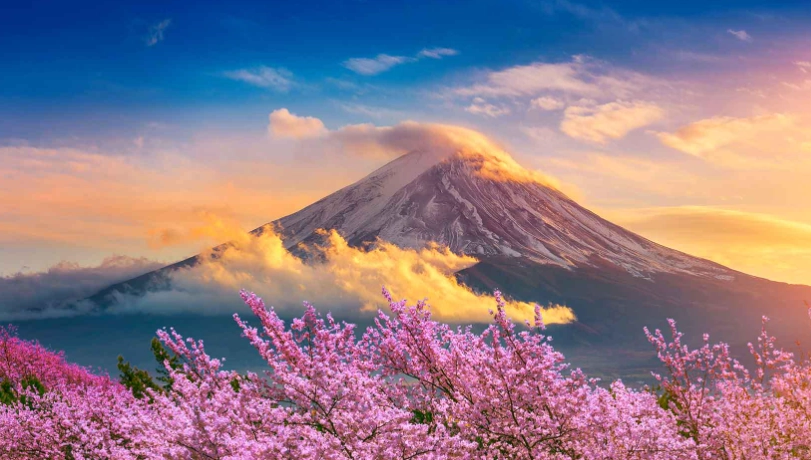
Government offices, like the city hall (shiyakusho), often have at least one person who can manage basic English, especially for common procedures like registering your address. But don't expect fluency. I highly recommend using Google Translate's conversation mode or having a Japanese-speaking friend on speed dial for anything complicated.
My own moment of truth was at the ward office trying to sort out my garbage disposal schedule. The pamphlet was all in Japanese, with complex charts for burnable vs. non-burnable days. The clerk pulled out a tablet with translation software, and we managed with a mix of that and hand gestures. It was slow, but they didn't give up on me. That's a kind of friendliness, I suppose—persistence.
On the flip side, the Japan National Tourism Organization (JNTO) website is a fantastic resource for pre-trip planning, and they've worked hard to improve multi-language support nationwide. In Shizuoka, train stations on major lines (Tokkaido Shinkansen, JR Tokaido Line) have better English signs. But step onto a local bus in the Izu Peninsula, and you're back to relying on route numbers and hope.
Daily Life: Groceries, Transportation, and Getting Around
Daily errands are a mixed bag. Large supermarkets like Aeon sometimes have small sections with imported goods, but they're expensive. You learn to cook with local ingredients pretty fast. Finding specific spices or products from home often meant a trip to Tokyo or an online order.
Transportation is efficient but can be linguistically isolating. The buses and local trains are punctual and clean, but announcements and signage are primarily Japanese. For tourists, the Shizutetsu Justline Bus network around Shizuoka City has some English info, which is helpful. Getting a rechargeable IC card (Suica or Pasmo) is a lifesaver—just tap and go, no conversation needed.
Driving? If you have an International Driving Permit, driving in Shizuoka can be a fantastic way to explore. Roads are excellent and well-signed (though in Japanese). The coastal drives, especially along Izu, are stunning. Parking can be tight in old town areas, but it's generally less stressful than driving in Tokyo.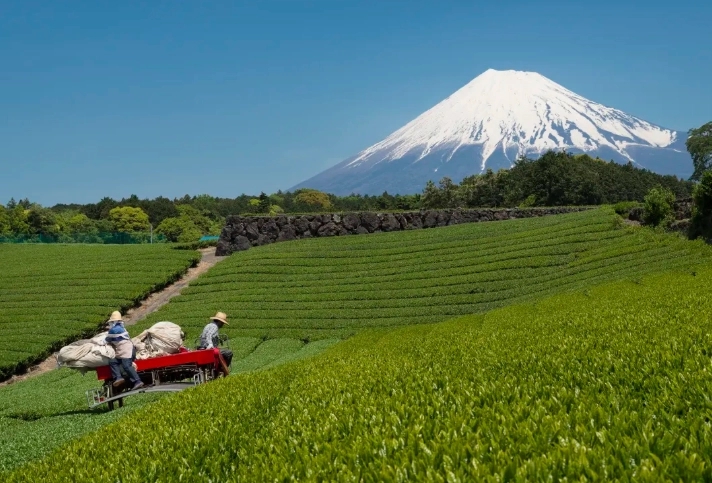
A Realistic Breakdown: Shizuoka's Friendliness Report Card
Let's put this in a table. It's easier to see the contrast.
| Aspect of Life | Rating (Out of 5) | Why & The Reality |
|---|---|---|
| Tourist Hospitality | ★★★★★ | People in service industries (ryokan, restaurants near sights) are exceptionally gracious and patient, even with language gaps. The famous omotenashi (hospitality) is real here. |
| English Information & Signage | ★★☆☆☆ | Sparse outside core tourist areas. Major train stations are okay, but museums, local restaurants, and public facilities often have minimal English. |
| Ease of Making Local Friends | ★★★☆☆ | Shizuoka people are reserved but warm once the ice breaks. Without Japanese ability, it's very hard. With even basic Japanese, joining local clubs (tea ceremony, surfing, hiking) is a great way in. |
| Access to International Food/Goods | ★★☆☆☆ | Limited. A few import shops in Shizuoka City and Hamamatsu, but be prepared for a less diverse selection and higher prices than in major metros. |
| Natural Beauty & Outdoor Access | ★★★★★ | Unbeatable. From the Alps to the Pacific, it's a paradise for hikers, surfers, cyclists, and hot spring lovers. This universal language makes life good. |
| Administrative Processes (Visas, City Hall) | ★★★☆☆ | Processes are rigid but clear. Staff will try to help. The Shizuoka Prefectural Government's English site has useful guides for residents. |
See what I mean? It's all over the map. If your idea of "foreigner friendly" is a place where you can live comfortably long-term with zero local language skill, Shizuoka will be a struggle. But if you're willing to engage, even clumsily, the rewards are immense.
The scenery never gets old. That helps a lot on frustrating days.
For the Tourist: Is Shizuoka a Good Choice?
Absolutely, with some preparation. The tourism infrastructure in key areas is set up for you. Places like the Kunozan Toshogu Shrine, Miho no Matsubara, and the Izu Peninsula resorts are used to seeing foreign faces.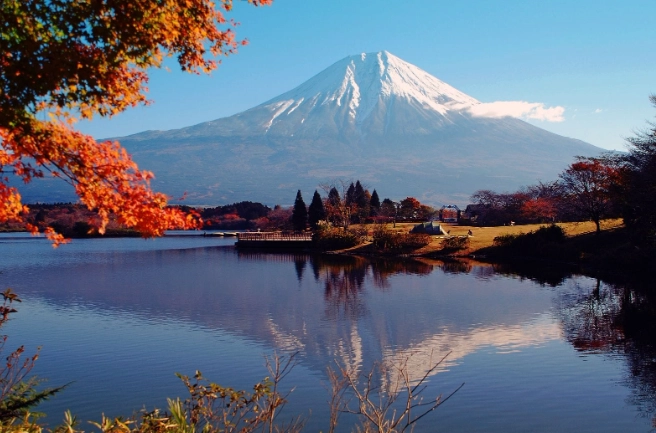
Book accommodation that explicitly states it has English-speaking staff or welcomes foreign guests. Many traditional ryokan (inns) are now listing on international platforms. Don't be shy about using translation apps to read menus—it's common practice now.
One major advantage? It's less crowded than Kyoto or Tokyo. You can often enjoy stunning world heritage views without fighting through huge tour groups. That, in itself, feels friendly.
Pro-Tip for Tourists: Get the "Izu Peninsula Dream Pass" if you're focusing on Izu. It covers buses and some boats, and the brochure/website has decent English. It takes the stress out of figuring out individual fares.
Top Tourist Spots and Their Friendliness Factor
- Shimoda: Very used to foreigners (historical ties with the US). Good English signage, many restaurants have picture menus. Probably the easiest entry point.
- Atami: A classic hot spring resort. Large hotels have international staff, but the smaller backstreet onsens might be more intimidating for first-timers.
- Shizuoka City (Sumpu Castle Park, etc.): The prefectural capital. The main tourist information center near the station is helpful. Areas directly around the station are more navigable.
- The Tea Fields (Fujieda, Kakegawa): Beautiful, authentic, but deep in the countryside. English is rare. Go with a tour or be ready for a very immersive, non-verbal experience.
For the Expat or Potential Resident: The Deep Dive
This is where the question is Shizuoka foreigner friendly gets serious. Moving here is different.
The Work Environment
If you're being transferred by a global company (think Yamaha in Hamamatsu, pharmaceutical firms), you'll likely have relocation support. That's a huge buffer. If you're looking for local employment as an English teacher, there are positions, but competition can be stiff as it's a desirable location.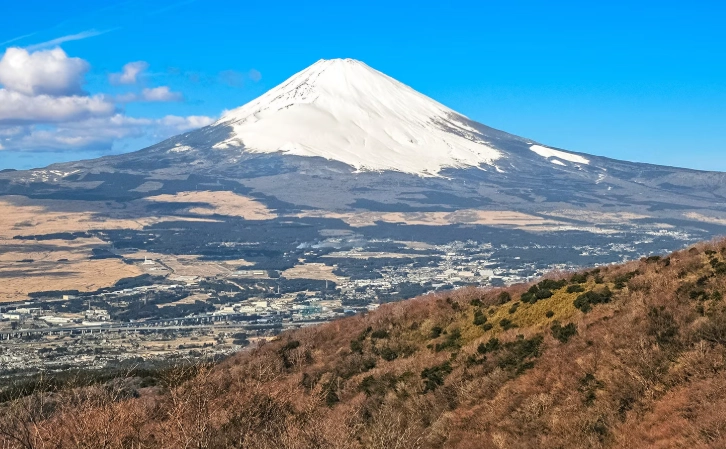
The general work culture is traditional Japanese. This means hierarchy, consensus-building, and after-work socializing (nomikai) are important. It's not inherently unfriendly to foreigners, but it can be culturally exhausting if you're not prepared for it. Your success and sense of belonging will be directly tied to your effort to understand and adapt to these norms.
Finding a Home
Apartment hunting can be the first major hurdle. Many landlords are still reluctant to rent to foreigners, often due to unfounded fears or past communication issues. It's not personal, but it's a real barrier.
Your best bet is to use a real estate agent (fudosan ya) that explicitly handles foreign clients. They exist in Shizuoka City and Hamamatsu. Be prepared for extra requirements: a higher deposit, a Japanese guarantor, or using a guarantor company. It's more hassle and cost than a local would face, which is the definition of less friendly.
Let's be blunt: The housing market is the least friendly part of the experience. It's where you'll most feel like an outsider. Budget extra time and money for this process.
The International Community
It's small but tight-knit. You won't find vast expat enclaves. Connections happen through Facebook groups (search "Shizuoka Expats" or "Shizuoka International"), through work, or at the few bars and cafes known as foreigner hangouts. The community is a mix of English teachers, engineers married to Japanese spouses, researchers, and long-term surfers who never left.
Having this network is crucial for sanity. They're the ones who can tell you which dentist speaks a little English, where to find proper cheese, and how to navigate the annual car inspection (shaken).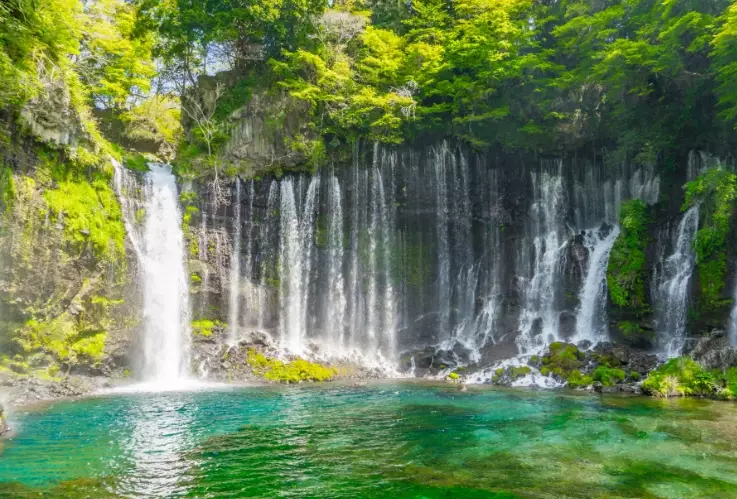
The Hidden Challenges (The Stuff Blogs Don't Always Mention)
Okay, so we've covered language and housing. But what about the smaller, daily things that grind you down?
- Healthcare: Finding an English-speaking doctor is a challenge. Larger hospitals in Shizuoka City might have an international department. For everything else, you go with a phrasebook, a translation app, or a helpful Japanese friend. It's a vulnerable feeling.
- Bureaucracy: Everything from setting up internet to getting a bank account involves paperwork and stamps (inkan). The processes are not designed with non-Japanese speakers in mind. It's slow and frustrating.
- The "Quiet": Nightlife is subdued compared to Tokyo. If you thrive on a bustling, international social scene, you might find Shizuoka sleepy and isolating, especially in winter.
But then, you have a bad day dealing with all that, and you drive 30 minutes to a sunset over the ocean from a deserted beach, or you see Fuji-san perfectly clear on your morning commute, and it sort of… resets you.
So, Is Shizuoka Foreigner Friendly? The Final Verdict
It's conditionally friendly. It's not effortlessly accessible like some global cities.
Shizuoka is friendly if: you have a positive attitude, you're patient, you're willing to learn even basic Japanese phrases (please, thank you, excuse me), and you appreciate subtlety over overtness. It's friendly if you value stunning nature, safe streets, and fantastic food over convenience and cosmopolitan buzz.
Shizuoka is less friendly if: you expect everything to be in English, you get easily frustrated by bureaucratic processes, or you need a large, readily available expat community to feel at home.
Ultimately, asking is Shizuoka foreigner friendly might be the wrong question. The better question is: What kind of foreigner are you, and what are you looking for? If you're an adaptable adventurer seeking authentic Japan beyond the postcards, Shizuoka will welcome you with open arms—once you learn how to knock on the right door.
Common Questions About Life in Shizuoka for Foreigners
Look, no place is perfect. Shizuoka has its fair share of headaches for newcomers from abroad. The paperwork is a nightmare, and sometimes you just want a decent bagel. But the trade-off is a life surrounded by some of the most iconic natural beauty on the planet, in a community that is genuinely safe and, in its own quiet way, caring.
So, is Shizuoka foreigner friendly? It's as friendly as you are willing to make it. Meet it halfway. Learn a little. Smile a lot. Be patient. In return, it will give you quiet mornings in misty tea fields, the taste of the freshest seafood imaginable, and the profound peace of watching Mount Fuji change color with the seasons. For many of us, that's more than enough.
Comments