Let's cut to the chase. A Japan travel package can cost you anywhere from a surprisingly affordable $2,000 per person for a tight, well-planned budget trip, to a staggering $15,000+ for a fully bespoke luxury experience. The average traveler spends between $3,500 and $6,500 for a quality 10-14 day tour that covers the classics without constant penny-pinching.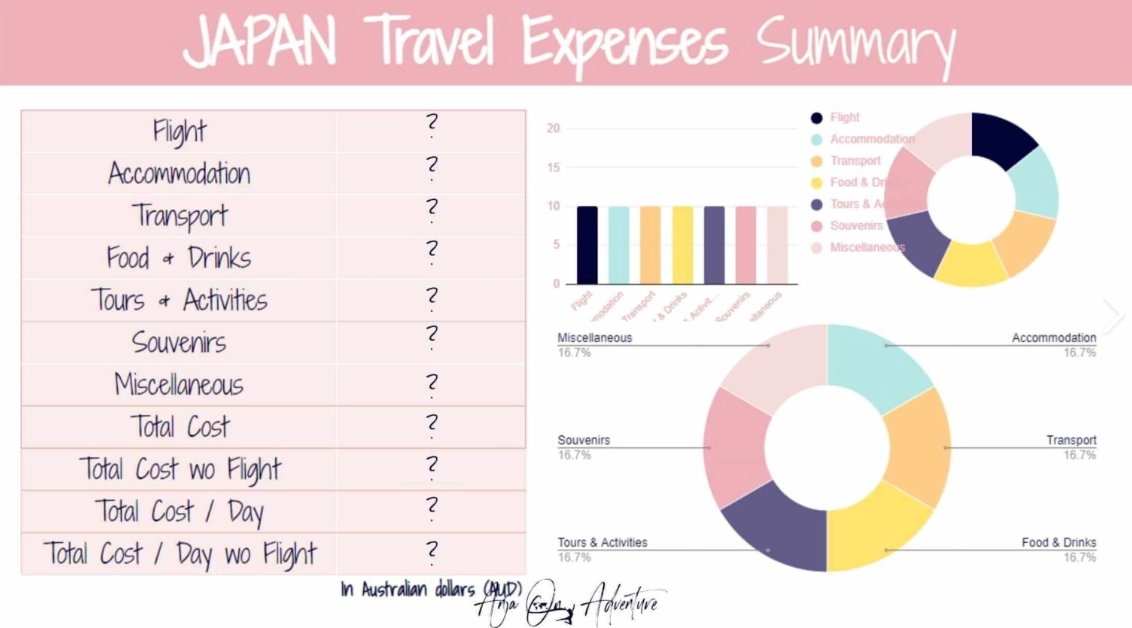
But what does that actually include? The word "package" gets thrown around a lot. Is it just flights and hotels? Does it include that bullet train pass you keep hearing about? What about meals and temple entries? The price tag swings wildly based on what's bundled, your travel style, and the season you go. I've put together trips for friends and family for years, and the single biggest mistake I see is comparing prices without understanding the components.
Your Quick Cost Navigator
What Makes Up the Cost of a Japan Travel Package?
Think of a package as a bundle. The more items in the bundle, the higher the base price, but often the better the overall value. Let's break it down.
The Core Pillars of Pricing
International Flights: This is your biggest variable. From the US West Coast, you might snag a deal for $700 round-trip in the low season (Jan-Feb, excluding New Year). From the East Coast or Europe, expect $1,100 to $1,600. Peak seasons (cherry blossom in late March-April, autumn foliage in Nov, and year-end holidays) can easily add $400-$800 to those figures. I once booked a last-minute flight for Golden Week – never again. The premium hurt.
Accommodation: This is where Japan's spectrum shines. A capsule hotel or business hotel room in Osaka might run you $50-$80/night. A decent 3-4 star hotel in central Tokyo (think Shinjuku or Shimbashi) is $120-$220/night. A traditional ryokan with kaiseki dinner and breakfast? Plan for $300-$600 per person per night. Luxury hotels like the Ritz-Carlton or Aman can exceed $1,000. Location is everything. A hotel a few subway stops from the main hub can save you 30%.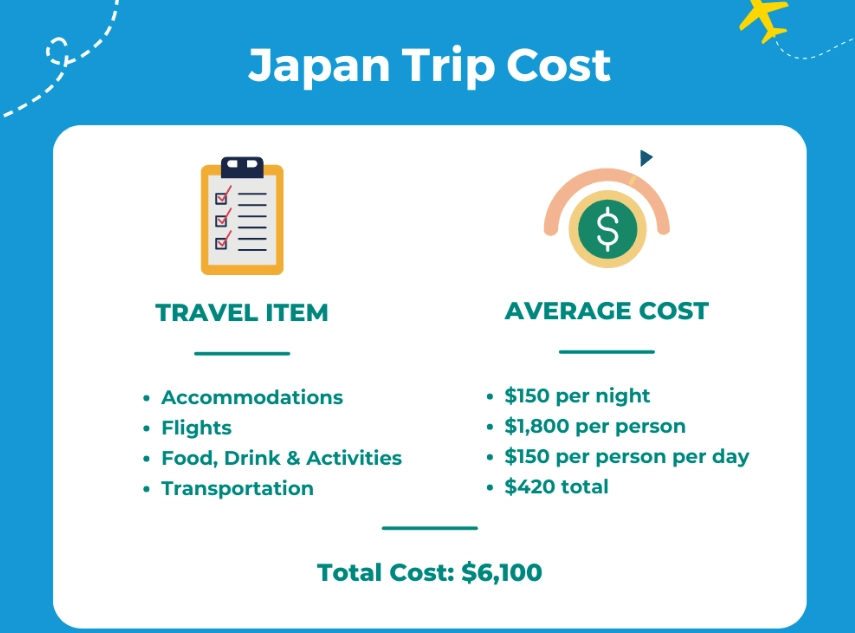
Domestic Transport: This is the silent budget killer for first-timers. The 7-day Japan Rail Pass is around $335. It's a fantastic deal if you're doing a Tokyo-Kyoto-Hiroshima loop. But if you're just hopping between Tokyo and Kyoto, individual Shinkansen tickets might be cheaper. Then there are subways, buses, and local trains, which can add up to $15-$25 per day per person. Don't forget the airport transfers (Narita Express is about $30 one way to Tokyo).
Meals & Drinks: You can eat like a king on a budget or spend a fortune. A filling bowl of ramen or a donburi bowl is $8-$12. A casual lunch set at a department store food hall is $10-$15. A nice sushi dinner at a reputable (not Michelin-starred) restaurant could be $50-$80 per person. And then there's the convenience store breakfast – a cult favorite for good reason, at about $5.
Activities & Entrance Fees: Temples and gardens usually cost $4-$8 to enter. Major museums are $10-$15. A teamLab Planets ticket is about $30. A day at DisneySea will set you back around $80 for the ticket alone. Sumo tournament tickets? Those start at around $40 for general admission and go way up.
Travel Insurance & Miscellaneous: Don't skip this. A good policy covering medical and trip interruption is 5-10% of your total trip cost. SIM cards/pocket WiFi are $50-$100 for two weeks. Souvenirs... that's a bottomless pit.
Japan Travel Package Cost Breakdown Table
| Cost Component | Budget Tier (per person) | Comfort/Mid-Range Tier (per person) | Luxury Tier (per person) |
|---|---|---|---|
| International Flights | $700 - $1,100 | $1,100 - $1,600 | $2,000+ (Business/First) |
| Accommodation (10 nights) | $500 - $800 | $1,200 - $2,200 | $3,000 - $10,000+ |
| Domestic Transport | $200 (Local passes, buses) | $350 (7-day JR Pass) | $500+ (Green Car, taxis) |
| Food & Drink (per day) | $30 - $50 | $60 - $100 | $150+ |
| Activities & Entries | $100 - $200 | $250 - $400 | $500+ |
| Travel Insurance | $50 - $100 | $100 - $150 | $200+ |
| Estimated Total (10-12 days) | $2,000 - $3,000 | $3,500 - $6,500 | $8,000 - $15,000+ |
Japan Travel Package Cost by Budget Tier
Now, let's see what these numbers actually buy you in terms of a real package experience.
Budget-Friendly Japan Packages (Under $2,500 per person)
This is for the savvy, flexible traveler. Packages at this level typically include flights, budget accommodation (business hotels like APA or Dormy Inn, or well-located hostels), and maybe a regional transport pass like a Tokyo Subway Ticket. Meals and most attractions are on you.
What you get: A clean, small room, often near a major transit hub but not necessarily in the glitziest district. You'll use subways and buses extensively. Your meals will be a mix of convenience stores (7-Eleven's egg salad sandwiches are legendary), street food (takoyaki in Osaka!), and affordable restaurant chains like Yoshinoya or Sukiya.
Sample itinerary focus: Tokyo, Osaka, Kyoto using overnight buses or budget airlines (like Peach or Jetstar) to save on accommodation and time. You'll visit many free sights: Senso-ji Temple approach, Fushimi Inari Shrine paths, the Gion district stroll, and people-watching in Shibuya.
The trade-off: You'll be on your feet a lot, packing and unpacking if using overnight transport. You might share a bathroom. Spontaneity is limited by your tight budget. But the cultural immersion can be deeper – you're living more like a local student or young professional.
Mid-Range / Comfort Packages ($3,500 - $6,500 per person)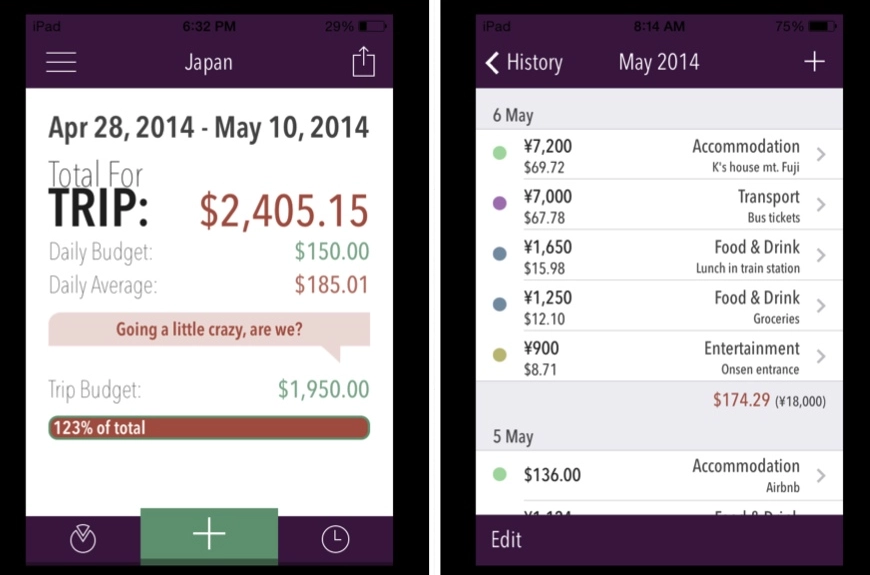
This is the sweet spot for most travelers and where the majority of curated tour packages from reputable operators like InsideJapan Tours or JTB land. It balances comfort, convenience, and experience.
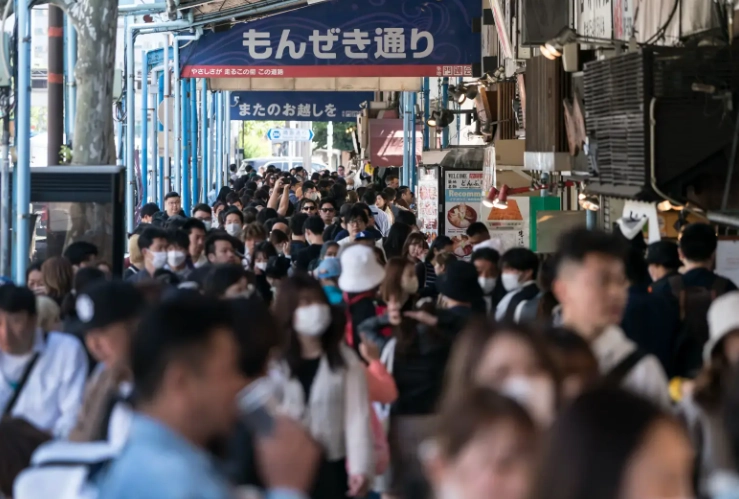
What you get: Flights, comfortable 3-4 star hotels with private facilities, a Japan Rail Pass for the classic Golden Route, several guided day tours (e.g., a morning in Tokyo's Tsukiji Outer Market with a guide, a historical walking tour of Kyoto's Gion), and a few key meals (perhaps a welcome dinner or a kaiseki meal in a ryokan). You'll have a detailed itinerary and often a 24/7 help line.
Sample itinerary: The classic two-week trip: Tokyo (3 nights) -> Hakone (1 night ryokan) -> Kyoto (4 nights) -> Hiroshima/Miyajima (2 nights) -> Osaka (2 nights). Transport is smooth via Shinkansen. You have time for both major sights and a few off-beat spots recommended by your tour notes.
The value: The logistics are handled. You're not wasting vacation time figuring out train schedules or hunting for your hotel. The included tours provide context you'd miss on your own. I've found the peace of mind here is worth the premium over a bare-bones DIY trip.
Luxury & Fully Inclusive Packages ($8,000+ per person)
Here, the experience is tailored and exclusive. Think private guides, chartered transport, stays at top-tier ryokans and luxury hotels (The Peninsula, Hoshinoya, Aman), and dining at renowned restaurants.
What you get: Beyond flights and sublime accommodation, you get a private car and guide for the entire journey or in key locations. Experiences are access-based: a private tea ceremony with a master, after-hours access to a famous garden, a sushi-making class with a top chef. Every meal is a curated event. Companies like Black Tomato or Abercrombie & Kent specialize here.
Sample experience: Instead of fighting the crowds at Arashiyama Bamboo Grove, your guide takes you at sunrise. Your "transport" from Kyoto to a ryokan in the Japanese Alps might be a scenic private car ride. Your dinner is a multi-course kaiseki where the chef explains each seasonal ingredient.
The bottom line: This isn't just travel; it's a deeply personalized cultural immersion with unparalleled comfort and access. The cost is high, but for those who value time, exclusivity, and seamless service above all, it's the only way to go.
Real-World Japan Itinerary Cost Examples
Let's move from theory to concrete plans. Here are two detailed package-style itineraries with estimated costs, so you can see exactly where the money goes.
Example 1: The 7-Day Classic Blitz (Tokyo & Kyoto)
Perfect for the first-timer with limited time.
- Day 1-4: Tokyo. Stay at a hotel like the Mitsui Garden Hotel Ginza Premier ($180/night). Visit Asakusa (Senso-ji), Shibuya Crossing, Shinjuku Gyoen National Garden ($5), teamLab Planets ($32). Eat: Tonkatsu at Maisen, ramen in Shinjuku's Omoide Yokocho.
- Day 4: Travel to Kyoto via Shinkansen. Nozomi train ticket: ~$100. Stay at Hotel The Celestine Kyoto Gion ($220/night).
- Day 5-7: Kyoto. Visit Fushimi Inari (free), Kinkaku-ji ($4), Arashiyama Bamboo Grove (free). Participate in a tea ceremony booking ($45). Day trip to Nara ($15 for train, feed the deer).
Estimated Package Cost Breakdown (per person, mid-range):
- Flights: $1,300
- Accommodation (6 nights): $1,200
- Transport (Suica card, Shinkansen): $150
- Food ($70/day): $490
- Activities/Entries: $120
- Total: ~$3,260
Example 2: The 10-Day Cultural Deep Dive
Adds Hiroshima and a ryokan stay for a more rounded experience.
- Days 1-3: Tokyo (as above).
- Day 4: Hakone. Travel via Odakyu Romancecar ($35). Stay at a ryokan like Gora Kadan (from $500/person with meals). Use the Hakone Free Pass to see Owakudani and cruise Lake Ashi.
- Days 5-7: Kyoto (as above).
- Day 8: Hiroshima/Miyajima. Shinkansen from Kyoto ($110). Visit Peace Memorial Park (free, museum $2). Ferry to Miyajima ($4), see the floating torii gate. Stay at Hotel Granvia Hiroshima ($150/night).
- Day 9-10: Osaka. Shinkansen from Hiroshima ($60). Stay at Hotel Nikko Osaka ($160/night). Eat in Dotonbori, visit Osaka Castle ($6), shop in Shinsekai.
Estimated Package Cost Breakdown (per person, comfort):
- Flights: $1,400
- Accommodation (9 nights, inc. 1 ryokan): $2,000
- Transport (7-day JR Pass): $335
- Food ($85/day): $850
- Activities/Entries: $250
- Total: ~$4,835
How to Save on Your Japan Travel Package
You don't have to stay in a capsule to cut costs. Smart choices make a huge difference.
Travel Off-Peak: Late January through early March (except Chinese New Year), June (rainy season, but less crowded), and late September to early November (before peak foliage) offer lower flight and hotel rates. The weather in June is manageable with an umbrella.
Book Flights Early... or Very Late: For peak seasons, book 6-8 months out. For shoulder seasons, you can sometimes find deals 2-3 months ahead. Use flight alert tools. I saved $300 on a November flight by booking on a Tuesday afternoon—no logic, just luck.
Choose Your Base Wisely: In Kyoto, staying near Kyoto Station is often cheaper than Gion and just as convenient. In Tokyo, look at areas like Ueno or Asakusa instead of Shinjuku or Shibuya.
Leverage Regional Passes Over the Nationwide JR Pass: If your itinerary is focused, say, just on Kansai (Kyoto, Osaka, Nara, Kobe), a Kansai Area Pass or a Kansai Thru Pass might be half the price of a nationwide JR Pass and cover more private railways and subways. Check the official Japan Rail Pass site and compare with regional options.
Lunch is Your Best Friend: Many high-end restaurants offer spectacular lunch sets (teishoku) for 30-50% of the dinner price. You get the same chef, same quality, for a fraction. This is my number one hack for fine dining on a budget.
Embrace the Free: Japan is full of incredible free experiences: temple grounds (often only the inner hall costs money), hiking trails, city observation decks (like the Tokyo Metropolitan Government Building), festivals (matsuri), and department store food basement (depachika) sampling.
Your Japan Travel Cost Questions Answered
 What's the biggest hidden cost most first-timers forget when budgeting for Japan?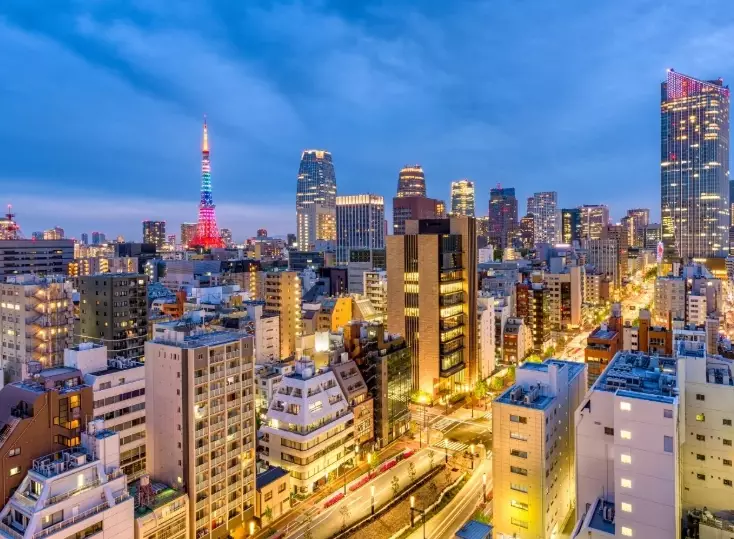
Comments