Short answer: no, 14 days isn't too long—it's actually the sweet spot. I've been to Japan five times, from rushed weekend getaways to month-long stays, and two weeks lets you dive deep without burning out. You can hit the big cities, soak in rural vibes, and still have time for spontaneity. Let's break down why, and how to plan it right.
What You'll Find in This Guide
Why 14 Days is the Perfect Length for Japan
Most first-timers ask this. Japan's transport is efficient, but distances add up. In 14 days, you can cover 3-4 regions comfortably. Try to cram everything in 7 days, and you'll spend half your time on trains. Go for a month, and costs balloon. Two weeks strikes a balance—enough for Tokyo's buzz, Kyoto's temples, Osaka's street food, and a side trip like Hiroshima or Hakone.
I learned this the hard way. On my first trip, I did Tokyo-Kyoto-Osaka in 10 days. Felt rushed. Missed the small moments, like chatting with a local at a bar in Shinjuku. With 14 days, you can slow down. Visit a less-crowded shrine in Kyoto, or take a day trip to Nara without stress.
Key insight: Many travel blogs push fast-paced itineraries, but locals often recommend spending more time in fewer places. According to the Japan National Tourism Organization (JNTO), average tourist stays are around 10-14 days, which aligns with optimal experience.
How to Plan Your 14-Day Japan Itinerary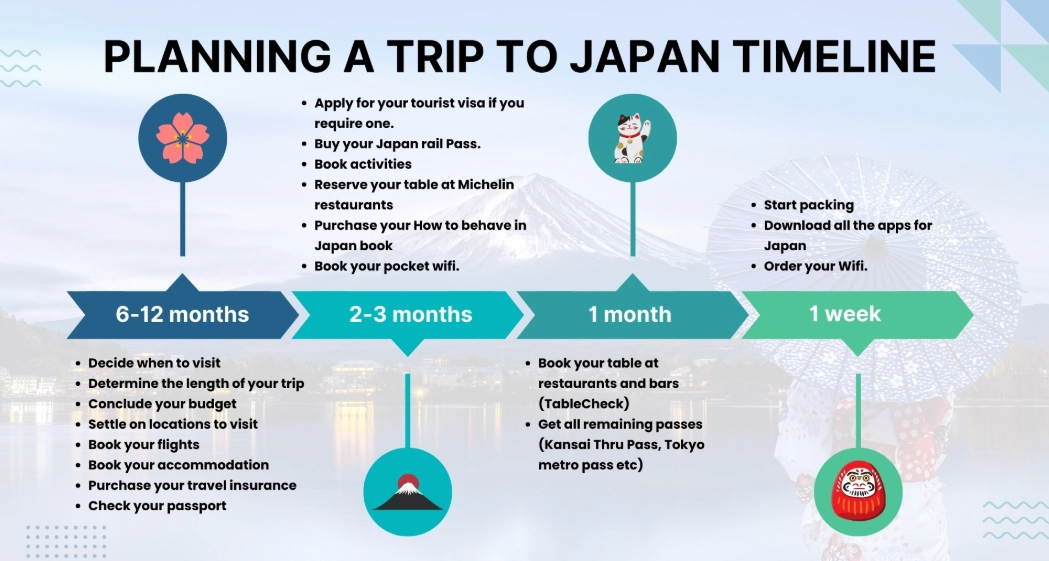
Start with priorities. Love history? Focus on Kansai (Kyoto, Osaka, Nara). Into pop culture? Tokyo and Akihabara. Here's a flexible framework.
Step 1: Choose Your Base Cities
Pick 2-3 hubs. I suggest Tokyo (5 days), Kyoto (4 days), Osaka (3 days), with 2 days for travel or side trips. Use the Shinkansen—it's pricey but saves hours. A Japan Rail Pass might pay off if you're moving a lot; check online calculators before buying.
Step 2: Balance Activities
Mix urban and rural. After Tokyo's chaos, unwind in Hakone's onsens. Avoid temple fatigue in Kyoto by adding Arashiyama's bamboo forest.
| City | Recommended Days | Top Attractions | Transport Tip |
|---|---|---|---|
| Tokyo | 5 days | Senso-ji, Shibuya Crossing, teamLab Borderless | Use Suica card for trains |
| Kyoto | 4 days | Fushimi Inari, Kinkaku-ji, Gion district | Rent a bike for temples |
| Osaka | 3 days | Dotonbori, Osaka Castle, Universal Studios | Walk or subway; it's compact |
| Side Trip (e.g., Hiroshima) | 2 days | Peace Memorial Park, Miyajima Island | Shinkansen from Osaka (~2 hours) |
A Detailed Day-by-Day Breakdown
Here's a sample itinerary based on my last trip. Adjust based on season—cherry blossom season (March-April) requires advance bookings.
Days 1-5: Tokyo Exploration
Day 1: Arrive at Narita or Haneda. Stay in Shinjuku—easy access. Hotel Sunroute Plaza Shinjuku (2-3-1 Yoyogi, Shibuya City, Tokyo 151-0053) costs around ¥15,000 per night. Dump bags, then head to Omoide Yokocho for yakitori.
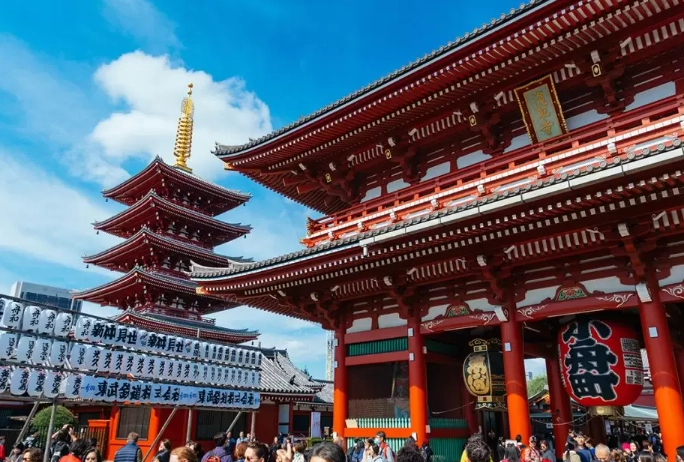
Day 2: Asakusa for Senso-ji Temple (2-3-1 Asakusa, Taito City, Tokyo 111-0032). Free entry, open 6:00-17:00. Take Tokyo Metro Ginza Line to Asakusa Station. Afternoon at Tokyo Skytree—book tickets online to skip lines.
Day 3: Shibuya and Harajuku. See the scramble crossing, then Meiji Jingu shrine. Eat at Ichiran Ramen (multiple locations; tonkotsu ramen for ~¥1,000, open 24/7).
Day 4: Day trip to Kamakura or Nikko. Kamakura's Great Buddha (4-2-28 Hase, Kamakura, Kanagawa 248-0016) is ¥300 entry, 8:00-17:30. Train from Tokyo Station takes an hour.
Day 5: Akihabara for anime or Shinjuku Gyoen garden. Relax—don't overpack.
Days 6-9: Kyoto Immersion
Shinkansen to Kyoto (2.5 hours). Stay near Gion—traditional vibes. Gion Hatanaka ryokan (505 Gionmachi Minamigawa, Higashiyama Ward, Kyoto 605-0074) offers kaiseki meals at ¥30,000+ per night.
Day 6: Fushimi Inari Taisha (68 Fukakusa Yabunouchi-cho, Fushimi-ku, Kyoto 612-0882). Free, open 24/7. Go early to avoid crowds. Afternoon at Kiyomizu-dera (1-294 Kiyomizu, Higashiyama Ward, Kyoto 605-0862), ¥400 entry, 6:00-18:00.
Day 7: Arashiyama. Bamboo Grove (free), then Tenryu-ji temple (68 Susukinobaba-cho, Saga-Tenryuji, Ukyo-ku, Kyoto 616-8385), ¥500 entry, 8:30-17:00. Rent a bike—it's faster.
Day 8: Nara day trip. From Kyoto Station, train to Nara (45 minutes). Todai-ji Temple (406-1 Zoshicho, Nara 630-8211), ¥600 entry, 7:30-17:30. Feed the deer, but they can be aggressive.
Day 9: Explore Gion and Pontocho alley. Try kyo-kaiseki at Kikunoi (459 Shimokawara-cho, Higashiyama Ward, Kyoto 605-0825), reservations needed, ~¥20,000 per person.
Days 10-12: Osaka Fun
Train to Osaka (30 minutes). Stay in Namba area—nightlife central. Hotel Nikko Osaka (1-1-13 Nishi-Shinsaibashi, Chuo-ku, Osaka 542-0086) around ¥18,000 per night.
Day 10: Dotonbori for street food. Takoyaki at Kukuru (1-6-12 Dotonbori, Chuo-ku, Osaka 542-0071), ¥500 per serving, open 11:00-22:00. Evening at Osaka Castle (1-1 Osakajo, Chuo-ku, Osaka 540-0002), ¥600 entry, 9:00-17:00.
Day 11: Universal Studios Japan. Buy Express Pass online—saves hours. Or, if you hate crowds, skip it and visit Shinsekai district instead.
Day 12: Day trip to Hiroshima. Shinkansen from Shin-Osaka Station (1.5 hours). Peace Memorial Park (1-2 Nakajimacho, Naka Ward, Hiroshima 730-0811) is free, open 8:30-18:00. Then ferry to Miyajima for Itsukushima Shrine.
Days 13-14: Flexibility and Departure
Use these for spontaneity. Maybe return to Tokyo for shopping in Ginza, or add Hakone for onsens. Hakone Kowakien Tenyu (1297 Ninotaira, Hakone-machi, Ashigarashimo-gun, Kanagawa 250-0407) offers ryokan experience at ¥40,000 per night. Depart from Tokyo's airports.
Where to Stay: Accommodation Picks
Japan has options for all budgets. Book 3-6 months ahead for peak seasons.
- Tokyo (Budget): Capsule Hotel Anshin Oyado Shinjuku (1-2-5 Kabukicho, Shinjuku City, Tokyo 160-0021). Capsules from ¥3,000/night. Clean, but noisy—bring earplugs.
- Tokyo (Mid-range): Hotel Gracery Shinjuku (1-19-1 Kabukicho, Shinjuku City, Tokyo 160-0021). Godzilla theme, ~¥15,000/night. Great location.
- Kyoto (Luxury): Hoshinoya Kyoto (11-2 Genrokuzancho, Nishikyo Ward, Kyoto 616-0007). Riverside villas, ¥80,000+/night. Book via their website.
- Osaka (Budget): First Cabin Midosuji Namba (2-4-15 Nipponbashi, Naniwa-ku, Osaka 556-0005). Cabin-style, ¥4,000/night. Near subway.
I prefer business hotels—they're reliable, if bland. Avoid Airbnb in residential areas; some have legal issues.
What to Eat: Foodie Highlights
Japanese food is more than sushi. Here are must-tries with specifics.
Tokyo: Sushi Dai at Tsukiji Outer Market (4-13-15 Tsukiji, Chuo City, Tokyo 104-0045). Omakase from ¥4,000, open 5:00-14:00. Wait times can hit 3 hours—go at 3 AM if you're crazy. Alternatively, try local conveyor belts like Genki Sushi in Shibuya.
Kyoto: Nishiki Market. Try tako tamago (octopus egg) for ¥500. Kyo-kaiseki at Hyotei (35 Kusagawa-cho, Nanzenji, Sakyo-ku, Kyoto 606-8437), ¥30,000 per person, reservations essential.
Osaka: Okonomiyaki at Mizuno (1-4-15 Dotonbori, Chuo-ku, Osaka 542-0071). ¥1,500 per plate, open 11:00-22:00. Also, kushikatsu (deep-fried skewers) in Shinsekai.
Don't miss convenience store food—7-Eleven onigiri are lifesavers for budget travelers.
Common Mistakes to Avoid
I've seen tourists mess up. Here's how to dodge pitfalls.
Overplanning: Itineraries packed back-to-back lead to burnout. Leave gaps. On day 8 in Kyoto, I just wandered and found a tiny tea house—best memory.
Ignoring Season: Summer (June-August) is hot and humid. If you hate heat, visit in spring or autumn. Winter can be cold, but skiing in Hokkaido is great.
Not Learning Basic Phrases: "Arigatou gozaimasu" (thank you) goes a long way. Locals appreciate effort.
Relying Only on Cash: Major cities accept cards, but rural areas need cash. Withdraw from 7-Eleven ATMs—they work with foreign cards.
Assuming Everything is Open: Temples close early (around 17:00), and some restaurants shut between lunch and dinner. Check hours online.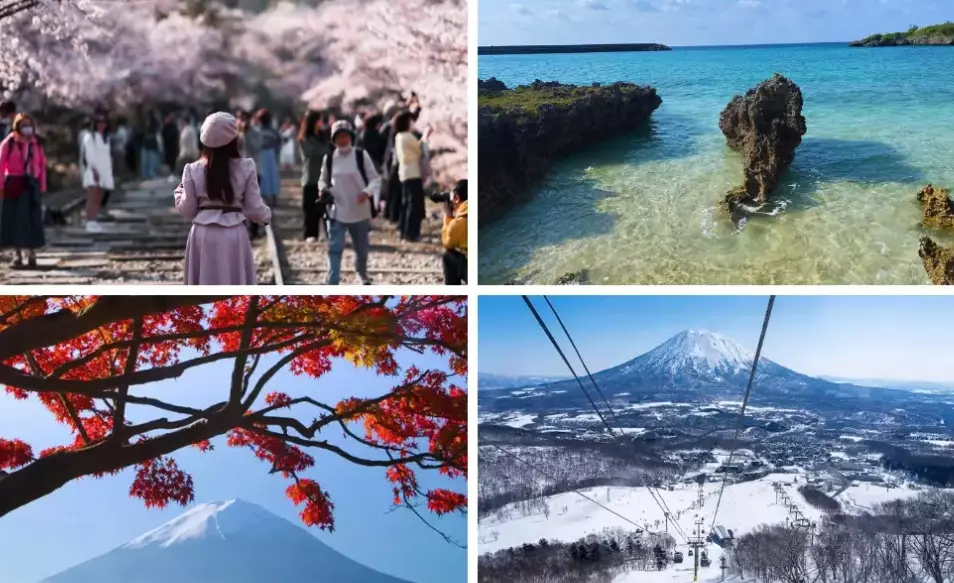
Frequently Asked Questions
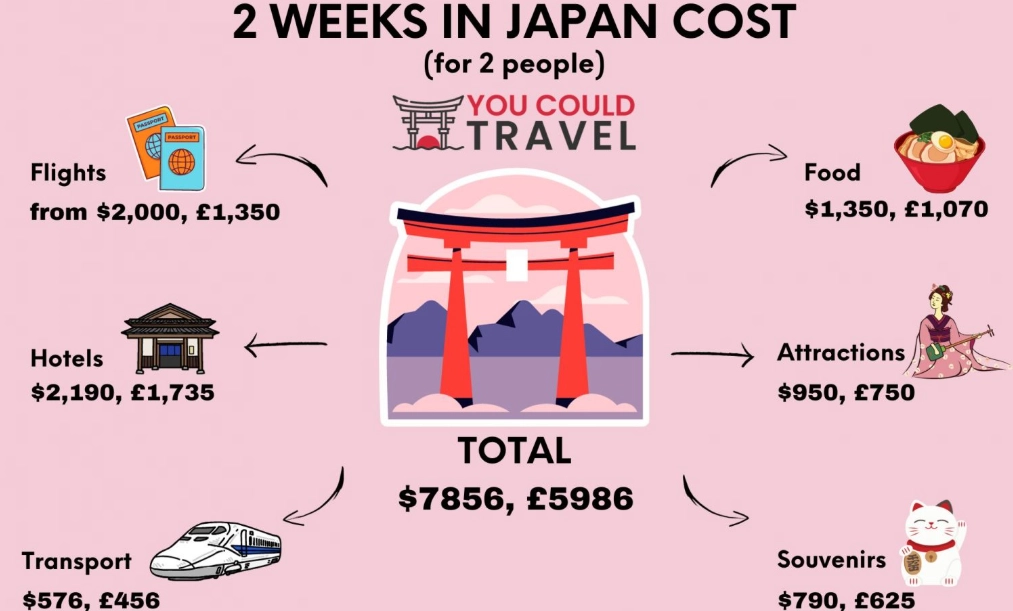
 What's the best way to budget for 14 days in Japan, including accommodations and food?
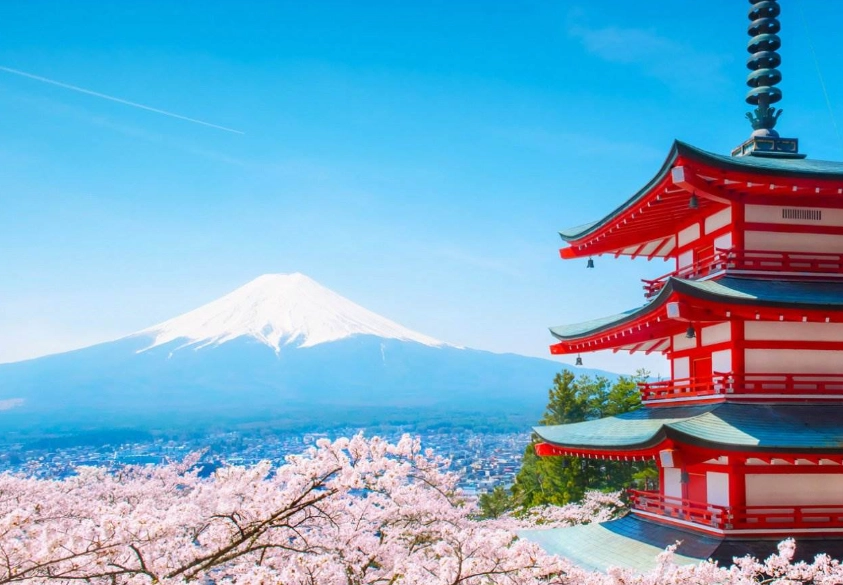 Final thought: 14 days lets you experience Japan's contrast—futuristic cities and serene temples. Plan smart, stay flexible, and enjoy the ride. For official updates, check the Japan National Tourism Organization website for travel advisories and event calendars.
Comments