Landing in Tokyo for the first time is a sensory overload in the best way possible. The sheer scale, the neon lights, the orderly chaos—it's incredible, but it can also leave you staring at a subway map wondering where to even begin. You've searched for the best places to visit in Tokyo for first timers, and now you're faced with a list longer than the Yamanote Line. Let's simplify that.
This guide isn't about ticking off every single shrine and museum. It's about crafting an experience that gives you the iconic postcard moments, a taste of authentic local culture, and the confidence to navigate it all. We'll focus on the core districts that define Tokyo for newcomers, with concrete details to turn your itinerary from a dream into a plan.
Your Tokyo Trip at a Glance
The Iconic Crossroads: Shibuya & Harajuku
This duo represents the hyper-energy and youth culture of Tokyo. They're right next to each other, making for a perfect half-day or full-day exploration.
Shibuya Crossing: More Than a Photo Op
The scramble crossing is insane. Hundreds of people crossing from all directions at once—it's a controlled chaos that's uniquely Tokyo. Most guides tell you to go to the Starbucks for the view. That's fine, but it's always packed. Here's a better move: head to the Magnet by Shibuya 109 building. The rooftop observation deck (MAG's 7) costs about 500 yen, but you get an unobstructed, elevated view of the scramble without fighting for a window seat. Time your visit for just before sunset; you'll see the crossing in daylight and then watch the neon lights of the district flicker on.
Pro Tip: Don't just watch, participate. Cross a few times yourself. Feel the collective flow. Then, for a moment of quiet contrast, duck into the Miyashita Park area. It's a new complex with shops and greenery built on top of the park, a stone's throw from the crossing's madness.
Harajuku: Takeshita Street and the Calm Next Door
Takeshita Street is a narrow, packed lane of crepe stands, quirky fashion, and rainbow candy. It's an experience—loud, crowded, and quintessentially Harajuku. Go early (before 11 AM) to avoid the worst of the crowds. But the secret most first-timers miss is what lies behind it. Walk five minutes and you're at the entrance to Meiji Jingu, one of Tokyo's most important Shinto shrines.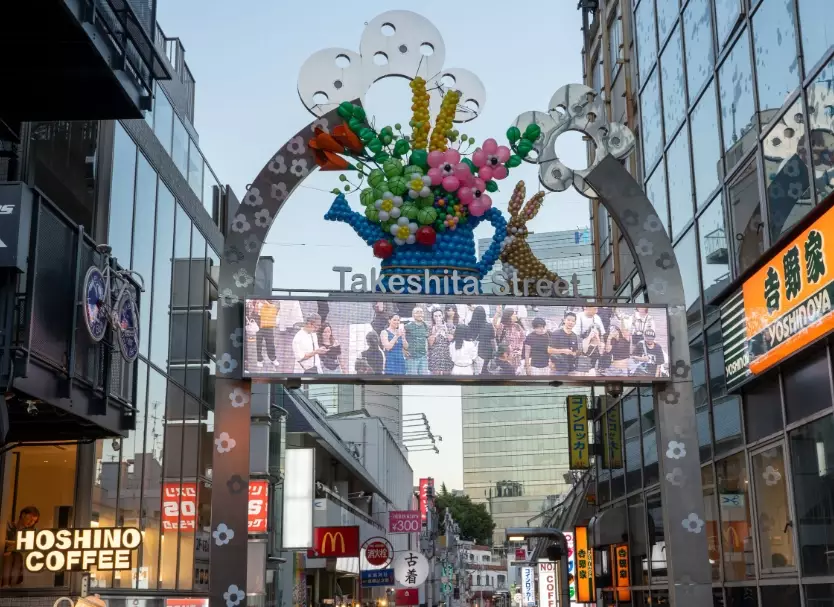
The contrast is breathtaking. You go from sensory overload to a serene, forested path. The shrine itself is majestic and peaceful. It's free to enter the main grounds, making it one of the best free things to do in Tokyo.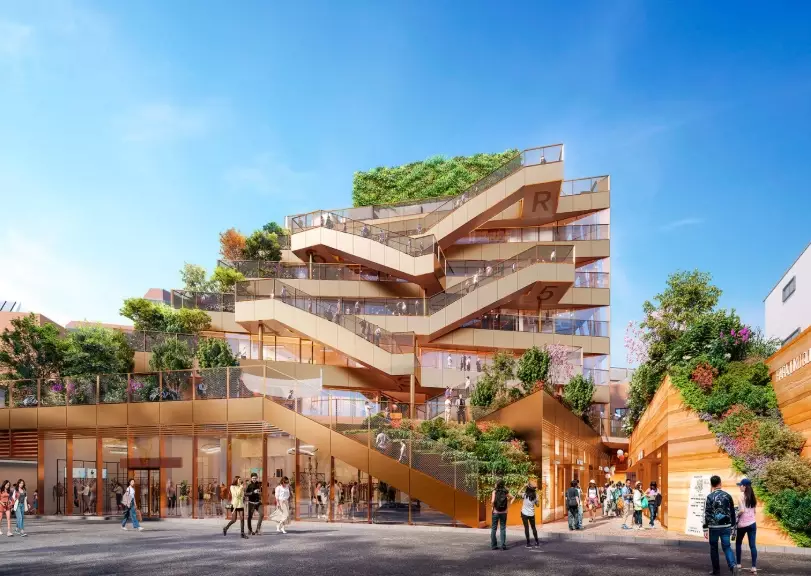
Meiji Jingu Details:
Address: 1-1 Yoyogi-Kamizono-cho, Shibuya-ku.
Hours: Sunrise to sunset (varies seasonally). The shrine buildings open around 6:30-7:00 AM and close around 4:00-5:30 PM.
Access: A 1-minute walk from Harajuku Station (JR Yamanote Line) or a 5-minute walk from Meiji-jingumae Station (Chiyoda/Fukutoshin lines).
The Traditional Heart: Asakusa & Ueno
To understand Tokyo's history, you head east to the shitamachi (old downtown) areas. This is where you'll find the postcard image of a giant lantern and a historic temple.
Senso-ji Temple: Tokyo's Oldest Temple
Your journey starts down Nakamise-dori, a bustling shopping street leading to the temple's main gate, Kaminarimon (Thunder Gate). The street is touristy, selling souvenirs and snacks like ningyo-yaki (small cake with sweet bean paste). It's part of the experience. The temple complex itself is large and often crowded, but still deeply atmospheric. Participate in the ritual: cleanse your hands and mouth at the chozuya (water pavilion) before approaching the main hall.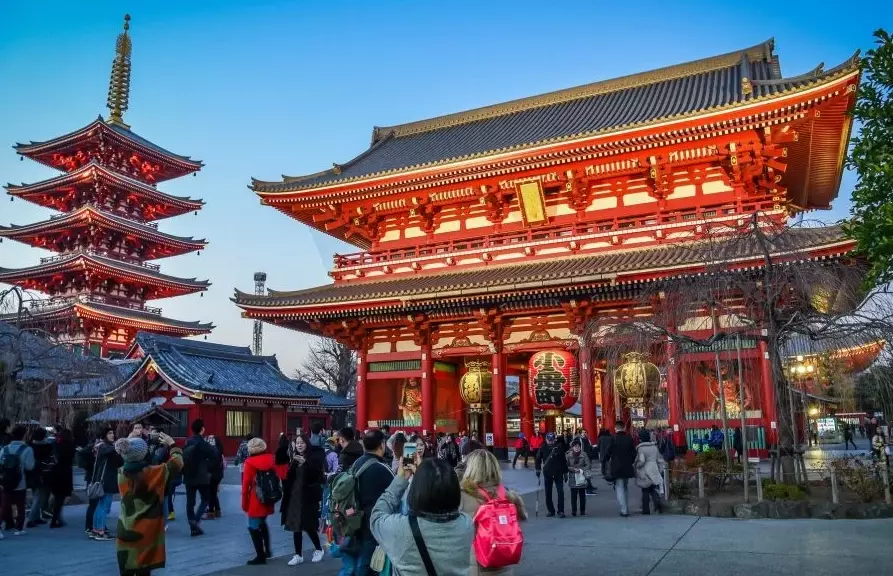
Many visitors turn around after seeing the main hall. Don't. Walk to the left side to find the Asakusa Shrine, a smaller, quieter Shinto shrine nestled within the Buddhist temple grounds. It's a beautiful example of the syncretism of Japanese religion.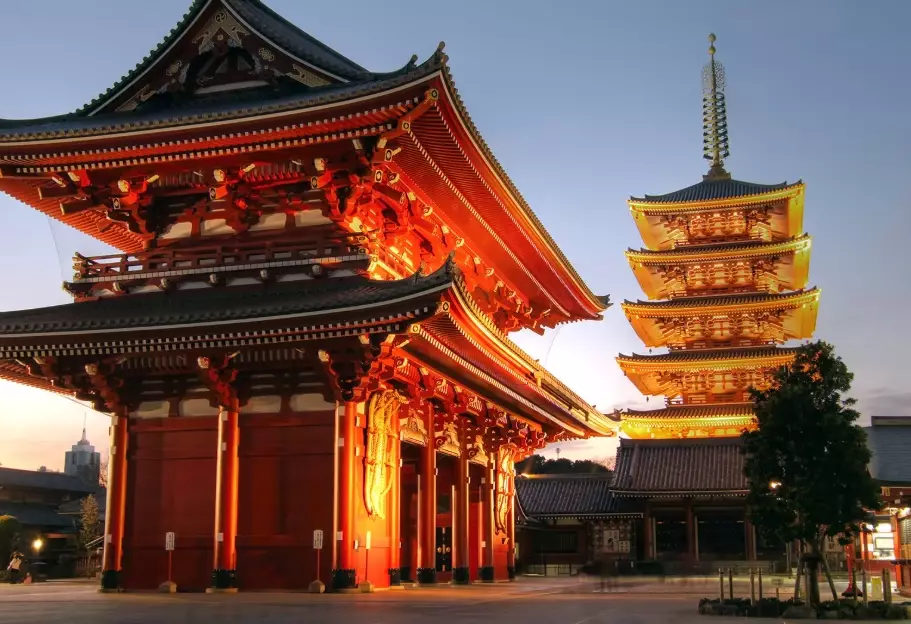
Senso-ji Details:
Address: 2-3-1 Asakusa, Taito-ku.
Hours: Main hall is open 6:00 AM to 5:00 PM (from 6:30 AM Oct-Mar). The grounds are always accessible.
Access: Directly from Asakusa Station (Ginza Line, Toei Asakusa Line, Tobu Skytree Line).
Ueno Park: Culture in a Green Oasis
A short train or pleasant walk from Asakusa brings you to Ueno Park. This isn't just a park; it's a cultural cluster. You could spend a whole day here. The key attractions for a first-timer are the Tokyo National Museum (if you want to see the world's best collection of Japanese art and artifacts) and the Ueno Zoo (famous for its giant pandas). The park itself is lovely for a stroll, with Shinobazu Pond and its lotus plants.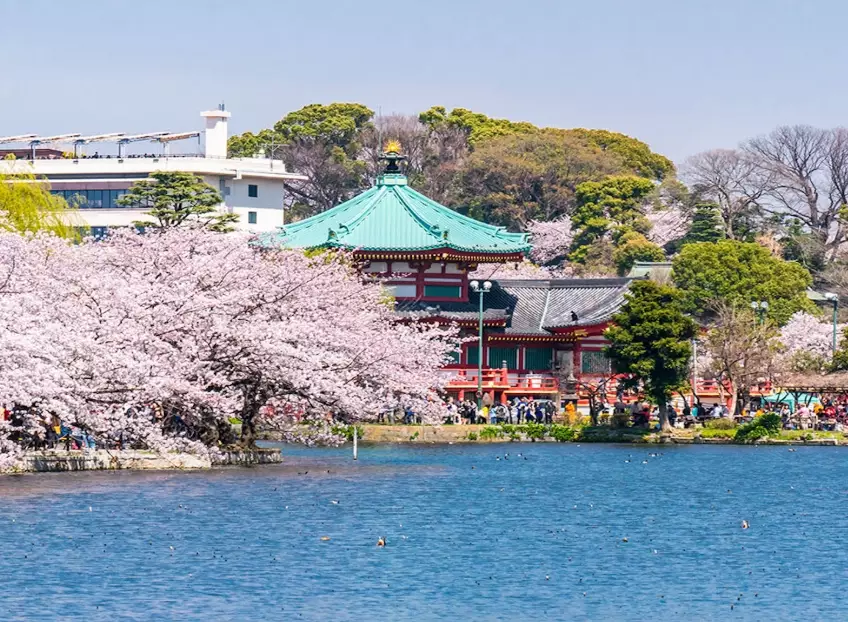
If museums aren't your thing, just walking through the park, especially on a weekend, gives you a slice of local life—street performers, families picnicking, and artists sketching.
Modern Wonders & City Views: Shinjuku & Beyond
Tokyo's skyline is legendary. For first-timers, getting a panoramic view is non-negotiable. But you have options beyond the most famous (and expensive) ones.
Shinjuku: Skyscrapers and Government Views
Shinjuku Station is the world's busiest. The area around it is a maze of department stores, eateries, and entertainment. For views, everyone knows the Tokyo Metropolitan Government Building. The reason it's on every list? It's completely free. The observation decks on the 45th floor of both towers offer stunning views of the city and, on clear days, Mount Fuji.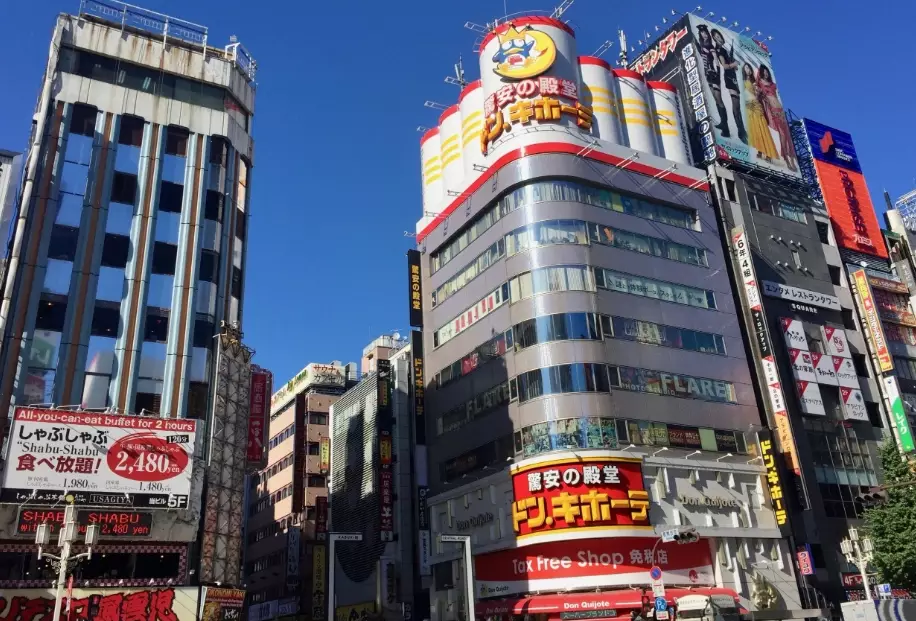
The catch? Lines can be long, and the interior feels a bit dated (it's a government office, after all). My personal preference for a more refined, if not free, experience is the Park Hyatt Tokyo's New York Bar (of "Lost in Translation" fame). Go for a late afternoon drink. The price of a cocktail (around 2,500-3,000 yen) gets you the same incredible view in a legendary setting as sunset approaches. It's a splurge, but it's an experience.
The Tokyo Tower vs. Skytree Debate
First-timers often feel they must choose. Here's the breakdown:
| Feature | Tokyo Skytree | Tokyo Tower |
|---|---|---|
| Height & View | World's tallest tower. View is more expansive, modern, and tech-oriented. You see the whole Kanto plain. | Iconic red and white structure. View feels more "classic Tokyo," with a closer look at the dense cityscape. |
| Location | Asakusa area. Good to combine with Senso-ji. | Minato ward. Near Zojo-ji Temple and Hamarikyu Gardens. |
| Cost (Main Deck) | ~2,100 yen. More expensive. | ~1,200 yen. More affordable. |
| Crowds | Extremely high, requires timed tickets. | Busy, but often more manageable. |
| Verdict for First-Timers | Choose if you crave the "highest" record and a futuristic experience. | Choose for the iconic aesthetic, better value, and a more retro feel. |
My take? For a genuine first-timer's vibe, Tokyo Tower has more character. It's a symbol of post-war Japan's rise. Seeing it up close, and then seeing the city from it, feels connected to its history. The Skytree is impressive, but it feels more like a global observation deck you could find anywhere.
How to Plan Your Tokyo Sightseeing Itinerary?
Grouping by geography is your best friend. Tokyo is huge, and crossing from one side to the other can eat up an hour. Here’s a practical 4-day core plan:
Day 1: West Side Energy
Harajuku (Meiji Jingu first, then Takeshita Street) → Walk to Shibuya (lunch, explore, cross the scramble) → Evening view from Shibuya Sky or Magnet.
Day 2: East Side Tradition
Asakusa (Senso-ji, Nakamise-dori) → Walk or short train to Ueno (park, museum, or just a stroll) → Consider Tokyo Skytree in the evening if you're nearby and have the energy.
Day 3: Central Modernity
Tsukiji Outer Market (for breakfast sushi and snacks) → Hamarikyu Gardens (a feudal-era garden with a tea house) → Tokyo Tower for afternoon views → Explore Roppongi or Azabu for dinner.
Day 4: North Side & Electronics
Shinjuku (Metropolitan Gov. Building views, explore the parks and skyscrapers) → Head to Akihabara in the afternoon/evening for its electric town vibe, anime, and electronics shops.
This mix covers temples, parks, hyper-modern districts, historic spots, and iconic views. It's balanced and logistically sensible.
First-Timer in Tokyo: Your Questions Answered
Is the Tokyo Skytree worth it for first-timers, or is it overrated?
It depends on your priorities. If "seeing the view from the world's tallest tower" is a major goal, then it's worth it. The engineering is astounding. However, for many first-timers, the experience can feel transactional and crowded. The view, while vast, can sometimes be hazy. For a more memorable and arguably more "Tokyo" experience, I often suggest the free Tokyo Metropolitan Government Building views first. If you still want a paid tower, Tokyo Tower offers better value and iconic photos with the tower itself in them. Skytree is impressive, but not essential for a great first trip.
How many days in Tokyo is enough for a first visit?
Four full days is the absolute minimum to hit the highlights without running yourself ragged. This gives you one day for Shibuya/Harajuku, one for Asakusa/Ueno, one for Shinjuku and a view, and a fourth for a deeper dive into an area you liked or a day trip. Five to seven days is ideal, allowing you to explore neighborhoods like Shimokitazawa, Daikanyama, or take a day trip to Kamakura or Nikko. Rushing through Tokyo in 2-3 days means you'll only scratch the surface and spend most of your time on trains.
What's the biggest mistake first-time visitors make when planning their Tokyo sightseeing?
Trying to do too much in one day based on a list, without respecting geography. I've seen itineraries that put Asakusa, Harajuku, and Odaiba in the same day. That's a recipe for spending 3+ hours on trains and subways. Tokyo's districts are best explored in clusters. Use a map (Google Maps is excellent) and group activities by train line. The JR Yamanote Line (the green loop line) connects many major spots—Shibuya, Harajuku, Shinjuku, Ueno, Tokyo Station. Planning your days around one or two sections of this loop will save you hours and stress.
Should I buy a Japan Rail Pass just for Tokyo?
Almost certainly not. The Japan Rail Pass is for long-distance Shinkansen travel between cities. Within Tokyo, you'll primarily use the Tokyo Metro and Toei Subway lines, which are not JR. For getting around the city, a rechargeable IC card like Suica or Pasmo is all you need. Tap on and off every train and bus. If you plan on using the subway extensively in one day, look into a Tokyo Metro 24-hour ticket (around 600 yen). The JR Pass only becomes cost-effective if you are taking round-trip Shinkansen journeys to Kyoto, Osaka, etc.
Comments