Let's cut to the chase. Finding a place to stay in Osaka can feel overwhelming. You've got glossy hotel photos, countless Airbnb listings, and a map full of neighborhood names that mean nothing to you. Most guides just list hotels. I've lived here for chunks of time over the past decade, and I've made every booking mistake in the book. This isn't just another list. It's a breakdown of where you should actually stay based on who you are and what you want to do, with specific, bookable options and the gritty details everyone else glosses over.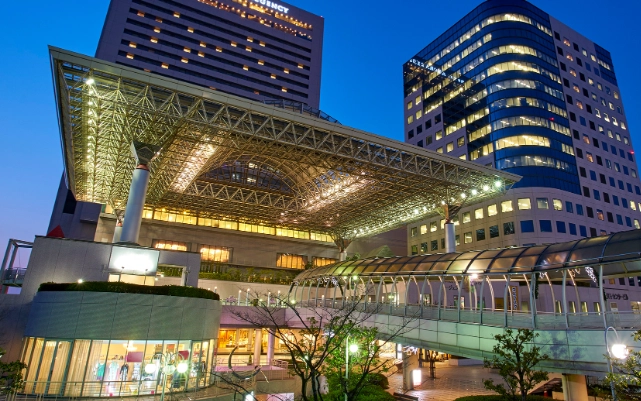
Your Quick Map to Osaka Stays
How to Pick Your Osaka Base (It's Not Just About Price)
Forget just comparing hotel stars. Your location dictates your trip's rhythm. Are you here to eat until you burst? Shop until you drop? Use Osaka as a day-trip launchpad? The wrong location adds hours of transit and saps your energy.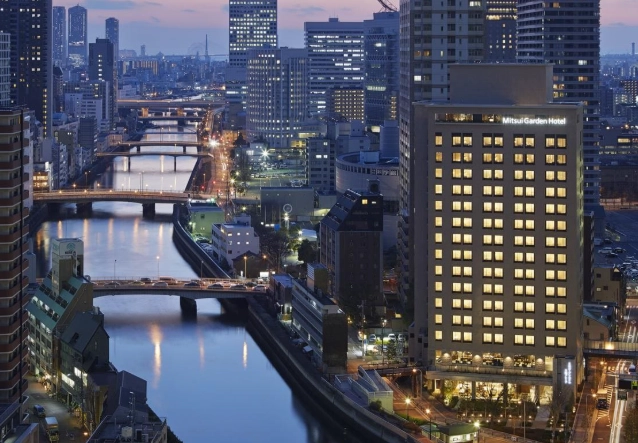
I once booked a "great deal" near Osaka Castle. Beautiful view, terrible idea for my food-focused itinerary. Every night involved a 30-minute trek back from Dotonbori, tired and stuffed. Lesson learned.
Namba & Shinsaibashi: The Beating Heart
Vibe: Energetic, chaotic, sensory overload in the best way. This is the postcard image of Osaka. Neon lights, giant crab signs, packed shopping arcades, and the smell of takoyaki everywhere.
Best for: First-timers, night owls, food pilgrims, hardcore shoppers. You walk out your door and you're in it.
Downside: It can be loud. Rooms are often smaller for the price. It feels crowded, always.
Key Stations: Namba, Shinsaibashi, Nippombashi.
Where to Lay Your Head in Namba:
The Bridge Hotel Shinsaibashi (1-10-24 Higashishinsaibashi, Chuo-ku). Don't let the name fool you—it's a solid, modern mid-range pick. The rooftop terrace is a quiet miracle in this area. Rooms are compact but smartly designed. They often have free beer in the lobby in the evenings. A classic example of good value here.
¥12,000 - ¥20,000 / night
Swissotel Nankai Osaka (5-1-60 Namba, Chuo-ku). This is for when you want luxury right on top of Nankai Railways. Direct access to the station for trips to Kansai Airport or Wakayama. The views from the higher floors are stunning. It's connected to a high-end department store. You're paying for supreme convenience and polish.
¥25,000 - ¥40,000 / night
Airbnb/Vacation Rental Tip: Look for apartments in the backstreets behind Shinsaibashi-suji or near Nippombashi. You'll get more space, a kitchenette (great for trying supermarket sushi), and a slightly more local feel. Always verify the listing has proper Japanese tourism ministry registration numbers.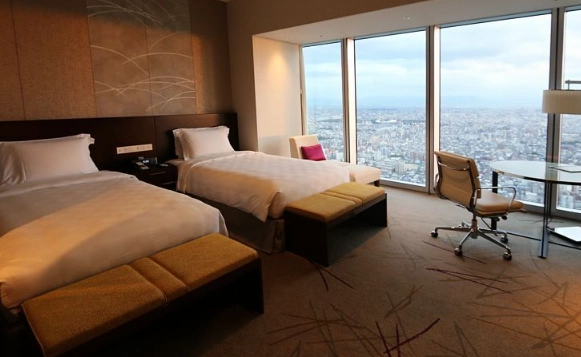
Umeda: The Polished Gateway
Vibe: Sleek, corporate, and massively connected. Think towering skyscrapers, department store labyrinths, and a slightly more formal atmosphere. It's less about street food stalls and more about cocktail bars and refined restaurants.
Best for: Business travelers, luxury seekers, families who prefer calm at night, and anyone using the Shinkansen or doing heavy day-tripping (Kyoto, Kobe, Himeji all connect easily from Osaka Station).
Downside: Can feel impersonal. It's a 10-15 minute subway ride to the craziness of Dotonbori.
Key Stations: Osaka, Umeda, Higashi-Umeda, Nishi-Umeda (it's a massive complex).
Umeda's Standout Stays:
InterContinental Osaka (3-60 Ofukacho, Kita-ku). This is arguably Osaka's top luxury hotel. It's in the Grand Front Osaka complex, which means you're surrounded by high-end shopping and dining without stepping outside. The service is impeccable. The rooms are among the largest you'll find in any Japanese city hotel. If your budget allows, it's an experience.
¥35,000 - ¥60,000 / night
Mitsui Garden Hotel Osaka Premier (3-4-15 Nakanoshima, Kita-ku). My personal favorite for a mid-range business-leisure blend. It's on Nakanoshima, a quiet island between Umeda and Hommachi, offering a peaceful retreat with a 5-minute walk to the stations. The public bath (onsen) on the top floor with city views is a game-changer after a long day of walking.
¥15,000 - ¥25,000 / night
Tennoji & Shinsekai: The Rising Star
Vibe: A fascinating mix of old and new. The nostalgic, slightly gritty charm of Shinsekai (with its kushikatsu stalls and Tsutenkaku Tower) meets the gleaming Abeno Harukas, Japan's tallest building. It's undergoing serious development.
Best for: Travelers wanting a different vibe, families (thanks to Tennoji Zoo and Park), budget-conscious visitors, and those with a JR Pass (Tennoji is a major JR station).
Downside: The area can feel patchy—ultra-modern next to slightly run-down. It's not as dense with nightlife as Namba.
Key Stations: Tennoji, Shin-Imamiya, Dobutsuen-mae.
Tennoji's Top Picks:
Miyako City Osaka Tennoji (1-2-8 Matsuzaki-cho, Abeno-ku). Connected directly to Tennoji Station. This is all about hassle-free transit. You can get to Kansai Airport, Nara, and Wakayama without changing stations. The rooms are modern and functional. Perfect if you're in Osaka for a short stay and plan several day trips.
¥10,000 - ¥18,000 / night
Hotel Trusty Osaka Abeno (1-5-10-300 Izumichuo, Higashinari-ku). A reliable business hotel a short walk from the station. They often have family-friendly room configurations (like triple rooms) that are harder to find and cheaper than in Namba. The public bath is a nice bonus.
Hommachi & Yotsubashi: The Smart Saver's Hub
Vibe: The quiet, efficient, and often overlooked middle ground. This is a major business district by day that becomes peaceful at night. What makes it golden is the transit: Hommachi Station is where three major subway lines (Midousuji, Chuo, Yotsubashi) cross.
Best for: Savvy travelers who want quick, direct subway access to both Umeda (5 mins) and Namba (5 mins) without paying the premium of either. Great for longer stays.
Downside: Not much "atmosphere" right outside your door. You'll need to hop on the subway for most entertainment (but the ride is incredibly short).
Key Stations: Hommachi, Yotsubashi.
Here, you're looking at a cluster of excellent, no-nonsense business hotels. Daiwa Roynet Hotel Osaka Hommachi and Toyoko Inn Osaka Hommachi are consistently clean, affordable, and put you at the heart of the subway network. Rooms are standard business hotel size, but the location efficiency is unbeatable for the price.
Booking Tactics & Common Pitfalls Only Locals Notice
You've picked an area. Now, how do you lock it in without regret?
Timing Matters, But Not How You Think
Last minute can sometimes yield deals, but for peak seasons (cherry blossoms, autumn leaves, Golden Week), book 3-6 months out. A little-known trick: many Japanese hotel chains (like APA, Daiwa Roynet) release their cheapest rates on their own Japanese-language websites first, often months before aggregator sites have inventory. If you're comfortable with a translation browser plugin, it's worth a look.
The Size Deception
A Japanese "Double" room often means a double-size bed (140cm wide) in a room that's 12-15 square meters. Fine for a couple traveling light. A "Semi-Double" is usually a 120cm bed—cozy for two. Always check the square meterage, not just the bed type. If you have large suitcases, look for rooms over 18 sqm or ensure the photos show floor space next to the bed.
The Transit Cost Blind Spot
This is the big one. A hotel that's ¥2000 cheaper per night but requires a ¥500 subway fare each way to all your destinations adds ¥1000 daily. Over 5 nights, you've saved nothing and lost time. Always map your shortlisted hotels to the nearest station. Is it a direct shot to your target areas? How much is the fare? Proximity to a JR line is a huge plus if you have a JR Pass.
Your Osaka Accommodation Questions, Answered
The right Osaka accommodation doesn't just give you a bed. It gives you time, energy, and a better experience of the city. Match the location to your trip's purpose, read between the lines on room sizes, and factor in the true cost of transit. Do that, and you're already ahead of 90% of travelers. Now go book that trip.

Comments