So you want to walk the streets your favorite characters roam, hear the sounds of Akihabara's arcades, and maybe even find that perfect ramen shop from a late-night binge session. Planning an anime-focused trip to Japan is exciting, but it's easy to get overwhelmed by lists that just scratch the surface. I've been making these trips for over a decade, and the biggest mistake I see? People treat it like a standard tourist checklist. This guide is different. We're going beyond the obvious to build an itinerary that feels like stepping into the screen, with all the practical nuts and bolts to make it happen.
Your Anime Adventure Awaits: Jump to a Section
Tokyo: The Undisputed Heart of Anime Tourism
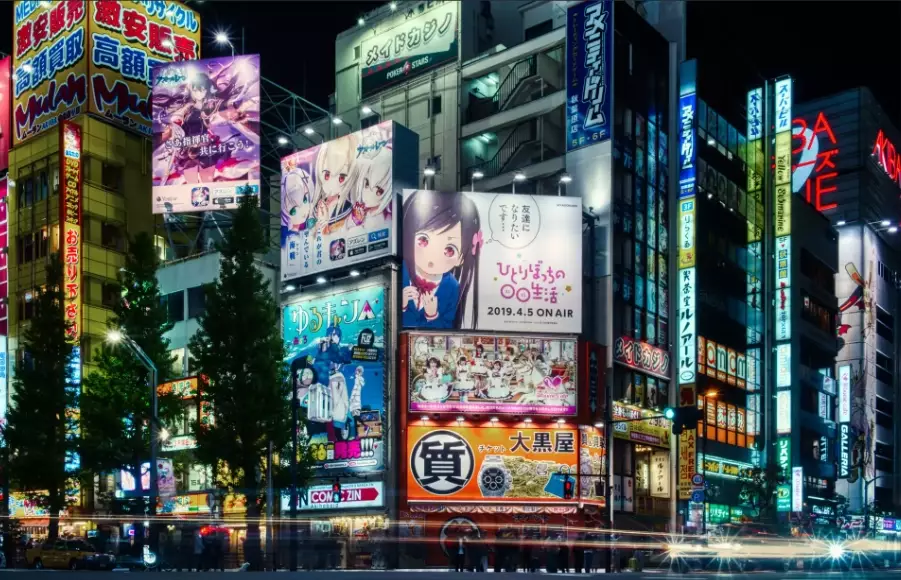
Tokyo is where it all begins. Think of it as your base camp. Every district has a different flavor. Akihabara is the electric, chaotic brain center. Ikebukuro caters to specific fandoms. Nakano is the treasure trove for vintage hunters. Trying to do it all in one day is a classic rookie error that leads to burnout and empty wallets.
Akihabara: More Than Just Shops
Yes, it's crowded. Yes, it's loud. But diving into Akihabara without a plan means you'll just see the surface-level chain stores. The magic is in the layers.
Ghibli Museum, Mitaka
This is the one that requires military-level planning. Tickets sell out months in advance, especially for foreign visitors. The official vendor is Lawson's website. A common misconception is that it's a giant theme park. It's not. It's an intimate, artistic experience. If you're not a hardcore Ghibli fan, you might find it small. But for fans, seeing the original animation cels is worth the hassle.
Ikebukuro & Nakano: The Specialist Districts
After Akihabara, your next stops depend on your fandom. Ikebukuro's Sunshine City area is dominated by Animate (the flagship store is a multi-story marvel) and Otome Road, which is heavily focused on female-oriented fandoms (BL, idol games). The vibe here is noticeably different—less frantic, more niche.
Nakano Broadway is my personal favorite for serious collecting. It's a dated shopping mall that feels frozen in time. The shops inside, like Mandarake's specialized stores, are where you find rare figures, out-of-print manga volumes, and cel art. The prices can be better than Akihabara because it's less of a tourist trap. Don't expect flashy signs; be prepared to dig.
Beyond Tokyo: Essential Anime Pilgrimage Sites
This is where your trip becomes unique. Visiting real-life locations that inspired or were featured in anime—seichi junrei (sacred site pilgrimage)—adds a profound layer to the experience. It transforms you from a spectator to a participant.
1. Shimokitazawa, Tokyo (The Vibe of ‘Aggretsuko’, ‘Honey and Clover’)
Shimokitazawa is a bohemian neighborhood with narrow alleys, thrift stores, and indie theaters. It's less about buying merch and more about soaking in the atmosphere that inspires slice-of-life anime. You can literally walk the routes taken by characters. No ticket needed, just wander.
2. Hida-Furukawa & Takayama, Gifu (Your Name / Kimi no Na wa)
The town of Hida-Furukawa is a near-perfect replica of the film's setting. The station, the library, the riverside scenes—it's all there. Takayama, a short train ride away, provides the mountainous backdrop. The local tourism office sells a detailed pilgrimage map for about ¥300. This is a full-day trip from Nagoya, best done with a regional rail pass.
3. Tottori & Hokuei (Detective Conan Town)
 If you're a Conan fan, this is Mecca. The entire town of Hokuei has been transformed. The station is Conan-themed, manhole covers feature characters, and the Gosho Aoyama Manga Factory museum is the centerpiece. It's remote, but that's part of the charm—you'll be surrounded by fellow fans, not general tourists.
Building Your Perfect Anime Itinerary: A Realistic Plan
Here’s the thing. You can't do Tokyo, Osaka, Kyoto, and a remote pilgrimage in one week without losing your mind. Focus is key. I recommend picking one main city base (Tokyo or Osaka) and adding one or two dedicated day trips for pilgrimages.
| Day | Focus Area | Key Activities & Locations | Travel Note |
|---|---|---|---|
| 1-3 | Tokyo Immersion | Day 1: Akihabara deep dive. Day 2: Ikebukuro (Otome Road) & Shinjuku (Kabukicho inspiration for many anime). Day 3: Ghibli Museum (AM) / Nakano Broadway (PM). | Use a Pasmo/Suica card. Consider a Tokyo Wide Pass if planning a far day trip. |
| 4-5 | Kansai Region (Osaka/Kyoto) | Osaka: Den Den Town (Nipponbashi) for electronics and anime goods. Kyoto: The Fushimi Inari shrine (appears everywhere) and the philosophy path (inspiration for The Melancholy of Haruhi Suzumiya). | Bullet train from Tokyo to Shin-Osaka takes about 2.5 hours. A 7-day JR Pass may pay off. |
| 6-7 | Pilgrimage Day Trip | Option A (from Tokyo): Shimokitazawa & Suga Shrine (Your Name staircase) in Tokyo. Option B (from Osaka): Day trip to Himeji (castle featured in many historical anime) or the longer trek to Tottori. | Book long-distance train seats in advance. Pack light for day trips. |
A 5-day trip might just focus on Tokyo and one nearby pilgrimage. A 10-day trip allows for a shift to Osaka/Kyoto and a major pilgrimage. Be ruthless in cutting things. Seeing one district thoroughly is better than skimming five.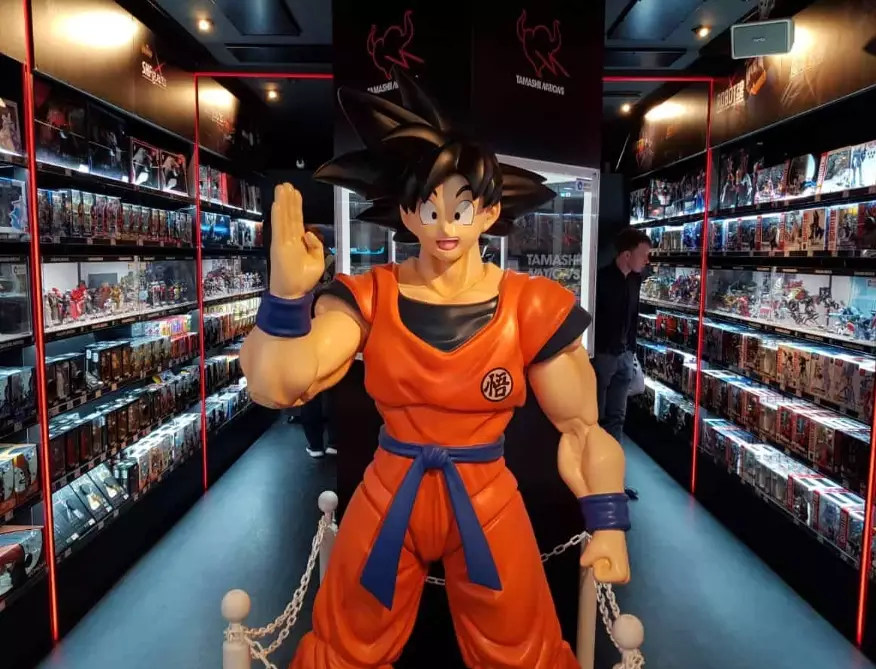
Practical Tips & Tricks They Don't Tell You
Money. Luggage. Crowds. Let's get practical.
Budgeting: Apart from transport and accommodation, set a daily “otaku budget.” Figure shopping can range from ¥1,000 for small prizes to ¥30,000+ for rare scales. Mandarake and Surugaya often have great pre-owned sections. Don't forget baggage fees for flying home with extra loot—shipping via Japan Post's EMS can sometimes be cheaper than airline fees.
Timing Your Visit: Avoid Golden Week (late April/early May) and Obon (mid-August) like the plague. Everything is packed and expensive. Late autumn (November) or late winter/early spring (February/March, excluding Chinese New Year) offers smaller crowds and pleasant weather.
Language & Navigation: Google Translate's camera function is your best friend for manga shelves. For navigation, Google Maps works perfectly for trains and walking. Learn a few key phrases: “Kore wa ikura desu ka?” (How much is this?), “Arigatou gozaimasu” (Thank you).
Where to Stay: In Tokyo, stay near a Yamanote Line station (Shinjuku, Shibuya, Ueno, Ikebukuro) for maximum connectivity. Hotel rates near Akihabara itself can be high. In Osaka, Namba or Umeda are ideal hubs. Consider a hotel with a larger room if you plan to buy a lot, or one near a post office for easy shipping.
Your Anime Travel Questions Answered
 Are anime pilgrimages in rural areas accessible without renting a car?

Comments