Explore Kanazawa: A Quick Guide
- The Timeless Pull of History and Culture (A Living Edo-Era City)
- A Feast for the Senses: Kanazawa's Culinary Crown
- Where Tradition Meets the Avant-Garde: The Art Scene
- The Practical Magic: Why It *Works* for Travelers
- Beyond the Obvious: Digging Deeper into Kanazawa's Popularity
- Your Kanazawa Questions, Answered
You've probably seen the pictures. A stunning garden that looks like a painting, a sleek modern art museum with a swimming pool you can walk under, streets lined with beautifully preserved samurai houses. It's not Kyoto, and it's not Tokyo. It's Kanazawa. And over the last decade or so, it's exploded in popularity with travelers from all over the world. But why? What's the big deal about this city on the Sea of Japan coast that has everyone from culture vultures to foodies putting it at the top of their Japan itinerary?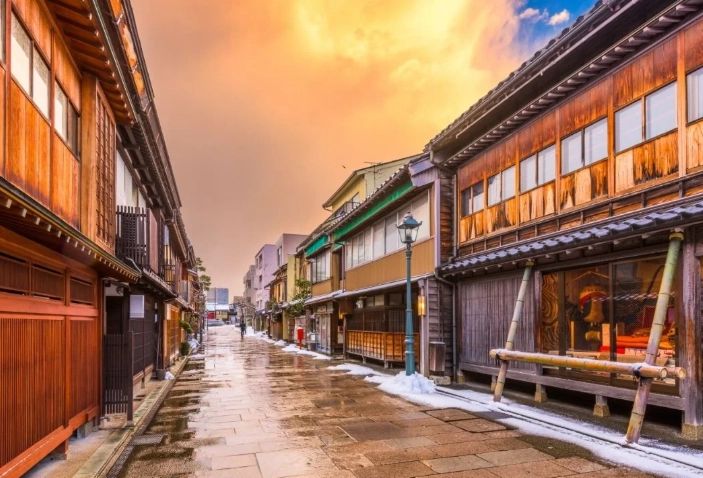
Let's cut to the chase. The main reason why Kanazawa is so popular isn't one single thing. It's a perfect, almost magical, cocktail of ingredients. Imagine taking the historic charm of Kyoto, but removing about 80% of the tourist crowds. Add in a world-class contemporary art scene, some of the freshest seafood you'll ever taste, and a compact, walkable layout that doesn't leave you exhausted. That's Kanazawa in a nutshell. It feels both profoundly traditional and surprisingly modern, all at once.
The Timeless Pull of History and Culture (A Living Edo-Era City)
This is the big one. While Tokyo and Osaka modernized at a breakneck speed and many cities were rebuilt after the war, Kanazawa got lucky. It escaped major bombing during WWII. That means its historic heart survived intact. For over 280 years, the powerful Maeda clan ruled the Kaga Domain from here, pouring incredible wealth into arts, culture, and gardens. That legacy is everywhere you look.
You're not just looking at a few preserved buildings. You're walking through entire neighborhoods that feel frozen in time, but in the best way possible. The atmosphere is palpable.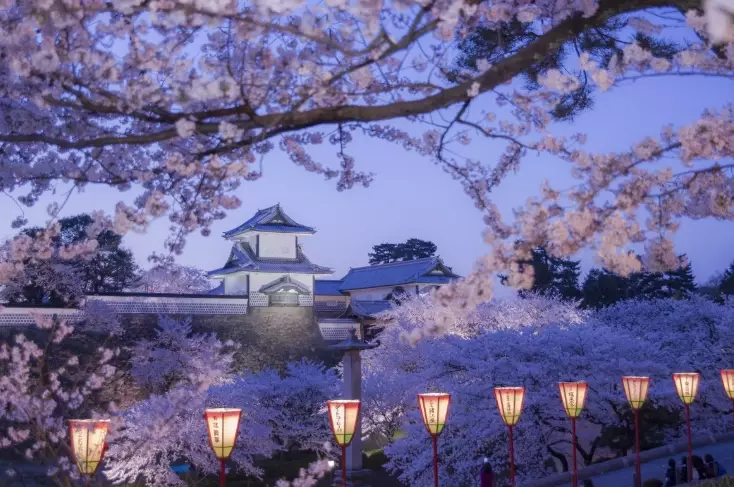
Kenrokuen Garden: The Crown Jewel
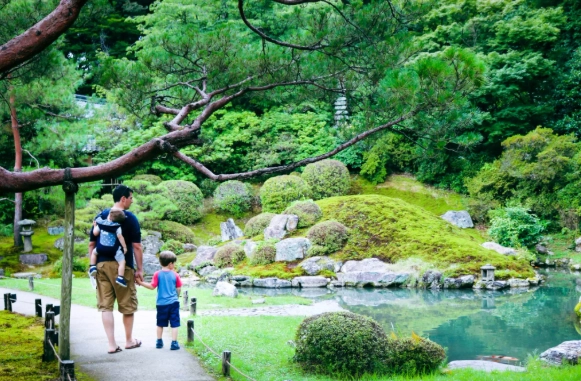
Often cited as one of Japan's top three most beautiful landscape gardens, Kenrokuen is a masterclass in design. The name means "Garden of the Six Sublimities," referring to spaciousness, seclusion, artifice, antiquity, water courses, and panoramas. It's not just a pretty park. It's a philosophical concept made real with trees, ponds, and hills.
What makes it special for visitors? It's stunning in every season. Spring has the cherry blossoms, of course. But the summer greens are deep and lush, autumn sets the maple trees on fire, and winter brings the iconic yukitsuri—ropes tied in a conical shape to protect the pine trees from heavy snow. It's a postcard come to life, every single day. The Kanazawa City office maintains a fantastic official guide to Kenrokuen with seasonal highlights and history, which is worth a peek before you go.
Nagamachi Samurai District & Higashi Chaya District
Forget just one street. The Nagamachi area, with its earthen walls, narrow lanes, and water canals, is where middle-ranking samurai and their families lived. You can visit restored residences like the Nomura-ke Samurai House, which gives you a real sense of their lifestyle—austere, but with subtle signs of status and refinement.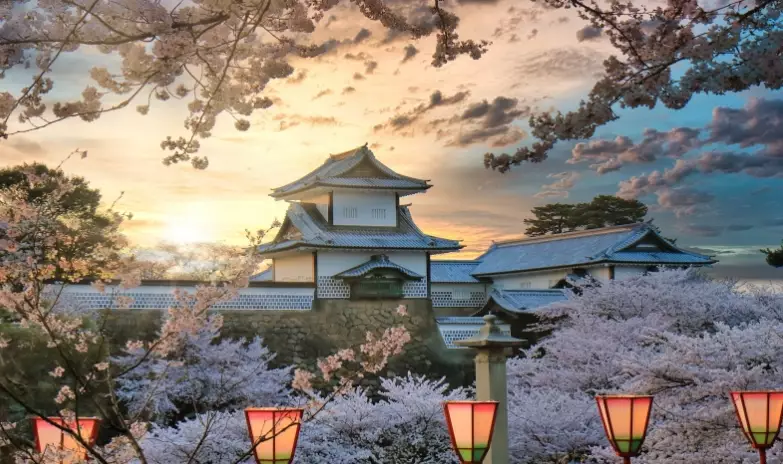
Then there's Higashi Chaya, the largest of Kanazawa's preserved geisha entertainment districts. The iconic lattice-work buildings (kimusuko) line the main street. During the day, it's charming. At night, with the lanterns lit, it's downright magical. Some teahouses are still operational (and exclusive), but others are now shops, cafes, and museums. You can even try gold leaf ice cream here—a very Kanazawa thing to do.
This is a key part of the answer to why Kanazawa has become so popular. It offers an accessible, immersive historical experience. You can touch the walls, walk the alleys, and feel the history without being herded behind barriers with a thousand other people.
A Feast for the Senses: Kanazawa's Culinary Crown
Okay, let's talk about the real reason some people travel: food. Kanazawa is a foodie heaven, and it's a major driver of its popularity. Its location on the Sea of Japan means seafood is unbelievably fresh and diverse.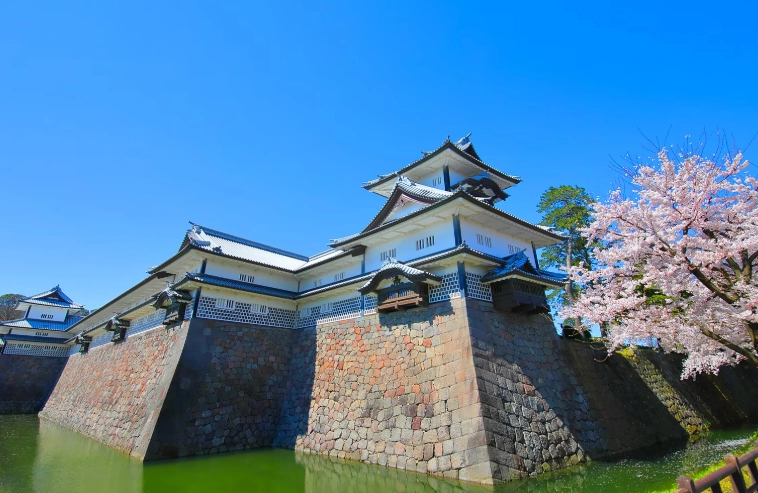
Omicho Market: The Kitchen of Kanazawa
For over 300 years, Omicho Market has been the city's beating heart. With over 200 shops and stalls, it's less overwhelming than Tokyo's Tsukiji but just as vibrant. This isn't just a tourist attraction; it's where locals do their daily shopping. You'll see grandmothers expertly picking out fish for dinner right next to wide-eyed travelers.
The best way to experience it? Go hungry. Skip breakfast and head straight for one of the many small sushi or donburi (rice bowl) counters. A bowl of kaisen-don (seafood rice bowl) piled high with uni (sea urchin), ikura (salmon roe), crab, and tuna at a place like Iwasa Sushi is a religious experience for seafood lovers. It's fresh, it's relatively affordable, and it tastes like the ocean.
Beyond the Market: Kaga Cuisine and Gold Leaf Everything
The local Kaga ryori cuisine is a refined, multi-course dining style that uses seasonal local ingredients, often prepared with intricate techniques. It's a testament to the Maeda clan's cultural patronage. While a full kaiseki-style Kaga meal can be a splurge, you can find elements of it in simpler restaurants.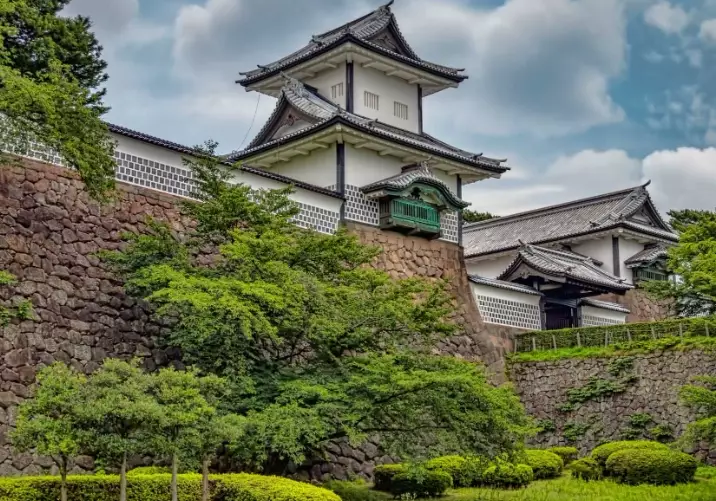
And then there's the gold. Kanazawa produces over 99% of Japan's domestic gold leaf. They put it on everything—lacquerware, pottery, and yes, food. Gold leaf ice cream is the famous Instagram shot, but it's also on coffee, sushi, and even in sake. It's tasteless, of course, but it screams luxury and makes for a unforgettable (if slightly extravagant) treat. The Kanazawa Tourism Association website has great resources on where to experience traditional crafts and cuisine.
Here’s a quick breakdown of must-try Kanazawa foods and where to find them:
| Food | What It Is | Best Place to Try |
|---|---|---|
| Kaisen-don | A bowl of sushi rice topped with an assortment of ultra-fresh raw seafood. | Stalls in Omicho Market (e.g., IWASA, Haisen) |
| Jibuni | A signature Kaga dish: duck or chicken stewed with vegetables in a savory broth, coated in wheat gluten. | Traditional restaurants in Higashi Chaya or near Kenrokuen. |
| Kabura-zushi | A pressed sushi unique to Kanazawa, made with yellowtail sandwiched between turnip slices and fermented. | Specialty shops or high-end department store food halls. |
| Gold Leaf Ice Cream | Soft-serve ice cream wrapped in a sheet of edible gold leaf. | Shops in Higashi Chaya District (e.g., Hakuichi). |
| Kanazawa Curry | A local spin on Japanese curry, often darker, thicker, and served with a tonkatsu cutlet and shredded cabbage. | Curry specialty shops like Go!Go! Curry or Local Family Restaurants. |
Where Tradition Meets the Avant-Garde: The Art Scene
This is the twist, the element that surprises many first-time visitors and answers another layer of why is Kanazawa so popular now. While it's deeply traditional, it's fiercely contemporary when it comes to art and design.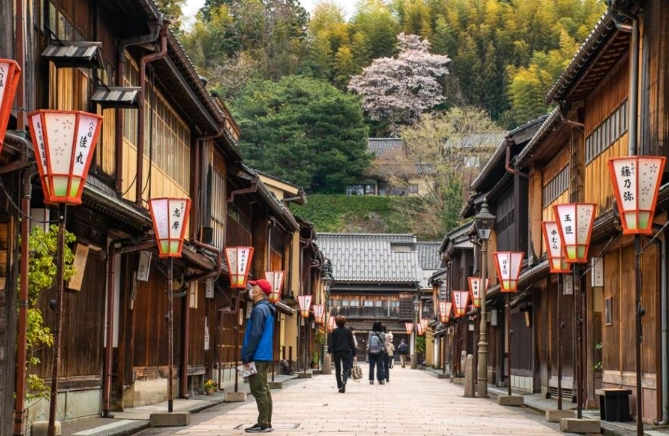
The 21st Century Museum of Contemporary Art
This place is a game-changer. Designed as a low, circular, glass-walled building to be open and accessible to the city, it's the antithesis of a stuffy museum. Its most famous installation is Leandro Erlich's "Swimming Pool," where you can walk underneath a pool of water, looking up at people looking down at you. It's ingenious, playful, and perfectly encapsulates the museum's spirit.
The exhibitions are consistently cutting-edge, featuring major international artists. But the genius is its integration. The museum isn't an isolated temple of art; it's a public square, a community center. Locals cut through it on their way to work, kids play in the outdoor installations. It makes contemporary art feel normal, part of daily life. You can check their current exhibitions on the 21st Century Museum official site.
A City of Crafts and Makers
Kanazawa's artistic legacy isn't just new. It's a city built on crafts—kogei. Gold leafing, Kutani porcelain (characterized by bold colors and intricate patterns), Kaga yuzen silk dyeing (for luxurious kimonos), and lacquerware. What's popular today is how these ancient crafts are being reinterpreted.
Young artisans are taking these techniques and applying them to modern jewelry, homeware, and fashion. You can visit studios in the DT Suzuki Museum area or the Kanazawa Yasue Gold Leaf Museum to see the process. You can even try workshops to make your own gold-leafed item. This living craft tradition, evolving but not dying, adds a tangible, high-quality layer to the city's appeal. You're not just buying a mass-produced souvenir; you're taking home a piece of skill that's been honed over centuries.
The Practical Magic: Why It *Works* for Travelers
All the history and art in the world doesn't matter if a city is a pain to visit. Here’s the practical, logistical side of why Kanazawa's popularity has skyrocketed.
- The Hokuriku Shinkansen: This was the watershed moment. In 2015, the bullet train line connected Tokyo to Kanazawa directly, cutting travel time from over 4 hours to about 2.5 hours. Suddenly, this "remote" city became a feasible weekend trip or a easy stop on a wider Japan tour. Accessibility is everything.
- Compact and Walkable: Almost all the major sights are within a comfortable walking distance or a short bus ride from each other. Kenrokuen, the castle park, the samurai district, and the museum are clustered. You can see a tremendous amount without spending half your day on trains.
- The "Other" Kyoto Vibe: Let's be honest, Kyoto can be overwhelming. The crowds at major temples, the difficulty getting reservations, the feeling of being part of a tourist conveyor belt. Kanazawa offers a similar depth of traditional culture but with space to breathe. You can actually get a photo without fifty people in it. You can sit by the garden pond in peace. For travelers seeking authenticity over checklist tourism, Kanazawa is a revelation.
- Friendly and Manageable Scale: It's a city, but it doesn't have the anonymous, rushing energy of a megacity. People are generally friendly and patient. There's a slower, more deliberate pace of life that rubs off on you as a visitor.
But it's not all perfect.
Beyond the Obvious: Digging Deeper into Kanazawa's Popularity
We've covered the big pillars, but the devil—or the delight—is in the details. There are subtler reasons why Kanazawa remains so popular and leaves such a lasting impression.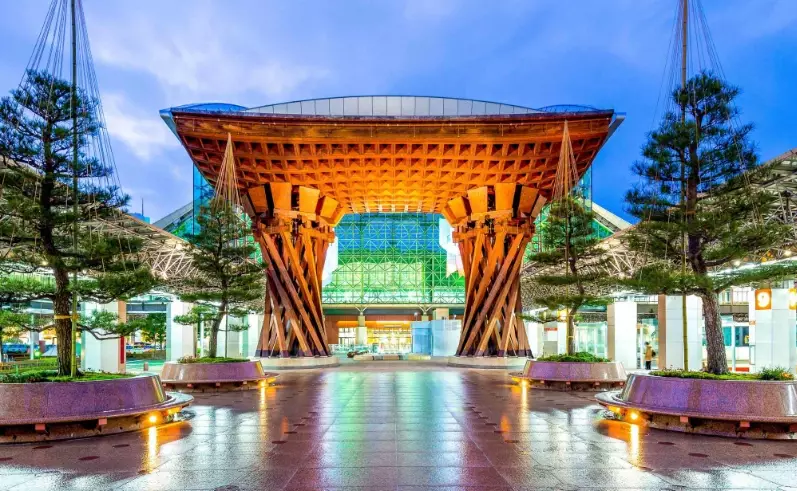
The Four Distinct Seasons
Japan famously celebrates its seasons, and Kanazawa does it spectacularly. The heavy winter snows (which create the beautiful yukitsuri in Kenrokuen) give way to explosive spring blossoms. Humid, green summers are perfect for wandering the cool, shaded paths of the garden, and autumn is arguably the most stunning time, with the maple trees turning brilliant shades of red and orange against the dark-green pines. Each visit can be radically different, encouraging repeat travelers.
A Gateway to the Noto Peninsula
For those looking to go further off the beaten path, Kanazawa is the perfect launchpad to explore the rugged, remote beauty of the Noto Peninsula, with its dramatic coastlines, traditional thatched-roof houses (gassho-zukuri), and fishing villages. It's like having a serene, rural Japan right on your doorstep.
Value for Money
Compared to Tokyo, Kyoto, or Osaka, accommodation and food in Kanazawa can offer better value, especially for the quality you get. You're more likely to find a charming, spacious ryokan (traditional inn) or a boutique hotel at a price that won't make your eyes water.
So, when you stack it all up—the untouched history, the world-class food, the innovative art, the practical ease, and the sheer beauty—you start to see the full picture. It's a destination that satisfies on almost every level a traveler could want.
Your Kanazawa Questions, Answered
Based on what people are really searching for, here are some straight answers to common questions that pop up when figuring out why Kanazawa is popular and how to visit.
How many days do I need in Kanazawa?
This is the most common question. The sweet spot is two full days. This gives you one day for the eastern side (Kenrokuen, Kanazawa Castle, the 21st Century Museum) and one day for the historic districts (Nagamachi, Higashi Chaya) and Omicho Market. With three days, you can add a craft workshop, explore more museums like the DT Suzuki Museum, or take a half-day trip to the nearby seaside town of Kanaiwa.
Is Kanazawa better than Kyoto?
It's not about "better," it's about different. Kyoto is larger, has more UNESCO World Heritage sites (17!), and a scale of grandeur that's undeniable. Kanazawa is more intimate, less crowded, and offers a tighter, more concentrated experience. For a first-time Japan visitor with limited time, Kyoto is probably unmissable. But for a second-time visitor, or someone who dislikes crowds and wants a deeper, slower cultural dive, Kanazawa can be the preferred choice. Many people wisely choose to visit both.
What's the best time of year to visit?
Late October to early November for the fall foliage is absolutely magical, but also quite popular. April for the cherry blossoms is also stunning. Shoulder seasons like May and late September/early October offer great weather and fewer people. Winter (December-February) is cold and snowy, but it's uniquely beautiful and perfect for hot sake and crab feasts. Summer (June-August) can be hot and humid, but the gardens are lush.
Is it expensive?
It can be, but it doesn't have to be. Entry to Kenrokuen Garden is only 320 yen, which is a steal. The 21st Century Museum has free areas and ticketed exhibitions. You can eat incredibly well at Omicho Market for under 2000 yen. Sure, a fine Kaga ryori meal or a gold-leaf workshop will cost more, but overall, it's more affordable than Japan's biggest cities. The Japan National Tourism Organization's official travel site has great general budgeting tips for Japan that apply here.
What if it rains?
Kanazawa has a decent amount of rainy days. But it's a great rainy-day destination! The 21st Century Museum is mostly indoors. You can explore the Omicho Market under cover. The D.T. Suzuki Museum (dedicated to the philosopher who introduced Zen to the West) is a serene, contemplative indoor/outdoor space perfect for a quiet moment. Or visit the Kanazawa Phonograph Museum or the Prefectural Museum of Art. Or just cozy up in a cafe in Higashi Chaya.
Is it good for solo travel?
Absolutely. It's very safe, easy to navigate, and has plenty of casual dining options where solo diners feel comfortable (sushi counters, ramen shops, market stalls). The compact layout means you won't feel lost or overwhelmed.
Look, at the end of the day, the question of why is Kanazawa so popular comes down to a feeling. It's the feeling of discovering a place that hasn't sold its soul to tourism, a place where past and present are in a fascinating conversation, a place where you can have a five-star cultural experience one minute and be slurping down incredible, simple noodles the next. It's genuine. It's layered. And in a world where many destinations start to feel the same, Kanazawa stands out as somewhere truly special. Its popularity isn't a passing trend; it's a well-earned reputation for being one of Japan's most complete and rewarding cities to experience.
So, is it worth the hype? From someone who's been back three times, each visit uncovering something new—a tiny ceramics studio, a hidden bar serving local sake, a quiet corner of Kenrokuen I'd missed before—the answer is a resounding yes. It's the kind of place that doesn't just fill your camera roll; it fills your notebook with ideas and your head with quiet, beautiful memories.



Comments